 EN
EN
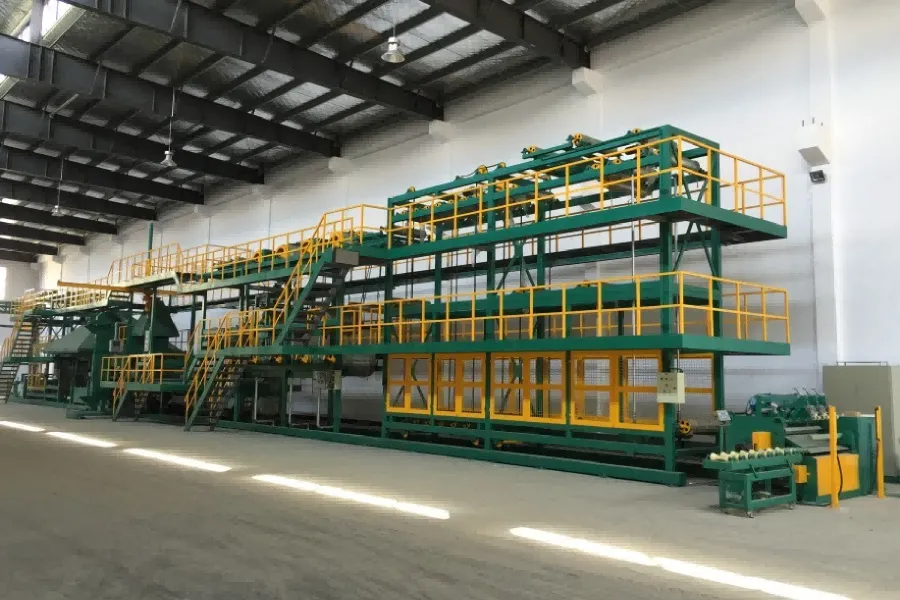
Maintaining an app membrane production line effectively is essential for ensuring consistent product quality, minimizing downtime, and extending equipment lifespan. App membranes, commonly used in roofing, waterproofing, and construction applications, require precision manufacturing processes that depend on well-maintained production machinery. Without proper maintenance protocols, production lines face increased failure rates, reduced output efficiency, and compromised membrane quality that can lead to costly rework or customer dissatisfaction. Understanding the specific maintenance requirements of an app membrane production line helps manufacturers optimize their operations and maintain competitive advantages in demanding industrial markets.
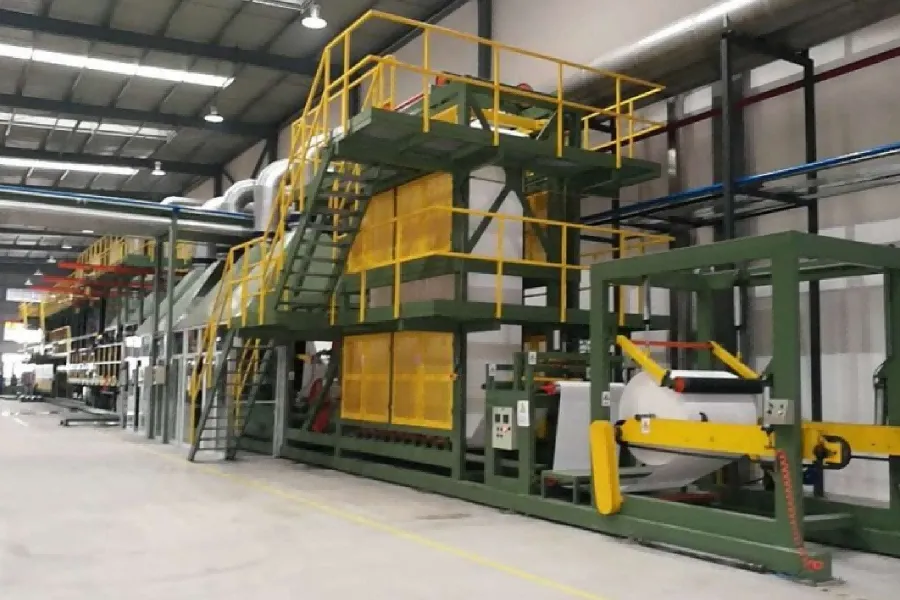
The complexity of modern app membrane production lines demands a systematic maintenance approach that addresses mechanical components, heating systems, coating mechanisms, and control electronics simultaneously. Each subsystem within the production line contributes to the final membrane quality, and neglecting any single element can create cascading failures throughout the manufacturing process. This comprehensive guide provides actionable maintenance tips specifically designed for app membrane production line operators, covering preventive strategies, troubleshooting techniques, and best practices that industry professionals rely on to keep their production lines running at peak performance.
Understanding Critical Components in App Membrane Production Lines
Unwinding and Tension Control Systems
The unwinding system in an app membrane production line serves as the foundation for consistent material feed and determines the baseline quality of the finished product. This system includes motorized unwinding stands, tension sensors, dancer rollers, and electronic control units that maintain precise material tension throughout the production process. Proper maintenance of unwinding components prevents material waste, reduces edge defects, and ensures uniform coating application across the membrane surface. Operators should regularly inspect tension sensor calibration, verify roller alignment, and check for bearing wear that might introduce unwanted vibration or tension fluctuations.
Tension control accuracy directly impacts membrane dimensional stability and coating uniformity, making this subsystem particularly critical in app membrane production line operations. Daily visual inspections should confirm that dancer rollers move freely without binding, tension readouts match setpoint values, and material tracking remains centered on the rollers. Lubrication schedules for unwinding system bearings must be strictly followed, using only manufacturer-recommended lubricants that maintain performance across the temperature ranges encountered during production. Any unusual noise from unwinding motors or gearboxes should trigger immediate investigation, as bearing failures can cause sudden production stoppages and potential material damage.
Coating and Lamination Equipment
Coating stations represent the most complex and maintenance-intensive components within an app membrane production line, requiring meticulous attention to temperature control, material distribution, and surface preparation. Modern coating systems employ various technologies including knife-over-roll, reverse roll, or extrusion coating methods, each with specific maintenance requirements related to gap settings, surface cleanliness, and temperature uniformity. The coating process determines critical membrane properties such as waterproofing effectiveness, adhesive strength, and surface finish quality, making maintenance precision essential for product consistency.
Regular maintenance of coating equipment in an app membrane production line includes thorough cleaning of coating heads, inspection of doctor blades for wear, verification of gap settings against specifications, and calibration of temperature control systems. Coating roll surfaces must be inspected for buildup, corrosion, or mechanical damage that could transfer defects to the membrane surface. Temperature sensors controlling heating elements require periodic calibration to ensure coating materials maintain optimal viscosity and flow characteristics. Operators should maintain detailed logs of coating weight measurements, temperature profiles, and visual quality assessments to identify gradual performance degradation before it affects product quality.
Heating and Curing Systems
Heating systems within an app membrane production line facilitate material softening, adhesive activation, and coating curing processes that are fundamental to membrane performance. These systems typically include infrared heaters, hot air ovens, or heated rollers that must maintain precise temperature profiles across the membrane width. Temperature uniformity directly affects adhesive bonding strength, material flexibility, and dimensional stability in the finished product. Maintenance of heating systems focuses on ensuring consistent heat distribution, preventing hot spots that could damage materials, and maintaining energy efficiency throughout production runs.
Effective maintenance protocols for heating components in an app membrane production line include regular cleaning of heating elements to remove accumulated residues, inspection of thermal insulation for degradation, and verification of temperature sensor accuracy across all heating zones. Infrared heating elements should be checked for even emitter performance, with dimmed or failed elements replaced promptly to prevent uneven heating patterns. Air circulation fans in convection ovens require periodic cleaning and bearing lubrication to maintain proper airflow and temperature distribution. Control system calibration should be performed quarterly to ensure heating profiles match process specifications and respond appropriately to production speed changes.
Implementing Preventive Maintenance Programs
Daily Inspection Routines
Daily maintenance activities form the foundation of reliable app membrane production line operations, catching emerging issues before they escalate into major failures or quality problems. These routine checks should be performed at the start of each shift and include visual inspections of all moving components, verification of lubrication levels, confirmation of temperature and pressure readings, and assessment of material handling systems. Operators should follow standardized checklists that document inspection findings and identify any deviations from normal operating conditions that require immediate attention or further investigation.
Daily inspection routines for an app membrane production line should specifically address critical wear points including roller bearings, drive chains, tensioning systems, and coating application heads. Operators must verify that emergency stop systems function correctly, safety guards remain properly positioned, and operational indicators display expected values. Any abnormal sounds, vibrations, or visual anomalies should be documented and reported immediately, as these often signal developing mechanical issues that could lead to unplanned downtime. Production quality checks including coating weight measurements, adhesion testing, and visual defect assessments should be integrated into daily routines to ensure maintenance activities effectively support product quality objectives.
Weekly and Monthly Maintenance Tasks
Weekly maintenance schedules for an app membrane production line expand beyond daily inspections to include more detailed component assessments, precision measurements, and preventive interventions that require production interruptions. These activities typically include thorough cleaning of coating systems, detailed inspection of drive components, lubrication of bearings and gearboxes according to manufacturer specifications, and calibration verification for critical sensors and control systems. Weekly maintenance windows provide opportunities to address minor adjustments that accumulate during normal operations, preventing gradual performance degradation that might otherwise go unnoticed.
Monthly maintenance tasks within an app membrane production line maintenance program focus on components subject to gradual wear or environmental deterioration over extended operating periods. These activities include comprehensive electrical connection inspections, hydraulic system pressure checks, detailed alignment verification for critical rollers, and complete cleaning of heating and cooling systems. Filter replacements for hydraulic systems, pneumatic supplies, and ventilation equipment should follow monthly schedules to prevent contamination issues. Documentation during monthly maintenance should include detailed measurements of critical clearances, gap settings, and alignment parameters that establish baseline references for future condition monitoring and predictive maintenance initiatives.
Seasonal and Annual Overhauls
Comprehensive maintenance activities conducted annually or seasonally address components requiring extended downtime for inspection, complete refurbishment, or replacement as part of planned lifecycle management. These major maintenance events for an app membrane production line include complete disassembly and inspection of critical drive systems, detailed analysis of coating equipment wear patterns, replacement of consumable components approaching end-of-life, and systematic upgrades of control systems or safety features. Annual overhauls provide opportunities to implement equipment improvements, update operating procedures based on accumulated experience, and reset maintenance baselines for the upcoming operating period.
Planning for seasonal maintenance in an app membrane production line operations should consider production demand cycles, raw material availability, and maintenance workforce capacity to minimize business impact while ensuring thorough equipment care. Major overhaul activities include complete bearing replacements, gearbox oil changes, heating element inspections with thermal imaging, and comprehensive electrical system testing including insulation resistance measurements. Documentation from annual maintenance events should include detailed condition assessments, photographic records of wear patterns, updated maintenance procedures based on observed failure modes, and procurement recommendations for spare parts requiring stock replenishment before the next planned maintenance window.
Troubleshooting Common Production Issues
Material Handling and Tracking Problems
Material tracking issues in an app membrane production line manifest as edge wandering, wrinkles, or misalignment that compromise coating uniformity and product quality. These problems typically originate from roller misalignment, uneven tension distribution, worn guide systems, or inconsistent material properties that affect how substrate responds to tensioning forces. Effective troubleshooting begins with systematic inspection of all material contact points, verification of roller parallelism using precision measurement tools, and assessment of tension distribution across the material width using calibrated tension meters or load cells.
Resolving tracking problems requires understanding the interactive effects between unwinding tension, intermediate roller alignment, and rewinding tension in the complete app membrane production line system. Operators should verify that all guide rollers rotate freely without binding, check for accumulated material buildup on roller surfaces that could create localized friction variations, and confirm that edge guides maintain proper contact without excessive pressure that might damage material edges. Tension balance across multiple unwinding positions must be verified when processing multiple substrate layers simultaneously, ensuring that each layer contributes appropriately to the composite membrane structure without inducing internal stresses that cause dimensional instability.
Coating Quality and Consistency Issues
Coating defects in app membrane production line output including streaks, uneven thickness, or poor adhesion indicate problems with application equipment, material properties, or process parameters requiring systematic diagnosis. Troubleshooting coating issues begins with verification of coating material viscosity, temperature, and flow characteristics against process specifications, followed by detailed inspection of coating heads for damage, wear, or contamination affecting material distribution. Gap settings between coating knives and application rollers must be measured precisely and compared against baseline values established during initial equipment setup or previous successful production runs.
Addressing coating consistency problems in an app membrane production line often requires simultaneous adjustment of multiple interrelated parameters including coating speed, material temperature, doctor blade angle, and drying or curing profiles. Operators should maintain sample archives from troubleshooting sessions, documenting process conditions, visual defect characteristics, and performance test results to build institutional knowledge about cause-effect relationships specific to their production environment. Advanced troubleshooting may employ coating weight profiling across the membrane width to identify localized application problems, thermal imaging to reveal temperature distribution anomalies, or adhesion testing at multiple points to quantify performance variations requiring corrective action.
Equipment Performance Degradation
Gradual performance deterioration in an app membrane production line equipment manifests as increasing energy consumption, declining production speeds, rising defect rates, or growing maintenance intervention frequency signaling component wear or system degradation. Early detection of performance trends requires systematic data collection including production output rates, energy consumption per unit produced, quality metrics, and maintenance incident frequencies analyzed over extended periods to distinguish normal variations from meaningful deterioration patterns. Vibration monitoring, thermal imaging, and oil analysis provide objective condition indicators that reveal developing problems before they cause operational failures.
Responding to equipment degradation in an app membrane production line operations requires prioritization based on production impact, safety implications, and failure progression rates to optimize maintenance resource allocation. Components showing accelerating wear patterns should receive increased inspection frequency and preventive interventions including enhanced lubrication, modified operating parameters, or accelerated replacement schedules. Performance benchmarking against manufacturer specifications or historical baseline data helps quantify degradation severity and supports data-driven decisions about repair-versus-replace tradeoffs for aging equipment. Systematic root cause analysis of recurring failures identifies underlying issues such as inadequate maintenance procedures, inappropriate operating conditions, or design limitations requiring fundamental corrections beyond simple component replacement.
Optimizing Spare Parts Management
Critical Component Inventory Planning
Effective spare parts management for an app membrane production line balances inventory carrying costs against downtime risks associated with component failures requiring extended procurement lead times. Critical spare parts inventory should prioritize items with long lead times, high failure rates, or severe production impact when unavailable, including specialized bearings, electronic control boards, heating elements, coating heads, and precision rollers specific to membrane production equipment. Inventory planning requires detailed failure mode analysis, supplier lead time documentation, and cost-benefit assessment comparing inventory investment against potential production losses from extended downtime events.
Developing comprehensive spare parts strategies for app membrane production line operations includes establishing minimum stock levels based on failure rate statistics, procurement lead times, and production criticality assessments for each component. Consumable items subject to predictable wear including doctor blades, seals, filters, and drive belts require inventory levels supporting routine replacement schedules plus safety stock for unexpected early failures. High-value components with low failure rates but catastrophic impact when failed may warrant supplier agreements guaranteeing rapid delivery rather than maintaining on-site inventory, reducing capital investment while managing downtime risk through contractual commitments.
Supplier Relationship and Procurement Strategy
Strategic supplier relationships significantly impact maintenance effectiveness for an app membrane production line by ensuring parts availability, technical support access, and cost optimization through volume agreements or partnership arrangements. Primary equipment suppliers should be engaged as maintenance partners providing ongoing technical consultation, recommended maintenance procedures, and advance notification of component obsolescence affecting long-term supportability. Secondary suppliers offering compatible replacement parts may provide cost advantages or improved availability for commodity components while potentially introducing quality or compatibility risks requiring careful evaluation and qualification testing.
Procurement strategies for app membrane production line spare parts should balance multiple supply sources to mitigate dependency risks while maintaining sufficient volume concentration to negotiate favorable pricing and service terms. Annual parts consumption analysis identifies high-volume items suitable for blanket purchase agreements or consignment inventory arrangements that reduce administrative burden while ensuring availability. Emergency procurement procedures must be established with pre-qualified suppliers capable of expedited delivery for critical failures, including clear escalation protocols, approved cost thresholds, and logistics arrangements enabling rapid parts delivery to minimize unplanned downtime impact on production commitments.
Parts Quality Control and Verification
Quality verification procedures for spare parts used in app membrane production line maintenance prevent installation of substandard components that could compromise equipment performance, product quality, or safety. Incoming inspection protocols should verify dimensional accuracy, material specifications, and functional characteristics against manufacturer standards or reference samples from proven suppliers. Critical wear components including bearings, seals, and precision rollers require particularly rigorous inspection given their direct impact on production quality and equipment reliability when performance deviates from specifications.
Documentation systems supporting spare parts quality control in an app membrane production line operations should track supplier performance, component failure rates, and quality issues enabling data-driven supplier selection and qualification decisions. Parts traceability connecting installed components to supplier sources, batch numbers, and installation dates facilitates root cause analysis when premature failures occur and supports warranty claims or supplier corrective action requests. Standardized parts acceptance criteria, inspection procedures, and rejection protocols ensure consistent quality standards across maintenance teams and prevent subjective judgment variations that might allow marginal components into production equipment.
Training and Documentation Best Practices
Operator Skill Development Programs
Comprehensive training programs equip app membrane production line operators with knowledge and skills necessary to perform effective maintenance, recognize developing problems, and execute corrective actions minimizing production disruptions. Training curricula should address mechanical systems understanding, lubrication requirements, adjustment procedures, troubleshooting methodologies, and safety protocols specific to membrane production equipment. Hands-on training components including supervised maintenance activities, simulated failure scenarios, and equipment teardown exercises build practical competence that classroom instruction alone cannot provide, developing operator confidence and judgment essential for effective maintenance execution.
Ongoing skill development for app membrane production line maintenance personnel should include regular refresher training, updates addressing equipment modifications or procedure changes, and cross-training enabling flexible workforce deployment across multiple production lines or maintenance specialties. Competency assessment programs verify that operators maintain required skill levels and identify knowledge gaps requiring targeted training interventions. Senior operators and maintenance specialists should be developed as internal trainers capable of conducting standardized training programs, mentoring junior personnel, and transferring institutional knowledge about equipment-specific issues and effective maintenance approaches developed through operational experience.
Maintenance Documentation Systems
Comprehensive documentation systems supporting app membrane production line maintenance capture critical information including equipment specifications, maintenance procedures, service histories, troubleshooting guides, and spare parts catalogs enabling effective maintenance execution and continuous improvement. Digital documentation platforms provide advantages over paper systems including rapid information access, version control preventing use of outdated procedures, and integration with work order systems tracking maintenance activities and resource consumption. Documentation should be organized logically by equipment subsystem, readily accessible to maintenance personnel during troubleshooting situations, and regularly updated reflecting equipment modifications or procedural improvements.
Maintenance record systems for an app membrane production line should capture detailed information about completed activities including work performed, parts consumed, time required, problems encountered, and follow-up actions needed. This data enables trend analysis identifying chronic problems requiring engineering solutions, supports preventive maintenance schedule optimization based on actual component life observations, and provides maintenance cost visibility supporting budgeting and equipment lifecycle decisions. Standardized work order formats, clear documentation requirements, and systematic data review processes ensure maintenance records provide actionable intelligence rather than becoming meaningless compliance exercises generating unused information.
Knowledge Management and Continuous Improvement
Systematic knowledge capture transforms individual operator experiences with app membrane production line maintenance into organizational assets accessible to entire maintenance teams and preserved despite personnel turnover. Structured debriefing processes following major repairs, equipment failures, or challenging troubleshooting situations extract lessons learned and incorporate insights into standard procedures, training materials, or equipment modification plans. Maintenance communities of practice bringing together operators, technicians, and engineers facilitate knowledge sharing across organizational boundaries and accelerate solution development for novel problems encountered in production operations.
Continuous improvement programs applied to app membrane production line maintenance systematically identify opportunities to enhance reliability, reduce costs, or improve safety through procedural refinements, equipment upgrades, or technology adoption. Key performance indicators tracking maintenance effectiveness including mean time between failures, maintenance costs per unit produced, and unplanned downtime percentages provide objective measures of improvement progress and prioritize initiatives delivering greatest operational benefit. Regular maintenance procedure reviews engage frontline personnel in identifying inefficiencies, safety concerns, or improvement opportunities based on daily operational experience, fostering ownership and driving practical enhancements that engineering analysis alone might overlook.
FAQ
How often should critical components in an app membrane production line be replaced?
Critical component replacement intervals depend on operating intensity, material characteristics, and manufacturer recommendations, but typical schedules include bearing replacements every 12 to 24 months, coating blade changes every 1 to 3 months depending on material abrasiveness, and heating element replacements every 2 to 5 years based on usage hours and thermal cycling. Condition monitoring through vibration analysis, thermal imaging, and performance trending enables predictive replacement strategies that optimize component life while preventing unexpected failures. Maintaining detailed service records for each critical component helps establish equipment-specific replacement intervals reflecting actual operating conditions rather than generic manufacturer estimates.
What are the most common causes of unplanned downtime in app membrane production lines?
The most frequent causes of unplanned downtime include bearing failures in roller systems due to inadequate lubrication or contamination, coating system malfunctions from material buildup or temperature control issues, material handling problems including web breaks or tracking failures, and electrical control system failures affecting motors or sensors. Preventive maintenance programs addressing these common failure modes through regular lubrication, thorough cleaning, precise alignment, and systematic electrical inspections significantly reduce unplanned downtime frequency. Root cause analysis of each downtime event identifies specific contributing factors and guides corrective actions preventing recurrence of similar failures in future operations.
How can production quality issues be traced back to maintenance deficiencies?
Quality problems in app membrane production often result from maintenance-related issues including roller misalignment causing coating thickness variations, worn doctor blades creating streaking defects, contaminated coating heads producing inclusion defects, or temperature control drift affecting adhesive performance. Systematic troubleshooting correlating quality defect patterns with recent maintenance activities, equipment condition indicators, and process parameter trends helps identify maintenance-quality relationships. Establishing clear quality specifications, implementing statistical process control, and conducting regular equipment capability studies quantify maintenance impact on product quality and justify preventive maintenance investments through demonstrated quality improvement and reduced scrap costs.
What safety considerations are most important during app membrane production line maintenance?
Critical safety considerations include proper lockout-tagout procedures isolating energy sources before maintenance work begins, confined space protocols for internal equipment access, chemical handling procedures for coating materials and cleaning solvents, hot surface precautions around heating systems, and pinch point awareness near roller nips and moving components. Maintenance personnel require comprehensive safety training addressing equipment-specific hazards, appropriate personal protective equipment for various maintenance tasks, and emergency response procedures for accidents or material spills. Regular safety audits, near-miss reporting systems, and continuous safety training reinforcement create safety-conscious maintenance cultures that protect personnel while maintaining production equipment effectively.
Table of Contents
- Understanding Critical Components in App Membrane Production Lines
- Implementing Preventive Maintenance Programs
- Troubleshooting Common Production Issues
- Optimizing Spare Parts Management
- Training and Documentation Best Practices
-
FAQ
- How often should critical components in an app membrane production line be replaced?
- What are the most common causes of unplanned downtime in app membrane production lines?
- How can production quality issues be traced back to maintenance deficiencies?
- What safety considerations are most important during app membrane production line maintenance?