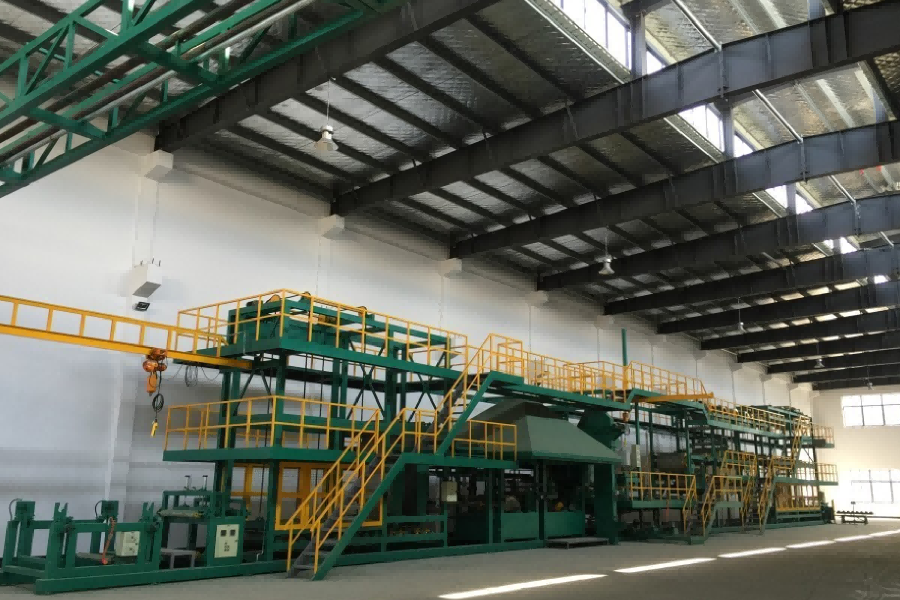
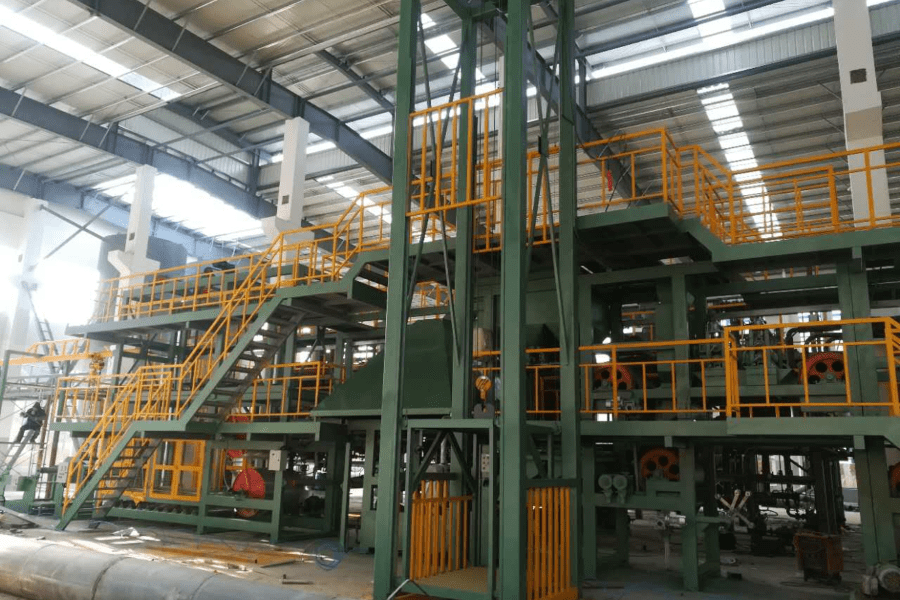
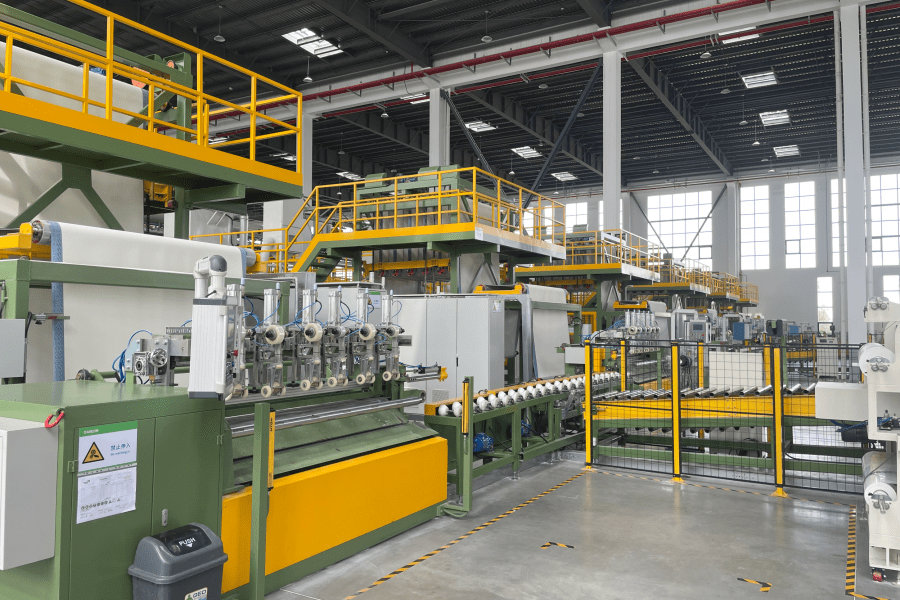
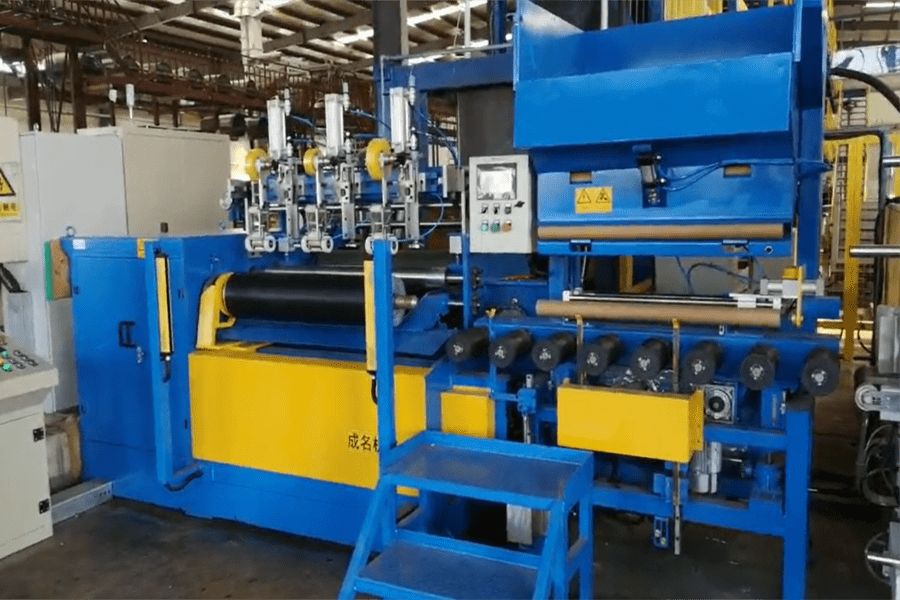
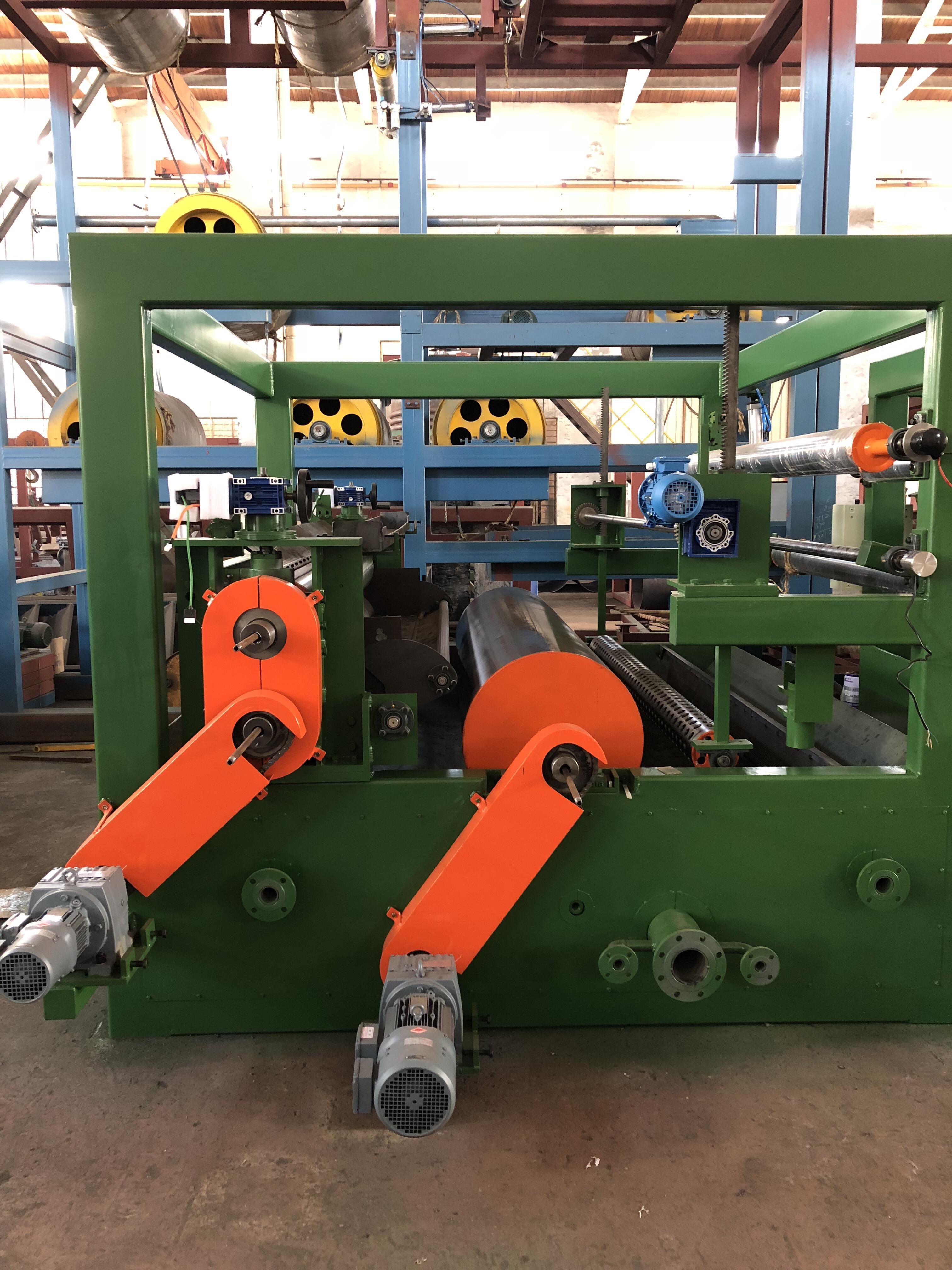
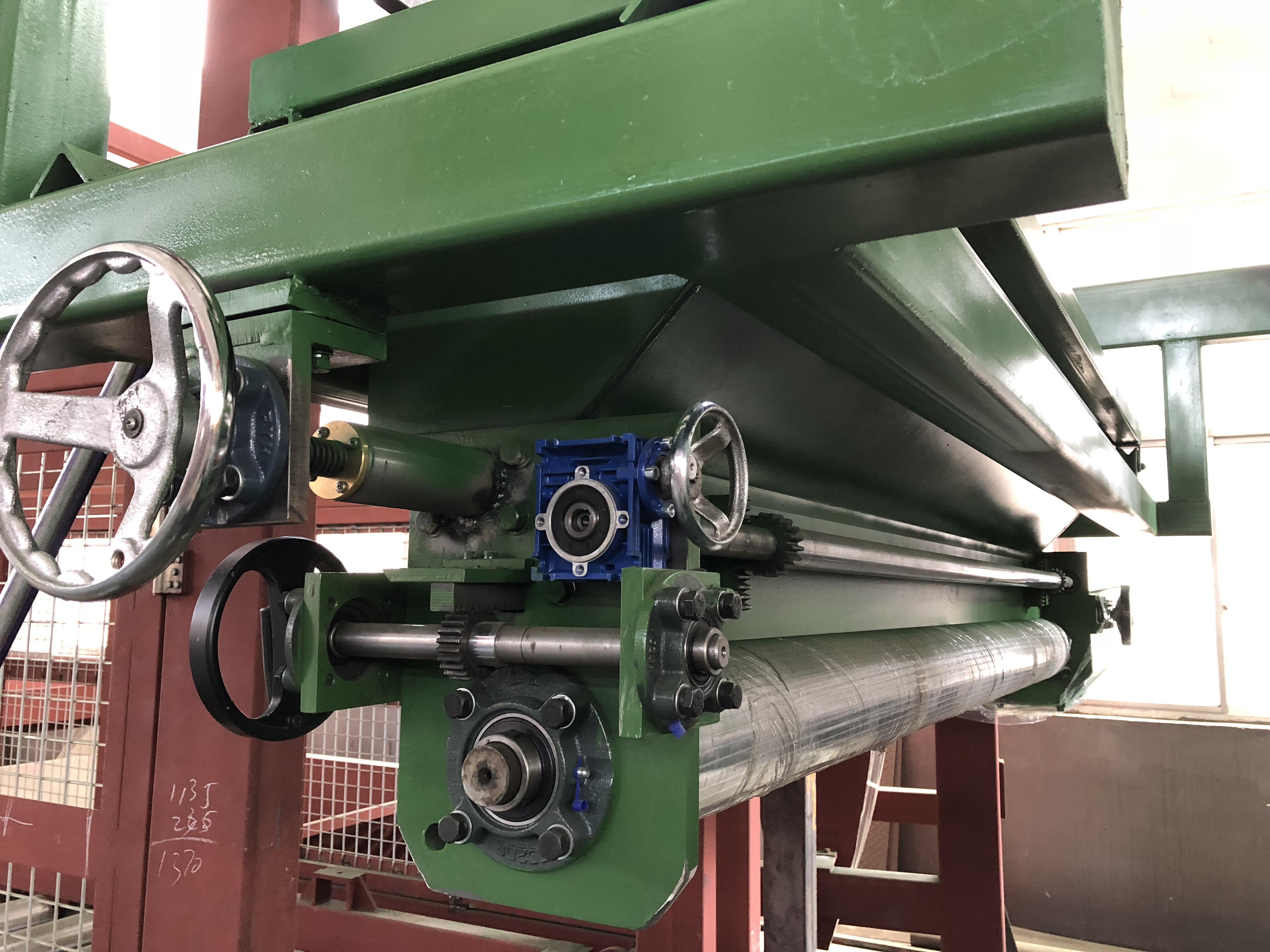
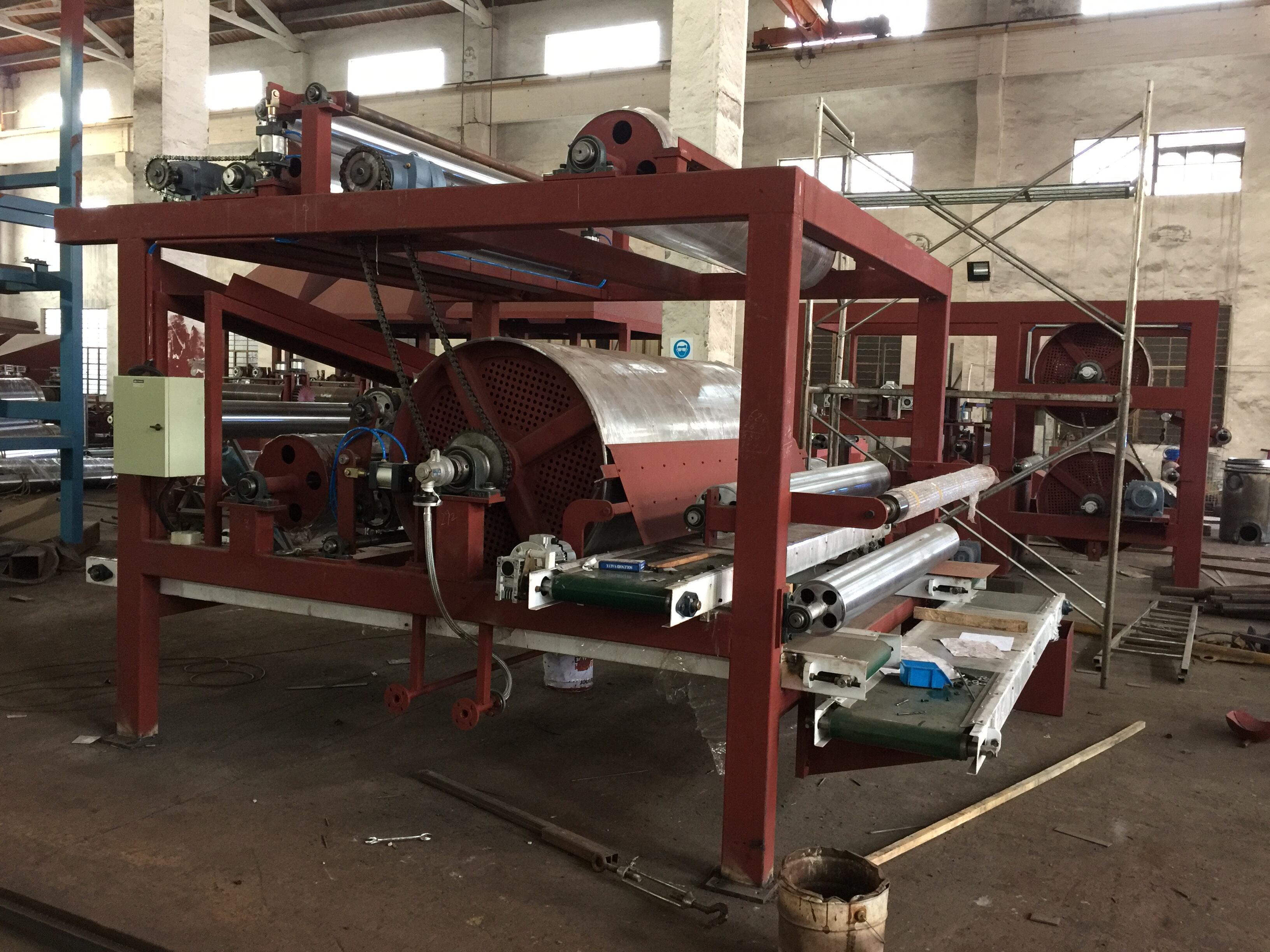
Advanced Product Line Manufacturing Solutions: Streamlined Production Systems for Enhanced Efficiency

All Categories

Get a Free Quote

Our representative will contact you soon.
Email
Name
Company Name
Message
0/1000
Attachment
Please upload at least an attachment
Up to 3 files,more 30mb,suppor jpg、jpeg、png、pdf、doc、docx、xls、xlsx、csv、txt

product line manufacturing

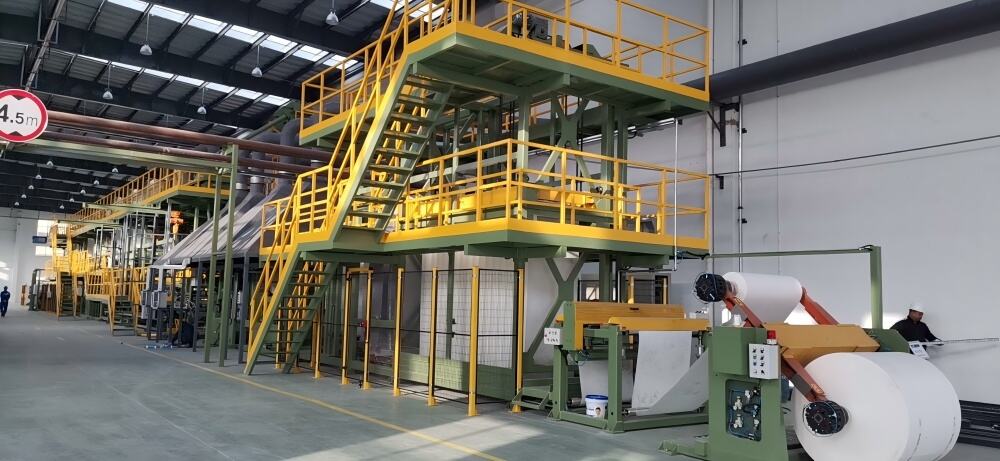
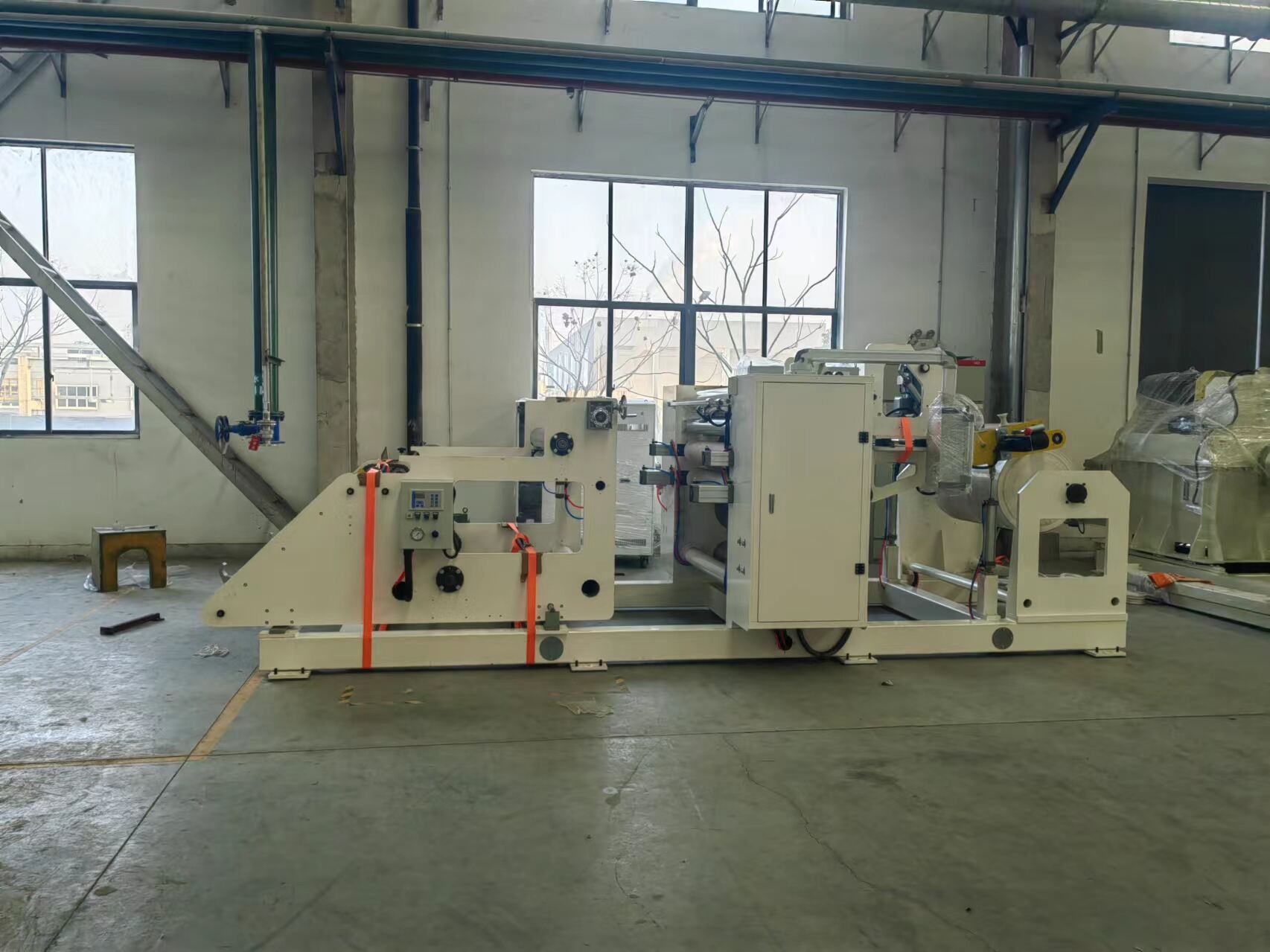
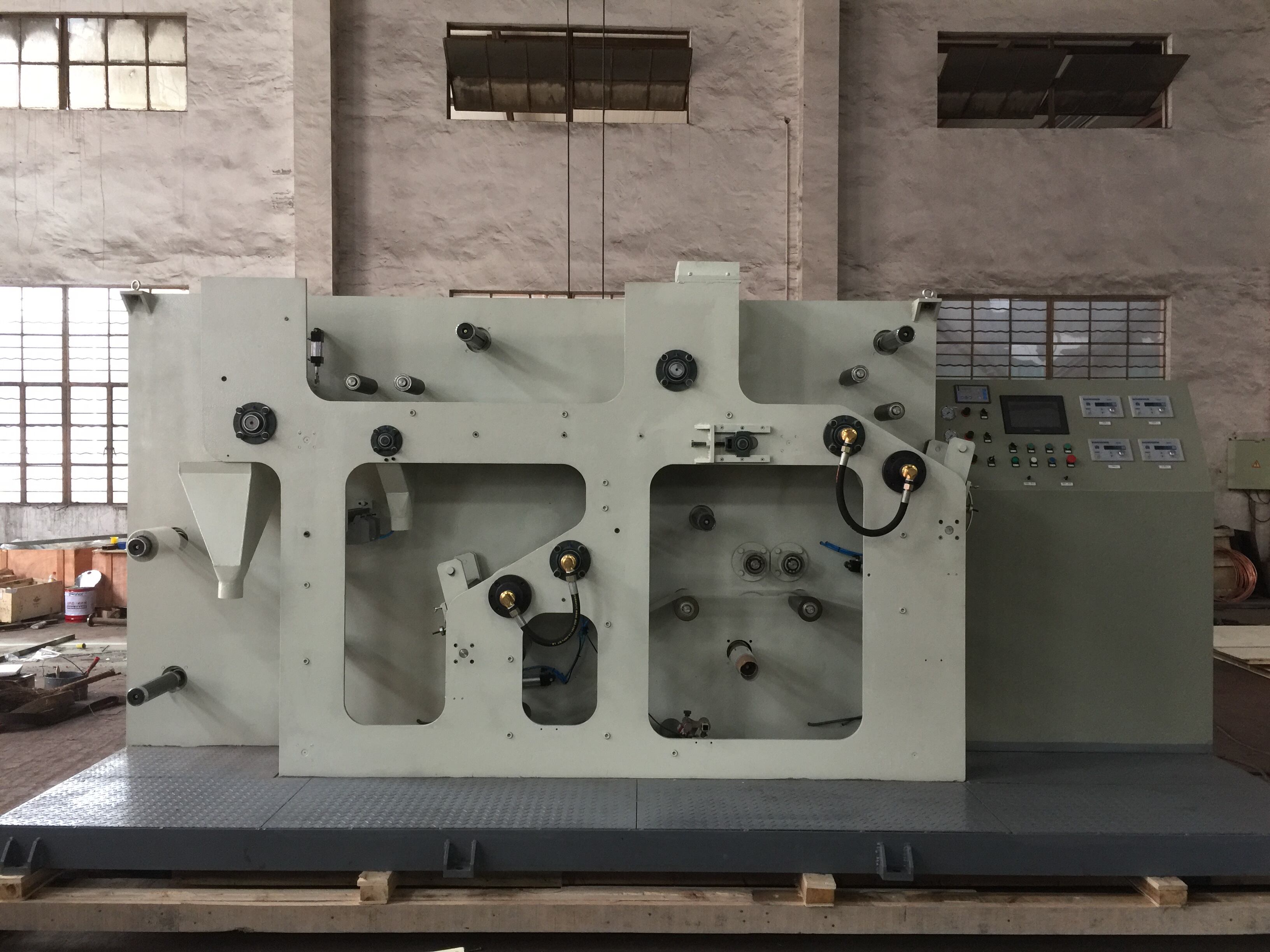
Product line manufacturing represents a comprehensive approach to industrial production that focuses on creating multiple related products through integrated systems and processes. This manufacturing methodology combines advanced automation technologies, streamlined workflows, and systematic quality control measures to deliver consistent, high-quality products across entire product families. The core functionality of product line manufacturing centers on establishing standardized production processes that can accommodate variations in product specifications while maintaining operational efficiency and cost-effectiveness. Modern product line manufacturing systems incorporate sophisticated technological features including computer-integrated manufacturing (CIM), automated material handling systems, real-time quality monitoring, and flexible production scheduling software. These technologies work together to create seamless production environments where multiple product variants can be manufactured simultaneously without compromising quality or efficiency. The manufacturing process utilizes modular production stations that can be quickly reconfigured to accommodate different product requirements, enabling manufacturers to respond rapidly to market demands and customer specifications. Quality assurance systems are embedded throughout the production line, utilizing sensors, cameras, and automated testing equipment to ensure each product meets predetermined standards before advancing to the next production stage. Applications of product line manufacturing span numerous industries including automotive, electronics, pharmaceuticals, consumer goods, and industrial equipment. In automotive manufacturing, this approach enables the production of multiple vehicle models on the same assembly line, allowing manufacturers to optimize resource utilization while meeting diverse customer preferences. Electronics manufacturers use product line manufacturing to produce various device configurations, from basic models to premium versions, using shared components and standardized assembly processes. The pharmaceutical industry employs this manufacturing approach to produce different formulations and dosages of medications while maintaining strict regulatory compliance and quality standards. Consumer goods manufacturers leverage product line manufacturing to create product families that share common features while offering distinct variations to target different market segments.

New Product Releases

Product line manufacturing delivers substantial cost savings through economies of scale and resource optimization. Companies implementing this approach reduce per-unit production costs by spreading fixed expenses across multiple products, maximizing equipment utilization, and minimizing setup times between different product runs. The standardized processes inherent in product line manufacturing eliminate redundant activities and reduce labor requirements, resulting in significant operational cost reductions. Quality consistency represents another major advantage, as standardized procedures and automated quality control systems ensure uniform product quality across the entire product line. This consistency builds customer trust and reduces warranty claims, support costs, and product returns. Manufacturing flexibility becomes a competitive advantage when companies can quickly adapt production schedules to meet changing market demands without extensive retooling or process modifications. The modular nature of product line manufacturing allows manufacturers to introduce new product variants rapidly, responding to customer feedback and market trends more effectively than traditional manufacturing approaches. Production efficiency increases dramatically through optimized workflows, reduced material handling, and streamlined logistics. Integrated systems minimize bottlenecks and ensure smooth material flow throughout the production process, resulting in shorter lead times and improved delivery performance. Inventory management becomes more efficient as common components can be shared across multiple products, reducing storage requirements and minimizing obsolete inventory risks. The data collection capabilities inherent in modern product line manufacturing systems provide valuable insights into production performance, quality trends, and operational efficiency. This information enables continuous improvement initiatives and data-driven decision making. Employee productivity improves as workers become proficient in standardized processes and can easily transition between different product variants without extensive retraining. The reduced complexity of individual operations allows for better training programs and improved worker satisfaction. Risk mitigation occurs naturally as diversified product lines reduce dependence on single products and provide stability during market fluctuations. Companies can maintain production volumes even when demand for specific products varies, ensuring consistent revenue streams and operational stability.

Latest News

Is a twin-screw extruder better for an HDPE production line output?

04

Dec

Is a twin-screw extruder better for an HDPE production line output?

Industrial automation has transformed manufacturing processes across countless industries, with pneumatic piston assembly technology serving as a cornerstone of modern mechanical systems. These precision-engineered components deliver reliable linear ...
View More
How does an HDPE production line ensure uniform sheet thickness at 2 mm?

17

Dec

How does an HDPE production line ensure uniform sheet thickness at 2 mm?

Manufacturing high-density polyethylene sheets with precise thickness control represents one of the most critical challenges in modern polymer processing. Achieving consistent 2 mm thickness across large sheet dimensions requires sophisticated engine...
View More
Does an APP membrane production line benefit from online reinforcement insertion?

22

Jan

Does an APP membrane production line benefit from online reinforcement insertion?

Modern waterproofing applications demand exceptional performance and reliability from modified bitumen membranes. The APP membrane production line represents a sophisticated manufacturing process that creates atactic polypropylene modified bitumen me...
View More
What causes edge curl in a pre-applied membrane production line output?

06

Feb

What causes edge curl in a pre-applied membrane production line output?

Edge curl is one of the most challenging defects encountered in waterproofing membrane manufacturing, particularly affecting the quality and performance of finished products from a pre-applied membrane production line. This manufacturing anomaly occu...
View More

Get a Free Quote

Our representative will contact you soon.
Email
Name
Company Name
Message
0/1000
Attachment
Please upload at least an attachment
Up to 3 files,more 30mb,suppor jpg、jpeg、png、pdf、doc、docx、xls、xlsx、csv、txt

product line manufacturing

Advanced Automation Integration for Maximum Efficiency

Advanced Automation Integration for Maximum Efficiency

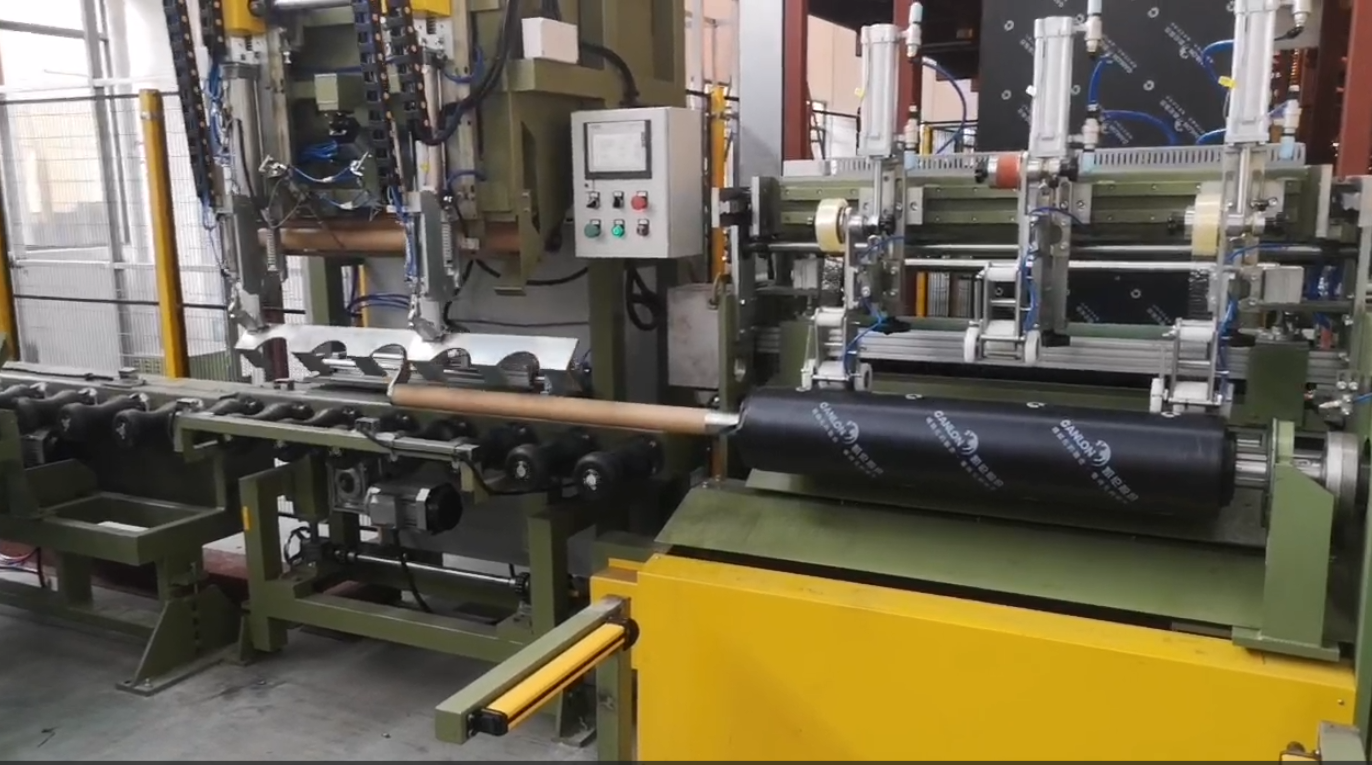
Product line manufacturing revolutionizes production efficiency through sophisticated automation integration that transforms traditional manufacturing environments into intelligent, self-optimizing systems. This comprehensive automation approach encompasses every aspect of the production process, from raw material handling to final product packaging and distribution. The foundation of this automation lies in interconnected robotics systems that perform precision tasks with remarkable consistency and speed, eliminating human error while dramatically increasing throughput rates. These robotic systems are equipped with advanced sensors and machine learning capabilities that allow them to adapt to variations in materials, environmental conditions, and product specifications without human intervention. The integration extends beyond individual robots to encompass entire production ecosystems where automated guided vehicles transport materials between stations, robotic arms perform assembly operations, and computer vision systems conduct real-time quality inspections. Manufacturing execution systems coordinate these automated components, ensuring optimal scheduling and resource allocation while maintaining perfect synchronization across all production activities. The automation infrastructure includes predictive maintenance capabilities that monitor equipment performance continuously, identifying potential issues before they cause production disruptions. This proactive approach minimizes downtime and extends equipment lifespan, contributing to overall operational efficiency and cost reduction. Advanced data analytics systems collect and analyze production data in real-time, providing insights that drive continuous improvement initiatives and optimize production parameters automatically. The automation integration also facilitates seamless communication between different production stages, ensuring that downstream processes are prepared for incoming materials and can adjust parameters based on upstream conditions. This level of integration creates a production environment where efficiency gains compound throughout the manufacturing process, resulting in significant improvements in overall equipment effectiveness, reduced labor costs, and enhanced product quality consistency across the entire product line manufacturing operation.
Flexible Manufacturing Systems for Rapid Market Response

Flexible Manufacturing Systems for Rapid Market Response

Product line manufacturing incorporates flexible manufacturing systems that enable unprecedented responsiveness to market changes and customer demands while maintaining operational efficiency and cost-effectiveness. These systems are designed with modularity at their core, featuring reconfigurable production stations that can be quickly adapted to accommodate new product specifications, design changes, or varying production volumes without requiring extensive downtime or capital investment. The flexibility extends to equipment configuration, where production lines can be modified through software programming rather than physical reconfiguration, allowing manufacturers to switch between different product variants within minutes rather than hours or days. This rapid changeover capability is particularly valuable in markets characterized by short product lifecycles, seasonal demand variations, or customization requirements. The manufacturing systems utilize universal tooling and fixtures that can accommodate multiple product designs, reducing the need for specialized equipment and minimizing inventory requirements for production accessories. Advanced scheduling software optimizes production sequences to minimize changeover times and maximize equipment utilization while ensuring delivery commitments are met consistently. The flexibility also encompasses supply chain integration, where manufacturing systems can automatically adjust to material availability, supplier changes, or quality variations without disrupting production schedules. Quality control systems within flexible manufacturing environments can adapt their inspection parameters and testing procedures based on product specifications, ensuring that quality standards are maintained regardless of product variations. Worker training programs are designed to support this flexibility by developing multi-skilled operators who can work across different production areas and product lines efficiently. The economic benefits of flexible manufacturing systems become apparent through reduced inventory carrying costs, improved customer satisfaction due to shorter lead times, and the ability to capitalize on market opportunities quickly. These systems also provide risk mitigation benefits by enabling manufacturers to diversify their production capabilities and reduce dependence on single products or markets, creating more resilient and adaptable manufacturing operations.
Comprehensive Quality Management Throughout Production

Comprehensive Quality Management Throughout Production

Product line manufacturing implements comprehensive quality management systems that ensure consistent product excellence while optimizing production efficiency and reducing waste throughout the manufacturing process. This quality management approach integrates multiple layers of inspection, testing, and verification procedures that operate continuously during production, identifying and correcting quality issues immediately rather than detecting problems after completion. The foundation of this quality system lies in statistical process control methods that monitor key production parameters in real-time, using advanced sensors and measurement devices to track dimensional accuracy, material properties, and assembly tolerances continuously. Automated inspection systems utilize machine vision technology, laser measurement, and coordinate measuring machines to perform detailed quality checks at multiple stages of production, ensuring that each component and assembly meets specified requirements before advancing to subsequent operations. The quality management system incorporates supplier quality programs that extend quality standards upstream to material and component suppliers, creating end-to-end quality assurance throughout the supply chain. Advanced data analytics examine quality trends and patterns, identifying root causes of quality variations and enabling proactive corrective actions that prevent defects before they occur. Employee training programs ensure that quality responsibilities are understood and implemented consistently across all production areas, creating a culture of quality consciousness that supports continuous improvement initiatives. The quality management system includes comprehensive documentation and traceability capabilities that track each product through every production stage, enabling rapid identification and containment of quality issues if they arise. Corrective action processes are integrated into the quality system, ensuring that quality improvements are implemented systematically and their effectiveness is verified through ongoing monitoring. Customer feedback mechanisms are incorporated into the quality management framework, providing direct input about product performance and satisfaction that drives quality improvement priorities. The economic impact of comprehensive quality management extends beyond defect prevention to include reduced warranty costs, improved customer loyalty, enhanced brand reputation, and increased operational efficiency through reduced rework and scrap rates throughout product line manufacturing operations.
Advanced Product Line Manufacturing Solutions: Streamlined Production Systems for Enhanced Efficiency

Get a Free Quote

Our representative will contact you soon.
Email
Name
Company Name
Message
0/1000
Attachment
Please upload at least an attachment
Up to 3 files,more 30mb,suppor jpg、jpeg、png、pdf、doc、docx、xls、xlsx、csv、txt