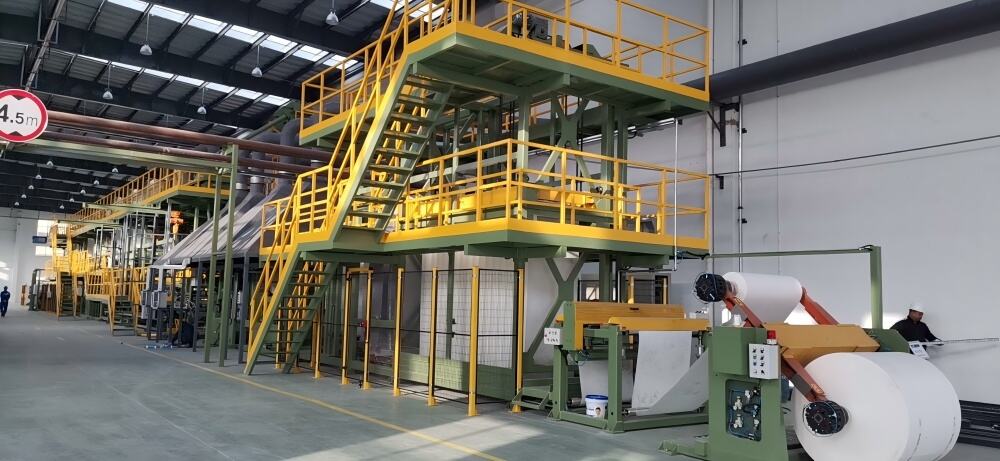
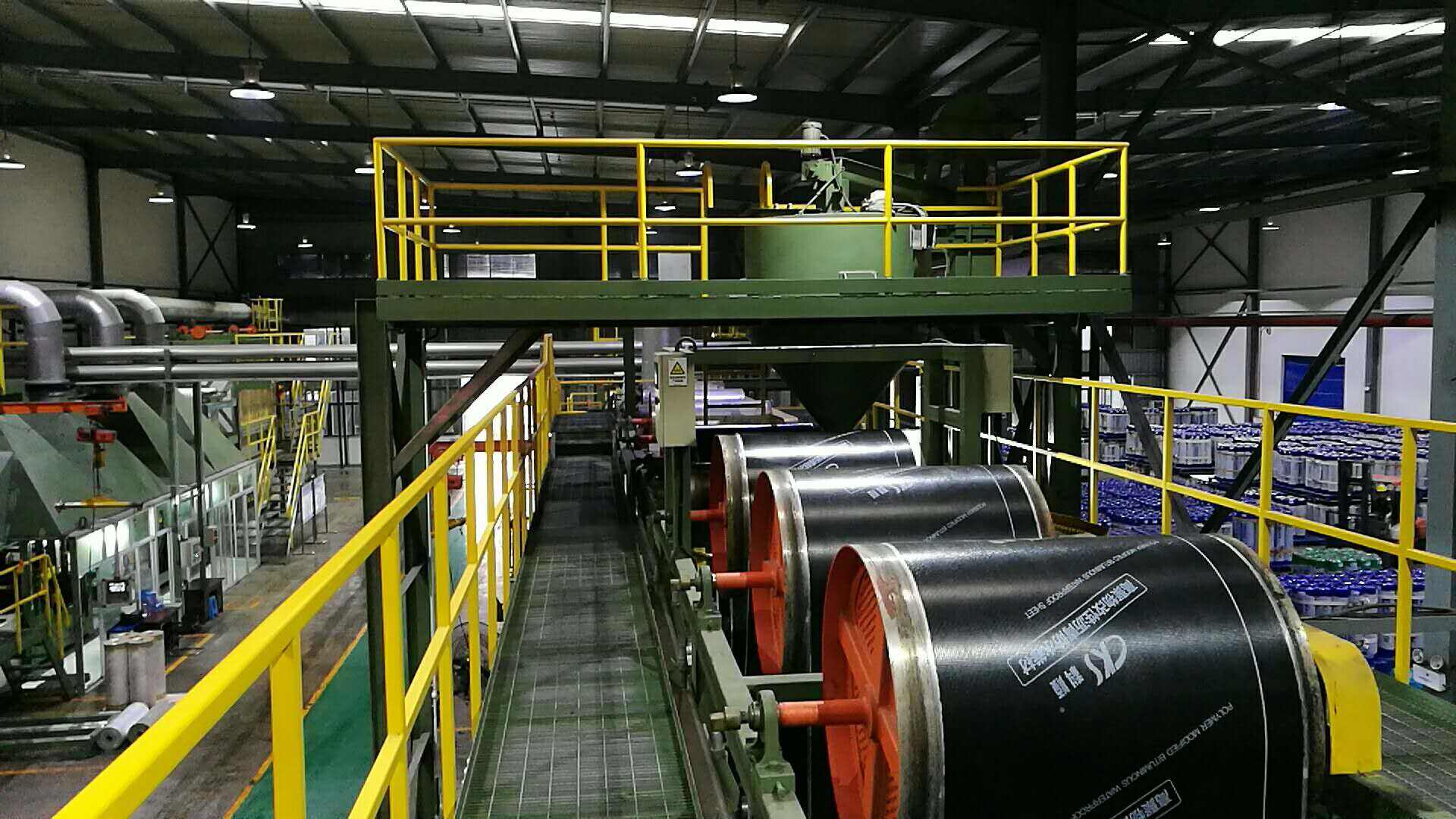
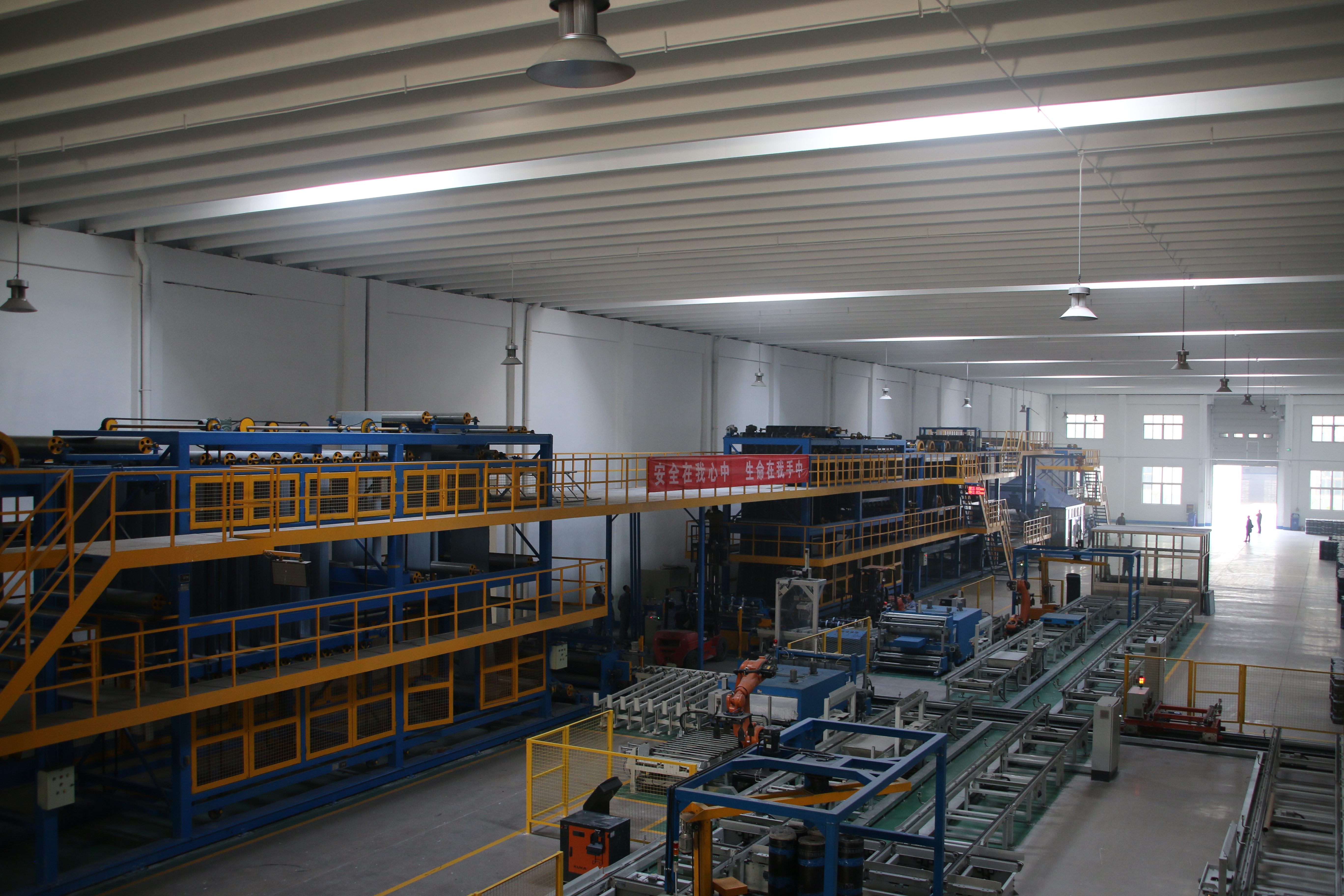
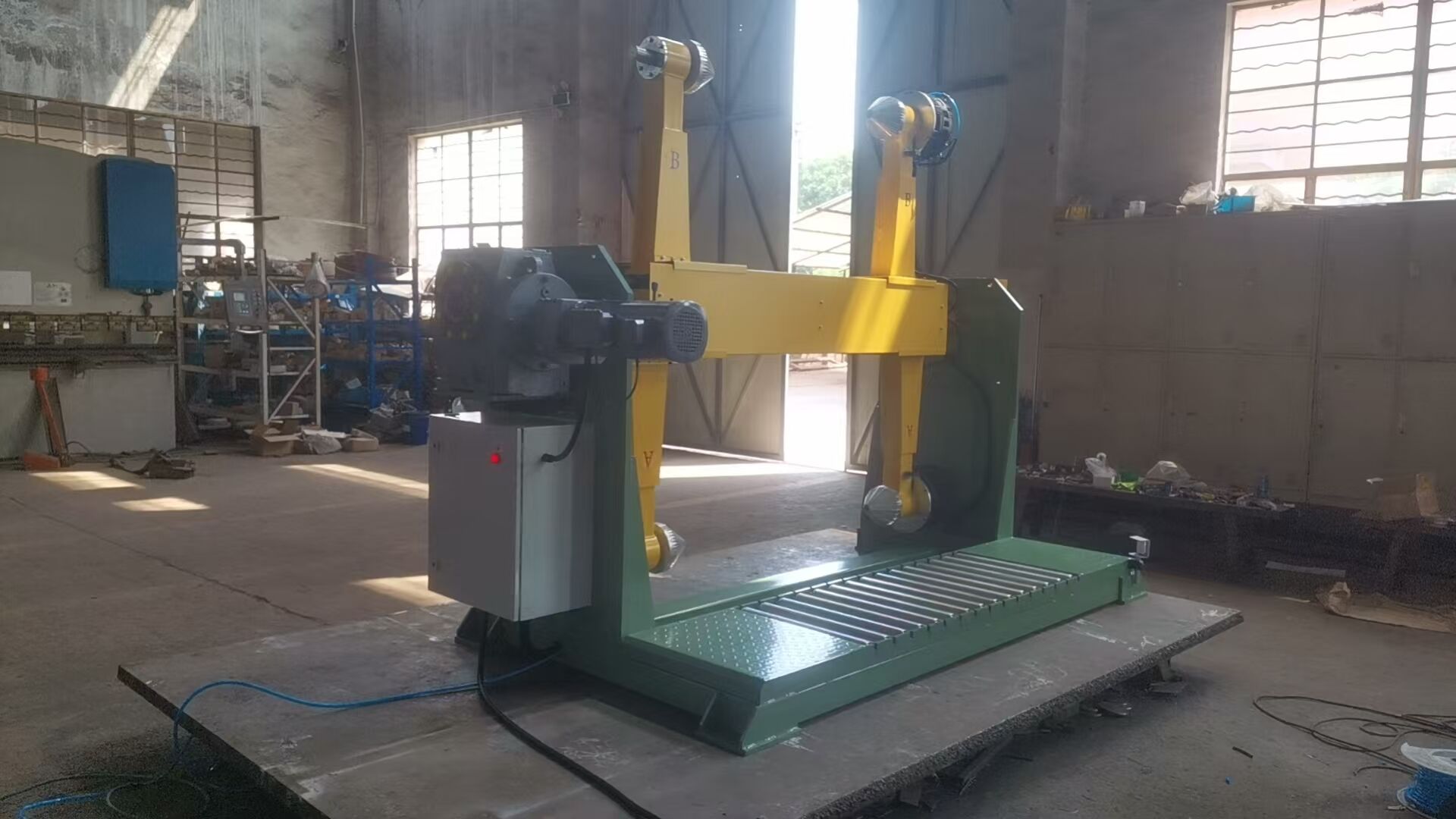
Professional Waterproofing Membrane Equipment - Advanced Manufacturing Solutions

All Categories

Get a Free Quote

Our representative will contact you soon.
Email
Name
Company Name
Message
0/1000
Attachment
Please upload at least an attachment
Up to 3 files,more 30mb,suppor jpg、jpeg、png、pdf、doc、docx、xls、xlsx、csv、txt

waterproofing membrane equipment

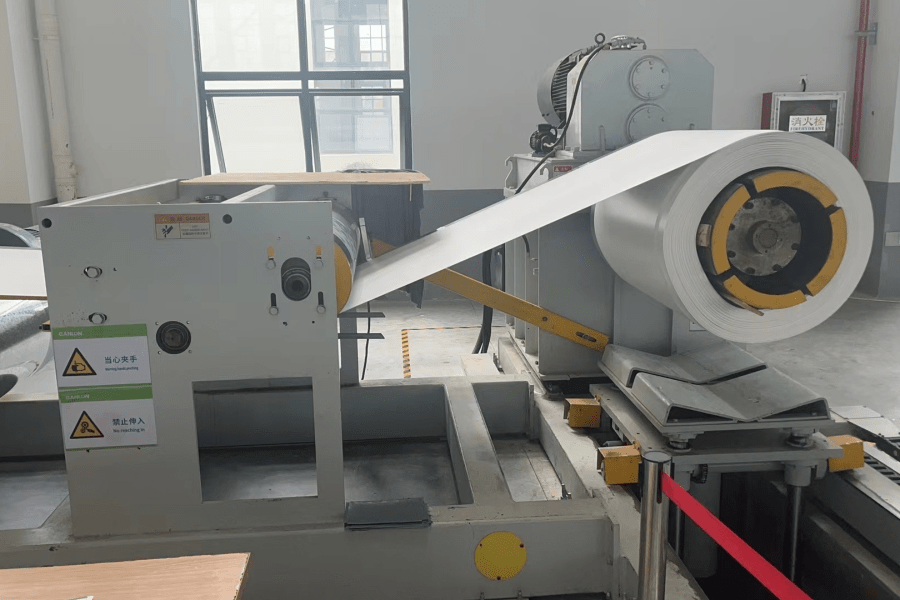
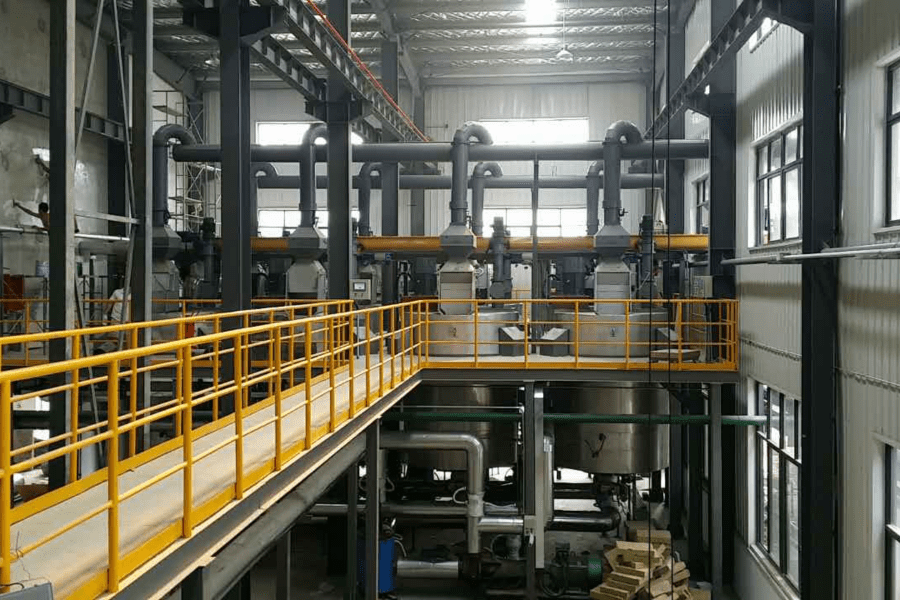
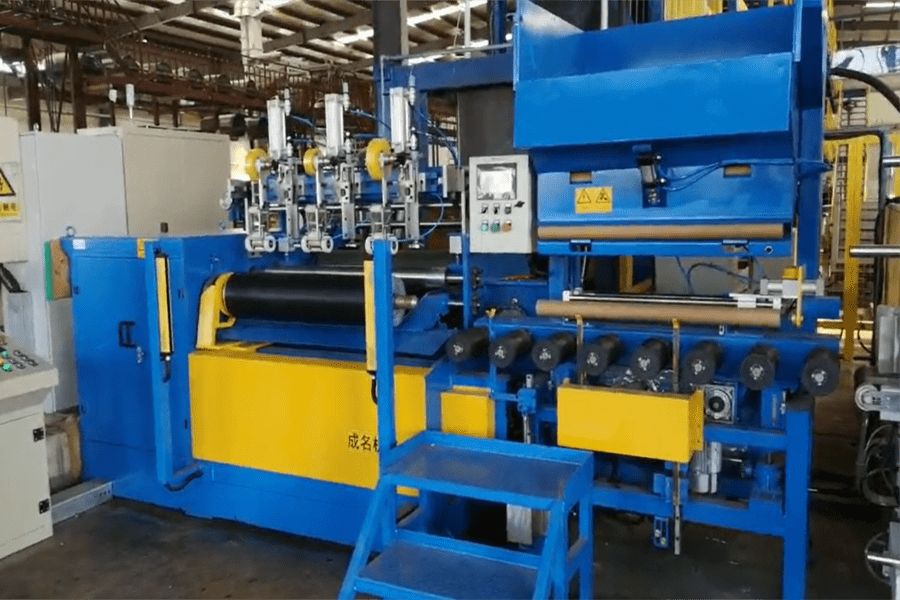
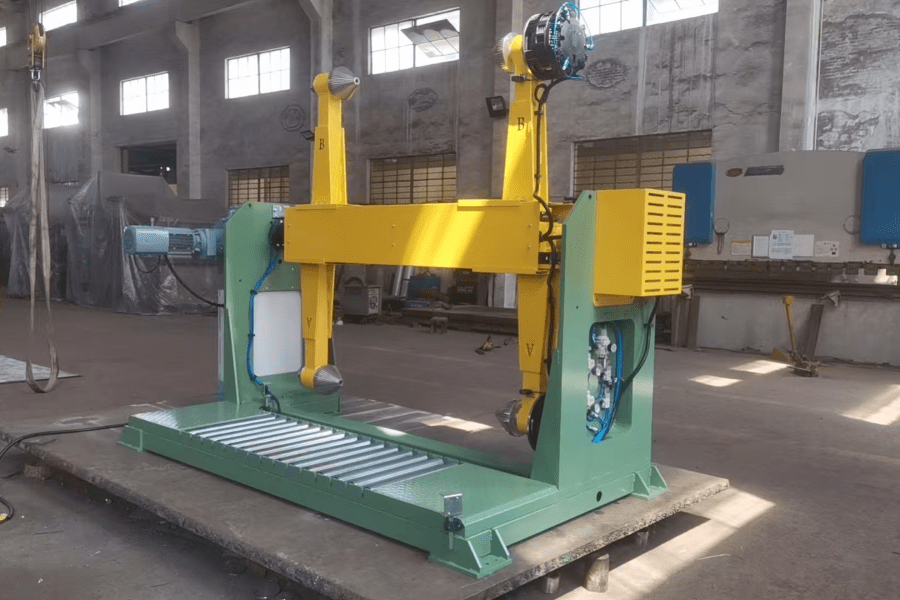
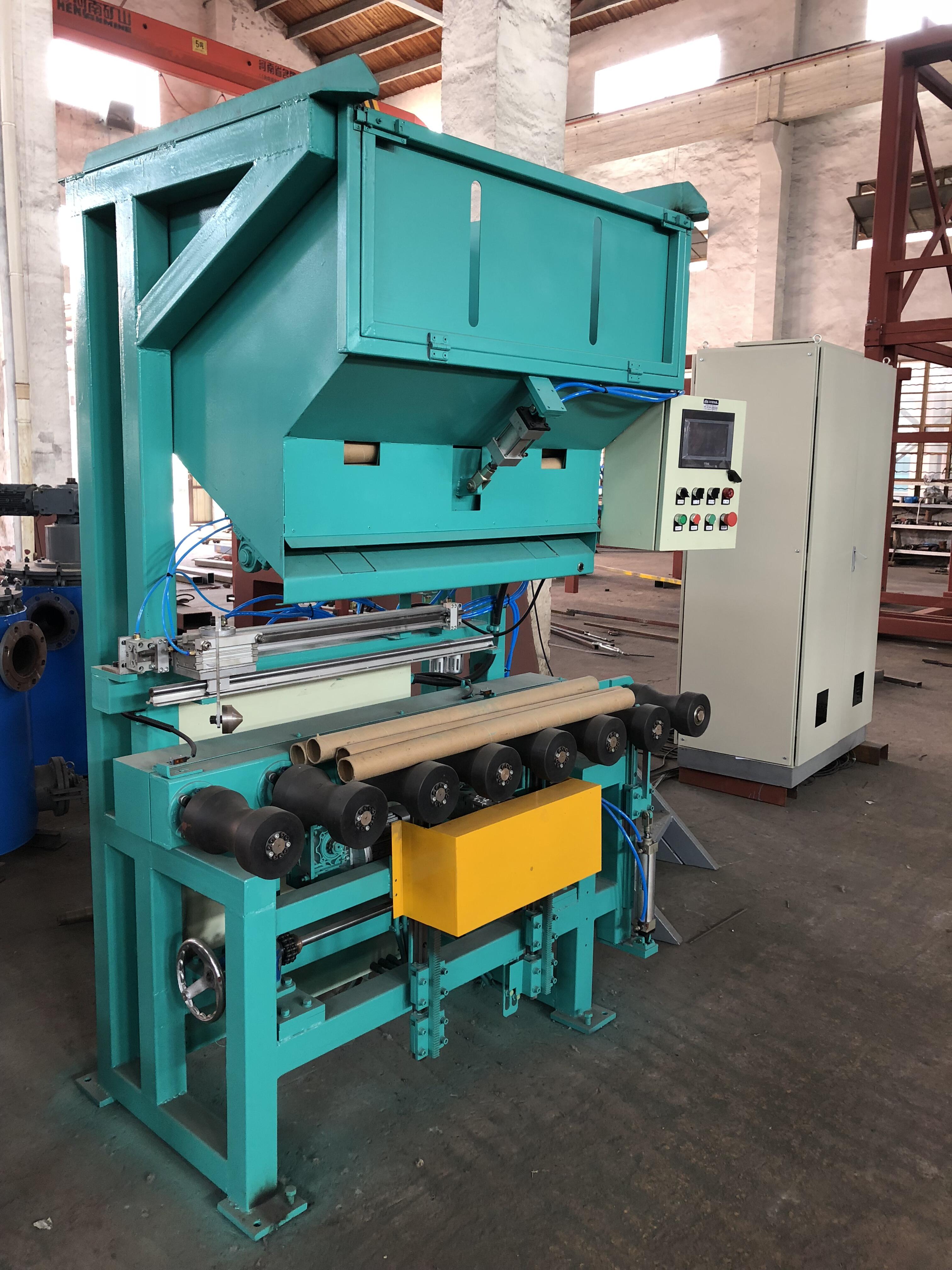
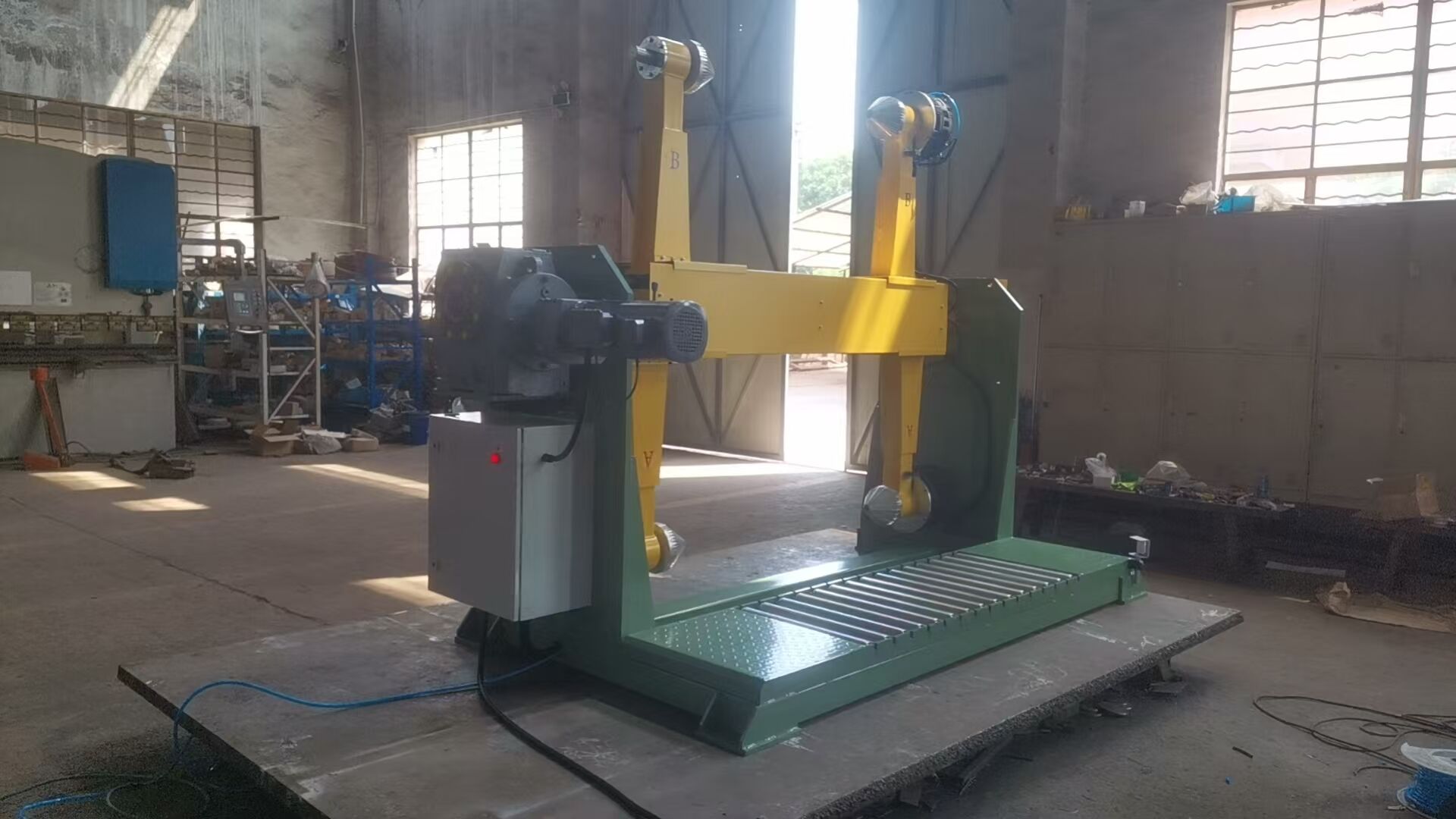
Waterproofing membrane equipment represents a critical solution for protecting structures from water damage and moisture infiltration. This specialized machinery produces high-quality protective barriers that prevent water penetration in various construction and industrial applications. Modern waterproofing membrane equipment utilizes advanced manufacturing processes to create durable, flexible materials that maintain their integrity under extreme weather conditions and structural movements. The primary function of waterproofing membrane equipment involves transforming raw materials into seamless protective layers through sophisticated heating, pressing, and coating technologies. These systems integrate multiple production stages, including material preparation, temperature control, thickness regulation, and quality monitoring to ensure consistent output specifications. The technological features of waterproofing membrane equipment include precision temperature management systems that maintain optimal processing conditions throughout production cycles. Advanced control panels enable operators to monitor real-time parameters such as material flow rates, pressure levels, and curing temperatures. Many modern units incorporate automated feeding mechanisms that reduce manual intervention while maintaining production efficiency. The equipment typically features robust steel construction designed to withstand continuous operation in demanding industrial environments. Applications for waterproofing membrane equipment span numerous industries including residential construction, commercial building projects, infrastructure development, and specialized industrial facilities. Construction companies utilize this equipment to produce membranes for basement waterproofing, roof protection, and foundation sealing applications. Infrastructure projects benefit from custom membrane production for bridge decks, tunnel linings, and parking garage installations. The versatility of waterproofing membrane equipment allows manufacturers to produce various membrane types including modified bitumen systems, thermoplastic polyolefin materials, and ethylene propylene diene monomer formulations. This adaptability ensures compatibility with diverse project requirements and environmental conditions, making waterproofing membrane equipment an essential investment for companies seeking reliable moisture protection solutions.

New Products

Waterproofing membrane equipment delivers substantial cost savings by enabling in-house production of protective materials rather than purchasing expensive pre-manufactured products. Companies can reduce material costs by up to 40 percent while maintaining complete control over production schedules and quality standards. This equipment eliminates dependency on external suppliers, preventing project delays caused by material shortages or delivery issues. The financial benefits extend beyond initial cost reductions as businesses can generate additional revenue streams by offering custom membrane production services to other contractors and construction companies. Quality control represents another significant advantage of waterproofing membrane equipment ownership. Operators can adjust material specifications, thickness variations, and performance characteristics to meet specific project requirements that standard commercial products cannot accommodate. This customization capability proves particularly valuable for complex architectural designs or specialized industrial applications requiring unique membrane properties. The ability to conduct immediate quality testing ensures consistent material performance and reduces the risk of field failures that could result in expensive remediation work. Production efficiency gains from waterproofing membrane equipment create competitive advantages in project bidding and execution timelines. Modern equipment can produce large quantities of membrane materials in shorter timeframes compared to traditional sourcing methods. This rapid production capability allows companies to respond quickly to urgent project demands and maintain flexible scheduling arrangements with clients. The streamlined manufacturing process also reduces material waste through precise measurement systems and automated cutting technologies. Environmental benefits emerge from localized production using waterproofing membrane equipment as transportation requirements decrease significantly when materials are manufactured on-site or nearby facilities. Reduced shipping distances lower carbon footprints while supporting sustainability initiatives that many modern construction projects prioritize. The equipment enables recycling of production waste materials, further enhancing environmental responsibility. Energy-efficient designs in contemporary waterproofing membrane equipment minimize power consumption while maintaining optimal production output. Technical support advantages include access to specialized training programs and maintenance services that equipment manufacturers provide to ensure optimal performance. Skilled technicians can troubleshoot issues quickly, minimizing downtime and maintaining consistent production schedules. Regular maintenance programs extend equipment lifespan while preserving product quality standards throughout years of operation.

Latest News

Is a twin-screw extruder better for an HDPE production line output?

04

Dec

Is a twin-screw extruder better for an HDPE production line output?

Industrial automation has transformed manufacturing processes across countless industries, with pneumatic piston assembly technology serving as a cornerstone of modern mechanical systems. These precision-engineered components deliver reliable linear ...
View More
Is a twin-screw extruder better for an HDPE production line output?

22

Jan

Is a twin-screw extruder better for an HDPE production line output?

The manufacturing industry continues to evolve with advanced machinery designed to optimize production efficiency and product quality. Among the most critical decisions manufacturers face is selecting the appropriate extrusion technology for their sp...
View More
How does an asphalt shingle cutter maintain ±0.5 mm accuracy at high speed?

22

Jan

How does an asphalt shingle cutter maintain ±0.5 mm accuracy at high speed?

Achieving precise cutting accuracy in asphalt shingle manufacturing requires sophisticated machinery that can maintain dimensional tolerances while operating at industrial speeds. Modern asphalt shingle cutter systems integrate advanced servo control...
View More
Modified Bitumen Waterproofing Membrane Life Expectancy

06

Feb

Modified Bitumen Waterproofing Membrane Life Expectancy

Modified bitumen waterproofing systems represent one of the most durable and reliable solutions for commercial and residential roofing applications. Understanding the life expectancy of these advanced membrane systems is crucial for property owners, ...
View More

Get a Free Quote

Our representative will contact you soon.
Email
Name
Company Name
Message
0/1000
Attachment
Please upload at least an attachment
Up to 3 files,more 30mb,suppor jpg、jpeg、png、pdf、doc、docx、xls、xlsx、csv、txt

waterproofing membrane equipment

Advanced Temperature Control Systems for Optimal Performance

Advanced Temperature Control Systems for Optimal Performance

The sophisticated temperature control systems integrated within modern waterproofing membrane equipment represent a revolutionary advancement in membrane manufacturing technology. These precision-engineered systems maintain exact thermal conditions throughout every stage of the production process, ensuring consistent material properties and superior end-product quality. The multi-zone heating elements distribute thermal energy uniformly across the entire production width, eliminating hot spots and cold zones that could compromise membrane integrity. Advanced sensors continuously monitor temperature variations with accuracy levels reaching within one degree Celsius, automatically adjusting heating elements to maintain optimal processing conditions. This precise temperature management proves essential for achieving proper material fusion, chemical bonding, and molecular structure formation that determines long-term membrane performance. The control systems feature programmable logic controllers that store multiple temperature profiles for different membrane types and specifications. Operators can quickly switch between production parameters when manufacturing various membrane grades, reducing setup times and minimizing material waste during transitions. Digital displays provide real-time temperature readings from multiple monitoring points, enabling immediate detection of any deviations from specified parameters. Emergency shutdown systems activate automatically when temperatures exceed safe operating ranges, protecting both equipment and personnel while preventing material damage. The energy-efficient design of these temperature control systems incorporates heat recovery technologies that capture and reuse thermal energy, reducing overall power consumption by up to 25 percent compared to conventional heating methods. Insulation systems minimize heat loss to surrounding environments, maintaining consistent internal temperatures while reducing external surface temperatures for improved operator safety. Remote monitoring capabilities allow supervisors to track temperature conditions from central control rooms, enabling proactive maintenance scheduling and optimal production planning. The reliability of these temperature control systems directly impacts product quality, as improper thermal conditions can result in membrane defects such as poor adhesion, inadequate thickness uniformity, or compromised chemical resistance properties that could lead to premature failure in field applications.
Precision Thickness Control for Consistent Material Quality

Precision Thickness Control for Consistent Material Quality

Precision thickness control technology represents one of the most critical features of modern waterproofing membrane equipment, directly influencing product performance, material costs, and application success rates. Advanced gauge control systems utilize laser measurement technology and pneumatic adjustment mechanisms to maintain exact thickness specifications across the entire membrane width with tolerances as tight as plus or minus 0.1 millimeters. This exceptional precision ensures uniform material properties throughout each production run, eliminating weak points that could compromise waterproofing effectiveness. The automated thickness monitoring system continuously scans the membrane surface using non-contact measurement devices that provide instant feedback to control systems. When thickness variations are detected, the equipment automatically adjusts die gap settings, material flow rates, or processing speeds to restore proper specifications without interrupting production flow. This real-time correction capability prevents the production of off-specification materials that would require costly rework or disposal. Digital thickness profiles can be stored and recalled for different membrane types, enabling rapid changeovers between products while maintaining consistent quality standards. The precision control system compensates for material property variations, ambient temperature changes, and equipment wear patterns that could affect thickness uniformity over time. Crown control mechanisms adjust the die gap profile across the web width to counteract material flow characteristics and produce perfectly flat membranes without edge thickness variations. Quality documentation systems automatically record thickness measurements throughout production runs, creating detailed quality records for customer specifications and regulatory compliance requirements. Statistical process control algorithms analyze thickness data trends to predict potential quality issues before they occur, enabling preventive maintenance and process optimization. The economic benefits of precision thickness control include reduced material consumption through elimination of over-thickness production, improved yield rates, and enhanced customer satisfaction through consistent product quality. Installation advantages result from uniform thickness properties that ensure predictable application characteristics, reduced labor requirements, and fewer field quality issues that could delay project completion or require expensive remediation work.
Automated Production Systems for Enhanced Efficiency

Automated Production Systems for Enhanced Efficiency

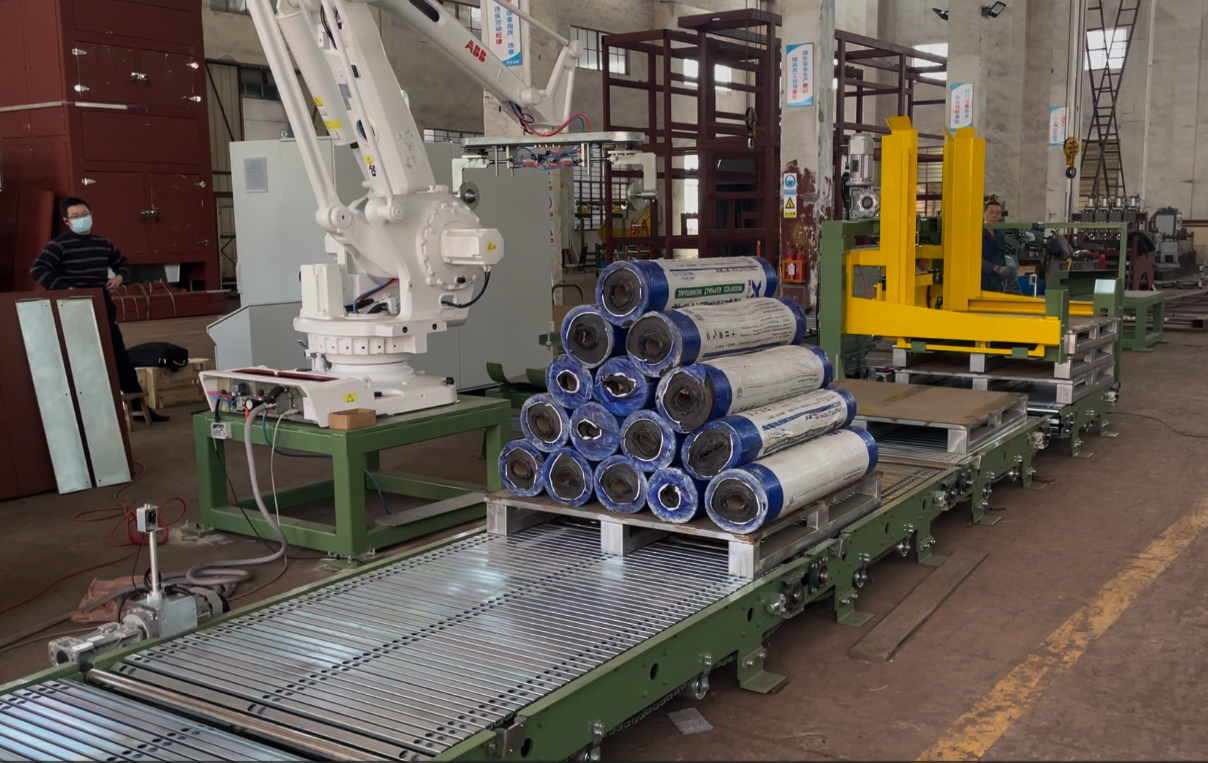
Automated production systems integrated into modern waterproofing membrane equipment revolutionize manufacturing efficiency while maintaining superior quality standards and operator safety protocols. These sophisticated automation technologies coordinate multiple production processes simultaneously, including material feeding, temperature regulation, pressure control, and finished product handling through programmable logic controllers and advanced sensor networks. The automated material handling systems eliminate manual lifting and positioning of heavy raw materials, reducing workplace injury risks while ensuring consistent material placement accuracy. Robotic feeding mechanisms deliver precise quantities of base materials, additives, and reinforcement components according to predetermined formulations, eliminating human error and material waste. The production line automation includes automatic roll changing systems that minimize downtime during material roll transitions, maintaining continuous production flow and maximizing equipment utilization rates. Quality control automation incorporates inline inspection systems that detect surface defects, thickness variations, and material property deviations in real-time. Automated rejection systems remove defective materials from the production line without operator intervention, preventing quality issues from propagating downstream. Digital production monitoring systems track key performance indicators including production rates, material consumption, energy usage, and quality metrics through centralized dashboard displays. Predictive maintenance algorithms analyze equipment performance data to schedule maintenance activities before component failures occur, reducing unplanned downtime and extending equipment service life. The automation systems feature user-friendly touch screen interfaces that simplify operation while providing comprehensive production data and diagnostic information. Remote connectivity options enable off-site monitoring and technical support, allowing equipment manufacturers to provide immediate assistance when needed. Safety interlocks and emergency stop systems ensure operator protection while maintaining production continuity during normal operations. The efficiency gains from automated waterproofing membrane equipment include increased production speeds, reduced labor requirements, improved material utilization, and enhanced product consistency. These automation benefits translate directly into competitive advantages through lower production costs, faster delivery times, and superior product quality that meets or exceeds customer expectations while supporting long-term business growth and market expansion opportunities.
Professional Waterproofing Membrane Equipment - Advanced Manufacturing Solutions

Get a Free Quote

Our representative will contact you soon.
Email
Name
Company Name
Message
0/1000
Attachment
Please upload at least an attachment
Up to 3 files,more 30mb,suppor jpg、jpeg、png、pdf、doc、docx、xls、xlsx、csv、txt