 EN
EN
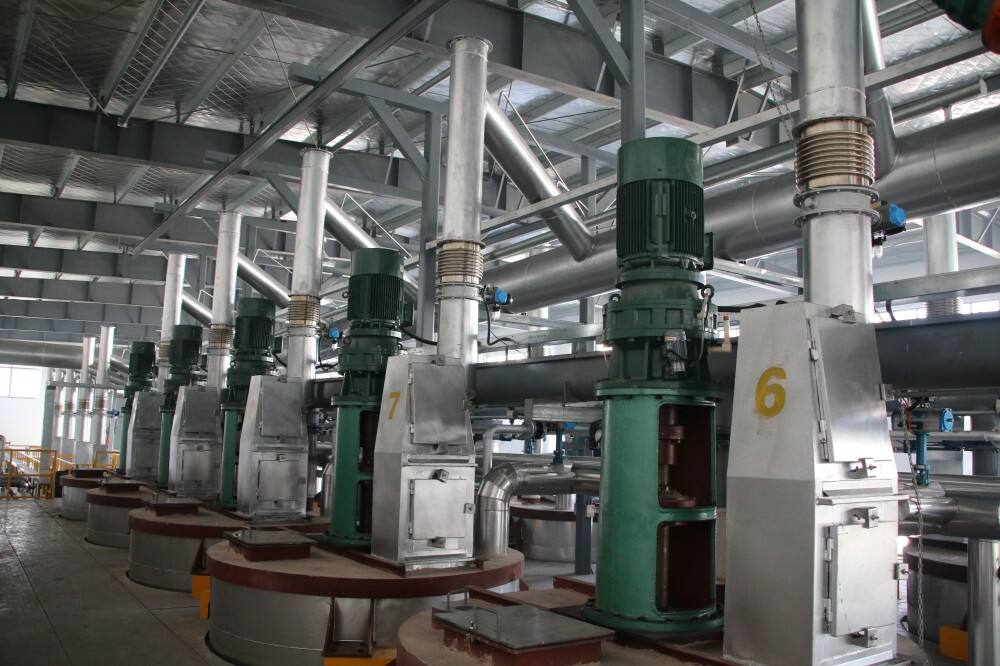
The global manufacturing landscape has witnessed unprecedented growth in membrane technology applications across water treatment, pharmaceutical processing, food and beverage industries, and energy sectors. As demand for high-quality filtration and separation solutions continues to surge, selecting the right membrane production line becomes a critical business decision that directly impacts product quality, operational efficiency, and long-term profitability. Modern membrane manufacturing requires sophisticated equipment capable of producing consistent, reliable products while maintaining strict quality standards and regulatory compliance.
Understanding Membrane Manufacturing Technology
Core Production Processes
Membrane manufacturing encompasses several sophisticated production methodologies, each designed to create specific membrane types with distinct characteristics. Phase inversion techniques represent the most widely adopted approach, involving polymer dissolution, film casting, and controlled precipitation to achieve desired porosity and selectivity. This process requires precise temperature control, solvent management, and timing coordination to ensure consistent membrane properties across entire production runs.
Thermally induced phase separation offers an alternative methodology particularly suitable for creating microporous structures with enhanced mechanical strength. This technique leverages temperature gradients to induce polymer phase transitions, resulting in membranes with superior durability and chemical resistance. Advanced production lines incorporate real-time monitoring systems that continuously track temperature profiles, ensuring optimal conditions throughout the manufacturing cycle.
Material Selection and Processing
Contemporary membrane manufacturing utilizes diverse polymer materials including polyvinylidene fluoride, polyethersulfone, polysulfone, and specialized ceramic composites. Each material presents unique processing requirements, demanding specialized equipment configurations and parameter optimization. Production lines must accommodate varying viscosity ranges, temperature sensitivities, and chemical compatibilities while maintaining consistent output quality.
Raw material preparation involves precise mixing, degassing, and filtration procedures that eliminate contaminants and ensure homogeneous polymer solutions. Automated dosing systems maintain exact stoichiometric ratios, while integrated quality control mechanisms verify material specifications before production initiation. This systematic approach minimizes batch variations and ensures reproducible membrane characteristics across extended production campaigns.
Advanced Equipment Technologies
Casting and Formation Systems
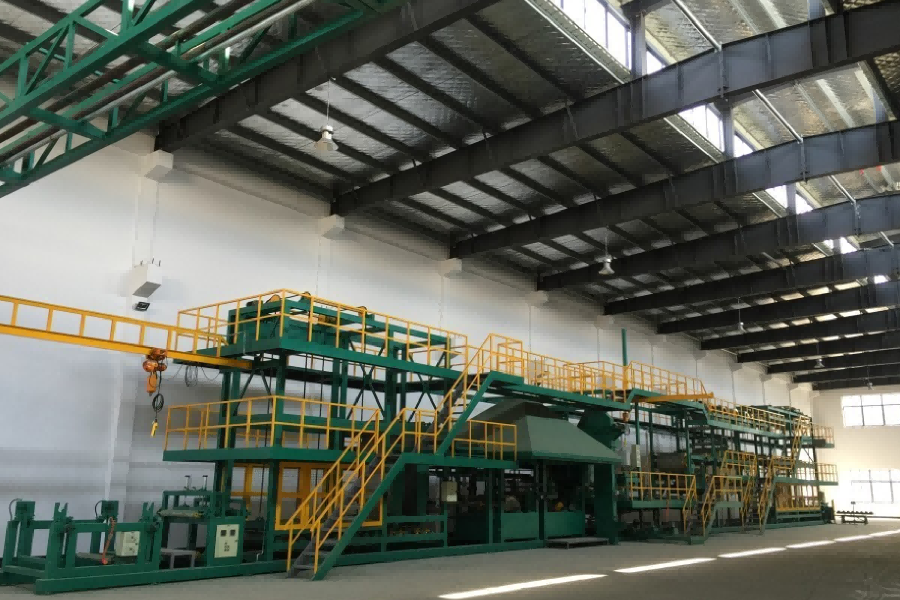
Modern membrane production line equipment incorporates precision casting systems capable of producing uniform film thickness across wide substrate areas. Slot-die coating technology enables continuous membrane formation with exceptional thickness control, typically achieving variations within plus or minus two micrometers. These systems feature adjustable gap heights, variable coating speeds, and temperature-controlled casting surfaces that accommodate different membrane formulations.
Multi-layer casting capabilities allow simultaneous deposition of different polymer solutions, creating composite membranes with tailored properties throughout their cross-sectional structure. Sophisticated flow distribution systems ensure uniform polymer delivery across entire casting widths, while precision doctor blades eliminate surface irregularities and maintain consistent film profiles. Advanced control algorithms automatically adjust casting parameters based on real-time thickness measurements and material flow characteristics.
Coagulation and Solidification Technologies
Controlled coagulation processes represent critical stages in membrane formation, requiring precise management of solvent exchange rates and precipitation kinetics. Modern production systems utilize multi-stage coagulation baths with independently controlled temperature, composition, and residence time parameters. These systems enable fine-tuning of membrane pore structure, surface properties, and mechanical characteristics through systematic manipulation of coagulation conditions.
Continuous washing and solvent removal stages eliminate residual chemicals and prepare membranes for subsequent processing steps. Counter-current washing systems maximize solvent removal efficiency while minimizing water consumption and waste generation. Integrated monitoring systems track solvent concentrations, pH levels, and conductivity values, ensuring complete purification before membrane drying and final treatment procedures.
Quality Control and Testing Integration
Real-Time Monitoring Systems
Contemporary membrane production incorporates comprehensive quality monitoring throughout entire manufacturing processes. In-line thickness measurement systems utilize laser-based technologies to provide continuous feedback on film uniformity, enabling immediate process adjustments when deviations occur. Automated defect detection systems employ high-resolution imaging to identify surface irregularities, pinholes, or contamination that could compromise membrane performance.
Pore size analysis equipment provides real-time assessment of membrane selectivity characteristics, ensuring products meet specified separation requirements. These systems utilize bubble point testing, mercury intrusion porosimetry, or advanced imaging techniques to characterize pore size distributions and surface morphology. Data integration platforms compile quality metrics from multiple monitoring points, generating comprehensive quality profiles for each production batch.
Performance Validation Protocols
Systematic performance testing validates membrane characteristics against established specifications and customer requirements. Flux testing equipment measures water permeability rates under standardized conditions, while rejection testing evaluates separation efficiency for specific contaminants or molecular species. These protocols ensure consistent product performance and regulatory compliance across diverse application environments.
Accelerated aging studies simulate long-term membrane performance under various operating conditions, providing valuable insights into product durability and service life expectations. Environmental stress testing evaluates membrane stability under extreme temperature, pressure, and chemical exposure conditions. This comprehensive validation approach ensures reliable product performance throughout anticipated service lifespans.
Automation and Process Control
Integrated Control Systems
Advanced membrane production facilities leverage sophisticated automation platforms that coordinate multiple process variables simultaneously. Distributed control systems enable centralized monitoring and adjustment of temperature profiles, flow rates, chemical concentrations, and mechanical parameters across entire production lines. These systems incorporate predictive algorithms that anticipate process variations and implement preemptive corrections before quality deviations occur.
Human-machine interfaces provide intuitive operator control while maintaining detailed process documentation for quality assurance and regulatory compliance. Recipe management systems store optimized parameter sets for different membrane types, enabling rapid production changeovers with minimal setup time. Advanced alarm systems alert operators to potential issues while automated safety interlocks prevent equipment damage and ensure personnel protection.
Data Analytics and Optimization
Modern production systems generate extensive operational data that enables continuous process improvement through statistical analysis and machine learning applications. Trend analysis identifies subtle process variations that may impact product quality, while correlation studies reveal relationships between process parameters and membrane characteristics. This data-driven approach enables systematic optimization of production efficiency and product consistency.
Predictive maintenance algorithms analyze equipment performance patterns to anticipate maintenance requirements before failures occur. Vibration monitoring, thermal imaging, and lubricant analysis provide early warning indicators of potential equipment issues. This proactive approach minimizes unplanned downtime and ensures consistent production capacity while reducing maintenance costs and extending equipment service life.
Environmental Considerations and Sustainability
Waste Minimization Strategies
Contemporary membrane production emphasizes environmental responsibility through comprehensive waste reduction and resource conservation initiatives. Solvent recovery systems reclaim and purify used solvents for reuse in production processes, significantly reducing chemical consumption and waste disposal requirements. Advanced distillation and membrane separation technologies achieve high recovery rates while maintaining solvent purity specifications.
Water recycling systems treat and reuse process water throughout manufacturing operations, minimizing fresh water consumption and wastewater discharge. Closed-loop cooling systems eliminate thermal pollution while reducing energy consumption through heat recovery technologies. These sustainable practices reduce environmental impact while improving operational economics through resource conservation and waste reduction.
Energy Efficiency Technologies
Energy-efficient production technologies reduce operational costs while supporting corporate sustainability objectives. Variable frequency drives optimize motor performance based on actual load requirements, reducing energy consumption during periods of reduced production demand. Heat recovery systems capture waste thermal energy for preheating process streams or facility heating applications.
Advanced insulation systems minimize heat loss from process equipment while precision temperature control reduces energy requirements for heating and cooling operations. LED lighting systems provide improved illumination while consuming significantly less energy than traditional lighting technologies. These comprehensive efficiency measures substantially reduce overall energy consumption and associated carbon emissions.
Market Applications and Industry Trends
Water Treatment Applications
The water treatment industry represents the largest market segment for membrane technologies, driving continuous innovation in production capabilities and membrane performance characteristics. Reverse osmosis membranes require exceptional salt rejection properties combined with high permeability rates to achieve optimal desalination performance. Production systems must maintain precise control over membrane structure to achieve these demanding performance requirements consistently.
Ultrafiltration and microfiltration membranes serve diverse water treatment applications including municipal water processing, industrial wastewater treatment, and specialized purification processes. These applications demand membranes with specific pore size distributions, chemical compatibility, and mechanical durability characteristics. Flexible production systems enable manufacturers to address diverse market requirements through customized membrane formulations and processing parameters.
Pharmaceutical and Biotechnology Sectors
Pharmaceutical manufacturing requires membranes meeting stringent regulatory standards for biocompatibility, extractable compounds, and sterilization compatibility. Production systems must incorporate validated cleaning procedures and documentation protocols that ensure regulatory compliance throughout manufacturing processes. Specialized testing protocols verify membrane performance under pharmaceutical processing conditions while maintaining required purity standards.
Biotechnology applications demand membranes with specific protein retention characteristics, minimal fouling tendencies, and compatibility with aggressive cleaning solutions. Single-use membrane technologies require specialized production approaches that ensure sterility while maintaining cost-effectiveness for disposable applications. These demanding requirements drive continuous innovation in membrane materials and production methodologies.
FAQ
What factors determine membrane production line capacity and throughput rates
Production line capacity depends on several interconnected factors including casting width, line speed, membrane thickness, and curing time requirements. Wider casting systems enable higher throughput for thin membranes, while thicker products may require slower speeds to ensure proper formation. Continuous production systems typically achieve higher capacity than batch processes, but require more sophisticated control systems to maintain consistent quality. Material properties, particularly solution viscosity and gelation characteristics, significantly influence maximum achievable production speeds.
How do quality control systems ensure consistent membrane performance across production batches
Comprehensive quality control integrates in-line monitoring with systematic testing protocols to verify membrane specifications throughout production processes. Real-time thickness measurement, pore size analysis, and defect detection systems provide immediate feedback for process adjustments. Statistical process control methods track quality trends and identify potential issues before they impact product specifications. Batch testing protocols validate performance characteristics while automated documentation systems maintain complete traceability from raw materials through finished products.
What maintenance requirements are typical for modern membrane production equipment
Preventive maintenance schedules include daily cleaning procedures, weekly lubrication services, and monthly precision alignments to ensure optimal equipment performance. Casting systems require regular doctor blade replacement and coating head cleaning to maintain film quality. Coagulation baths need periodic solution replacement and system sanitization to prevent contamination. Advanced monitoring systems track equipment performance parameters and alert maintenance personnel when service intervals approach or performance indicators suggest potential issues.
How do environmental regulations impact membrane manufacturing processes and equipment design
Environmental compliance drives equipment design toward closed-loop processes that minimize emissions and waste generation. Solvent recovery systems reduce volatile organic compound emissions while decreasing raw material consumption. Water treatment systems ensure discharge compliance while enabling process water recycling. Energy efficiency requirements influence equipment selection toward variable speed drives, heat recovery systems, and optimized process control algorithms. Waste minimization protocols require comprehensive material tracking and recovery systems throughout production operations.
Table of Contents
- Understanding Membrane Manufacturing Technology
- Advanced Equipment Technologies
- Quality Control and Testing Integration
- Automation and Process Control
- Environmental Considerations and Sustainability
- Market Applications and Industry Trends
-
FAQ
- What factors determine membrane production line capacity and throughput rates
- How do quality control systems ensure consistent membrane performance across production batches
- What maintenance requirements are typical for modern membrane production equipment
- How do environmental regulations impact membrane manufacturing processes and equipment design