 EN
EN
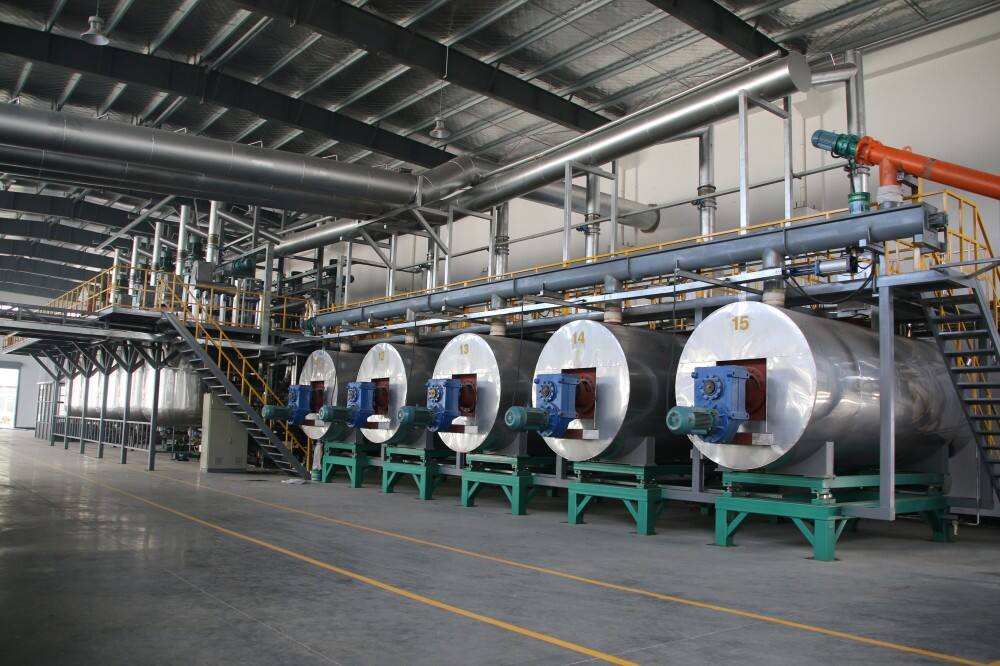
Manufacturing facilities across various industries increasingly rely on specialized membrane technologies to meet stringent quality standards and operational efficiency requirements. When companies invest in advanced production equipment, the success of their investment heavily depends on proper implementation, operation, and maintenance protocols. A qualified membrane production line manufacturer understands that delivering equipment alone is insufficient for achieving optimal results in today's competitive manufacturing landscape.
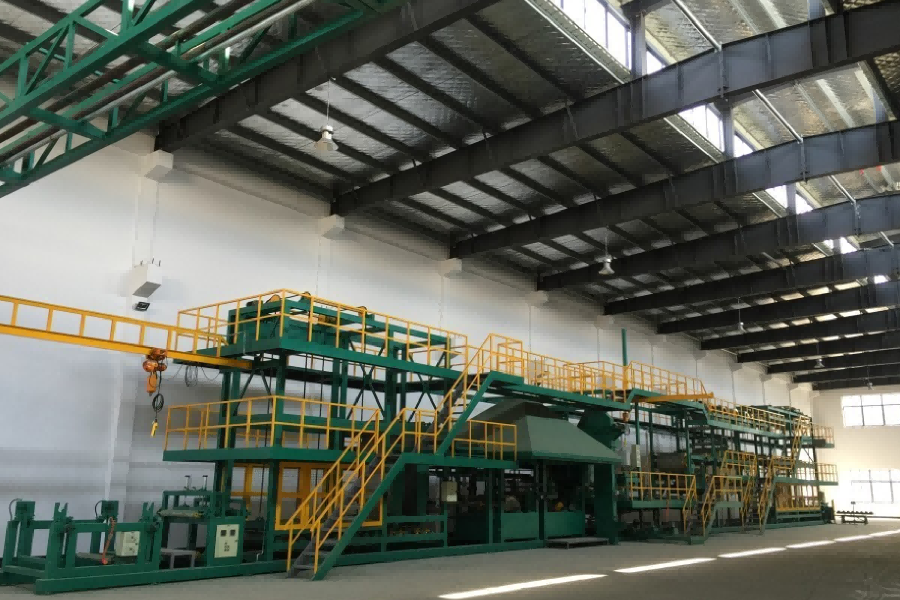
The membrane manufacturing sector has evolved significantly over the past decade, with companies demanding comprehensive solutions that extend beyond traditional equipment supply. Modern manufacturers require extensive support systems that include technical training, operational guidance, and ongoing maintenance protocols. This shift in market expectations has prompted leading equipment suppliers to develop comprehensive training programs that address every aspect of membrane production operations.
Successful membrane production operations require a deep understanding of material properties, processing parameters, quality control measures, and troubleshooting techniques. Without proper training, even the most advanced production equipment may fail to deliver expected results, leading to reduced efficiency, increased waste, and potential safety concerns. The complexity of modern membrane production processes necessitates specialized knowledge that goes far beyond basic equipment operation.
Comprehensive Training Program Components
Technical Foundation Training
Effective training programs begin with establishing a solid technical foundation that covers membrane chemistry, material science principles, and processing fundamentals. Operators must understand how different materials behave under various processing conditions and how these behaviors impact final product quality. This foundational knowledge enables operators to make informed decisions during production runs and identify potential issues before they escalate into significant problems.
Advanced technical training modules typically include detailed coverage of polymer science, solution chemistry, phase separation mechanisms, and thermodynamic principles. Participants learn how environmental factors such as temperature, humidity, and atmospheric pressure affect membrane formation processes. Understanding these relationships is crucial for maintaining consistent product quality across different operating conditions and seasonal variations.
Equipment Operation and Optimization
Hands-on equipment training forms the core of any comprehensive program, focusing on proper startup procedures, parameter adjustment techniques, and process optimization strategies. Operators receive extensive instruction on control system interfaces, sensor calibration methods, and data interpretation skills. This practical training ensures that personnel can effectively utilize all available equipment features to maximize production efficiency and product quality.
Modern production lines incorporate sophisticated automation systems that require specialized knowledge to operate effectively. Training programs address programmable logic controller programming, human-machine interface navigation, and advanced process control strategies. Participants learn to interpret real-time data streams, adjust processing parameters based on feedback signals, and implement corrective actions when deviations occur.
Quality Control and Testing Protocols
Testing Methodology Implementation
Quality assurance represents a critical component of membrane production operations, requiring comprehensive training on testing procedures, sampling techniques, and data analysis methods. Personnel must understand how to properly collect samples, conduct various tests, and interpret results within the context of product specifications. This knowledge ensures consistent product quality and helps identify potential issues before they impact customer satisfaction.
Training programs typically cover physical property testing, chemical compatibility assessments, performance evaluation methods, and statistical quality control techniques. Participants learn to use specialized testing equipment, maintain calibration records, and document results according to industry standards. Understanding these procedures enables operators to maintain tight quality control throughout production runs and make data-driven decisions about process adjustments.
Documentation and Compliance Standards
Regulatory compliance requirements vary significantly across different industries and geographic regions, making comprehensive documentation training essential for successful operations. Training programs address good manufacturing practices, record-keeping requirements, traceability protocols, and audit preparation procedures. Personnel learn to maintain detailed production records, document process deviations, and implement corrective action protocols when necessary.
Modern manufacturing operations require extensive documentation to support quality certifications, regulatory approvals, and customer audits. Training modules cover electronic record systems, data integrity principles, and change control procedures. Participants develop skills in creating standard operating procedures, maintaining equipment logs, and preparing regulatory submissions when required.
Maintenance and Troubleshooting Expertise
Preventive Maintenance Programs
Effective maintenance training ensures that production equipment operates reliably over extended periods while minimizing unplanned downtime and repair costs. Comprehensive programs cover routine maintenance schedules, component replacement procedures, and predictive maintenance techniques. Personnel learn to identify early warning signs of equipment degradation and implement corrective measures before failures occur.
Training typically includes mechanical system maintenance, electrical component servicing, and control system calibration procedures. Participants receive instruction on proper lubrication techniques, belt tensioning methods, sensor cleaning protocols, and filter replacement schedules. Understanding these maintenance requirements helps ensure optimal equipment performance and extends operational lifespan significantly.
Advanced Troubleshooting Techniques
When production issues arise, rapid diagnosis and resolution capabilities minimize impact on overall operations and customer commitments. Training programs develop systematic troubleshooting approaches that enable personnel to quickly identify root causes and implement effective solutions. This expertise reduces dependence on external service support and improves overall operational flexibility.
Advanced troubleshooting training covers diagnostic equipment usage, failure mode analysis, and root cause investigation techniques. Participants learn to interpret alarm conditions, analyze process data trends, and correlate symptoms with potential causes. Developing these analytical skills enables operators to resolve complex issues independently and prevent recurring problems through systematic improvements.
Implementation and Support Services
On-Site Training Delivery
On-site training programs provide the most effective learning environment by allowing participants to work directly with their specific equipment configuration and operating conditions. Membrane production line manufacturer representatives conduct training sessions using actual production equipment, real materials, and authentic operating scenarios. This approach ensures that knowledge transfer directly applies to daily operations and addresses site-specific challenges.
Customized training programs adapt standard curricula to address unique operational requirements, product specifications, and facility constraints. Instructors work closely with facility personnel to identify specific training needs and develop targeted learning objectives. This personalized approach maximizes training effectiveness and ensures that participants acquire skills directly relevant to their responsibilities.
Ongoing Support and Follow-Up
Successful training programs extend beyond initial instruction to include ongoing support services, refresher training sessions, and continuous improvement initiatives. Regular follow-up activities help reinforce learned concepts, address emerging challenges, and incorporate new techniques or technologies. This sustained support approach ensures that training benefits continue to accumulate over time.
Remote support capabilities enable rapid response to operational questions, troubleshooting assistance, and process optimization guidance. Digital platforms provide access to training materials, technical documentation, and expert consultation services. These resources extend training value by providing continuous learning opportunities and just-in-time support when needed.
Measuring Training Program Effectiveness
Performance Metrics and Assessment
Effective training programs incorporate comprehensive assessment methods to evaluate knowledge transfer, skill development, and practical application capabilities. Regular testing ensures that participants have absorbed critical information and can apply learned concepts in real-world situations. Performance metrics help identify areas requiring additional attention and validate training program effectiveness.
Assessment approaches typically include written examinations, practical demonstrations, and ongoing performance evaluations. Participants must demonstrate competency in equipment operation, quality control procedures, and troubleshooting techniques before receiving certification. This rigorous approach ensures that training objectives are met and operational standards are maintained consistently.
Continuous Improvement Integration
Leading training programs incorporate feedback mechanisms that capture participant experiences, identify improvement opportunities, and adapt curricula based on operational results. Regular program reviews ensure that training content remains current with technological advances, regulatory changes, and industry best practices. This continuous improvement approach maintains training relevance and effectiveness over time.
Data collection systems track training outcomes, operational performance improvements, and participant satisfaction levels. Analysis of this information guides program refinements, identifies successful techniques, and highlights areas requiring additional development. Systematic improvement processes ensure that training programs evolve to meet changing operational requirements and maintain competitive advantages.
FAQ
What topics are typically covered in comprehensive membrane production training programs
Comprehensive training programs address membrane chemistry fundamentals, equipment operation procedures, quality control protocols, maintenance requirements, troubleshooting techniques, safety procedures, and regulatory compliance standards. Programs are customized based on specific equipment configurations, product applications, and operational requirements to ensure maximum relevance and effectiveness.
How long do typical training programs last and what format options are available
Training duration varies based on program scope, participant experience levels, and specific operational requirements. Basic programs typically span one to two weeks, while comprehensive certification programs may extend over several months. Format options include on-site instruction, classroom-based learning, hands-on workshops, and online modules that can be combined to meet specific scheduling and learning preferences.
What qualifications should participants have before attending advanced training programs
Participants should have basic mechanical aptitude, fundamental chemistry knowledge, and experience with industrial equipment operation. Previous experience in manufacturing environments, quality control procedures, or related technical fields provides valuable background for advanced training modules. Some programs offer prerequisite courses to ensure all participants have necessary foundational knowledge.
How do manufacturers provide ongoing support after initial training completion
Ongoing support typically includes remote technical assistance, periodic refresher training sessions, access to updated documentation, and consultation services for process optimization initiatives. Many manufacturers maintain dedicated support teams that provide rapid response to operational questions and can dispatch field service personnel when complex issues arise requiring on-site assistance.
Table of Contents
- Comprehensive Training Program Components
- Quality Control and Testing Protocols
- Maintenance and Troubleshooting Expertise
- Implementation and Support Services
- Measuring Training Program Effectiveness
-
FAQ
- What topics are typically covered in comprehensive membrane production training programs
- How long do typical training programs last and what format options are available
- What qualifications should participants have before attending advanced training programs
- How do manufacturers provide ongoing support after initial training completion