 EN
EN
Modified bitumen waterproofing membrane represents a revolutionary advancement in construction waterproofing technology, combining the durability of traditional bitumen with modern polymer enhancements. This sophisticated roofing solution has become the cornerstone of commercial and industrial waterproofing applications, offering superior protection against water infiltration and environmental stresses. The modified bitumen waterproofing membrane delivers exceptional performance characteristics that make it an ideal choice for flat roofs, below-grade structures, and critical waterproofing applications where long-term reliability is paramount.
Understanding Modified Bitumen Technology
Composition and Manufacturing Process
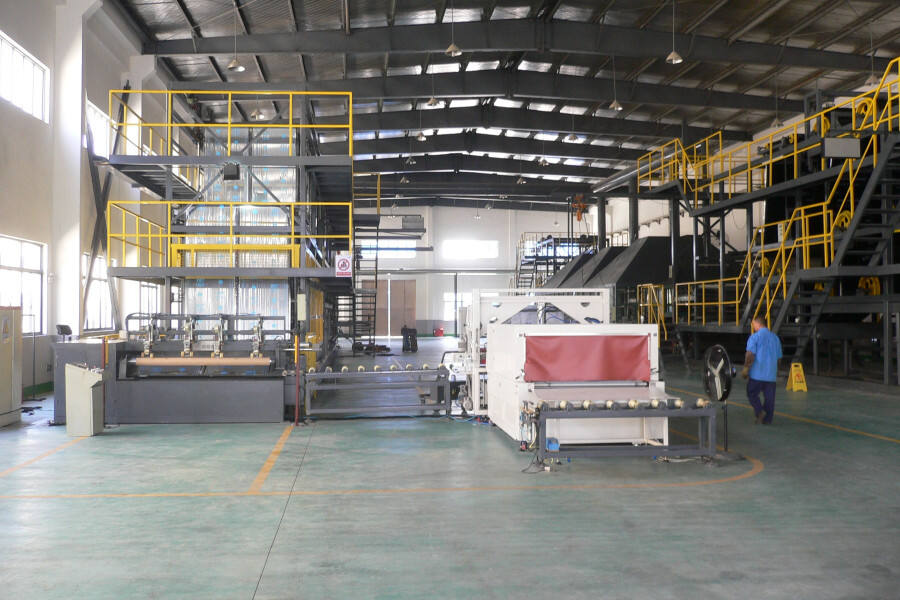
The modified bitumen waterproofing membrane consists of a carefully engineered blend of asphalt bitumen and thermoplastic or thermoset polymers. The most commonly used modifiers include styrene-butadiene-styrene (SBS) and atactic polypropylene (APP), which significantly enhance the base bitumen's performance characteristics. During manufacturing, these polymers are integrated into the bitumen matrix through controlled heating and mixing processes that ensure uniform distribution and optimal molecular bonding.
Advanced production techniques involve the application of modified bitumen onto reinforcement materials such as polyester mats, fiberglass, or composite fabrics. These reinforcing layers provide dimensional stability and tensile strength to the modified bitumen waterproofing membrane while maintaining flexibility across a wide temperature range. The manufacturing process also incorporates surface treatments including mineral granules, aluminum foil, or polymer films to enhance UV resistance and weatherability.
Types of Modified Bitumen Systems
SBS-modified bitumen membranes offer exceptional flexibility and elasticity, making them suitable for applications requiring high movement accommodation. These systems maintain their elastic properties at low temperatures and exhibit excellent fatigue resistance under cyclic loading conditions. The SBS modification allows the membrane to stretch and recover without permanent deformation, providing superior crack bridging capabilities essential for dynamic structural applications.
APP-modified bitumen systems provide enhanced heat resistance and dimensional stability at elevated temperatures. These membranes are particularly well-suited for applications in hot climates or areas with significant thermal cycling. The APP modifier improves the bitumen's softening point and reduces temperature susceptibility, ensuring consistent performance across diverse environmental conditions. Both system types offer distinct advantages depending on specific project requirements and climatic considerations.
Installation Methods and Techniques
Torch Application Systems
Torch-applied installation represents the most widely used method for modified bitumen waterproofing membrane systems. This technique involves heating the membrane's undersurface with a propane torch to activate the modified bitumen compound, creating an immediate bond with the substrate. The process requires skilled technicians who carefully control flame temperature and application speed to ensure proper adhesion without overheating or damaging the membrane material.
Professional installation crews follow strict safety protocols during torch application, including proper ventilation, fire safety measures, and continuous monitoring of ambient conditions. The technique allows for precise control over seam formation and ensures complete adhesion across the entire membrane surface. Quality torch application results in seamless, monolithic waterproofing systems that eliminate potential leak paths and provide long-term protection against water infiltration.
Self-Adhesive Application Methods
Self-adhesive modified bitumen waterproofing membrane systems offer installation advantages in situations where open flame application is restricted or impractical. These products feature factory-applied adhesive compounds that bond to prepared surfaces without requiring heat activation. The modified bitumen waterproofing membrane installation process involves removing protective release liners and applying firm pressure to achieve proper adhesion.
Cold-applied systems provide enhanced safety benefits and reduced installation complexity while maintaining waterproofing performance comparable to torch-applied alternatives. These systems are particularly valuable for renovation projects, occupied buildings, or installations in confined spaces where fire safety concerns limit the use of open flame techniques. Proper surface preparation and environmental conditions remain critical factors for successful self-adhesive installations.
Cost Analysis and Economic Benefits
Initial Investment Considerations
The initial cost of modified bitumen waterproofing membrane systems varies significantly based on membrane thickness, reinforcement type, and installation complexity. Premium SBS-modified systems typically command higher material costs compared to APP-modified alternatives, but offer enhanced performance characteristics that justify the investment in demanding applications. Project-specific factors including substrate preparation requirements, access challenges, and installation timeline significantly influence overall system costs.
Material costs for modified bitumen waterproofing membrane range from moderate to premium pricing tiers depending on specified performance requirements and manufacturer specifications. Installation labor represents a substantial portion of total project costs, with skilled application crews commanding premium rates for torch-applied systems. However, the efficiency of installation and reduced complexity compared to multi-component liquid systems often result in competitive overall project costs.
Long-Term Value Proposition
The economic benefits of modified bitumen waterproofing membrane systems become evident through their exceptional service life and minimal maintenance requirements. These systems typically provide 20-30 years of reliable waterproofing performance with proper installation and periodic maintenance. The membrane's resistance to UV degradation, thermal cycling, and mechanical damage translates to reduced repair costs and extended replacement intervals compared to alternative roofing systems.
Energy efficiency characteristics of modified bitumen waterproofing membrane contribute to long-term operational savings through improved building thermal performance. Reflective surface treatments and insulation compatibility enhance overall building energy efficiency, reducing heating and cooling costs throughout the membrane's service life. The combination of durability, performance, and energy benefits establishes a compelling return on investment for commercial and industrial applications.
Performance Characteristics and Advantages
Weather Resistance and Durability
Modified bitumen waterproofing membrane exhibits outstanding resistance to environmental stresses including UV radiation, ozone exposure, and thermal cycling. The polymer modification significantly enhances the base bitumen's resistance to oxidation and thermal degradation, maintaining flexibility and adhesion properties throughout extended service periods. Advanced formulations incorporate UV stabilizers and antioxidants that further extend membrane life in challenging outdoor environments.
The membrane's ability to accommodate building movement without compromising waterproof integrity represents a key performance advantage. Thermal expansion and contraction, structural settlement, and seismic activity are effectively managed through the membrane's elastic properties and robust reinforcement structure. This movement accommodation capability prevents the development of cracks and separation that commonly affect rigid waterproofing systems.
Chemical and Environmental Compatibility
Modern modified bitumen waterproofing membrane formulations demonstrate excellent compatibility with various construction materials and environmental conditions. The membranes resist degradation from common atmospheric pollutants, industrial emissions, and acid rain exposure that can compromise other roofing materials. Chemical resistance extends to contact with rooftop equipment condensate, cleaning agents, and maintenance chemicals typically encountered in commercial applications.
Root resistance properties of modified bitumen waterproofing membrane make these systems suitable for green roof applications and areas with vegetation exposure. Specialized formulations incorporate root inhibitors that prevent penetration damage while maintaining membrane integrity. The biological resistance characteristics ensure long-term performance in applications where organic growth and microbial activity present potential challenges to waterproofing effectiveness.
Application Guidelines and Best Practices
Substrate Preparation Requirements
Successful modified bitumen waterproofing membrane installation requires thorough substrate preparation to ensure optimal adhesion and long-term performance. Concrete substrates must be structurally sound, properly sloped, and free from contaminants that could interfere with membrane bonding. Surface preparation includes cleaning, crack repair, and application of appropriate primer systems designed specifically for modified bitumen membrane compatibility.
Moisture content evaluation represents a critical aspect of substrate preparation, as excessive moisture can prevent proper membrane adhesion and lead to system failure. Concrete surfaces should be allowed to cure adequately and achieve appropriate moisture levels before membrane installation. Temperature conditions during application must fall within manufacturer specifications to ensure proper material performance and installation quality.
Quality Control and Inspection Protocols
Comprehensive quality control procedures are essential for ensuring modified bitumen waterproofing membrane system integrity and performance. Installation inspection should include verification of proper seam formation, complete adhesion, and absence of air bubbles or delamination. Seam testing using mechanical tools or electronic leak detection equipment provides objective verification of waterproof continuity.
Post-installation testing protocols may include flood testing for accessible areas and electronic leak detection surveys for comprehensive system verification. Documentation of installation procedures, material certifications, and testing results provides valuable information for warranty compliance and future maintenance planning. Regular inspection schedules help identify potential issues before they develop into significant problems requiring costly repairs.
Maintenance and Service Life Optimization
Preventive Maintenance Strategies
Proactive maintenance programs significantly extend modified bitumen waterproofing membrane service life while minimizing repair costs and system disruptions. Regular inspection schedules should include examination of membrane surface condition, seam integrity, and drainage system functionality. Early identification of minor issues allows for targeted repairs that prevent water infiltration and more extensive damage to the waterproofing system.
Drainage system maintenance represents a critical component of membrane preservation, as standing water accelerates material degradation and increases the risk of system failure. Regular cleaning of drains, gutters, and scuppers ensures proper water removal and prevents the accumulation of debris that can damage membrane surfaces. Snow and ice removal procedures should follow manufacturer guidelines to prevent mechanical damage during winter maintenance activities.
Repair and Restoration Techniques
Minor repairs to modified bitumen waterproofing membrane systems can often be accomplished using compatible patching materials and proven repair techniques. Small punctures, seam separations, and localized damage can be addressed using torch-applied patches or self-adhesive repair materials specifically designed for membrane compatibility. Proper surface preparation and material selection ensure that repairs maintain system waterproof integrity and aesthetic appearance.
Extensive membrane restoration may involve complete section replacement or overlay installation depending on the extent of damage and remaining system life. Professional assessment helps determine the most cost-effective approach for addressing widespread deterioration while maintaining overall system performance. Restoration planning should consider future building modifications and access requirements that could affect waterproofing system design and installation.
FAQ
What is the typical lifespan of a modified bitumen waterproofing membrane?
A properly installed modified bitumen waterproofing membrane typically provides 20-30 years of reliable service life under normal conditions. The actual lifespan depends on factors including climate exposure, installation quality, maintenance practices, and specific membrane formulation. Premium systems with enhanced polymer modification and protective surface treatments may exceed these typical service life expectations, while systems subjected to extreme environmental conditions or inadequate maintenance may require earlier replacement.
How does modified bitumen compare to other commercial roofing systems in terms of cost?
Modified bitumen waterproofing membrane systems typically fall within the mid-range cost category for commercial roofing applications. While initial material costs may exceed basic built-up roofing systems, the enhanced performance characteristics and extended service life often provide superior long-term value. Installation costs are generally competitive with other membrane systems, and the proven track record of performance makes modified bitumen an attractive option for many commercial and industrial applications.
Can modified bitumen membranes be installed in cold weather conditions?
Modified bitumen waterproofing membrane installation is possible in cold weather conditions with proper precautions and technique modifications. Temperature limitations vary by product type and manufacturer specifications, but most systems can be installed at temperatures above 25°F (-4°C) when appropriate procedures are followed. Cold weather installation may require extended heating times, modified application techniques, and additional quality control measures to ensure proper membrane performance and adhesion.
Is special training required for installing modified bitumen waterproofing membranes?
Professional installation of modified bitumen waterproofing membrane requires specialized training in torch application techniques, safety protocols, and quality control procedures. Most manufacturers offer certification programs that cover proper installation methods, troubleshooting techniques, and safety requirements specific to their products. Certified installers typically demonstrate superior installation quality and are often required for warranty compliance on commercial projects.
Table of Contents
- Understanding Modified Bitumen Technology
- Installation Methods and Techniques
- Cost Analysis and Economic Benefits
- Performance Characteristics and Advantages
- Application Guidelines and Best Practices
- Maintenance and Service Life Optimization
-
FAQ
- What is the typical lifespan of a modified bitumen waterproofing membrane?
- How does modified bitumen compare to other commercial roofing systems in terms of cost?
- Can modified bitumen membranes be installed in cold weather conditions?
- Is special training required for installing modified bitumen waterproofing membranes?