
 EN
EN
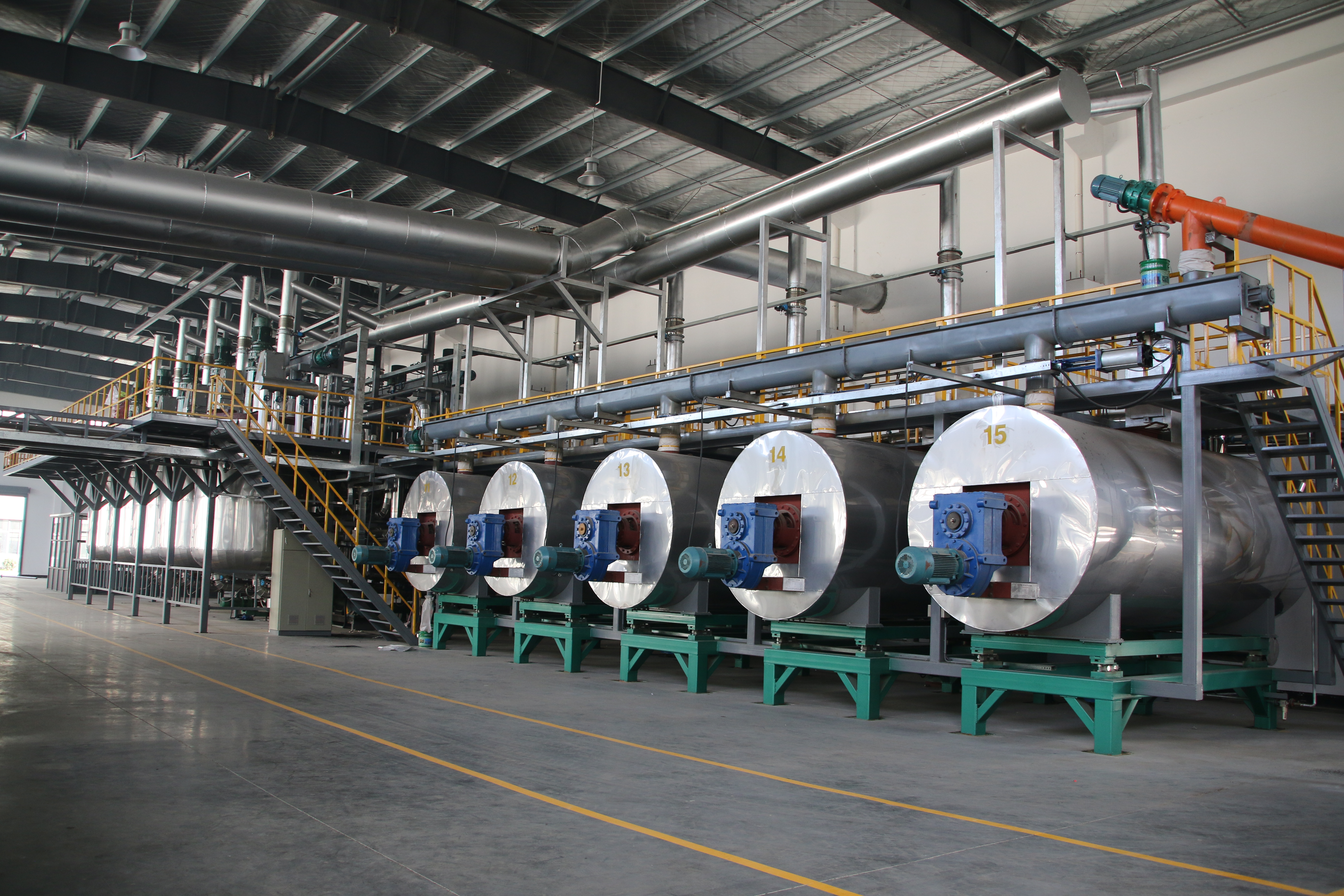
The manufacturing of high-quality asphalt shingles requires precise control systems throughout every stage of the production process. Modern asphalt shingle production line operations demand stringent quality measures to ensure consistent product performance, durability, and compliance with industry standards. Implementing comprehensive quality control protocols not only safeguards product integrity but also enhances operational efficiency and reduces waste in manufacturing facilities.
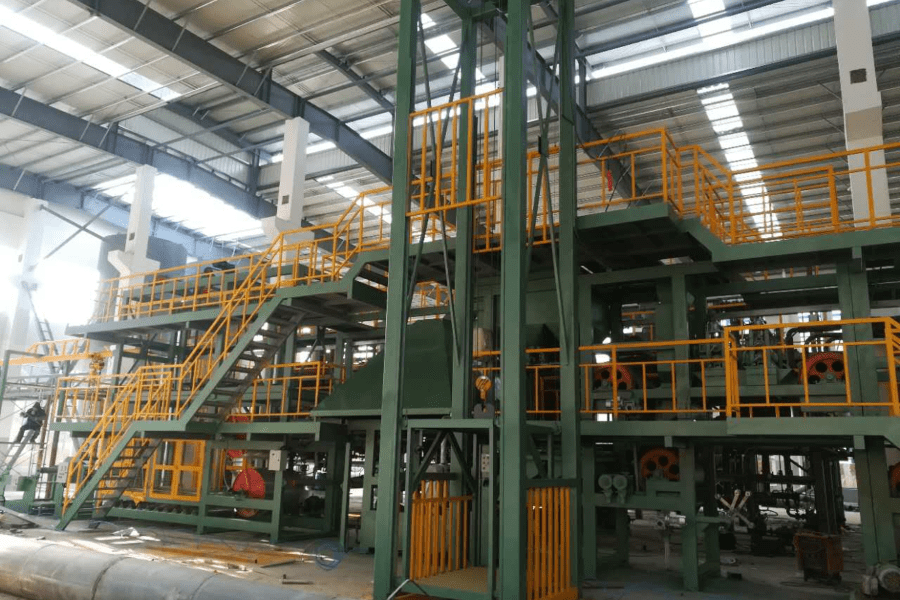
Quality control in asphalt shingle manufacturing encompasses multiple critical checkpoints from raw material inspection to final product testing. Each phase of the production process presents unique challenges that require specialized monitoring techniques and equipment. Understanding these quality parameters enables manufacturers to maintain consistent output while meeting regulatory requirements and customer expectations in competitive roofing markets.
Raw Material Quality Assessment
Asphalt Base Material Evaluation
The foundation of any successful asphalt shingle production line begins with thorough evaluation of the asphalt base material. Quality control technicians must verify the viscosity, penetration grade, and softening point of incoming asphalt to ensure compatibility with production specifications. Temperature stability testing reveals how the material will behave under various climatic conditions once installed on roofing applications.
Laboratory analysis of asphalt chemistry provides insights into polymer modification levels and aging characteristics that directly impact shingle longevity. Consistent monitoring of these parameters prevents production delays and ensures that each batch meets predetermined quality standards. Documentation of test results creates a traceable quality history that supports continuous improvement initiatives and regulatory compliance reporting.
Granule and Reinforcement Material Inspection
Granule quality significantly affects the aesthetic appeal and protective properties of finished asphalt shingles. Color consistency, particle size distribution, and coating adhesion must be verified through systematic sampling and testing protocols. Advanced optical sorting systems can identify defective granules that could compromise surface uniformity or weather resistance performance.
Reinforcement materials such as fiberglass mats require tensile strength testing and thickness measurements to ensure structural integrity throughout the manufacturing process. Quality control procedures must validate that these materials meet specifications for tear resistance and dimensional stability. Proper storage conditions and handling procedures protect these materials from moisture absorption and contamination that could affect production outcomes.
Process Monitoring and Control Systems
Temperature Management Protocols
Precise temperature control throughout the asphalt shingle production line prevents material degradation and ensures proper adhesion between layers. Infrared monitoring systems provide real-time feedback on heating zones, allowing operators to make immediate adjustments when temperatures deviate from optimal ranges. Consistent temperature profiles are essential for achieving uniform coating thickness and preventing thermal stress in finished products.
Cooling section monitoring ensures that shingles achieve proper hardness and dimensional stability before packaging. Rapid temperature changes can cause warping or cracking that renders products unsuitable for installation. Advanced process control systems integrate temperature data with production speed parameters to maintain optimal processing conditions across varying throughput requirements.
Coating Thickness and Distribution Control
Automated coating thickness measurement systems provide continuous monitoring of asphalt application uniformity across the entire width of the production web. These systems detect variations that could result in weak spots or excessive material usage that impacts product cost and performance. Statistical process control charts track coating thickness trends to identify equipment wear or calibration issues before they affect product quality.
Edge bead control systems ensure proper sealing characteristics while preventing excessive buildup that could interfere with installation procedures. Regular calibration of application equipment maintains coating consistency and reduces material waste. Integration with upstream mixing systems allows for automatic adjustments based on material viscosity changes or environmental conditions.
In-Line Testing and Inspection Methods
Visual Quality Assessment Systems
High-resolution camera systems enable continuous visual inspection of asphalt shingle surfaces for defects such as granule bare spots, color variations, or surface contamination. Machine vision algorithms can identify subtle defects that might be missed by human inspectors while maintaining consistent inspection standards across all production shifts. Automated rejection systems remove defective products from the production stream without interrupting manufacturing flow.
Pattern recognition software analyzes granule distribution patterns to ensure aesthetic consistency that meets brand standards and customer expectations. These systems can detect trending issues such as gradual equipment wear or material supply variations before they result in customer complaints. Integration with production data systems provides traceability for quality investigations and continuous improvement initiatives.
Physical Property Testing Procedures
Dimensional accuracy verification ensures that finished shingles meet installation requirements and provide proper weather seal performance. Automated measurement systems check length, width, and thickness parameters at regular intervals throughout production runs. Statistical sampling plans balance testing frequency with production efficiency while maintaining confidence in product conformity.
Tear strength and nail pull-through testing validate that shingles will withstand installation stresses and wind uplift forces. These mechanical property tests require specialized equipment and trained technicians to ensure accurate and repeatable results. Test data correlation with process parameters helps optimize manufacturing conditions for maximum product performance.
Documentation and Traceability Systems
Quality Record Management
Comprehensive documentation systems track quality data from raw material receipt through final product shipment, creating complete traceability for every batch produced in the asphalt shingle production line. Electronic data management systems eliminate transcription errors and provide instant access to historical quality information for trend analysis and regulatory reporting. Automated data collection from process control systems reduces manual documentation requirements while improving data accuracy.
Batch identification systems enable rapid product recall procedures if quality issues are discovered after shipment. Bar code or RFID tracking systems link production records with specific product lots throughout the supply chain. This traceability capability supports customer service initiatives and demonstrates commitment to quality assurance practices.
Corrective Action and Continuous Improvement
Systematic root cause analysis procedures investigate quality deviations to prevent recurrence and drive process improvements. Cross-functional quality teams review production data to identify optimization opportunities and implement preventive measures. Regular management reviews of quality metrics ensure that improvement initiatives align with business objectives and customer requirements.
Employee training programs ensure that all personnel understand their role in maintaining product quality and can effectively operate quality control equipment. Ongoing education keeps staff current with evolving industry standards and best practices in asphalt shingle manufacturing. Performance metrics track training effectiveness and identify areas where additional support may be needed.
Advanced Quality Control Technologies
Automated Inspection Integration
Modern asphalt shingle production line facilities incorporate artificial intelligence and machine learning algorithms to enhance defect detection capabilities and reduce false rejection rates. These advanced systems learn from historical data to improve inspection accuracy and adapt to subtle changes in material characteristics or environmental conditions. Predictive maintenance algorithms analyze equipment performance data to schedule maintenance before quality issues develop.
Real-time data analytics platforms integrate quality control information with production scheduling and inventory management systems to optimize overall manufacturing efficiency. Dashboard displays provide operators with immediate visibility into quality trends and performance metrics. Alert systems notify management of quality excursions or equipment malfunctions that require immediate attention.
Laboratory Testing Automation
Automated laboratory testing equipment reduces sample analysis time and improves result consistency for critical quality parameters. Robotic sample handling systems eliminate human error in specimen preparation and testing procedures. Digital reporting systems integrate laboratory results with production databases to provide comprehensive quality documentation.
Advanced analytical instruments provide detailed chemical composition analysis that supports product development and quality optimization initiatives. Spectroscopic analysis techniques can detect trace contaminants or composition variations that might affect product performance. These capabilities enable proactive quality management rather than reactive problem-solving approaches.
FAQ
What are the most critical quality control points in asphalt shingle manufacturing
The most critical quality control points include raw material inspection for asphalt base and granule quality, temperature monitoring throughout the heating and cooling processes, coating thickness verification, and final product dimensional and mechanical property testing. Each of these checkpoints directly impacts product performance and durability.
How often should quality testing be performed during production
Quality testing frequency depends on production volume and risk assessment, but typical schedules include continuous monitoring of process parameters like temperature and coating thickness, hourly sampling for visual inspection, and shift-based testing for mechanical properties. Critical parameters may require more frequent testing during startup or material changes.
What documentation is required for asphalt shingle quality control
Required documentation includes raw material certificates of analysis, process control charts, inspection reports, test results for mechanical properties, calibration records for testing equipment, and traceability records linking production batches to specific quality data. Regulatory compliance may require additional documentation depending on local building codes and industry standards.
How do environmental conditions affect asphalt shingle production quality
Environmental conditions such as temperature, humidity, and atmospheric pressure can significantly impact asphalt viscosity, granule adhesion, and cooling rates in the production process. Quality control systems must account for these variables through environmental monitoring and process parameter adjustments to maintain consistent product quality regardless of external conditions.