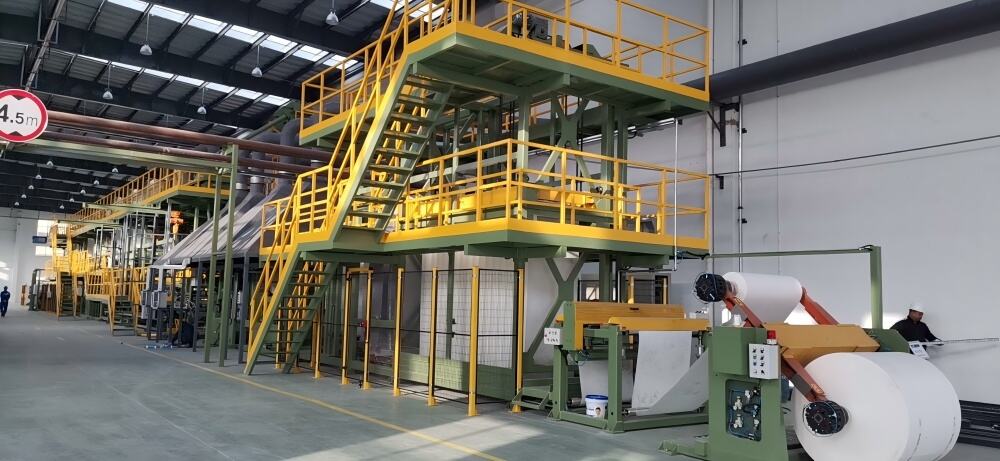
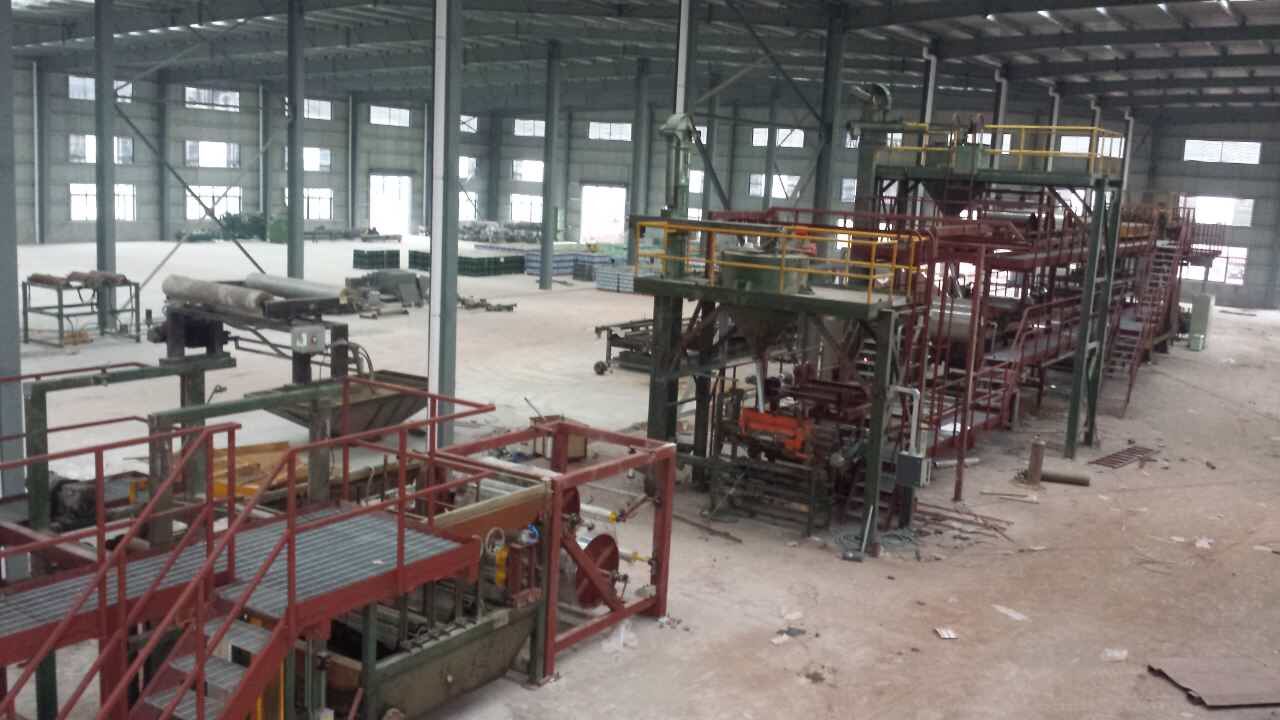
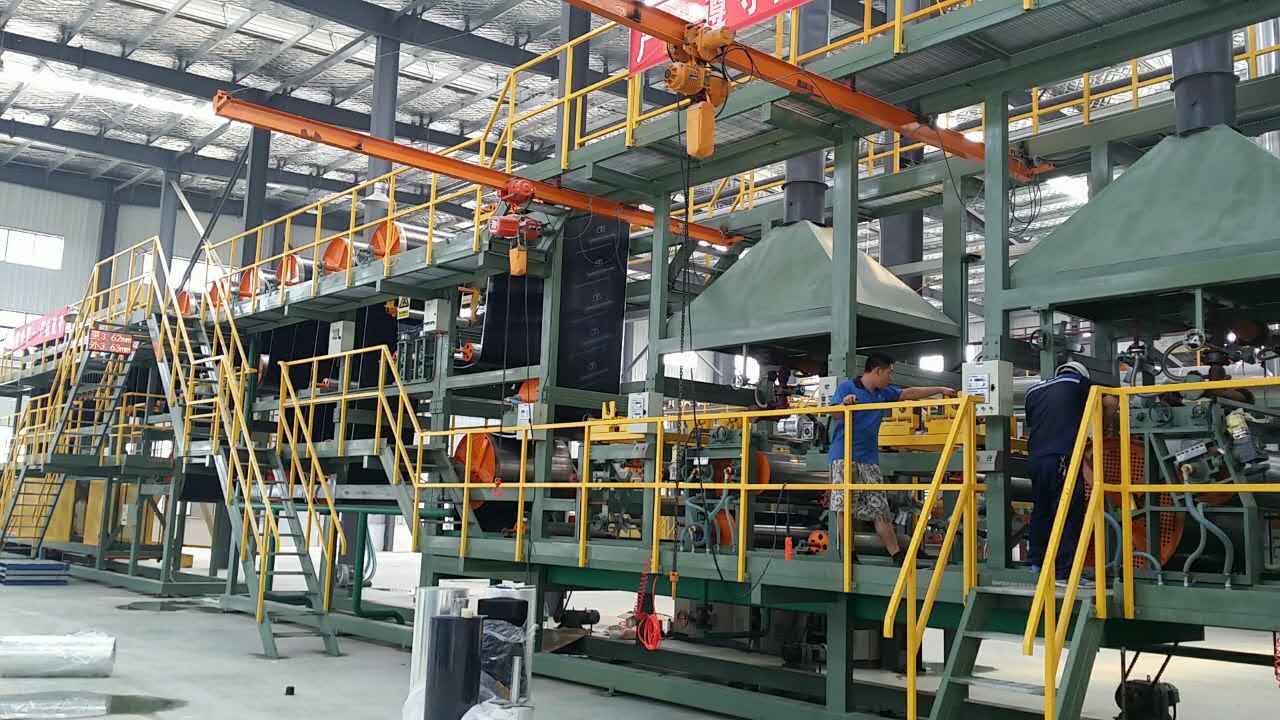
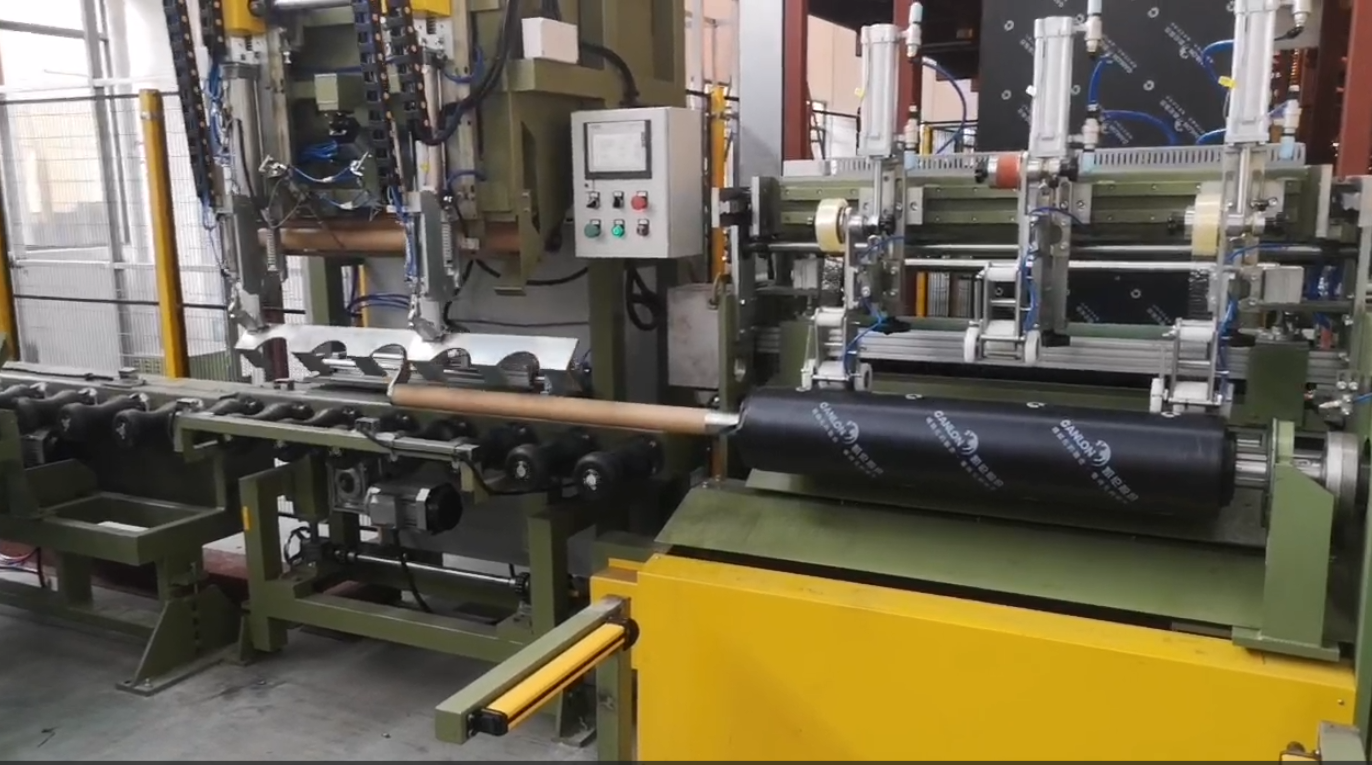
Advanced Membrane Production Solutions - High-Performance Filtration Technology

All Categories

Get a Free Quote

Our representative will contact you soon.
Email
Name
Company Name
Message
0/1000
Attachment
Please upload at least an attachment
Up to 3 files,more 30mb,suppor jpg、jpeg、png、pdf、doc、docx、xls、xlsx、csv、txt

membrane production

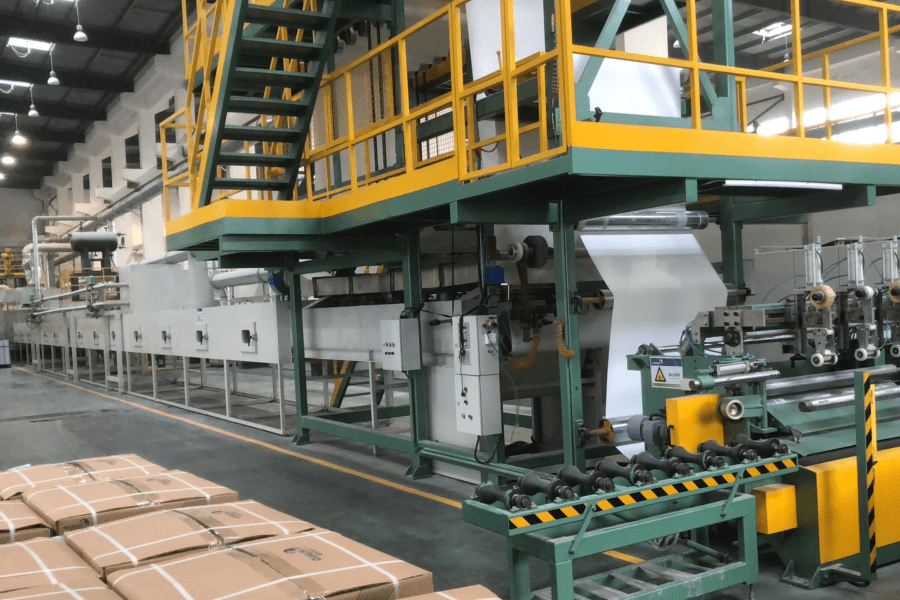
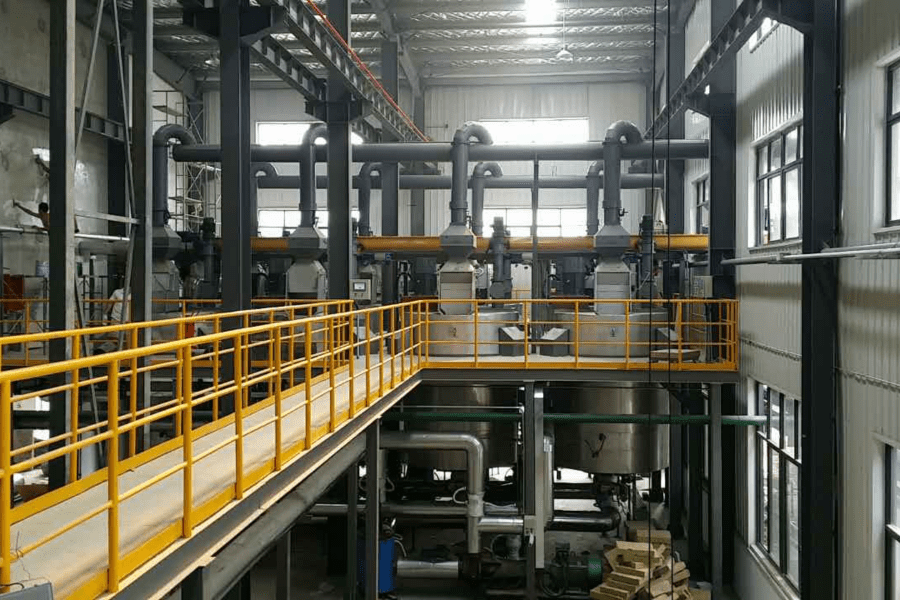
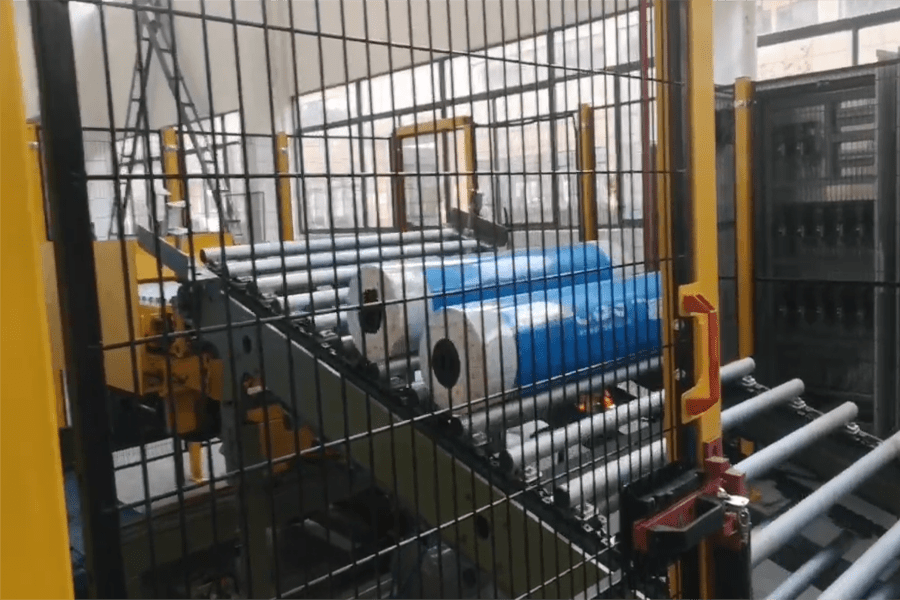
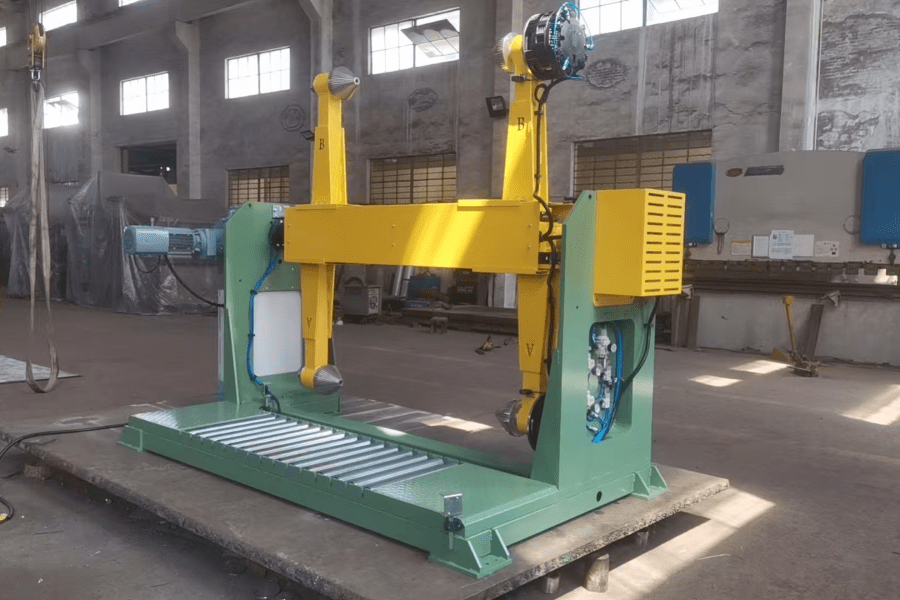
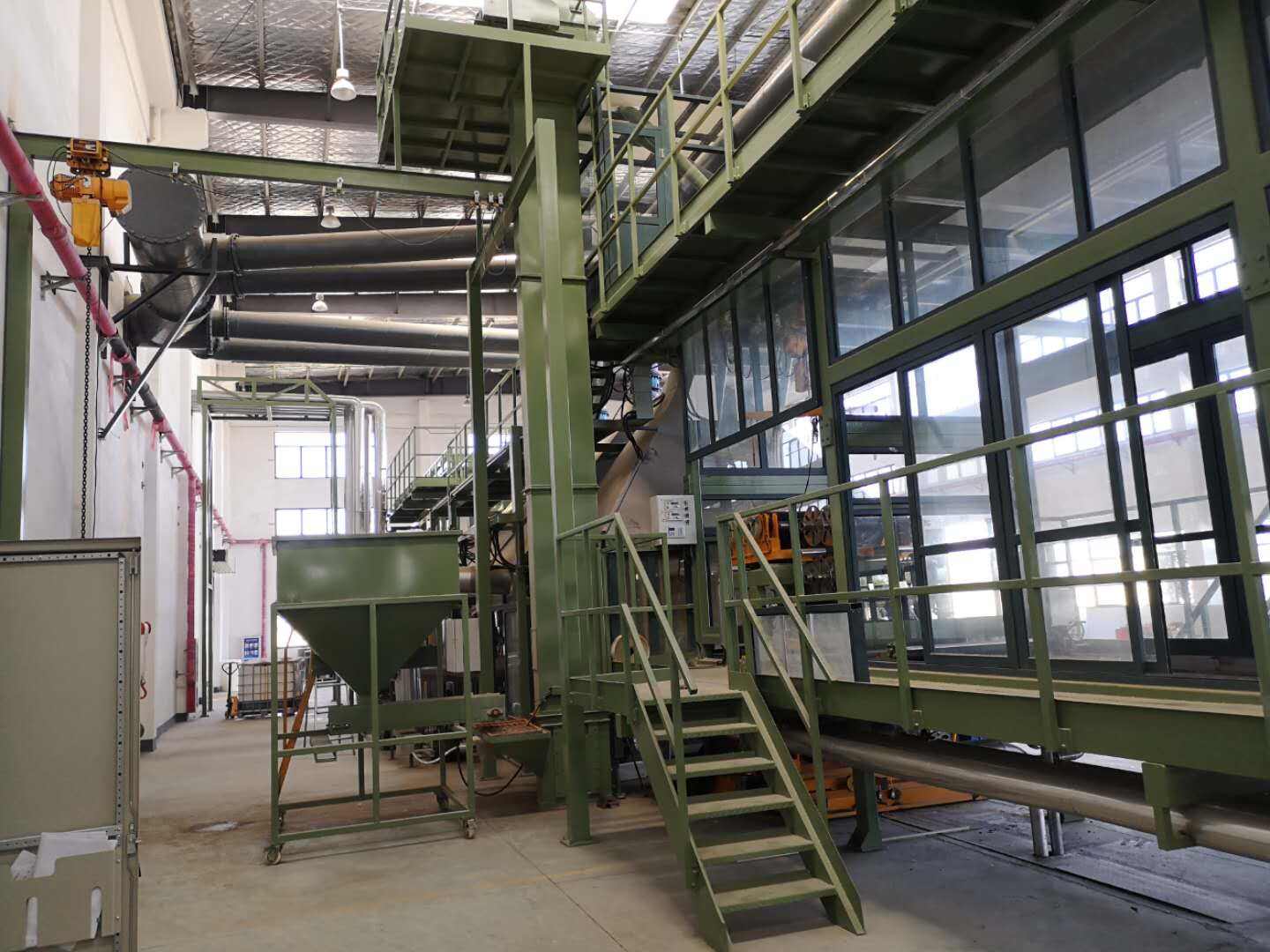
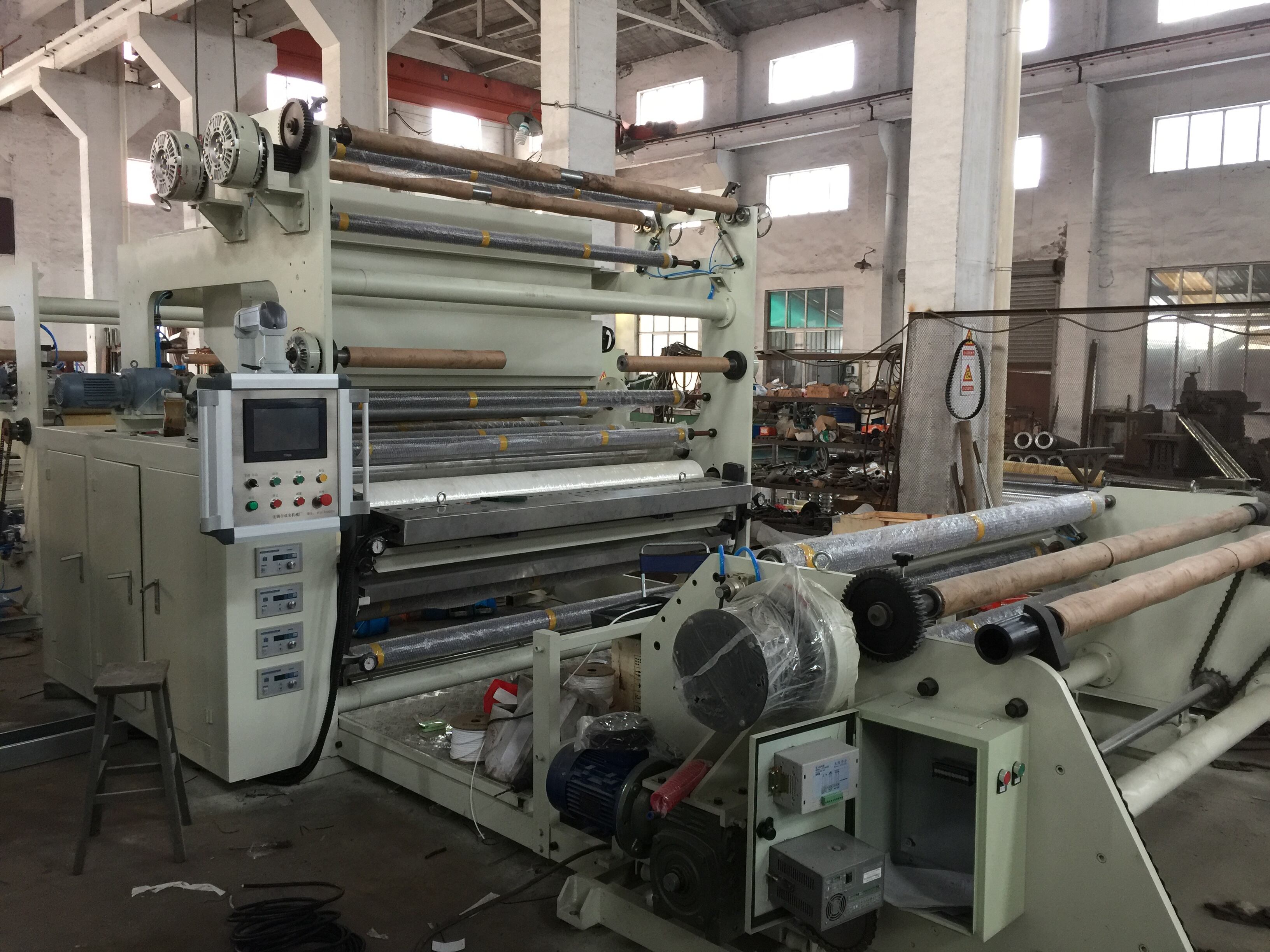
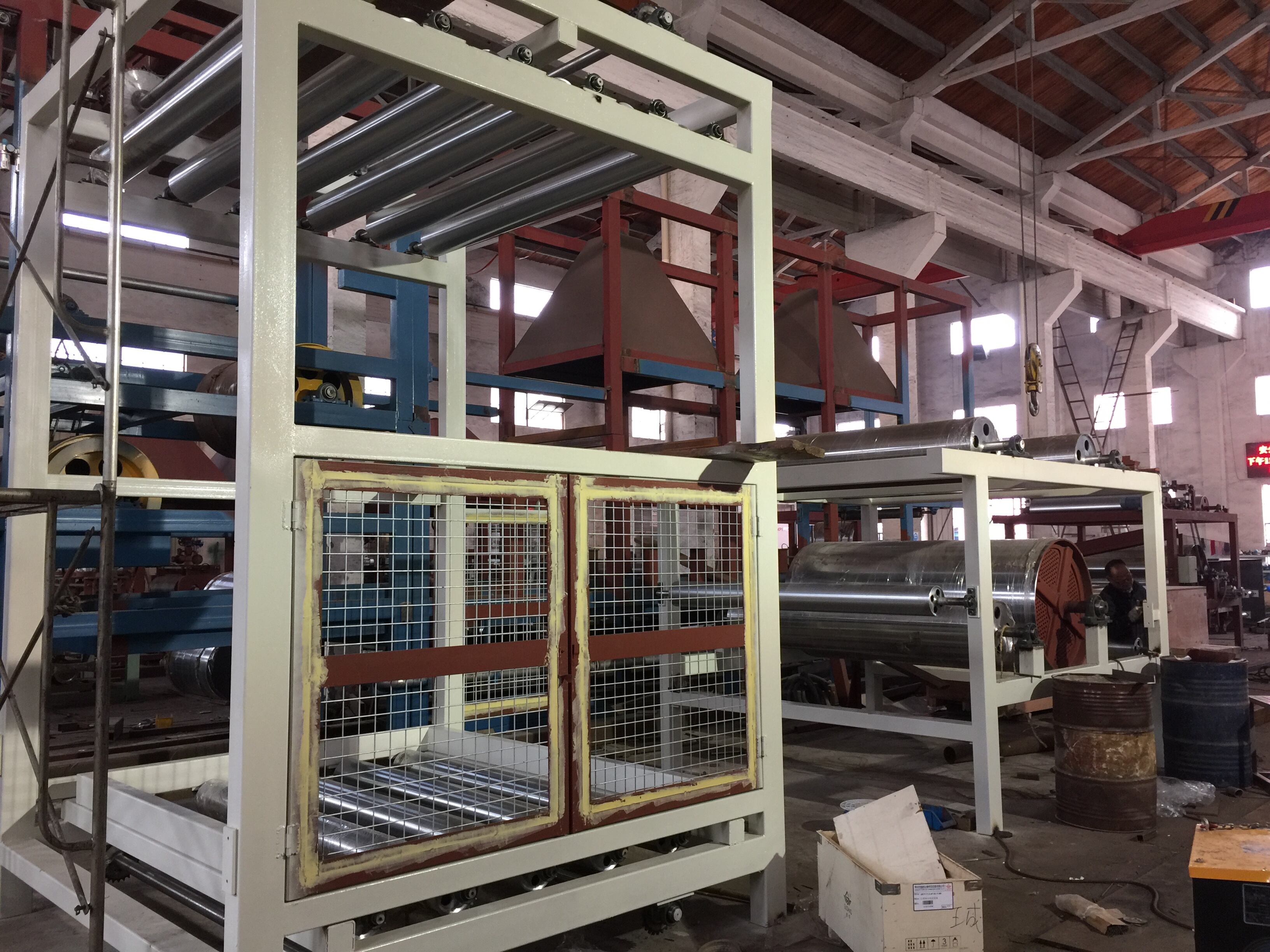
Membrane production represents a sophisticated manufacturing process that creates selective barriers used across numerous industrial and commercial applications. This technology involves the fabrication of thin, permeable layers that allow specific substances to pass through while blocking others based on size, charge, or chemical properties. Modern membrane production utilizes advanced materials science and precision engineering to create products that meet diverse filtration, separation, and purification requirements. The manufacturing process typically begins with polymer selection, where engineers choose materials like polysulfone, polyethersulfone, or ceramic compounds based on the intended application. These materials undergo careful processing through techniques such as phase inversion, stretching, or sintering to achieve the desired pore structure and selectivity. Quality control measures ensure consistent performance across production batches, with rigorous testing for flux rates, rejection percentages, and mechanical integrity. The membrane production industry serves critical sectors including water treatment, pharmaceuticals, food processing, and biotechnology. These manufactured membranes function as molecular sieves, effectively separating contaminants from clean water, concentrating valuable compounds, or sterilizing sensitive solutions. Advanced membrane production techniques now incorporate nanotechnology and surface modification methods to enhance performance characteristics. The production facilities must maintain strict environmental controls to prevent contamination during manufacturing, ensuring that finished membranes meet stringent purity standards. Modern membrane production also emphasizes sustainability, with manufacturers developing recyclable materials and energy-efficient processes. The technology continues evolving with innovations in membrane chemistry, surface treatments, and module design, enabling manufacturers to create increasingly specialized products for niche applications while maintaining cost-effectiveness and scalability.

Popular Products

Membrane production offers exceptional versatility that makes it invaluable across multiple industries seeking efficient separation solutions. The manufacturing process creates products that consistently deliver superior performance compared to traditional filtration methods, providing companies with reliable tools for their operational needs. These manufactured membranes demonstrate remarkable durability, withstanding harsh chemical environments and high-pressure conditions while maintaining their selective properties over extended periods. The production methods ensure uniform quality that translates directly into predictable performance for end users, eliminating the variability often associated with conventional separation techniques. Cost-effectiveness emerges as a significant benefit, as membrane production creates products that reduce operational expenses through lower energy consumption and minimal maintenance requirements. The automated production processes enable manufacturers to achieve economies of scale, making advanced membrane technology accessible to businesses of all sizes. Environmental benefits represent another compelling advantage, as membrane production creates solutions that minimize waste generation and reduce the need for chemical additives in separation processes. The technology enables companies to recover valuable materials that would otherwise be discarded, turning waste streams into revenue opportunities. Flexibility in design allows membrane production to create customized solutions tailored to specific application requirements, whether dealing with particular contaminants, operating conditions, or throughput demands. The scalability of membrane production means that successful pilot projects can be seamlessly expanded to full-scale operations without compromising performance or efficiency. Safety improvements result from using membrane technology instead of potentially hazardous chemical separation methods, protecting workers and reducing liability concerns. The compact design of membrane systems produced through modern manufacturing reduces facility space requirements while increasing processing capacity. Regulatory compliance becomes easier with membrane production creating systems that meet strict environmental and safety standards, helping companies avoid costly violations and maintain their operating licenses.

Latest News

Is a twin-screw extruder better for an HDPE production line output?

04

Dec

Is a twin-screw extruder better for an HDPE production line output?

Industrial automation has transformed manufacturing processes across countless industries, with pneumatic piston assembly technology serving as a cornerstone of modern mechanical systems. These precision-engineered components deliver reliable linear ...
View More
Why monitor melt temperature across an HDPE production line extruder?

17

Dec

Why monitor melt temperature across an HDPE production line extruder?

High-density polyethylene (HDPE) manufacturing demands precise temperature control throughout the extrusion process to ensure product quality, consistency, and operational efficiency. Temperature monitoring across an HDPE production line extruder ser...
View More
How does an APP membrane production line resist thermal aging at 130 °C?

22

Jan

How does an APP membrane production line resist thermal aging at 130 °C?

Thermal resistance at elevated temperatures represents a critical challenge for modern industrial membrane manufacturing. When examining how an APP membrane production line maintains operational integrity at 130 degrees Celsius, multiple technologica...
View More
What causes edge curl in a pre-applied membrane production line output?

06

Feb

What causes edge curl in a pre-applied membrane production line output?

Edge curl is one of the most challenging defects encountered in waterproofing membrane manufacturing, particularly affecting the quality and performance of finished products from a pre-applied membrane production line. This manufacturing anomaly occu...
View More

Get a Free Quote

Our representative will contact you soon.
Email
Name
Company Name
Message
0/1000
Attachment
Please upload at least an attachment
Up to 3 files,more 30mb,suppor jpg、jpeg、png、pdf、doc、docx、xls、xlsx、csv、txt

membrane production

Advanced Selectivity Control in Membrane Production

Advanced Selectivity Control in Membrane Production

The precision achievable in modern membrane production allows manufacturers to create products with extraordinary selectivity that can distinguish between molecules of similar sizes or charges with remarkable accuracy. This advanced selectivity control stems from sophisticated production techniques that manipulate pore size distribution, surface chemistry, and membrane thickness at the molecular level. During membrane production, engineers employ cutting-edge technologies such as controlled phase inversion, interfacial polymerization, and surface grafting to achieve specific separation characteristics tailored to customer requirements. The production process enables the creation of membranes with asymmetric structures featuring dense selective layers supported by highly porous substrates, optimizing both selectivity and permeability. Quality assurance during membrane production involves extensive characterization using electron microscopy, contact angle measurements, and molecular weight cutoff testing to verify that each batch meets exact specifications. This level of control in membrane production translates into exceptional performance for applications requiring precise separation, such as pharmaceutical purification where even trace impurities must be eliminated. The advanced selectivity achieved through modern membrane production enables companies to recover valuable products from complex mixtures, concentrate dilute solutions to desired levels, and remove specific contaminants without affecting beneficial components. Production flexibility allows manufacturers to adjust membrane properties during the manufacturing process, creating products optimized for particular feed compositions, operating pressures, or temperature ranges. The consistency achieved in membrane production ensures that customers receive products with predictable performance characteristics, enabling them to design processes with confidence and achieve reproducible results. Investment in advanced membrane production technology continues driving innovation in selectivity control, with new materials and manufacturing techniques constantly expanding the range of separations possible. This technological advancement in membrane production creates competitive advantages for companies seeking to improve product purity, reduce processing costs, or comply with increasingly stringent regulatory requirements.
Energy Efficiency Through Innovative Membrane Production

Energy Efficiency Through Innovative Membrane Production

Modern membrane production techniques create products that dramatically reduce energy consumption compared to traditional separation methods, delivering substantial cost savings and environmental benefits for industrial users. The energy efficiency achieved through advanced membrane production results from innovative manufacturing processes that optimize membrane structure and surface properties to minimize resistance to mass transfer while maintaining high selectivity. During membrane production, engineers carefully control parameters such as polymer concentration, coagulation bath composition, and thermal treatment conditions to create membranes with optimal pore connectivity and minimal hydraulic resistance. The production methods enable the creation of thin-film composite membranes where ultrathin selective layers provide high rejection rates while thick porous support layers ensure mechanical stability, resulting in products that operate effectively at lower pressures than conventional alternatives. Energy savings from membrane production extend beyond reduced pumping requirements, as these systems typically operate at ambient temperatures without the need for energy-intensive heating or cooling cycles required by distillation or crystallization processes. The continuous operation possible with membrane systems produced using modern techniques eliminates the energy losses associated with batch processing cycles, where equipment must be repeatedly heated, cooled, or pressurized. Advanced membrane production incorporates surface modifications and antifouling treatments that maintain high flux rates over extended periods, reducing the energy required for cleaning cycles and membrane replacement. The modular design enabled by standardized membrane production allows companies to optimize system sizing for their specific throughput requirements, avoiding the energy penalties associated with oversized equipment operating below optimal capacity. Production quality control ensures that membranes maintain their energy-efficient characteristics throughout their service life, providing consistent performance that enables accurate energy consumption predictions and cost calculations. Investment in energy-efficient membrane production technology helps companies meet sustainability goals while reducing operational costs, creating competitive advantages in markets where energy costs represent significant portions of total production expenses.
Scalability and Customization in Membrane Production

Scalability and Customization in Membrane Production

The inherent scalability of modern membrane production enables seamless transition from laboratory-scale development to full commercial implementation while maintaining consistent performance characteristics and cost-effectiveness across all production volumes. This scalability advantage emerges from standardized manufacturing processes that can be replicated across different production scales without compromising membrane quality or altering fundamental performance parameters. During membrane production, modular manufacturing approaches allow producers to adjust output volumes by adding parallel production lines rather than scaling up individual equipment, ensuring that quality control standards remain constant regardless of production scale. The flexibility built into membrane production systems enables manufacturers to accommodate varying customer requirements for membrane area, module configuration, and performance specifications without requiring completely different manufacturing approaches. Customization capabilities in membrane production extend beyond simple size variations to include specialized surface treatments, support material selection, and pore size distribution optimization tailored to specific application requirements. The production technology allows for rapid prototyping and testing of custom membrane formulations, enabling companies to evaluate performance under actual operating conditions before committing to large-scale implementation. Advanced membrane production incorporates sophisticated quality control systems that automatically adjust manufacturing parameters to maintain consistent product specifications, even when producing small batches of specialized membranes for niche applications. The economic advantages of scalable membrane production include reduced per-unit costs as production volumes increase, making advanced membrane technology accessible to companies with varying budget constraints and throughput requirements. Production efficiency improvements from economies of scale enable manufacturers to offer competitive pricing while maintaining profit margins, benefiting both producers and end users in the membrane technology marketplace. The standardization possible through modern membrane production creates interchangeable products that simplify system design, maintenance, and expansion planning for companies implementing membrane-based separation processes. Investment in scalable membrane production capabilities positions manufacturers to respond quickly to changing market demands while providing customers with confidence that successful pilot projects can be economically scaled to meet full production requirements without performance degradation or unexpected cost increases.
Advanced Membrane Production Solutions - High-Performance Filtration Technology

Get a Free Quote

Our representative will contact you soon.
Email
Name
Company Name
Message
0/1000
Attachment
Please upload at least an attachment
Up to 3 files,more 30mb,suppor jpg、jpeg、png、pdf、doc、docx、xls、xlsx、csv、txt