
 EN
EN
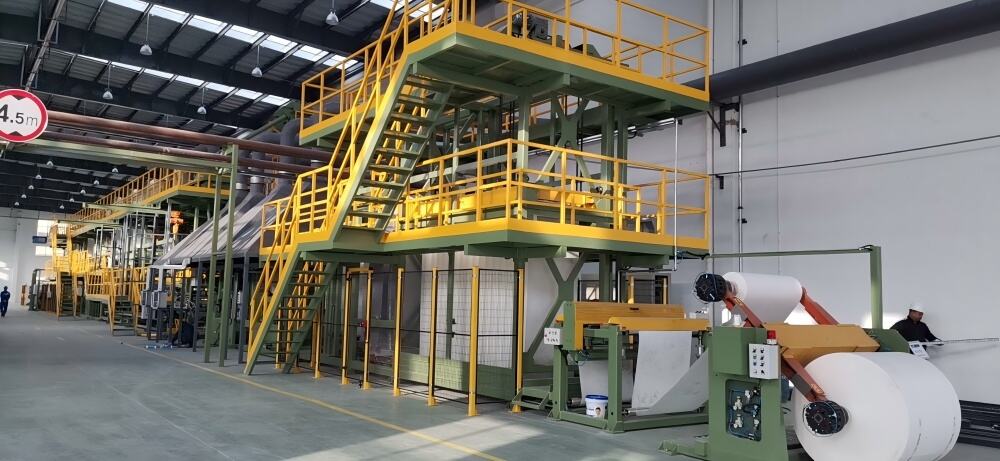
Industrial automation has transformed manufacturing processes across countless industries, with pneumatic piston assembly technology serving as a cornerstone of modern mechanical systems. These precision-engineered components deliver reliable linear motion, converting compressed air energy into controlled mechanical force that powers everything from assembly line equipment to heavy-duty manufacturing machinery. The evolution of pneumatic systems has made them indispensable for applications requiring consistent, repeatable motion with exceptional durability and cost-effectiveness.
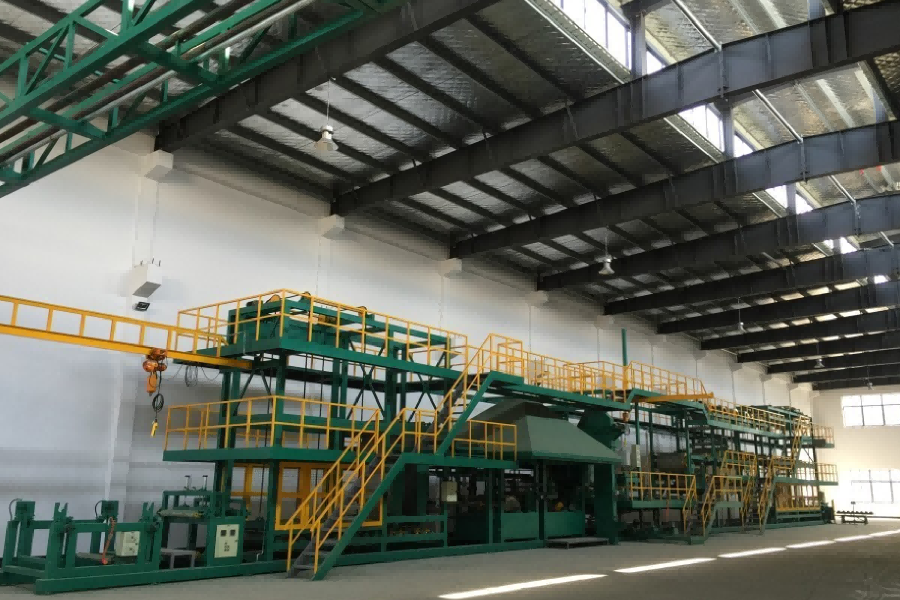
Modern manufacturing demands precise control over mechanical processes, and pneumatic technology delivers unmatched reliability in diverse operating environments. From automotive assembly plants to pharmaceutical packaging facilities, these systems provide the consistent performance that keeps production lines running efficiently. The versatility of pneumatic solutions allows engineers to customize applications for specific operational requirements while maintaining the simplicity and robustness that makes them ideal for industrial environments.
Understanding Pneumatic Piston Assembly Components
Core Structural Elements
The fundamental architecture of a pneumatic piston assembly comprises several critical components working in precise harmony to deliver controlled linear motion. The cylinder barrel forms the primary housing, typically manufactured from high-grade aluminum or steel alloys that resist corrosion and maintain dimensional stability under varying pressure conditions. Internal surface treatments ensure smooth piston travel while minimizing friction and wear over extended operational cycles.
Piston design incorporates advanced sealing technologies that maintain pressure integrity while allowing smooth reciprocating motion. Modern assemblies utilize polyurethane or nitrile rubber seals engineered for specific temperature ranges and chemical compatibility requirements. The piston rod, often chrome-plated or stainless steel, transmits force from the piston to external mechanisms while resisting corrosion and maintaining precise dimensional tolerances throughout millions of operational cycles.
Advanced Sealing Systems
Sealing technology represents one of the most critical aspects of pneumatic piston assembly performance, directly impacting efficiency, longevity, and operational reliability. Modern sealing systems employ multiple barriers including primary seals, secondary backup rings, and specialized wiper seals that prevent contamination while maintaining pressure integrity. These components must withstand extreme temperature variations, chemical exposure, and continuous mechanical stress while maintaining consistent performance.
Contemporary seal materials incorporate advanced polymer compounds that offer superior resistance to wear, temperature extremes, and chemical degradation. O-ring grooves are precision-machined to exact specifications, ensuring proper compression and preventing extrusion under high-pressure conditions. The integration of these sealing technologies allows pneumatic systems to operate reliably in harsh industrial environments where traditional mechanical systems might fail.
Operational Principles and Mechanics
Pressure Dynamics and Control
The operational effectiveness of pneumatic piston assembly systems relies on precise control of compressed air pressure and flow characteristics. Air pressure typically ranges from 80 to 150 PSI in most industrial applications, with flow control valves regulating the speed and force of piston movement. Directional control valves manage the sequence of pressurization and exhausting that creates bidirectional linear motion, allowing for precise positioning and controlled force application.
Modern pneumatic systems incorporate sophisticated pressure regulation technologies that maintain consistent force output despite variations in supply pressure or load conditions. Pressure sensors and feedback systems enable real-time monitoring and adjustment of operational parameters, ensuring optimal performance across varying operational demands. This level of control precision makes pneumatic systems ideal for applications requiring repeatable positioning accuracy and consistent force delivery.
Force Generation and Transmission
Force generation in pneumatic systems follows fundamental principles of fluid mechanics, where compressed air pressure acts against piston surface area to create linear force. The mathematical relationship between pressure, area, and force allows engineers to calculate exact force output for specific applications, ensuring adequate power delivery while avoiding system overdesign. Force transmission through the piston rod enables direct coupling to external mechanisms or through mechanical linkages for complex motion profiles.
Advanced pneumatic piston assembly designs incorporate force multiplication techniques through differential piston areas or mechanical advantage systems. These configurations enable high force output from relatively compact assemblies, making them suitable for space-constrained applications where hydraulic systems would be impractical. The ability to precisely control force application makes pneumatic systems particularly valuable for assembly operations requiring controlled insertion forces or delicate material handling.
Industrial Applications and Use Cases
Manufacturing and Assembly Operations
Manufacturing industries extensively utilize pneumatic piston assembly systems for automated production processes that demand high-speed, repetitive operations with consistent quality outcomes. Automotive assembly lines employ these systems for component insertion, fastening operations, and material handling tasks that require precise positioning and controlled force application. The rapid cycle times achievable with pneumatic systems, often exceeding several operations per second, make them indispensable for high-volume production environments.
Electronics manufacturing facilities rely on pneumatic systems for delicate component placement operations where excessive force could damage sensitive parts. The inherent compliance of pneumatic systems, combined with precise pressure control, allows for gentle handling of fragile components while maintaining positioning accuracy. These characteristics make pneumatic technology particularly valuable for pick-and-place operations, testing equipment, and quality control systems in modern electronics production facilities.
Material Handling and Logistics
Warehouse automation and material handling systems incorporate pneumatic piston assembly technology for conveyor systems, sorting mechanisms, and packaging operations. The reliable operation of pneumatic systems in dusty or contaminated environments makes them ideal for applications where cleanliness maintenance would be challenging with other technologies. Pneumatic actuators power diverters, gates, and lifting mechanisms that route products through complex distribution networks with minimal maintenance requirements.
Food and beverage processing industries particularly benefit from pneumatic systems due to their clean operation and ability to use food-grade lubricants or operate without lubrication entirely. Packaging machinery utilizes pneumatic technology for filling operations, sealing processes, and product handling where contamination prevention is critical. The absence of hydraulic fluid eliminates contamination risks while providing the precise control necessary for consistent packaging quality and production efficiency.
Performance Optimization and Efficiency
Energy Efficiency Considerations
Energy efficiency in pneumatic piston assembly systems depends heavily on proper system design, component selection, and operational optimization strategies. Compressed air generation represents a significant energy cost in industrial facilities, making efficient pneumatic system design crucial for operational economics. Modern systems incorporate energy recovery technologies, optimized valve timing, and pressure regulation systems that minimize air consumption while maintaining performance requirements.
Advanced pneumatic systems utilize variable pressure control and demand-based air supply systems that adjust operating parameters based on actual load requirements. These intelligent systems can reduce energy consumption by 20-40% compared to conventional fixed-pressure systems while maintaining operational performance. Integration with facility energy management systems enables monitoring and optimization of pneumatic system energy usage as part of comprehensive efficiency improvement programs.
Maintenance and Reliability Enhancement
Reliability optimization in pneumatic systems focuses on preventive maintenance strategies that address wear patterns, contamination control, and component replacement scheduling. Regular inspection of sealing systems, lubrication management, and air quality maintenance significantly extends component life and reduces unexpected downtime. Modern pneumatic piston assembly designs incorporate self-monitoring capabilities that track operational parameters and provide early warning of potential maintenance needs.
Predictive maintenance technologies utilize sensor data to monitor system performance trends and predict component replacement requirements before failure occurs. Vibration analysis, pressure monitoring, and cycle counting systems provide comprehensive data for maintenance planning and inventory management. These proactive approaches can extend component life by 50% or more while reducing maintenance costs and improving overall system reliability in critical production applications.
Selection Criteria and System Design
Application-Specific Requirements
Selecting appropriate pneumatic piston assembly components requires careful analysis of operational requirements including force specifications, stroke length, operating frequency, and environmental conditions. Load characteristics, both static and dynamic, determine cylinder sizing and pressure requirements while operating environment factors influence material selection and sealing system design. Temperature ranges, chemical exposure, and contamination levels must be considered to ensure long-term reliability and performance.
Speed requirements and positioning accuracy specifications influence valve selection, flow control design, and feedback system integration. Applications requiring precise positioning may need servo-pneumatic systems with closed-loop control, while simple on-off operations can utilize basic directional control valves. The integration of pneumatic systems with existing automation infrastructure requires careful consideration of control interfaces, communication protocols, and safety system integration.
Integration with Automation Systems
Modern manufacturing environments demand seamless integration between pneumatic piston assembly systems and digital control networks. Programmable logic controllers coordinate pneumatic operations with other automation systems, enabling complex manufacturing sequences and quality control processes. Communication protocols such as DeviceNet, Profibus, and Ethernet/IP allow real-time monitoring and control of pneumatic systems from centralized control systems.
Safety system integration ensures pneumatic operations comply with industrial safety standards and emergency shutdown requirements. Lockout/tagout procedures, emergency stop systems, and fail-safe valve configurations protect personnel and equipment during maintenance operations and emergency conditions. The integration of safety monitoring systems with pneumatic controls provides comprehensive protection while maintaining operational efficiency and regulatory compliance.
FAQ
What are the main advantages of pneumatic piston assemblies over hydraulic systems
Pneumatic piston assemblies offer several key advantages over hydraulic systems including cleaner operation without risk of fluid contamination, lower maintenance requirements, and faster response times. The compressible nature of air provides inherent overload protection and safer operation in explosive environments. Additionally, pneumatic systems typically have lower initial costs and simpler installation requirements compared to hydraulic alternatives.
How do you determine the correct cylinder size for a specific application
Cylinder sizing requires calculating the required force based on load requirements and adding a safety factor typically ranging from 25% to 50%. The cylinder bore area multiplied by operating pressure determines available force, while stroke length must accommodate the full range of motion plus any safety margins. Environmental factors, duty cycle, and speed requirements also influence final sizing decisions to ensure reliable long-term operation.
What maintenance procedures are essential for pneumatic piston assembly longevity
Essential maintenance includes regular inspection of air quality and filtration systems, lubrication system monitoring, and seal condition assessment. Air supply should be clean, dry, and properly filtered to prevent contamination and premature wear. Periodic replacement of seals based on cycle counts or time intervals, along with proper lubrication management, significantly extends component life and maintains system performance.
Can pneumatic systems provide precise positioning control for critical applications
Modern servo-pneumatic systems can achieve positioning accuracy within 0.1mm or better through closed-loop control systems and precision feedback devices. While traditional pneumatic systems are inherently less precise than servo motors due to air compressibility, advanced control algorithms and high-resolution position sensors enable pneumatic systems to meet demanding positioning requirements in many industrial applications while maintaining the cost and reliability advantages of pneumatic technology.
Table of Contents
- Understanding Pneumatic Piston Assembly Components
- Operational Principles and Mechanics
- Industrial Applications and Use Cases
- Performance Optimization and Efficiency
- Selection Criteria and System Design
-
FAQ
- What are the main advantages of pneumatic piston assemblies over hydraulic systems
- How do you determine the correct cylinder size for a specific application
- What maintenance procedures are essential for pneumatic piston assembly longevity
- Can pneumatic systems provide precise positioning control for critical applications