
 EN
EN
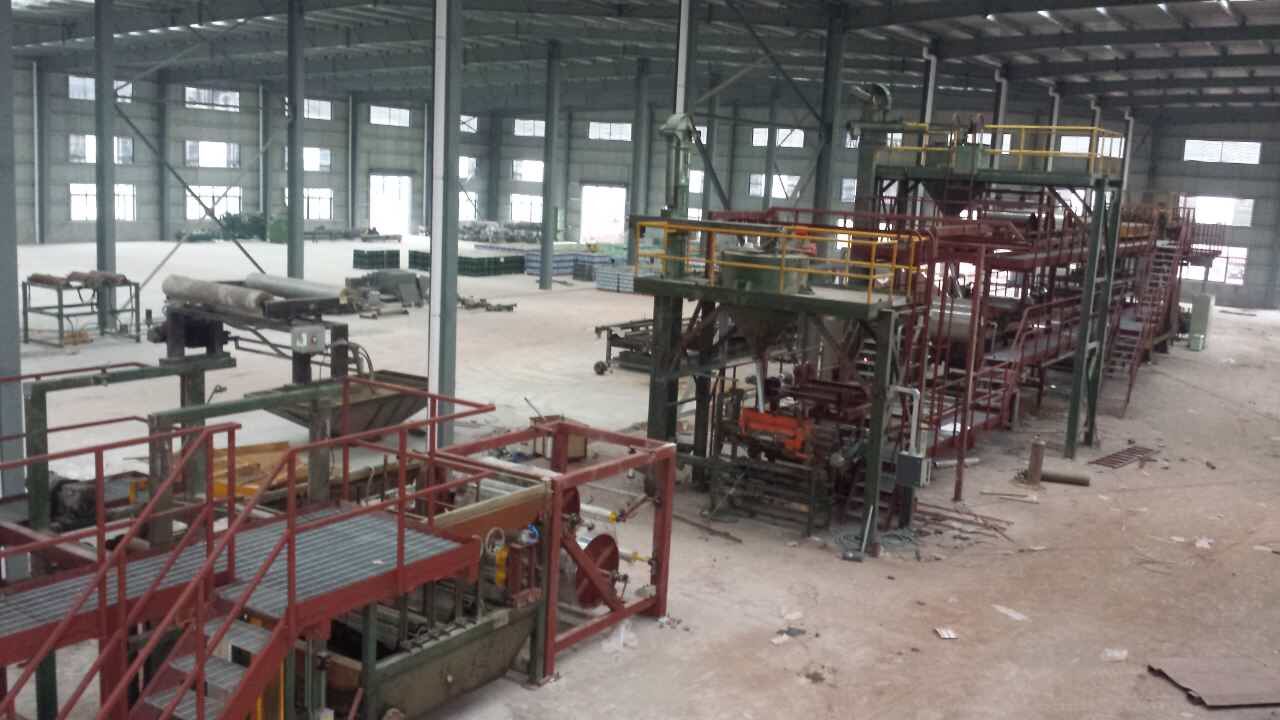
High-density polyethylene (HDPE) manufacturing demands precise temperature control throughout the extrusion process to ensure product quality, consistency, and operational efficiency. Temperature monitoring across an HDPE production line extruder serves as the foundation for maintaining optimal processing conditions, preventing material degradation, and achieving desired product specifications. Modern manufacturing facilities rely on sophisticated temperature monitoring systems to maintain the delicate balance between thermal energy input and polymer flow characteristics. Understanding the critical role of temperature control in HDPE processing enables manufacturers to optimize their production parameters and minimize costly defects.
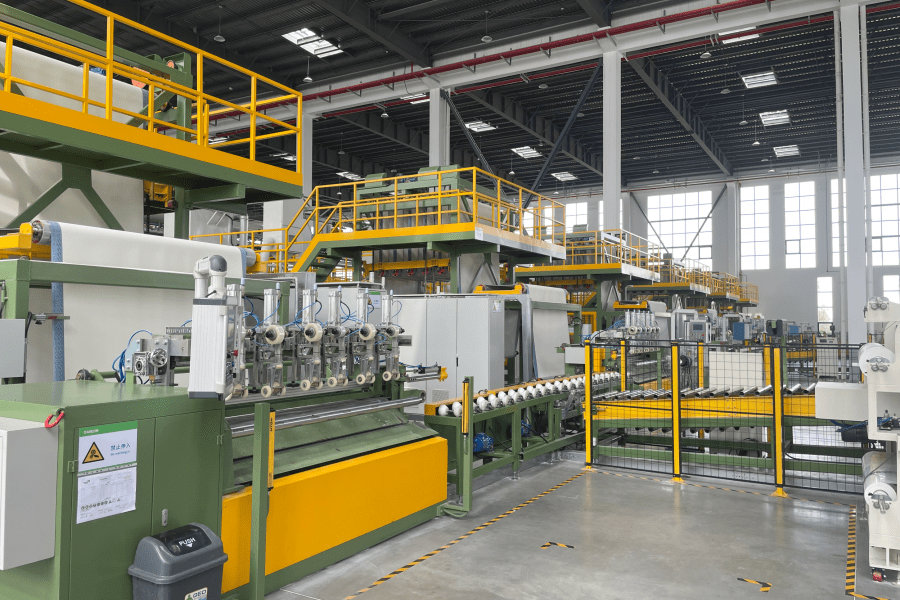
Fundamentals of HDPE Extrusion Temperature Control
Molecular Structure and Thermal Behavior
HDPE exhibits unique thermal properties that directly influence its processability during extrusion operations. The polymer's crystalline structure requires specific temperature ranges to achieve proper melting without thermal degradation. When HDPE reaches its melting point range of approximately 125-135°C, the crystalline regions begin to soften and flow, creating the homogeneous melt necessary for successful extrusion. Temperature variations beyond this optimal range can lead to incomplete melting, resulting in poor surface finish and mechanical properties in the final product.
The relationship between temperature and viscosity in HDPE follows predictable patterns that experienced operators leverage for process optimization. Higher temperatures reduce melt viscosity, facilitating easier flow through die configurations but potentially compromising molecular weight integrity. Conversely, insufficient heating creates high-viscosity conditions that increase energy consumption and may cause processing difficulties. Understanding these thermal characteristics enables manufacturers to establish precise temperature profiles across different extruder zones.
Heat Transfer Mechanisms in Extrusion
Effective heat transfer within HDPE extrusion systems involves multiple mechanisms working simultaneously to achieve uniform temperature distribution. Conductive heat transfer occurs through direct contact between heated barrel surfaces and polymer materials, while frictional heating generated by screw rotation contributes additional thermal energy. The balance between external heating and internal friction heating determines the overall temperature profile throughout the extruder length.
Convective heat transfer within the molten polymer helps distribute thermal energy uniformly across the melt cross-section. Proper screw design and rotation speeds enhance mixing efficiency, promoting consistent temperature distribution and eliminating potential hot spots that could cause material degradation. Monitoring systems must account for these various heat sources to maintain optimal processing conditions throughout the entire extrusion length.
Critical Temperature Zones and Their Functions
Feed Zone Temperature Management
The feed zone represents the initial stage where solid HDPE pellets enter the extruder and begin their transformation into molten polymer. Temperature control in this zone focuses on gradual heating to prevent premature melting that could cause feeding problems or material bridging. Optimal feed zone temperatures typically range from 160-180°C, providing sufficient thermal energy to initiate softening while maintaining material flow characteristics necessary for consistent feeding rates.
Monitoring feed zone temperatures helps identify potential feeding issues before they impact production quality or throughput. Excessive temperatures in this region can cause pellet fusion within the hopper or feed throat, leading to erratic material flow and processing instabilities. Conversely, insufficient heating may result in incomplete melting downstream, creating quality issues in the final product. Regular temperature monitoring enables operators to maintain optimal feeding conditions throughout extended production runs.
Compression and Metering Zone Control
Temperature monitoring becomes increasingly critical as HDPE progresses through compression and metering zones where complete melting and homogenization occur. These zones typically operate at temperatures between 190-220°C, ensuring complete polymer melting while avoiding thermal degradation. The compression zone gradually increases pressure and temperature, completing the melting process initiated in the feed zone. Precise temperature control in this region ensures uniform melt quality and consistent material properties.
Metering zone temperatures directly influence final product characteristics by determining melt uniformity and thermal history. This zone maintains consistent temperature and pressure conditions, preparing the homogeneous melt for die entry. Temperature variations in the metering zone can create quality inconsistencies, dimensional variations, or surface defects in extruded products. Continuous monitoring enables operators to detect and correct temperature deviations before they impact product quality or cause production disruptions.
Quality Impact of Temperature Monitoring
Mechanical Property Preservation
Maintaining optimal temperature profiles throughout the HDPE production line directly influences the mechanical properties of finished products. Excessive temperatures cause molecular degradation, reducing tensile strength, impact resistance, and overall durability of HDPE components. Temperature monitoring systems help operators maintain processing conditions that preserve polymer molecular weight and crystallinity, ensuring final products meet specified mechanical performance requirements.
The relationship between processing temperature and final product properties extends beyond mechanical characteristics to include chemical resistance and environmental stress crack resistance. Proper temperature control prevents thermal degradation that could compromise these critical performance attributes. Manufacturing facilities that implement comprehensive temperature monitoring typically achieve more consistent product quality and reduced warranty claims related to premature failure or performance degradation.
Dimensional Accuracy and Surface Quality
Temperature uniformity across the extruder length significantly impacts dimensional accuracy and surface finish of extruded HDPE products. Temperature variations create density differences within the melt, leading to uneven flow patterns and dimensional inconsistencies in the final product. Monitoring systems that detect and correct temperature variations help maintain consistent product dimensions throughout extended production runs, reducing waste and improving overall manufacturing efficiency.
Surface quality defects such as shark skin, melt fracture, or die lines often trace back to temperature control issues within the extrusion system. Proper temperature monitoring enables operators to identify and address these issues before they result in significant quality problems or production downtime. Advanced monitoring systems provide real-time feedback that allows for immediate process adjustments, minimizing the production of off-specification material and maintaining consistent surface quality standards.
Advanced Monitoring Technologies and Implementation
Sensor Technology and Placement Strategies
Modern HDPE extrusion operations employ various sensor technologies to achieve comprehensive temperature monitoring across all critical process zones. Thermocouple sensors provide reliable, accurate temperature measurements at multiple barrel locations, offering real-time feedback for process control systems. Resistance temperature detectors (RTDs) offer superior accuracy and stability for applications requiring precise temperature control, particularly in critical zones where small temperature variations significantly impact product quality.
Strategic sensor placement ensures comprehensive coverage of all critical temperature zones while minimizing interference with normal operations. Multiple sensors per zone provide redundancy and enhanced monitoring capability, enabling detection of localized temperature variations that single-point measurements might miss. Advanced systems incorporate wireless sensor technologies that eliminate wiring complications while providing reliable temperature data transmission to central monitoring systems.
Data Integration and Process Optimization
Integration of temperature monitoring data with overall process control systems enables automated optimization of HDPE extrusion operations. Advanced data analytics identify patterns and trends in temperature behavior, facilitating predictive maintenance strategies and process optimization initiatives. Machine learning algorithms analyze historical temperature data to predict optimal processing conditions for different product specifications and material grades, improving overall production efficiency and quality consistency.
Real-time temperature monitoring data supports immediate process adjustments that maintain optimal processing conditions throughout production runs. Automated control systems respond to temperature deviations faster than manual interventions, minimizing the production of off-specification material and reducing waste. Integration with production planning systems enables proactive temperature profile adjustments when transitioning between different product specifications or material grades, ensuring smooth production transitions and consistent quality output.
Troubleshooting and Optimization Strategies
Common Temperature-Related Issues
Temperature monitoring systems frequently identify common processing issues that impact HDPE production quality and efficiency. Uneven heating patterns across barrel zones create flow imbalances that manifest as dimensional variations, surface defects, or mechanical property inconsistencies. Early detection through comprehensive monitoring enables corrective actions before these issues result in significant quality problems or production losses.
Thermal degradation represents another critical issue detected through careful temperature monitoring and trending analysis. Gradual increases in processing temperatures over time may indicate equipment wear, contamination, or material specification changes that require attention. Proactive monitoring enables operators to identify and address these issues before they compromise product quality or cause equipment damage, supporting long-term production stability and equipment reliability.
Optimization Methodologies
Systematic temperature optimization involves analyzing historical production data to identify optimal temperature profiles for specific product requirements and material characteristics. Statistical process control techniques applied to temperature monitoring data reveal process capabilities and identify opportunities for improvement. Design of experiments methodologies help establish optimal temperature settings for new products or modified processing conditions, reducing development time and improving first-time quality rates.
Continuous improvement programs leverage temperature monitoring data to identify energy efficiency opportunities and processing optimizations. Analysis of heating system performance identifies potential energy savings through improved insulation, more efficient heating elements, or optimized temperature control strategies. These initiatives often result in reduced operating costs while maintaining or improving product quality standards, supporting overall manufacturing competitiveness and profitability.
FAQ
What temperature range is optimal for HDPE extrusion processing?
Optimal HDPE extrusion temperatures typically range from 160°C in the feed zone to 220°C in the metering zone, depending on specific material grade and product requirements. These temperatures ensure complete melting while preventing thermal degradation that could compromise mechanical properties. Different HDPE grades may require slight temperature adjustments based on molecular weight and additive content.
How frequently should temperature sensors be calibrated in HDPE production systems?
Temperature sensors in HDPE production systems should be calibrated every six months or according to manufacturer recommendations to ensure measurement accuracy. Critical process zones may require more frequent calibration, particularly in high-volume operations where small temperature variations significantly impact product quality. Regular calibration maintains process control reliability and supports consistent product quality standards.
What are the consequences of inadequate temperature control in HDPE extrusion?
Inadequate temperature control in HDPE extrusion can result in incomplete melting, thermal degradation, dimensional variations, surface defects, and compromised mechanical properties. These issues often manifest as increased waste rates, customer complaints, and higher production costs. Proper temperature monitoring and control systems prevent these problems while supporting consistent product quality and manufacturing efficiency.
How does temperature monitoring contribute to energy efficiency in HDPE production?
Temperature monitoring enables optimization of heating system performance, reducing energy consumption while maintaining optimal processing conditions. Real-time monitoring data helps identify opportunities for energy savings through improved temperature control strategies, better insulation, and more efficient heating element operation. These optimizations often result in significant cost savings while supporting environmental sustainability initiatives.
Table of Contents
- Fundamentals of HDPE Extrusion Temperature Control
- Critical Temperature Zones and Their Functions
- Quality Impact of Temperature Monitoring
- Advanced Monitoring Technologies and Implementation
- Troubleshooting and Optimization Strategies
-
FAQ
- What temperature range is optimal for HDPE extrusion processing?
- How frequently should temperature sensors be calibrated in HDPE production systems?
- What are the consequences of inadequate temperature control in HDPE extrusion?
- How does temperature monitoring contribute to energy efficiency in HDPE production?