 EN
EN
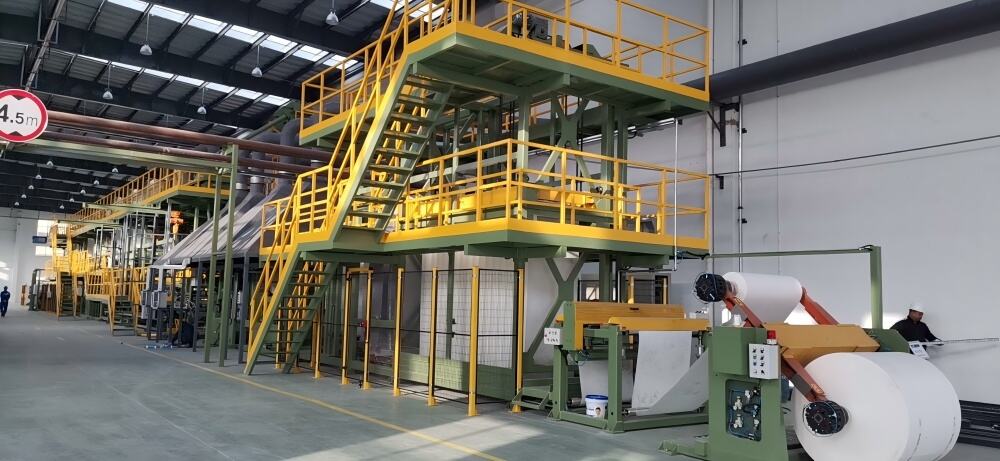
Modern industrial processes rely heavily on advanced separation technologies to achieve optimal efficiency and product quality. Membrane equipment has emerged as a cornerstone technology across numerous industries, from water treatment and pharmaceutical manufacturing to food processing and chemical production. These sophisticated systems utilize selective barriers to separate components based on molecular size, charge, or other physical properties, offering unprecedented precision in industrial applications. The versatility and reliability of membrane-based solutions have revolutionized how manufacturers approach purification, concentration, and separation challenges in today's competitive marketplace.
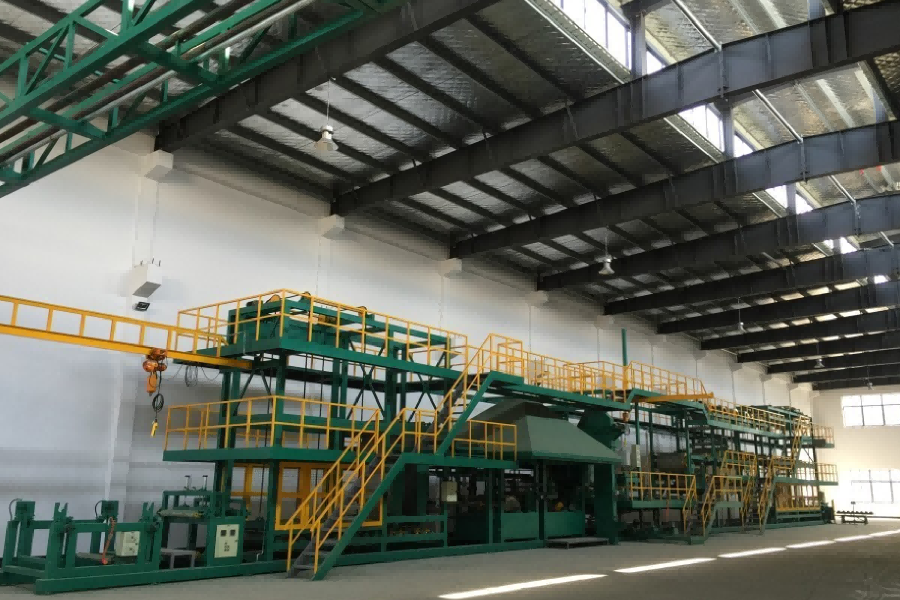
Fundamental Principles of Membrane Technology
Selective Permeation Mechanisms
The core functionality of membrane equipment depends on selective permeation, where certain molecules pass through while others are retained. This process operates through various mechanisms including size exclusion, solution-diffusion, and electrostatic interactions. Understanding these principles is crucial for selecting the appropriate membrane type and optimizing system performance. The driving force typically involves pressure differentials, concentration gradients, or electrical potentials that facilitate the separation process.
Different membrane materials exhibit varying selectivity characteristics, making them suitable for specific applications. Polymeric membranes offer excellent chemical resistance and mechanical stability, while ceramic membranes provide superior thermal stability and durability in harsh environments. The choice between these options significantly impacts the overall system design and operational parameters.
Mass Transfer Dynamics
Effective operation of membrane systems requires thorough understanding of mass transfer phenomena occurring at the membrane interface. Concentration polarization effects can reduce system efficiency by creating boundary layers that limit transport rates. Proper system design incorporates strategies to minimize these effects through optimized flow patterns and operating conditions.
Temperature, pressure, and feed composition all influence mass transfer rates in membrane processes. Operators must carefully balance these parameters to achieve desired separation performance while maintaining membrane integrity. Advanced control systems now enable real-time optimization of these variables to maximize throughput and product quality.
Industrial Applications and Market Segments
Water Treatment and Purification
Water treatment represents one of the largest application areas for membrane equipment, encompassing municipal water supplies, industrial process water, and wastewater treatment facilities. Reverse osmosis systems effectively remove dissolved salts, organic compounds, and microorganisms from contaminated water sources. Ultrafiltration and microfiltration systems provide additional treatment stages for specific contaminant removal requirements.
Industrial facilities increasingly rely on membrane-based water treatment systems to meet stringent discharge regulations and reduce environmental impact. These systems offer consistent performance with minimal chemical usage compared to traditional treatment methods. The ability to recover and reuse treated water also provides significant cost savings for water-intensive industries.
Pharmaceutical and Biotechnology Manufacturing
The pharmaceutical industry utilizes membrane equipment for critical applications including protein purification, virus removal, and sterile filtration. These processes require extremely high purity standards and reliable performance to meet regulatory requirements. Tangential flow filtration systems enable gentle processing of sensitive biological materials while maintaining product integrity.
Biopharmaceutical production particularly benefits from membrane-based separation technologies due to their ability to process complex biological mixtures without denaturing active compounds. Single-use membrane systems have gained popularity in this sector for their convenience and reduced cross-contamination risks.
System Design Considerations
Membrane Module Configuration
Selecting the appropriate membrane module configuration significantly impacts system performance and operating costs. Spiral wound modules offer high packing density and are well-suited for high-pressure applications like reverse osmosis. Hollow fiber modules provide excellent surface area to volume ratios and work effectively in low-pressure applications such as ultrafiltration.
Plate and frame modules allow easy membrane replacement and are ideal for applications requiring frequent cleaning or membrane changes. Each configuration presents unique advantages and limitations that must be evaluated against specific process requirements and economic considerations.
Process Integration Strategies
Successful membrane equipment implementation requires careful integration with existing process systems. Pre-treatment steps often necessary to protect membrane surfaces from fouling and damage. Post-treatment processes may be required to achieve final product specifications or handle concentrate streams appropriately.
Multi-stage membrane systems can achieve higher separation efficiency by combining different membrane types or operating conditions. Hybrid systems incorporating membrane technology with conventional separation methods often provide optimal overall performance for complex separation challenges.
Performance Optimization and Maintenance
Fouling Prevention and Control
Membrane fouling represents the primary challenge in maintaining consistent system performance over extended operating periods. Organic fouling, scaling, and biological growth can significantly reduce permeate flux and compromise product quality. Implementing effective pretreatment and regular cleaning protocols helps minimize these issues.
Advanced monitoring systems now enable early detection of fouling conditions through pressure and flux measurements. Predictive maintenance approaches using these monitoring capabilities help optimize cleaning schedules and extend membrane service life while maintaining optimal performance levels.
Chemical Cleaning and Sanitization
Regular chemical cleaning maintains membrane equipment performance by removing accumulated foulants and restoring original flux rates. Different cleaning chemicals target specific types of fouling, requiring careful selection based on feed characteristics and fouling patterns. Alkaline cleaners effectively remove organic deposits, while acidic solutions dissolve mineral scale formations.
Sanitization protocols ensure microbiological safety in applications requiring sterile conditions. Steam sterilization, chemical sanitizers, and hot water flushes each offer different advantages depending on membrane material compatibility and process requirements. Proper cleaning validation confirms the effectiveness of cleaning procedures.
Economic Considerations and Return on Investment
Capital and Operating Cost Analysis
Initial capital investment in membrane equipment must be evaluated against long-term operating costs and benefits. While membrane systems may require higher upfront investment compared to conventional technologies, they often provide lower operating costs through reduced chemical usage and energy consumption. Life cycle cost analysis helps determine the most economical solution for specific applications.
Operating costs include membrane replacement, cleaning chemicals, energy consumption, and labor requirements. Modern membrane equipment designs focus on minimizing these ongoing expenses through improved membrane durability, automated operation, and energy-efficient designs.
Productivity and Quality Benefits
Membrane equipment often enables higher product quality and consistency compared to traditional separation methods. This improved quality can command premium pricing in many markets, providing additional revenue opportunities. Reduced product losses and improved yields also contribute to overall economic benefits.
The ability to operate continuously with minimal downtime provides significant productivity advantages over batch-based separation processes. Automated control systems enable unmanned operation during extended periods, reducing labor costs and improving operational efficiency.
Future Trends and Technology Developments
Advanced Membrane Materials
Research and development efforts continue to produce new membrane materials with enhanced performance characteristics. Nanocomposite membranes incorporating advanced nanomaterials offer improved selectivity and antifouling properties. These materials enable membrane equipment to address increasingly challenging separation requirements across various industries.
Smart membranes with responsive properties can adapt to changing process conditions automatically. These advanced materials represent the next generation of membrane technology, promising improved efficiency and reduced maintenance requirements.
Process Intensification and Integration
Future membrane equipment designs emphasize process intensification through compact, high-performance systems that maximize separation efficiency while minimizing footprint and energy consumption. Integration with renewable energy sources and waste heat recovery systems further enhances the environmental sustainability of membrane processes.
Digital transformation initiatives are incorporating artificial intelligence and machine learning capabilities into membrane equipment operation. These technologies enable predictive maintenance, automatic optimization, and remote monitoring capabilities that improve system reliability and performance.
FAQ
What factors determine membrane equipment selection for specific applications
Membrane equipment selection depends on several critical factors including feed composition, required separation specifications, operating conditions, and economic considerations. The molecular weight cutoff, chemical compatibility, and pressure requirements must match the specific application needs. Additionally, factors such as cleaning requirements, membrane lifespan, and maintenance complexity influence the selection process.
How often should membrane equipment undergo cleaning and maintenance
Cleaning frequency depends on feed quality, operating conditions, and performance monitoring data. Most systems require cleaning when flux decreases by 10-15% from baseline values or when transmembrane pressure increases significantly. Preventive maintenance schedules typically include daily visual inspections, weekly performance monitoring, and periodic comprehensive system evaluations based on manufacturer recommendations and operational experience.
What are the main advantages of membrane equipment over conventional separation methods
Membrane equipment offers several key advantages including continuous operation, minimal chemical usage, precise separation control, and compact system design. These systems typically provide higher product quality, lower energy consumption, and reduced environmental impact compared to traditional separation technologies. The ability to operate at ambient temperatures also preserves heat-sensitive materials and reduces energy costs.
How can operators maximize the lifespan of membrane equipment
Maximizing membrane equipment lifespan requires proper pretreatment, regular cleaning protocols, and adherence to recommended operating parameters. Avoiding exposure to incompatible chemicals, maintaining appropriate pH levels, and preventing excessive pressure or temperature conditions help preserve membrane integrity. Implementing comprehensive monitoring systems enables early detection of potential issues before they cause permanent damage to the membrane elements.