
 EN
EN
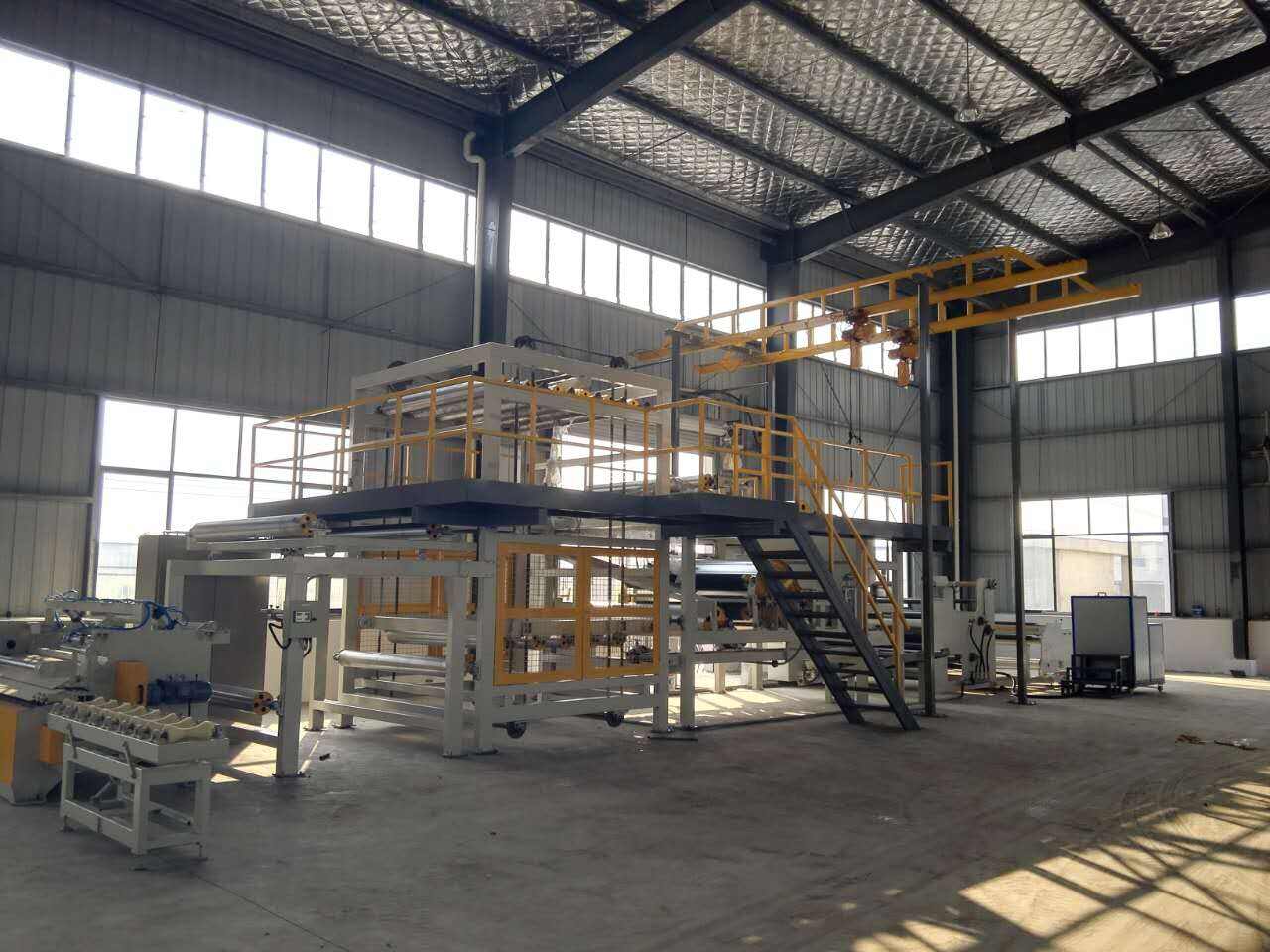
Maintaining your asphalt shingle cutter machine through systematic daily, weekly, and monthly routines is essential for ensuring consistent production quality, minimizing unexpected breakdowns, and extending equipment lifespan. A well-structured maintenance checklist helps production managers and operators identify potential issues before they escalate into costly repairs or production delays that can disrupt your entire manufacturing schedule.
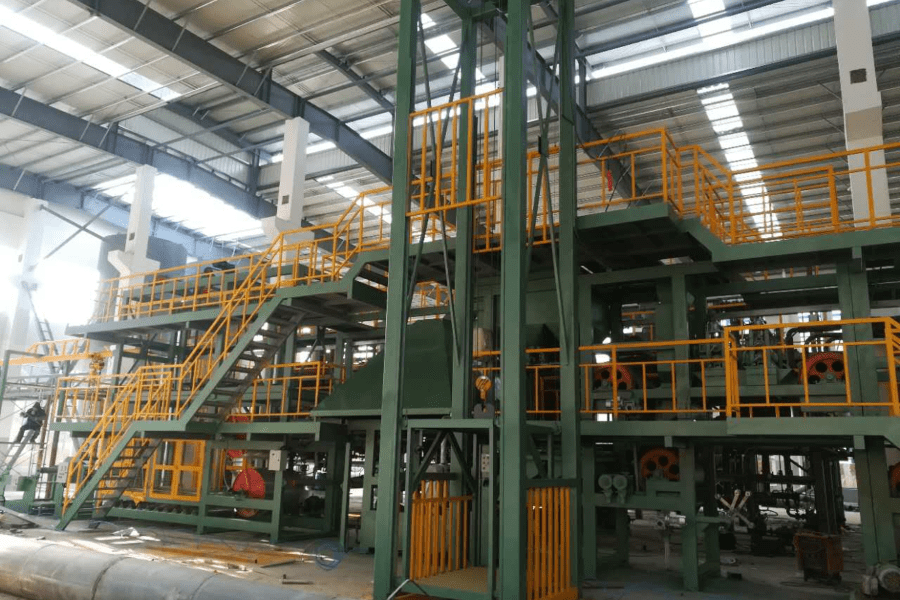
Implementing a comprehensive maintenance program for your asphalt shingle cutter machine requires understanding the specific wear patterns, lubrication needs, and calibration requirements that directly impact cutting precision and operational efficiency. This systematic approach to machine care not only protects your investment but also ensures consistent product quality that meets industry standards and customer expectations throughout your production cycles.
Daily Maintenance Routines for Optimal Performance
Pre-Shift Inspection Protocol
Before starting your asphalt shingle cutter machine each day, conduct a thorough visual inspection of all cutting blades, checking for signs of wear, chipping, or misalignment that could affect cutting quality. Examine the blade mounting hardware to ensure all bolts and clamps remain properly tightened, as vibration during operation can gradually loosen these critical components. Verify that blade guards and safety shields are securely positioned and free from damage that could compromise operator safety during production runs.
Check all pneumatic and hydraulic connections for signs of leakage, paying particular attention to fittings near the cutting mechanism where pressure fluctuations are most common. Inspect electrical connections and control cables for any signs of wear, fraying, or exposure that could lead to operational failures or safety hazards. Document any irregularities observed during this inspection process to establish patterns that may indicate developing maintenance needs.
Lubrication and Cleaning Tasks
Apply fresh lubricant to all designated grease points on your asphalt shingle cutter machine according to manufacturer specifications, ensuring proper coverage of bearings, pivot points, and sliding mechanisms. Clean cutting surfaces thoroughly to remove accumulated asphalt residue, granules, and debris that can interfere with precise cutting operations and cause premature blade wear. Use appropriate solvents and cleaning agents recommended for your specific machine model to avoid damaging seals or protective coatings.
Remove dust and debris from cooling fans, air filters, and ventilation openings to maintain proper operating temperatures and prevent overheating of critical components. Check and clean optical sensors, limit switches, and proximity detectors that control cutting timing and positioning accuracy. Maintain detailed records of daily lubrication activities to ensure consistent application intervals and identify any components requiring more frequent attention.
Weekly Maintenance Procedures
Cutting Blade Assessment and Adjustment
Perform detailed measurements of cutting blade dimensions and edge condition using precision gauges to identify wear patterns that may require blade rotation, resharpening, or replacement. Check blade alignment relative to cutting guides and material feed paths, making necessary adjustments to maintain consistent cut quality and minimize material waste. Evaluate blade tension and mounting stability, ensuring optimal cutting force distribution across the entire cutting edge.
Test cutting precision by processing sample materials and measuring dimensional accuracy against established tolerances for your asphalt shingle cutter machine. Document cutting performance metrics to track gradual changes in accuracy that may indicate developing mechanical issues or the need for blade maintenance. Adjust cutting parameters as needed to compensate for normal blade wear while maintaining production quality standards.
Mechanical System Verification
Inspect drive belts, chains, and coupling assemblies for proper tension, alignment, and signs of wear that could affect power transmission efficiency. Check gearbox oil levels and condition, looking for contamination, unusual discoloration, or metal particles that might indicate internal wear. Verify proper operation of all safety interlocks, emergency stops, and protective devices to ensure continued compliance with safety standards.
Test all control functions including start/stop sequences, speed adjustments, and cutting cycle timing to confirm reliable operation of electronic control systems. Examine structural components, mounting brackets, and machine foundations for signs of fatigue, cracking, or loosening that could affect operational stability. Perform calibration checks on measurement systems and positioning controls to maintain cutting accuracy specifications.
Monthly Comprehensive Maintenance
Complete System Inspection
Conduct a thorough examination of your asphalt shingle cutter machine's entire mechanical structure, including frame welds, bolt connections, and support assemblies for any signs of stress, corrosion, or structural degradation. Remove protective covers and access panels to inspect internal components that are not visible during routine daily operations. Check alignment of all moving parts using precision measuring instruments to detect any drift from original specifications that could affect cutting quality or accelerate component wear.
Analyze vibration patterns and noise levels during operation to identify developing issues with bearings, drive mechanisms, or balance problems that may not be apparent through visual inspection alone. Document baseline measurements for comparison with future monthly inspections to track gradual changes in machine condition. Review maintenance logs from the previous month to identify any recurring issues or patterns that require attention.
Fluid Systems Maintenance
Replace hydraulic fluid, coolant, and lubricating oils according to manufacturer schedules, ensuring proper disposal of used fluids in accordance with environmental regulations. Flush cooling systems to remove accumulated scale, debris, or contamination that could reduce heat transfer efficiency and lead to overheating problems. Replace filter elements in hydraulic, pneumatic, and lubrication systems to maintain proper fluid cleanliness and system performance.
Test pressure relief valves, flow control devices, and safety systems to verify proper operation within specified parameters. Check reservoir levels, fill caps, and breather filters to ensure adequate fluid capacity and contamination protection. Analyze fluid samples for signs of contamination, degradation, or component wear that might indicate developing problems requiring immediate attention.
Documentation and Record Keeping
Maintenance Log Management
Maintain comprehensive records of all maintenance activities performed on your asphalt shingle cutter machine, including dates, procedures completed, parts replaced, and personnel involved in each task. Create standardized forms and checklists that ensure consistency in maintenance documentation across different shifts and operators. Include photographic documentation of component condition, wear patterns, and any abnormalities discovered during inspection processes.
Track component replacement intervals, failure patterns, and maintenance costs to identify opportunities for improved maintenance scheduling or equipment upgrades. Use maintenance management software or manual tracking systems to schedule upcoming maintenance tasks and ensure no critical procedures are overlooked. Maintain vendor contact information, parts numbers, and technical documentation for quick access during maintenance activities or emergency repairs.
Performance Metrics Analysis
Monitor key performance indicators such as cutting accuracy, production rate, and downtime frequency to assess the effectiveness of your maintenance program for the asphalt shingle cutter machine. Analyze trends in maintenance costs, replacement part consumption, and repair frequency to optimize maintenance intervals and procedures. Compare actual machine performance against manufacturer specifications and industry benchmarks to identify areas for improvement.
Review safety incident reports, near-miss events, and equipment failures to identify potential maintenance-related safety risks that require attention. Correlate maintenance activities with production quality metrics to demonstrate the value of preventive maintenance in maintaining consistent product quality. Use performance data to justify maintenance budget requests and equipment replacement decisions to management.
FAQ
How often should cutting blades be replaced on an asphalt shingle cutter machine?
Cutting blade replacement frequency depends on production volume, material characteristics, and blade quality, but typically ranges from 40,000 to 100,000 cuts per blade. Monitor cutting quality, edge condition, and dimensional accuracy to determine optimal replacement timing rather than relying solely on predetermined schedules. Document blade performance to establish replacement patterns specific to your production requirements and material types.
What are the most critical daily maintenance tasks for preventing unexpected breakdowns?
The most critical daily tasks include visual inspection of cutting blades and safety systems, checking lubrication levels at all designated points, cleaning accumulated debris from cutting surfaces, and verifying proper operation of all control functions. These basic procedures help identify developing problems before they cause production interruptions or safety hazards.
How can maintenance records help improve asphalt shingle cutter machine reliability?
Detailed maintenance records enable pattern recognition for component failures, optimization of maintenance intervals, and identification of recurring problems that may indicate design issues or operator training needs. Historical data helps predict future maintenance requirements, budget for replacement parts, and demonstrate compliance with warranty requirements and safety regulations.
What safety precautions should be followed during monthly maintenance procedures?
Monthly maintenance requires lockout/tagout procedures, proper personal protective equipment, and verification that all energy sources are isolated before accessing internal components. Follow manufacturer safety guidelines, ensure adequate lighting and workspace clearance, and have appropriate lifting equipment available for heavy component removal. Never bypass safety interlocks or perform maintenance on energized equipment.
Table of Contents
- Daily Maintenance Routines for Optimal Performance
- Weekly Maintenance Procedures
- Monthly Comprehensive Maintenance
- Documentation and Record Keeping
-
FAQ
- How often should cutting blades be replaced on an asphalt shingle cutter machine?
- What are the most critical daily maintenance tasks for preventing unexpected breakdowns?
- How can maintenance records help improve asphalt shingle cutter machine reliability?
- What safety precautions should be followed during monthly maintenance procedures?