
 EN
EN
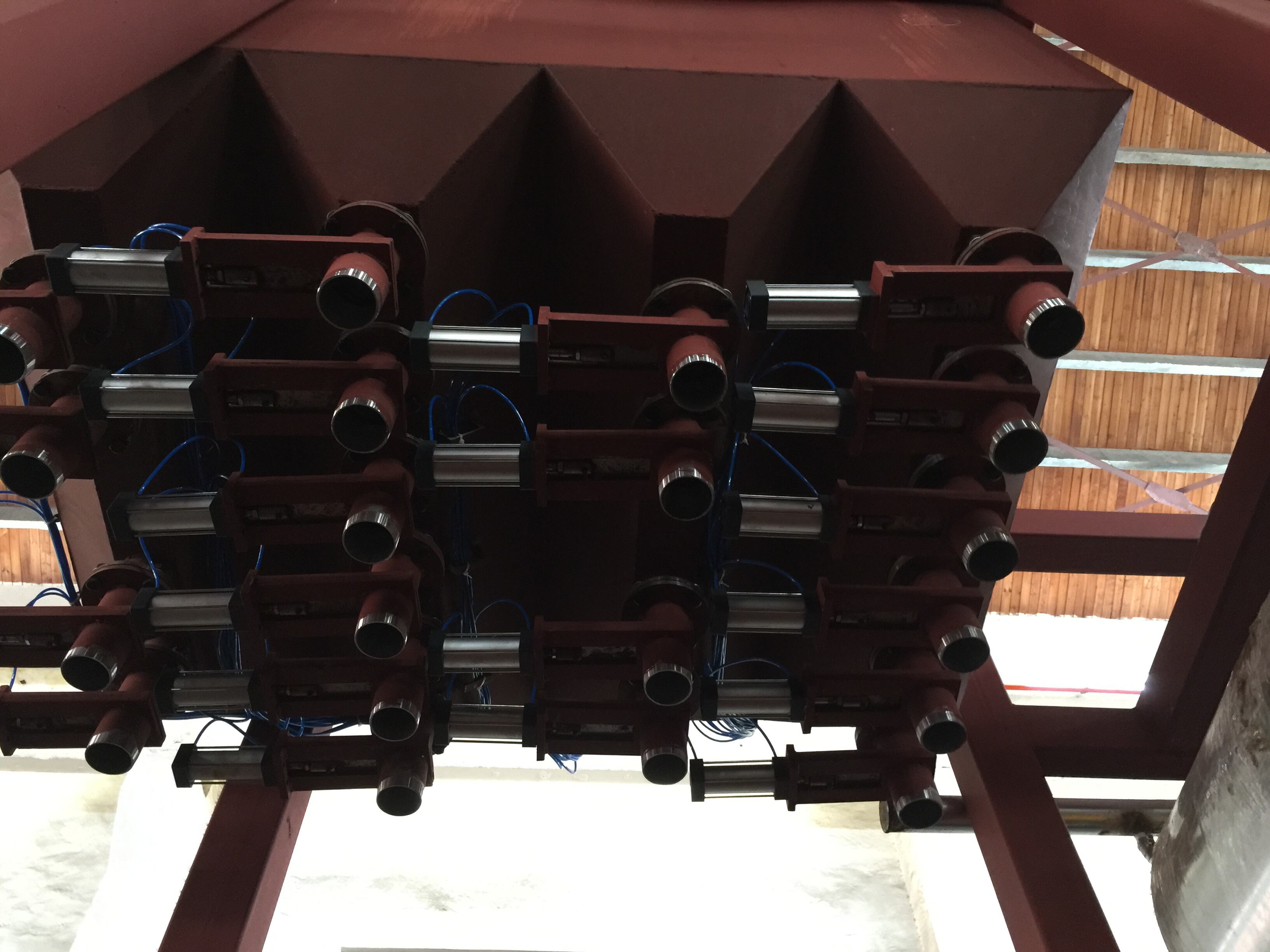
Modern roofing manufacturing demands precision, efficiency, and consistent quality that only automated systems can deliver. An asphalt shingle production line represents a sophisticated integration of machinery, control systems, and process optimization designed to transform raw materials into high-quality roofing products with minimal human intervention. The shift toward automation in shingle manufacturing has become essential for companies seeking to maintain competitive advantages while meeting increasing market demands for both volume and quality consistency.
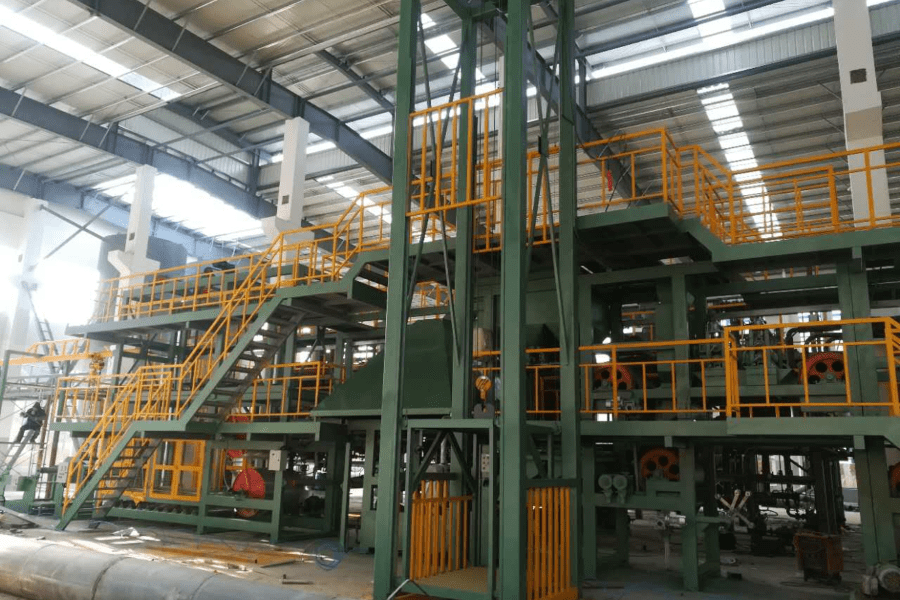
Implementing automation in your asphalt shingle production line involves strategic planning across multiple operational phases, from material handling and mixing through forming, coating, and packaging. The complexity of modern shingle manufacturing requires coordinated control systems that manage temperature profiles, material flow rates, quality inspection protocols, and production scheduling. Understanding the automation framework enables manufacturers to optimize their investment while ensuring seamless integration with existing facilities and workforce capabilities.
Core Automation Components in Asphalt Shingle Manufacturing
Material Handling and Feed Systems
Automated material handling forms the foundation of efficient asphalt shingle production line operations. These systems incorporate programmable conveyor networks, automated storage and retrieval mechanisms, and precision weighing stations that eliminate manual material transfer bottlenecks. Advanced feed systems utilize load cells, flow meters, and computerized batch controls to ensure consistent material ratios while minimizing waste and reducing operator dependency for routine material movement tasks.
The integration of automated material handling extends beyond simple conveyance to include intelligent inventory management systems that track raw material consumption rates, predict reorder points, and coordinate with upstream suppliers. Modern asphalt shingle production line configurations employ RFID tracking, barcode scanning, and automated quality verification protocols that ensure only approved materials enter the production stream while maintaining complete traceability throughout the manufacturing process.
Process Control and Monitoring Systems
Sophisticated process control architecture represents the nerve center of automated asphalt shingle production line operations. These systems employ distributed control networks that monitor critical parameters including asphalt temperature, granule application rates, mat thickness, and curing conditions in real-time. Programmable logic controllers coordinate equipment sequences while advanced sensors provide continuous feedback to maintain optimal production parameters without constant operator intervention.
Modern process monitoring incorporates predictive analytics capabilities that analyze production trends, identify potential equipment issues before failures occur, and optimize operational efficiency through continuous parameter adjustment. The control systems maintain detailed production logs, quality metrics, and performance indicators that enable data-driven decision making while ensuring compliance with industry standards and regulatory requirements for asphalt shingle production line operations.
Automation Integration Strategies and Implementation
Phased Automation Deployment
Successful automation of an asphalt shingle production line typically follows a structured implementation approach that minimizes operational disruption while maximizing return on investment. The initial phase often focuses on automating the most labor-intensive or quality-critical processes, such as granule application systems or thickness control mechanisms. This strategic approach allows operators to gain experience with automated systems while maintaining production continuity during the transition period.
Subsequent automation phases can address more complex integration challenges, including automated quality inspection systems, advanced process optimization algorithms, and comprehensive data management platforms. The phased approach enables manufacturers to spread capital investments over time while building internal expertise necessary to maintain and optimize increasingly sophisticated asphalt shingle production line automation systems.
System Integration and Compatibility
Effective automation requires careful consideration of system compatibility between new automated components and existing asphalt shingle production line equipment. Integration planning must address communication protocols, control system architectures, and mechanical interfaces to ensure seamless operation across all production stages. Modern automation platforms utilize standardized industrial communication networks that facilitate integration while providing flexibility for future system expansions or upgrades.
The compatibility assessment extends beyond technical specifications to include operational workflows, maintenance procedures, and operator training requirements. Successful integration ensures that automated systems enhance rather than complicate existing production processes while providing clear pathways for continuous improvement and system evolution as market demands and technology capabilities advance.
Quality Control and Inspection Automation
Automated Quality Monitoring
Advanced quality control systems represent a critical component of modern asphalt shingle production line automation, employing sophisticated sensing technologies to monitor product characteristics in real-time. These systems utilize laser measurement devices, thermal imaging cameras, and optical inspection equipment to continuously assess shingle thickness, granule distribution, color consistency, and surface quality without interrupting production flow.
Automated quality monitoring extends beyond simple measurement to include statistical process control algorithms that identify trends, predict quality deviations, and automatically adjust process parameters to maintain specifications. The integration of machine learning capabilities enables these systems to improve accuracy over time while reducing false alarms and minimizing unnecessary production interruptions in asphalt shingle production line operations.
Defect Detection and Rejection Systems
Sophisticated defect detection systems employ computer vision technology and artificial intelligence algorithms to identify quality issues that may not be apparent through traditional inspection methods. These automated systems can detect subtle variations in granule adhesion, minor surface imperfections, and dimensional inconsistencies while maintaining production speeds that would be impossible with manual inspection processes.
The automated rejection systems coordinate with production line controls to remove defective products without disrupting overall flow while maintaining detailed records of rejection rates, defect types, and correlating process conditions. This comprehensive quality management approach ensures consistent product quality while providing valuable data for continuous improvement initiatives in asphalt shingle production line operations.
Production Optimization and Efficiency Enhancement
Throughput Optimization Systems
Advanced production optimization systems analyze real-time operational data to identify bottlenecks, optimize equipment utilization, and maximize overall asphalt shingle production line throughput. These systems employ sophisticated algorithms that consider equipment capabilities, material properties, quality requirements, and energy consumption patterns to determine optimal production parameters for different product specifications and market demands.
The optimization systems continuously monitor production metrics including cycle times, equipment efficiency, and resource utilization while automatically adjusting process parameters to maintain peak performance. Integration with enterprise resource planning systems enables coordination between production optimization and broader business objectives including inventory management, delivery schedules, and cost optimization targets.
Energy Management and Resource Efficiency
Automated energy management systems play an increasingly important role in asphalt shingle production line operations, monitoring and optimizing energy consumption across all production processes. These systems coordinate heating systems, motor controls, and auxiliary equipment to minimize energy usage while maintaining required production parameters and quality standards.
Resource efficiency optimization extends beyond energy management to include material waste reduction, water usage optimization, and emissions control coordination. Advanced automation systems track resource consumption patterns, identify efficiency improvement opportunities, and automatically implement optimization strategies that reduce operational costs while supporting environmental sustainability objectives in asphalt shingle production line operations.
Maintenance Automation and Predictive Analytics
Predictive Maintenance Systems
Modern asphalt shingle production line automation incorporates sophisticated predictive maintenance capabilities that monitor equipment condition, analyze performance trends, and predict maintenance requirements before failures occur. These systems employ vibration analysis, thermal monitoring, and performance tracking to assess equipment health while scheduling maintenance activities during planned downtime periods.
The predictive maintenance systems integrate with inventory management platforms to ensure necessary spare parts and maintenance supplies are available when needed while coordinating with production schedules to minimize operational disruptions. Advanced analytics capabilities enable these systems to optimize maintenance intervals, reduce unexpected downtime, and extend equipment life while maintaining peak performance in asphalt shingle production line operations.
Automated Diagnostic and Troubleshooting
Sophisticated diagnostic systems provide automated troubleshooting capabilities that help operators quickly identify and resolve operational issues in asphalt shingle production line systems. These systems maintain comprehensive databases of equipment parameters, fault conditions, and resolution procedures while providing step-by-step guidance for addressing common problems and optimizing system performance.
The automated diagnostic capabilities extend beyond simple fault identification to include root cause analysis, preventive action recommendations, and continuous improvement suggestions based on operational data analysis. Integration with remote monitoring systems enables expert support teams to provide assistance and guidance while maintaining detailed records of all maintenance and troubleshooting activities for regulatory compliance and quality assurance purposes.
FAQ
What are the key benefits of automating an asphalt shingle production line?
Automating an asphalt shingle production line delivers significant benefits including improved product quality consistency, increased production efficiency, reduced labor costs, and enhanced safety. Automation systems provide precise control over critical parameters, eliminate human error in routine processes, and enable continuous operation with minimal supervision. Additionally, automated systems generate comprehensive production data that supports quality improvement initiatives and regulatory compliance while reducing material waste and energy consumption.
How long does it typically take to implement automation in an existing production facility?
Implementation timelines for asphalt shingle production line automation vary significantly based on the scope of automation, existing equipment compatibility, and facility constraints. Simple automation upgrades may require 3-6 months, while comprehensive automation implementations can extend 12-18 months or longer. The timeline includes system design, equipment procurement, installation, testing, operator training, and gradual system optimization. Phased implementation approaches can reduce disruption while spreading costs over time.
What training requirements should manufacturers expect when implementing automation?
Automation implementation requires comprehensive training programs covering system operation, maintenance procedures, troubleshooting techniques, and safety protocols. Training typically includes classroom instruction, hands-on equipment familiarization, and supervised operation periods. Operators need to understand automated system interfaces, quality monitoring procedures, and emergency response protocols. Maintenance personnel require additional training on automated diagnostics, predictive maintenance systems, and advanced troubleshooting techniques specific to asphalt shingle production line automation.
How does automation impact production flexibility and product variety capabilities?
Modern asphalt shingle production line automation actually enhances production flexibility through programmable recipes, quick changeover capabilities, and automated parameter adjustment systems. Automated systems can store multiple product configurations and rapidly switch between different shingle specifications with minimal manual intervention. Advanced control systems optimize changeover times while maintaining quality standards across diverse product lines, enabling manufacturers to respond quickly to market demands and customer requirements while maximizing equipment utilization.
Table of Contents
- Core Automation Components in Asphalt Shingle Manufacturing
- Automation Integration Strategies and Implementation
- Quality Control and Inspection Automation
- Production Optimization and Efficiency Enhancement
- Maintenance Automation and Predictive Analytics
-
FAQ
- What are the key benefits of automating an asphalt shingle production line?
- How long does it typically take to implement automation in an existing production facility?
- What training requirements should manufacturers expect when implementing automation?
- How does automation impact production flexibility and product variety capabilities?