 EN
EN
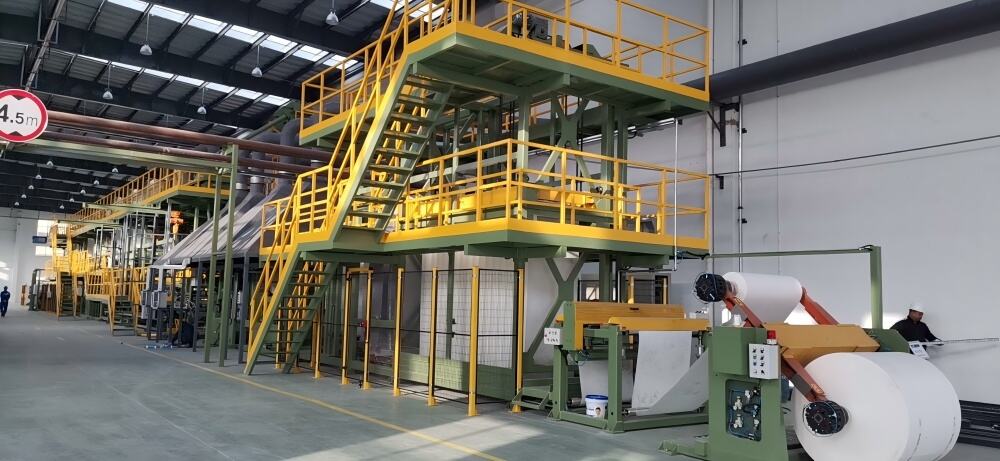
Manufacturing industries are experiencing a transformative shift as artificial intelligence technologies become increasingly sophisticated and accessible. Traditional quality control methods, while reliable, often struggle to keep pace with modern production demands and the complexity of advanced materials. This evolution is particularly evident in specialized manufacturing sectors where precision and consistency are paramount to product success and market competitiveness.
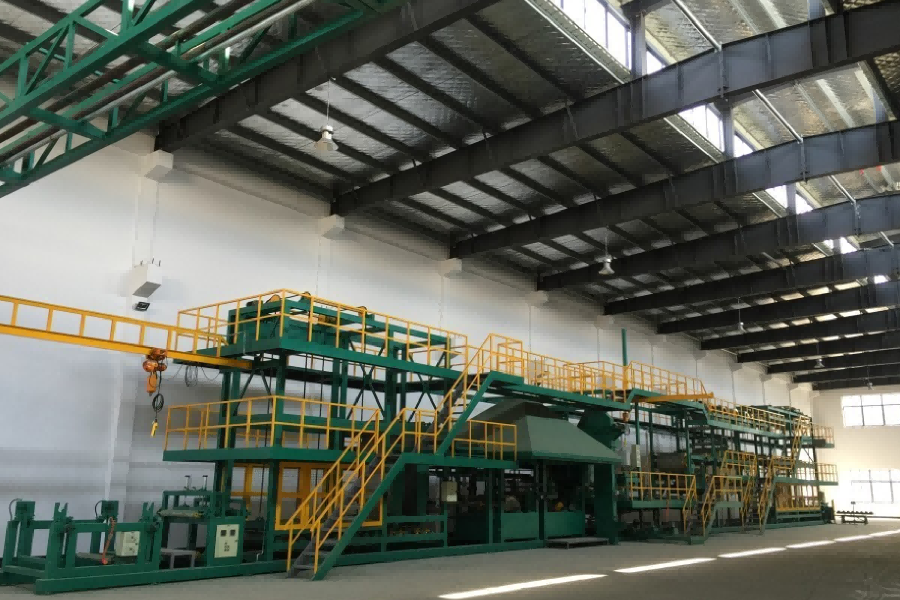
The membrane production industry represents a critical intersection where advanced materials science meets cutting-edge manufacturing technology. As applications for high-performance membranes expand across sectors including water treatment, medical devices, and industrial filtration, the demand for flawless quality control becomes increasingly urgent. Traditional inspection methods often fall short when dealing with microscopic defects or subtle variations that can significantly impact membrane performance.
Emerging AI-based quality control systems offer unprecedented capabilities for detecting anomalies, predicting failures, and optimizing production parameters in real-time. These intelligent systems can process vast amounts of visual and sensor data simultaneously, identifying patterns and irregularities that human operators might miss. The integration of machine learning algorithms with advanced imaging technologies creates opportunities for achieving new levels of quality assurance and operational efficiency.
Understanding Modern Membrane Production Challenges
Complexity of Membrane Manufacturing Processes
Modern membrane production involves intricate processes that require precise control over multiple variables including temperature, pressure, chemical composition, and timing. Each step in the manufacturing sequence presents potential points of failure where quality issues can emerge. Traditional quality control methods often rely on sampling techniques that may not capture intermittent defects or gradual process drift.
The microscopic nature of membrane structures adds another layer of complexity to quality assessment. Defects measured in nanometers can have significant impacts on membrane performance, yet detecting these flaws requires sophisticated inspection equipment and highly trained personnel. Manual inspection processes are time-consuming and subject to human error, particularly when dealing with high-volume production environments.
Current Quality Control Limitations
Existing quality control methodologies in membrane production typically involve periodic sampling and offline testing procedures. These approaches create time delays between defect occurrence and detection, potentially allowing defective products to continue through the production line. Additionally, sampling-based quality control may miss defects that occur between sample collection points, leading to customer quality issues and increased warranty costs.
Manual inspection processes are inherently limited by human visual capabilities and attention spans. Operators may experience fatigue during long shifts, leading to inconsistent inspection quality. Furthermore, subtle variations in membrane properties that fall within acceptable ranges but trend toward specification limits may go unnoticed until they become significant quality problems.
AI-Based Quality Control Technologies
Machine Vision and Deep Learning Systems
AI-based quality control systems leverage advanced machine vision technologies combined with deep learning algorithms to analyze product quality continuously. These systems can process multiple imaging modalities simultaneously, including visible light, infrared, and specialized microscopic techniques. Neural networks trained on thousands of examples can identify defect patterns with accuracy levels exceeding human capabilities.
Deep learning models excel at recognizing complex patterns and subtle variations that traditional rule-based systems cannot detect. By analyzing historical production data, these systems learn to predict quality issues before they manifest as visible defects. This predictive capability enables proactive adjustments to manufacturing parameters, reducing waste and improving overall product consistency.
Real-Time Data Integration and Analysis
Advanced AI systems integrate data from multiple sources throughout the production line, creating comprehensive quality profiles for each manufactured membrane. Sensor data including temperature, pressure, flow rates, and chemical compositions are analyzed alongside visual inspection results to provide holistic quality assessments. This multi-dimensional approach enables the detection of subtle correlations between process parameters and product quality.
Real-time data processing capabilities allow AI-based quality control systems to provide immediate feedback to production operators and automated control systems. When anomalies are detected, the system can automatically adjust process parameters or alert operators to potential issues before defective products are produced. This rapid response capability significantly reduces waste and improves production efficiency.
Implementation Benefits and ROI Considerations
Operational Efficiency Improvements
AI-based quality control systems deliver substantial improvements in operational efficiency by reducing inspection time and increasing detection accuracy. Automated systems can inspect 100% of produced membranes at production speeds, eliminating the time delays associated with sampling-based quality control. This comprehensive inspection capability ensures that quality issues are detected immediately, preventing the production of additional defective units.
The predictive capabilities of AI systems enable proactive maintenance scheduling and process optimization. By identifying trends that precede equipment failures or quality degradation, maintenance activities can be scheduled during planned downtime rather than emergency situations. This predictive maintenance approach reduces unplanned production interruptions and extends equipment life.
Cost Reduction and Quality Improvements
Implementation of AI-based quality control typically results in significant cost reductions through decreased waste, reduced rework, and improved customer satisfaction. Early detection of quality issues prevents the production of defective materials that would otherwise require disposal or expensive reprocessing. Additionally, consistent product quality reduces customer complaints and warranty claims.
The ability to optimize production parameters continuously leads to improved material utilization and energy efficiency. AI systems can identify operating conditions that maximize product quality while minimizing resource consumption. These optimizations compound over time, resulting in substantial cost savings and environmental benefits.
Technical Integration and Infrastructure Requirements
Hardware and Software Components
Successful implementation of AI-based quality control requires careful integration of hardware and software components designed for industrial environments. High-resolution cameras, specialized lighting systems, and advanced sensors must be positioned strategically throughout the production line to capture comprehensive quality data. Industrial-grade computing systems with sufficient processing power to handle real-time AI analysis are essential for system effectiveness.
Software infrastructure must accommodate the integration of AI algorithms with existing manufacturing execution systems and quality management databases. Cloud-based platforms can provide scalable computing resources for complex AI processing while maintaining local control for critical real-time decisions. Robust cybersecurity measures are essential to protect proprietary manufacturing data and ensure system reliability.
Training and Change Management
Successful AI implementation requires comprehensive training programs for production personnel and quality control staff. Operators must understand how to interpret AI system outputs and respond appropriately to automated alerts and recommendations. Technical staff need training on system maintenance, calibration procedures, and troubleshooting techniques specific to AI-based equipment.
Change management strategies should address potential concerns about job displacement and technology adoption. Emphasizing how AI systems augment rather than replace human expertise helps build acceptance and enthusiasm for new technologies. Clear communication about the benefits of AI-based quality control for both the company and individual workers facilitates smoother implementation.
Future Developments and Industry Trends
Emerging AI Technologies
The rapid evolution of AI technologies continues to expand the capabilities of quality control systems. Edge computing developments enable more sophisticated AI processing directly on production equipment, reducing latency and improving system responsiveness. Advanced neural network architectures specifically designed for industrial applications promise even greater accuracy and reliability in quality detection.
Integration with Internet of Things (IoT) technologies creates opportunities for comprehensive supply chain quality tracking and predictive analytics. AI systems can analyze data from raw material suppliers, production processes, and customer feedback to identify quality trends and optimization opportunities across the entire value chain.
Industry Adoption and Standardization
Growing adoption of AI-based quality control across manufacturing industries is driving the development of industry standards and best practices. Regulatory agencies are beginning to recognize AI-based inspection methods as equivalent or superior to traditional techniques for certain applications. This regulatory acceptance facilitates broader adoption and investment in AI quality control technologies.
Collaborative initiatives between technology providers, manufacturers, and research institutions are accelerating the development of specialized AI solutions for membrane production applications. These partnerships leverage diverse expertise to address specific challenges and create more effective quality control solutions tailored to industry needs.
FAQ
What are the primary advantages of AI-based quality control over traditional methods?
AI-based quality control offers several significant advantages including 100% inspection coverage, real-time defect detection, predictive capabilities, and consistent accuracy unaffected by human factors like fatigue. These systems can detect microscopic defects and subtle variations that human inspectors might miss, while providing immediate feedback for process adjustments.
How long does it typically take to implement an AI-based quality control system?
Implementation timelines vary depending on production complexity and existing infrastructure, but typical projects range from 6-18 months. This includes system design, hardware installation, AI model training, integration testing, and operator training. Phased implementations can reduce disruption to ongoing production activities.
What level of technical expertise is required to operate AI-based quality control systems?
While AI systems handle complex analysis automatically, operators need basic training to interpret system outputs and respond to alerts. Technical maintenance requires more specialized knowledge, but most manufacturers can train existing staff or work with system providers for ongoing support. The systems are designed to be user-friendly for production environments.
Can AI-based quality control systems integrate with existing manufacturing equipment?
Modern AI quality control systems are designed with integration capabilities for common industrial protocols and manufacturing execution systems. Most existing production lines can accommodate AI systems with minimal modifications, though optimal implementation may require some equipment upgrades or repositioning to ensure comprehensive inspection coverage.
Table of Contents
- Understanding Modern Membrane Production Challenges
- AI-Based Quality Control Technologies
- Implementation Benefits and ROI Considerations
- Technical Integration and Infrastructure Requirements
- Future Developments and Industry Trends
-
FAQ
- What are the primary advantages of AI-based quality control over traditional methods?
- How long does it typically take to implement an AI-based quality control system?
- What level of technical expertise is required to operate AI-based quality control systems?
- Can AI-based quality control systems integrate with existing manufacturing equipment?