
 EN
EN
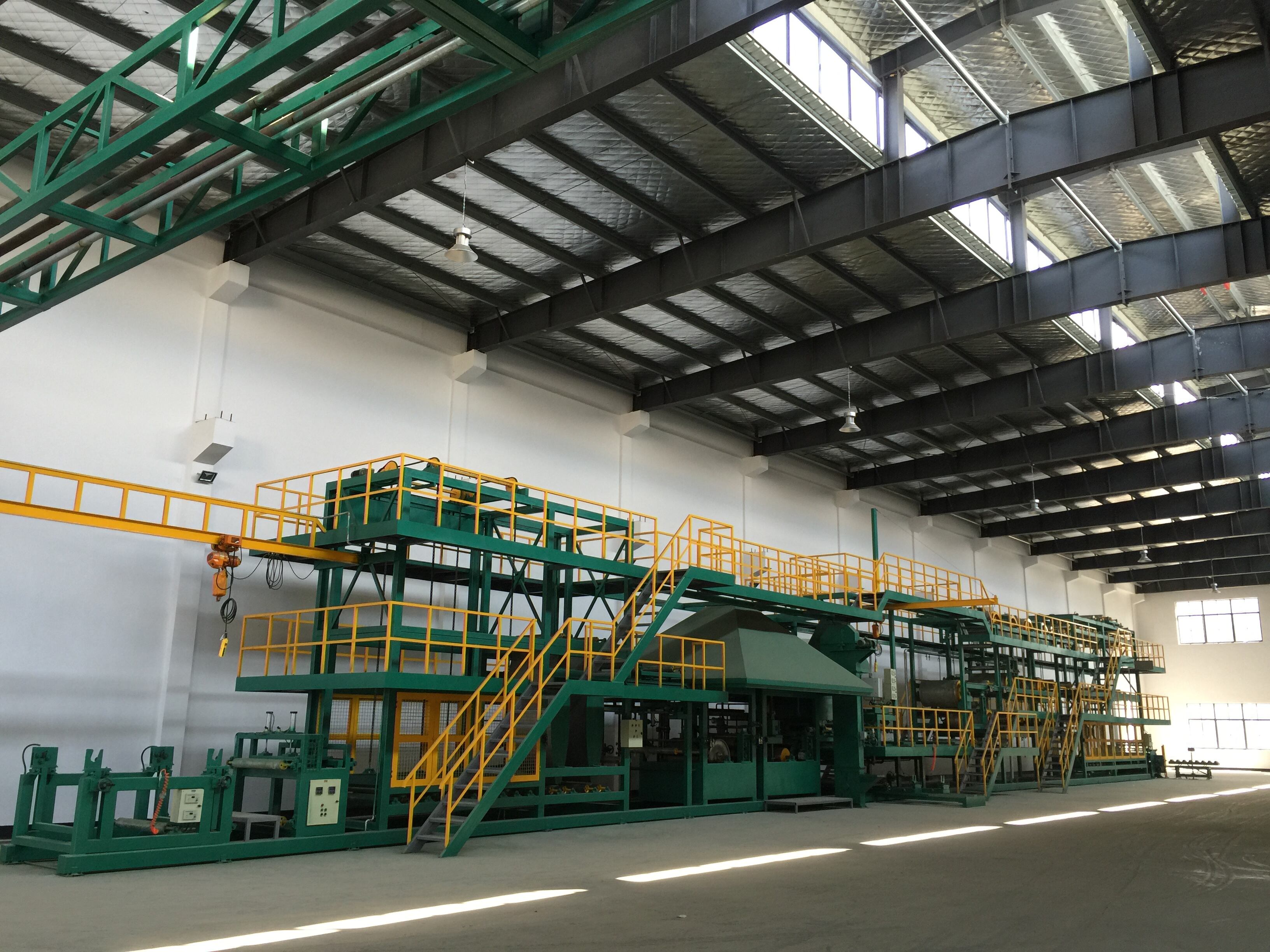
Modern roofing projects increasingly rely on laminated architectural shingles due to their enhanced durability and aesthetic appeal. However, the manufacturing process for these complex multi-layer products presents unique challenges, particularly when it comes to achieving precise, clean cuts during production. An asphalt shingle cutter specifically designed for laminated materials must handle multiple layers simultaneously while maintaining edge integrity. The success of any roofing shingle manufacturing operation depends heavily on the cutting equipment's ability to process these sophisticated materials without compromising quality or efficiency.
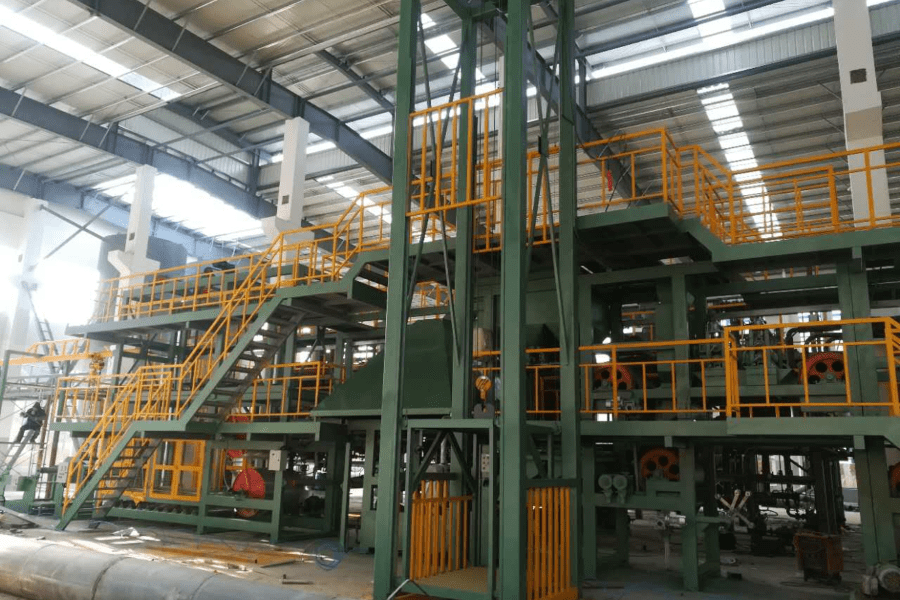
Understanding Laminated Architectural Shingle Construction
Multi-Layer Composition and Manufacturing Complexity
Laminated architectural shingles consist of multiple asphalt-saturated layers bonded together to create dimensional depth and enhanced weather resistance. Unlike traditional three-tab shingles, these products feature varied thickness throughout their surface, with some areas containing two or three overlapping layers. The base mat typically incorporates fiberglass reinforcement, while adhesive compounds secure the laminated sections. This complex construction requires cutting equipment capable of handling varying material density within a single shingle profile.
Manufacturing these shingles involves precise temperature control during the lamination process, ensuring proper adhesion between layers without compromising material integrity. The asphalt compound must maintain optimal viscosity for consistent bonding while allowing clean separation during cutting operations. Advanced production lines incorporate multiple heating zones and cooling sections to achieve the necessary material properties for successful processing.
Dimensional Variations and Cutting Challenges
The dimensional nature of laminated shingles creates significant challenges for cutting equipment, as blade systems must accommodate thickness variations ranging from single-layer sections to multi-layer overlaps. Traditional cutting methods may struggle with the irregular profile, potentially causing edge fraying or incomplete cuts through thicker sections. An effective asphalt shingle cutter must feature adjustable blade pressure and variable cutting speeds to maintain consistent results across the entire shingle profile.
Edge quality becomes particularly critical in laminated products, as any imperfections can compromise the weathersealing capabilities and overall aesthetic appearance. The cutting process must preserve the integrity of each individual layer while maintaining clean separation lines between adjacent shingles. Proper blade selection and maintenance protocols ensure optimal performance throughout extended production runs.
Technical Requirements for Laminated Shingle Cutting
Blade Technology and Material Specifications
Successful cutting of laminated architectural shingles requires specialized blade technology designed to handle varying material densities and thicknesses. High-carbon steel blades with precision-ground edges provide the necessary sharpness and durability for extended operation. The blade geometry must accommodate both the thin base material and thick laminated sections without causing material deformation or adhesive squeeze-out. Proper blade angle and clearance settings prevent material buildup and ensure consistent cutting performance.
Advanced asphalt shingle cutter systems incorporate multiple blade configurations, allowing for simultaneous processing of different shingle dimensions and patterns. Replaceable blade cartridges enable quick changeovers between production runs while minimizing downtime. Blade heating systems help prevent adhesive buildup during operation, maintaining clean cuts throughout extended production cycles.
Pressure Control and Feed Rate Optimization
Laminated shingle cutting requires precise pressure control to ensure complete penetration through all layers without excessive compression that could damage the material structure. Variable pressure systems allow operators to adjust cutting force based on material thickness and ambient temperature conditions. Consistent feed rates ensure uniform edge quality while maximizing production throughput.
Modern cutting systems feature programmable controls that automatically adjust parameters based on detected material thickness variations. Sensor technology monitors cutting resistance and adjusts blade pressure in real-time to maintain optimal performance. These automated systems reduce operator intervention while improving overall product quality and consistency.
Performance Characteristics of Advanced Cutting Systems
Edge Quality and Precision Standards
Professional-grade asphalt shingle cutter equipment achieves exceptional edge quality through precision engineering and advanced control systems. Clean, straight cuts without fraying or delamination are essential for proper shingle installation and long-term performance. The cutting process must maintain dimensional accuracy within tight tolerances to ensure consistent product appearance and functionality.
Quality control measures include automated inspection systems that verify cut dimensions and edge integrity throughout production. Statistical process control algorithms track cutting performance and alert operators to potential issues before quality problems develop. Regular calibration procedures ensure maintained accuracy over extended operating periods.
Production Speed and Efficiency Considerations
Modern laminated shingle cutting systems achieve high production speeds while maintaining superior quality standards. Optimized blade designs and efficient material handling systems minimize cycle times between cuts. Integrated conveyor systems and automated material positioning reduce manual labor requirements while improving overall productivity.
Energy-efficient drive systems and optimized cutting parameters reduce operational costs while maintaining consistent performance. Predictive maintenance programs minimize unexpected downtime and extend equipment service life. These factors contribute to improved return on investment for shingle manufacturing operations.
Material Handling and Processing Considerations
Temperature Management During Cutting
Proper temperature control during the cutting process significantly impacts edge quality and overall product performance. Laminated shingles require specific temperature ranges to maintain optimal material properties during cutting operations. Too low temperatures can cause brittle fractures, while excessive heat may lead to adhesive softening and edge deformation.
Advanced cutting systems incorporate temperature monitoring and control features that maintain optimal conditions throughout production. Heated blade systems prevent material adhesion while ensuring clean separation. Environmental controls regulate ambient temperature and humidity levels to support consistent processing conditions.
Waste Reduction and Material Optimization
Efficient cutting systems minimize material waste through precise dimension control and optimized cutting patterns. Computer-controlled nesting algorithms maximize material utilization while reducing trim waste. Automated scrap handling systems segregate recyclable materials for reprocessing, supporting sustainable manufacturing practices.
Quality monitoring systems prevent the production of defective products that would require disposal or reworking. Real-time feedback controls ensure consistent edge quality while minimizing material rejection rates. These capabilities contribute to improved profitability and environmental responsibility.
Integration with Production Line Systems
Automation and Control System Integration
Modern asphalt shingle cutter equipment integrates seamlessly with comprehensive production line control systems, enabling coordinated operation across multiple manufacturing stages. Programmable logic controllers manage cutting sequences, material flow, and quality monitoring functions. Human-machine interfaces provide operators with real-time production data and diagnostic information.
Network connectivity enables remote monitoring and data collection for production optimization and predictive maintenance programs. Integration with enterprise resource planning systems supports efficient inventory management and production scheduling. These capabilities enhance overall manufacturing efficiency and product quality.
Maintenance and Service Considerations
Reliable cutting system operation requires comprehensive maintenance programs that address both preventive and predictive service needs. Automated lubrication systems ensure proper bearing and drive component protection. Vibration monitoring detects developing mechanical issues before catastrophic failures occur.
Modular equipment designs facilitate rapid component replacement and minimize production downtime. Comprehensive service documentation and training programs support efficient maintenance operations. Remote diagnostic capabilities enable expert technical support and rapid troubleshooting assistance.
FAQ
What blade types work best for cutting laminated architectural shingles
High-carbon steel blades with precision-ground edges and proper clearance angles provide optimal performance for laminated shingle cutting. Specialized coatings reduce adhesive buildup, while replaceable blade cartridges enable quick maintenance. The blade geometry must accommodate varying thickness without causing material deformation or edge quality issues.
How does cutting speed affect edge quality in laminated shingles
Optimal cutting speeds balance production throughput with edge quality requirements. Too fast speeds can cause fraying or incomplete cuts through thick sections, while excessive slow speeds reduce efficiency. Modern systems feature variable speed controls that automatically adjust based on material thickness and ambient conditions for consistent results.
What maintenance is required for laminated shingle cutting equipment
Regular blade inspection and replacement, lubrication system maintenance, and calibration checks ensure optimal performance. Cleaning procedures prevent adhesive buildup, while vibration monitoring detects developing mechanical issues. Predictive maintenance programs minimize unexpected downtime and extend equipment service life.
Can existing cutting equipment be upgraded for laminated shingle processing
Many existing cutting systems can be retrofitted with enhanced blade technology, pressure control systems, and temperature management capabilities. Upgrades may include programmable controls, automated material handling, and quality monitoring systems. Professional assessment determines the feasibility and cost-effectiveness of specific upgrade options for individual applications.