
 EN
EN
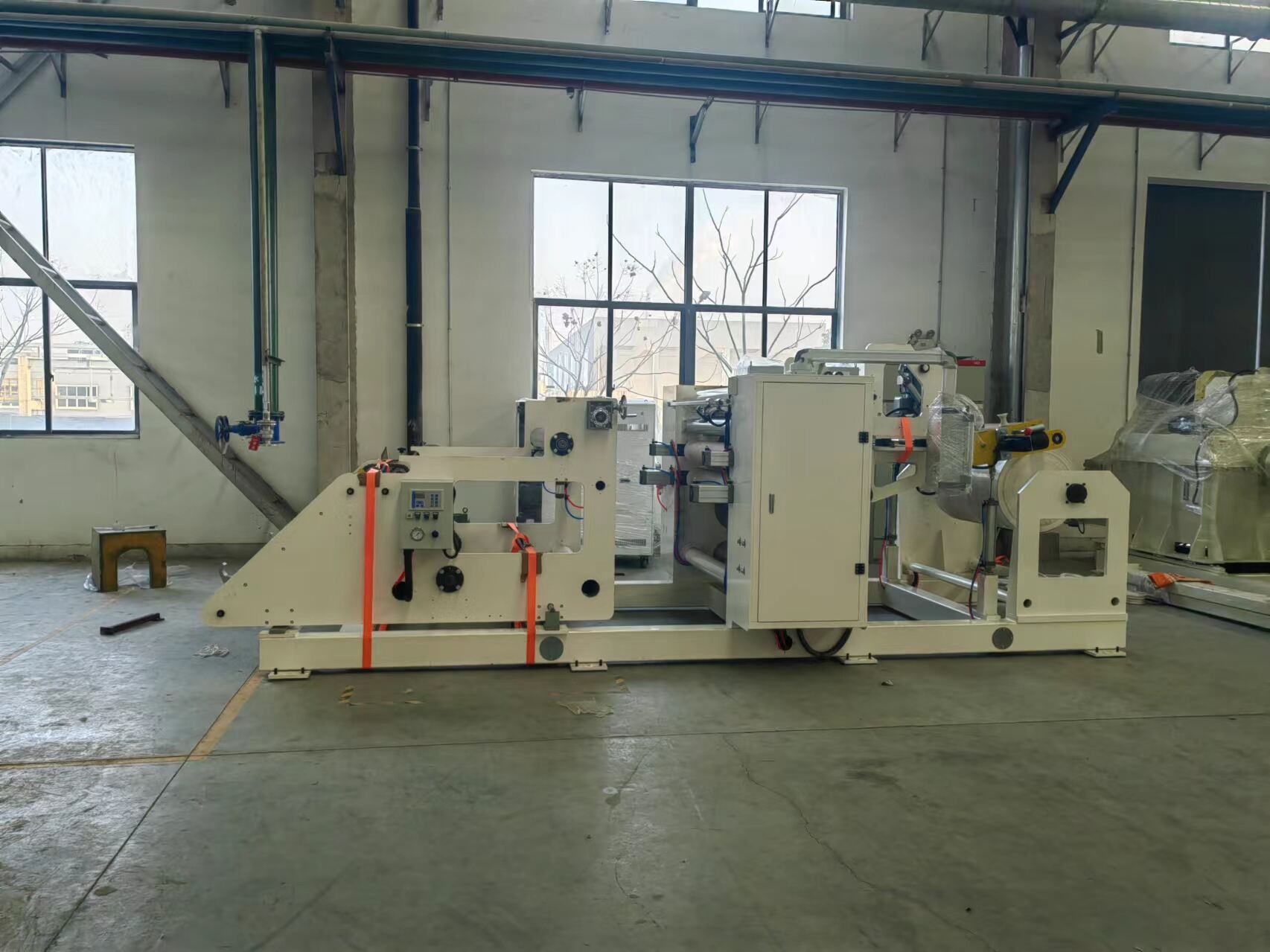
Manufacturing high-density polyethylene sheets with precise thickness control represents one of the most critical challenges in modern polymer processing. Achieving consistent 2 mm thickness across large sheet dimensions requires sophisticated engineering solutions that combine advanced extrusion technology, precise temperature management, and real-time monitoring systems. The complexity of maintaining uniform thickness becomes even more pronounced when dealing with high-throughput production environments where even minor variations can result in significant material waste and quality defects.
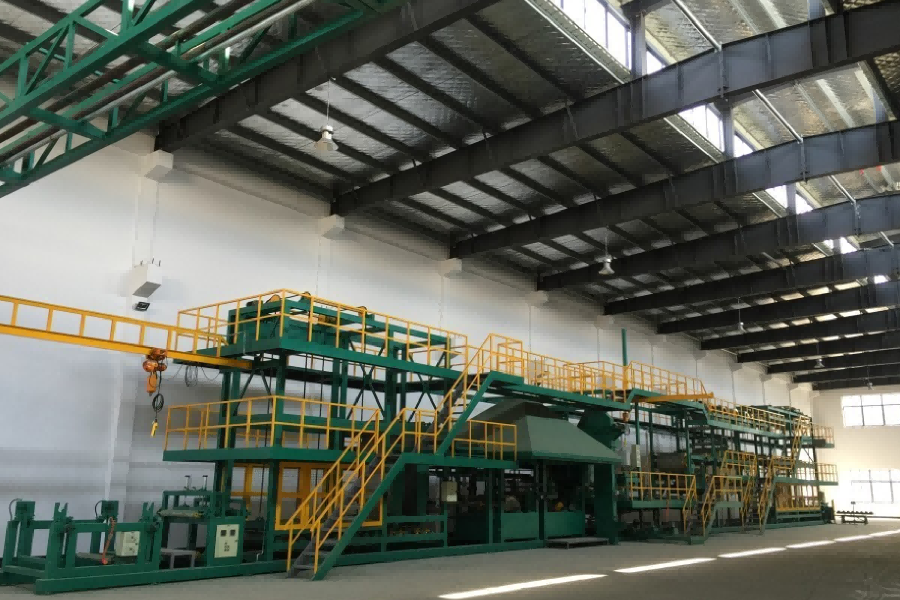
Industrial manufacturers worldwide recognize that thickness uniformity directly impacts product performance, cost efficiency, and customer satisfaction. When sheets deviate from specified thickness tolerances, downstream applications suffer from inconsistent mechanical properties, compromised barrier performance, and increased rejection rates. Understanding the fundamental mechanisms that govern thickness control in polyethylene processing enables manufacturers to optimize their operations and deliver superior products to demanding markets.
Extrusion Die Technology and Design Principles
Multi-Manifold Die Architecture
The foundation of uniform thickness control lies in sophisticated die design that ensures consistent polymer flow distribution across the entire sheet width. Multi-manifold die systems incorporate precisely machined flow channels that gradually distribute molten polyethylene from a central feed point to the full width of the die opening. These channels are engineered with specific geometric profiles that compensate for natural flow resistance variations and maintain consistent pressure distribution throughout the die assembly.
Advanced die designs feature adjustable restriction bolts or thermal compensation systems that allow operators to fine-tune flow distribution in real-time. These adjustment mechanisms enable correction of thickness variations that may arise from material property changes, temperature fluctuations, or wear patterns in the die components. The precision of these adjustments directly correlates with the final product quality and the ability to maintain tight thickness tolerances over extended production runs.
Temperature Uniformity Across Die Zones
Maintaining consistent temperature distribution across the die assembly represents another critical factor in achieving uniform sheet thickness. Temperature variations as small as 5°C can cause significant changes in polymer viscosity, leading to uneven flow rates and thickness inconsistencies. Modern die systems incorporate multiple heating zones with independent temperature control, allowing operators to create precise thermal profiles that optimize flow characteristics.
Thermal modeling software enables engineers to predict temperature distributions and design heating element layouts that minimize hot spots and cold zones. These computational tools consider factors such as die geometry, heating element placement, ambient cooling effects, and polymer thermal properties to create optimized temperature control strategies. The result is more consistent processing conditions that translate directly into improved thickness uniformity across the finished sheet.
Cooling and Calendering Systems
Controlled Cooling Roll Configuration
The cooling section of an HDPE production line plays a crucial role in determining final sheet thickness and uniformity. Three-roll calendering systems provide the most effective approach for achieving consistent gauge control, with each roll serving a specific function in the thickness formation process. The first roll contacts the hot polymer melt and begins the initial cooling and shaping process, while subsequent rolls provide fine thickness adjustment and surface finishing.
Roll temperature control systems maintain precise thermal conditions that promote uniform cooling rates across the sheet width. Differential cooling can cause internal stresses that lead to thickness variations, warpage, and dimensional instability in the finished product. Advanced cooling systems incorporate circulation networks that maintain consistent roll temperatures within ±2°C, ensuring uniform heat extraction and consistent polymer solidification characteristics.
Automatic Gauge Control Systems
Modern production lines integrate sophisticated gauge control systems that continuously monitor sheet thickness and automatically adjust processing parameters to maintain target specifications. These systems utilize non-contact measurement technologies such as laser triangulation or nuclear absorption gauges that provide real-time thickness readings across multiple points on the sheet width.
Feedback control algorithms analyze thickness data and automatically adjust die bolt positions, roll pressures, or line speeds to correct detected variations. The response time of these systems is typically less than 10 seconds, allowing rapid correction of thickness deviations before significant amounts of off-specification material are produced. Integration with production management systems enables comprehensive data logging and statistical process control capabilities that support continuous improvement initiatives.
Material Preparation and Feed Systems
Resin Preparation and Drying
Consistent material properties form the foundation for uniform sheet thickness production. Raw material preparation systems ensure that polyethylene resin maintains optimal moisture content, temperature, and flow characteristics before entering the extruder. Moisture levels exceeding 100 ppm can cause processing instabilities that manifest as thickness variations, surface defects, and mechanical property degradation.
Automated drying systems maintain resin moisture content below specified limits through controlled heating and desiccant air circulation. Temperature monitoring ensures that resin particles reach optimal processing temperature without thermal degradation, while residence time controls prevent over-drying that could affect material flow characteristics. These preparation steps create consistent feedstock conditions that enable stable extrusion processing and uniform product output.
Screw Design and Mixing Optimization
Extruder screw configuration significantly impacts melt quality and temperature uniformity, which directly affect downstream thickness control capabilities. Barrier screws with specialized mixing sections create homogeneous melt conditions that reduce viscosity variations and temperature gradients. The design of these screws considers factors such as shear rate distribution, residence time, and energy input to optimize melt quality while minimizing thermal degradation.
Computational fluid dynamics modeling enables optimization of screw geometry for specific polyethylene grades and processing conditions. These analyses consider polymer rheological properties, thermal characteristics, and desired output rates to develop screw designs that maximize mixing efficiency while maintaining gentle processing conditions. The result is improved melt quality that supports consistent downstream processing and enhanced thickness uniformity.
Process Monitoring and Quality Control
Real-Time Data Acquisition Systems
Comprehensive monitoring systems collect data from multiple process points to provide operators with complete visibility into production conditions that affect thickness uniformity. Temperature sensors throughout the heating zones, pressure transducers in the die assembly, and flow meters in cooling circuits generate continuous data streams that enable real-time process optimization and early detection of potential problems.
Data visualization systems present critical process parameters through intuitive graphical interfaces that highlight trends, alarm conditions, and statistical process control metrics. Historical data analysis capabilities enable identification of process patterns that correlate with thickness variations, supporting proactive maintenance and process optimization initiatives. These systems form the backbone of modern quality management approaches that emphasize prevention rather than detection of quality problems.
Statistical Process Control Implementation
Statistical process control methodologies provide powerful tools for maintaining consistent thickness performance over extended production periods. Control charts track key process variables and product measurements, establishing statistical limits that indicate when processes are operating within normal parameters or when corrective action is required. These tools enable early detection of process drift before it results in out-of-specification products.
Capability studies quantify the relationship between process parameters and thickness uniformity, enabling optimization of control strategies and establishment of realistic quality targets. Process capability indices provide objective measures of system performance that support continuous improvement efforts and customer quality requirements. Regular analysis of control chart patterns helps identify root causes of thickness variations and guides targeted improvement projects.
Maintenance and Optimization Strategies
Preventive Maintenance Programs
Systematic maintenance programs ensure that critical components maintain optimal performance characteristics that support consistent thickness control. Die cleaning procedures remove polymer deposits and contamination that can cause flow restrictions and thickness variations. Regular inspection and measurement of die components identify wear patterns and dimensional changes that require correction to maintain product quality.
Cooling system maintenance includes cleaning of circulation circuits, replacement of worn seals, and calibration of temperature sensors to ensure accurate thermal control. Roll surface condition monitoring identifies scratches, deposits, or wear patterns that could affect sheet surface quality and thickness uniformity. These proactive maintenance activities prevent gradual performance degradation and maintain consistent processing capabilities.
Performance Optimization Techniques
Continuous improvement programs utilize data analysis techniques to identify opportunities for enhanced thickness control performance. Design of experiments methodologies systematically evaluate the effects of multiple process variables on thickness uniformity, enabling optimization of operating parameters for specific product requirements and production conditions.
Advanced process control algorithms incorporate machine learning techniques that adapt control strategies based on historical performance data and current operating conditions. These systems continuously refine control parameters to minimize thickness variations while maintaining optimal production rates and material utilization. The integration of artificial intelligence capabilities enables predictive maintenance scheduling and automated process optimization that reduces operator workload and improves consistency.
FAQ
What are the typical thickness tolerances achievable in modern HDPE sheet production?
Modern HDPE production lines equipped with advanced gauge control systems can typically achieve thickness tolerances of ±0.05 mm for 2 mm sheets, representing a control precision of approximately 2.5%. High-performance systems with sophisticated die design and closed-loop control can achieve even tighter tolerances of ±0.03 mm under optimal operating conditions. These tolerance levels require careful attention to all aspects of the production process, including material preparation, temperature control, and mechanical system maintenance.
How do different HDPE grades affect thickness control capabilities?
Different HDPE grades exhibit varying rheological properties that influence flow behavior and thickness uniformity. Higher molecular weight grades typically show greater melt strength and lower flow rates, requiring adjustments to die design and processing conditions to maintain uniform thickness. Narrow molecular weight distribution grades generally provide better thickness control due to more consistent flow characteristics. Additives such as processing aids or slip agents can also impact flow properties and may require process parameter adjustments to maintain optimal thickness uniformity.
What role does line speed play in maintaining consistent 2 mm thickness?
Line speed directly affects the balance between polymer output rate and cooling time, both of which influence final thickness uniformity. Higher speeds reduce cooling time and may require increased cooling capacity to maintain consistent solidification conditions across the sheet width. Excessive speeds can also cause draw-down effects that result in thickness variations, particularly at the sheet edges. Optimal line speed represents a balance between productivity requirements and quality constraints, typically determined through process optimization studies for specific product and equipment combinations.
How often should gauge control systems be calibrated for optimal performance?
Gauge control system calibration frequency depends on measurement technology and operating environment conditions. Nuclear absorption gauges typically require weekly calibration checks with certified thickness standards, while laser-based systems may need daily verification due to potential contamination or alignment issues. Temperature and pressure sensors throughout the process should be calibrated monthly or according to manufacturer recommendations. Critical control elements such as die adjustment mechanisms require calibration whenever process conditions change significantly or when thickness performance indicates potential calibration drift.
Table of Contents
- Extrusion Die Technology and Design Principles
- Cooling and Calendering Systems
- Material Preparation and Feed Systems
- Process Monitoring and Quality Control
- Maintenance and Optimization Strategies
-
FAQ
- What are the typical thickness tolerances achievable in modern HDPE sheet production?
- How do different HDPE grades affect thickness control capabilities?
- What role does line speed play in maintaining consistent 2 mm thickness?
- How often should gauge control systems be calibrated for optimal performance?