

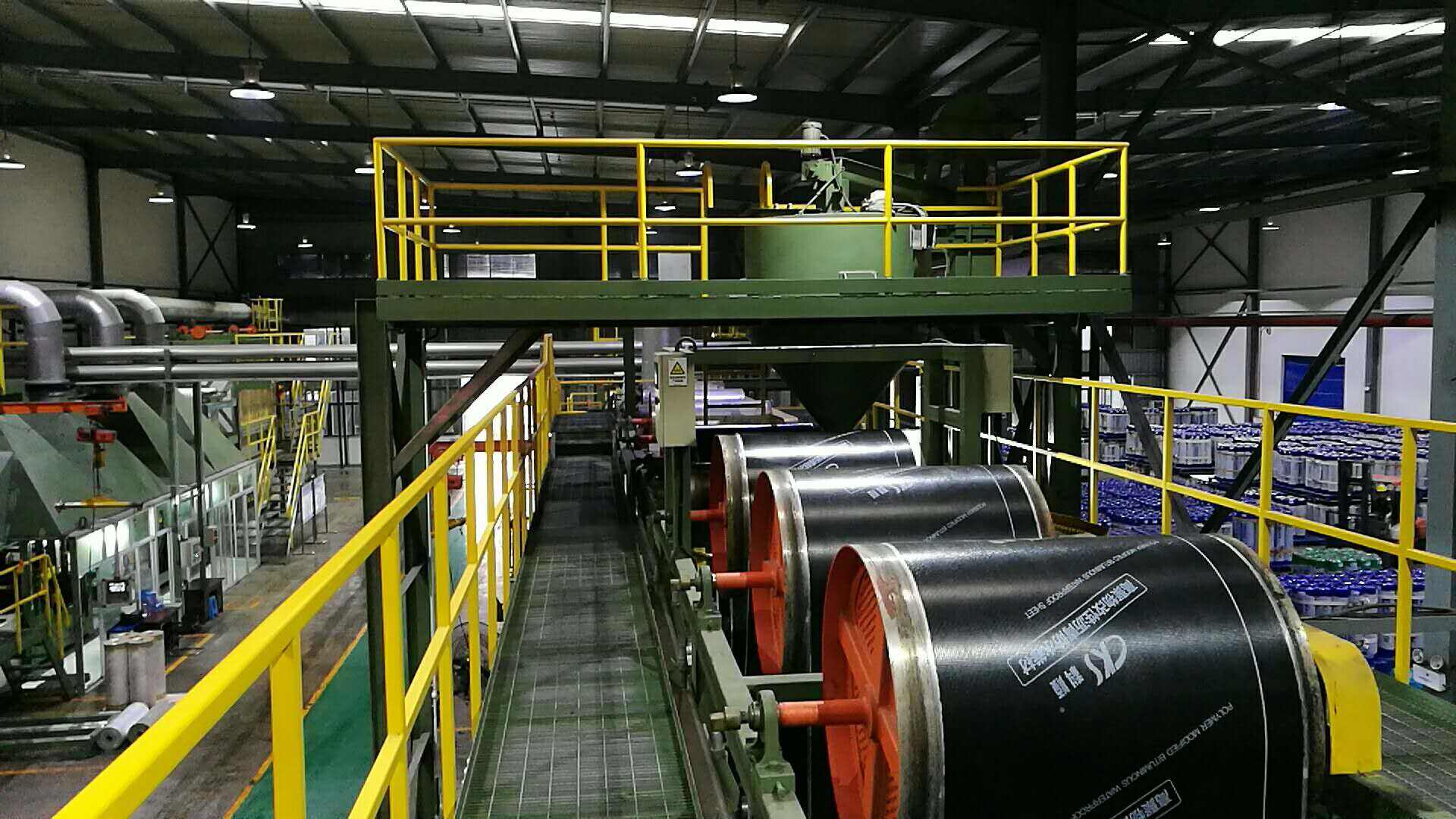
The manufacturing industry continues to evolve with advanced machinery designed to optimize production efficiency and product quality. Among the most critical decisions manufacturers face is selecting the appropriate extrusion technology for their specific applications. When it comes to high-density polyethylene (HDPE) production lines, the choice between single-screw and twin-screw extruder systems can significantly impact output quality, processing efficiency, and overall operational costs. Understanding the technical advantages and limitations of each system enables manufacturers to make informed decisions that align with their production requirements and long-term business objectives.

Understanding Twin-Screw Extruder Technology
Fundamental Design Principles
The twin-screw extruder represents a sophisticated advancement in polymer processing technology, featuring two intermeshing screws that rotate within a figure-eight barrel configuration. This design creates unique flow patterns and mixing capabilities that distinguish it from conventional single-screw systems. The intermeshing action generates intense shear forces and distributive mixing, enabling superior material homogenization and thermal management. The self-wiping characteristic of the screws prevents material degradation and ensures consistent residence time distribution throughout the processing zone.
Modern twin-screw extruder systems incorporate modular screw elements that allow operators to customize the processing profile based on specific material requirements. These elements include conveying sections, mixing zones, and barrier segments that can be arranged to optimize melting, mixing, and pressure buildup. The flexibility of this modular approach enables manufacturers to process a wide range of HDPE formulations with varying molecular weights, additives, and filler contents without significant equipment modifications.
Advanced Control Mechanisms
Contemporary twin-screw extruder designs integrate sophisticated control systems that monitor and adjust critical processing parameters in real-time. Temperature controllers maintain precise thermal profiles across multiple barrel zones, ensuring optimal melting and preventing thermal degradation of heat-sensitive HDPE compounds. Torque monitoring systems provide continuous feedback on material viscosity and processing conditions, enabling operators to make immediate adjustments to maintain consistent product quality.
The advanced control capabilities extend to screw speed regulation, which directly influences residence time and mixing intensity. Variable frequency drives enable precise speed control across a wide operating range, allowing manufacturers to optimize processing conditions for different HDPE grades and production requirements. Pressure monitoring systems throughout the barrel length provide additional insights into material flow behavior and potential processing issues before they impact product quality.
HDPE Processing Characteristics and Requirements
Material Properties and Challenges
High-density polyethylene presents unique processing challenges that require careful consideration when selecting extrusion equipment. The crystalline structure of HDPE results in distinct melting behavior characterized by a relatively narrow processing window and sensitivity to thermal degradation. The material's high melt strength and elasticity can lead to melt fracture and processing instabilities if not properly managed through appropriate equipment selection and operating conditions.
HDPE formulations often incorporate various additives including antioxidants, UV stabilizers, colorants, and processing aids that must be thoroughly distributed to achieve consistent product properties. The incorporation of recycled content adds another layer of complexity, as post-consumer and post-industrial HDPE may contain contaminants or have degraded molecular weight that affects processing behavior. These material characteristics demand extrusion systems capable of providing gentle yet effective mixing while maintaining thermal stability throughout the process.
Quality Requirements for HDPE Products
HDPE applications span diverse industries including packaging, construction, automotive, and consumer goods, each with specific quality standards and performance requirements. Packaging applications demand excellent optical properties, uniform wall thickness, and consistent mechanical properties to ensure product integrity and consumer safety. Construction applications require superior environmental stress crack resistance and long-term durability under various weather conditions.
The molecular weight distribution of processed HDPE directly influences final product properties such as impact strength, environmental stress crack resistance, and processing behavior in downstream operations. Maintaining consistent molecular weight distribution requires precise control over processing conditions, particularly temperature profiles and residence time distribution. A twin-screw extruder provides superior control over these critical parameters compared to alternative processing technologies.
Comparative Analysis of Extrusion Technologies
Single-Screw Versus Twin-Screw Performance
Single-screw extruders have traditionally dominated HDPE processing applications due to their simplicity, lower initial investment, and proven reliability for straightforward processing requirements. However, the limitations of single-screw systems become apparent when processing complex HDPE formulations or when superior product quality is required. The drag flow mechanism in single-screw extruders can result in uneven temperature distribution and limited mixing capability, potentially leading to product inconsistencies.
The twin-screw extruder addresses these limitations through its positive displacement pumping action and enhanced mixing capabilities. The intermeshing screw design eliminates the dead zones commonly found in single-screw systems, ensuring all material experiences consistent processing conditions. This uniform treatment results in improved color distribution, better additive dispersion, and enhanced mechanical properties in the final HDPE products.
Processing Efficiency Considerations
Processing efficiency encompasses multiple factors including throughput capacity, energy consumption, product quality consistency, and operational flexibility. Twin-screw extruder systems typically demonstrate superior efficiency when processing challenging HDPE formulations or when frequent product changeovers are required. The self-wiping action of the intermeshing screws reduces material holdup and facilitates rapid color changes, minimizing waste and downtime during production transitions.
Energy efficiency considerations must account for both the electrical power consumption and the thermal energy requirements of the extrusion process. While twin-screw extruder systems may consume more electrical power due to the dual-drive configuration, the enhanced mixing efficiency often reduces the thermal energy requirements and overall processing temperatures. This reduction in thermal exposure can improve product quality and reduce degradation-related issues that could impact downstream processing operations.
Technical Advantages of Twin-Screw Extruders for HDPE
Enhanced Mixing and Homogenization
The superiority of twin-screw extruder technology becomes particularly evident in applications requiring exceptional mixing performance and material homogenization. The intermeshing action creates multiple shear zones and elongational flow patterns that effectively break down agglomerates and distribute additives throughout the HDPE matrix. This enhanced mixing capability is essential when processing recycled HDPE content, as it helps overcome the property variations inherent in post-consumer materials.
Distributive mixing in twin-screw extruder systems occurs through the continuous division and recombination of material streams as they pass through the intermeshing screw elements. This mechanism ensures uniform distribution of colorants, processing aids, and performance additives throughout the polymer matrix. The result is improved color consistency, enhanced mechanical properties, and reduced variation in final product characteristics compared to single-screw processing.
Temperature Control and Thermal Management
Precise temperature control is critical when processing HDPE to prevent thermal degradation and maintain optimal molecular weight distribution. Twin-screw extruder systems provide superior thermal management through their design characteristics and enhanced heat transfer capabilities. The thin material layers created by the intermeshing action facilitate rapid heat transfer and minimize the risk of local overheating that can lead to material degradation.
The modular barrel design of modern twin-screw extruder systems allows for independent temperature control across multiple zones, enabling manufacturers to create optimal temperature profiles for specific HDPE grades and processing requirements. This zonal control capability is particularly valuable when processing heat-sensitive formulations or when incorporating thermally unstable additives that require careful temperature management throughout the processing sequence.
Production Line Integration and Operational Benefits
Downstream Equipment Compatibility
The integration of twin-screw extruder technology into existing HDPE production lines requires careful consideration of downstream equipment compatibility and overall system performance. The consistent melt quality and uniform temperature distribution provided by twin-screw extruder systems can improve the performance of downstream equipment including melt pumps, static mixers, and die systems. This improved melt quality often translates to more stable processing conditions and reduced variability in final product dimensions.
The pressure-generating capability of twin-screw extruder systems can eliminate the need for additional melt pumps in certain applications, simplifying the overall production line configuration and reducing equipment costs. The positive displacement characteristics ensure consistent material delivery to downstream equipment, improving process stability and reducing the risk of production interruptions due to material flow variations.
Maintenance and Operational Considerations
Long-term operational success with twin-screw extruder technology depends on proper maintenance procedures and operator training. The complexity of twin-screw extruder systems requires more sophisticated maintenance protocols compared to single-screw alternatives, but this complexity is offset by improved process control and product quality benefits. Regular inspection of screw elements and barrel wear surfaces is essential to maintain optimal processing performance and prevent quality degradation.
Operator training becomes more critical with twin-screw extruder systems due to the increased number of process variables and control parameters. However, the enhanced process monitoring and control capabilities of modern systems provide operators with better tools for process optimization and troubleshooting. The investment in training and maintenance procedures is typically justified by the improved product quality and operational flexibility provided by twin-screw extruder technology.
Economic Analysis and Return on Investment
Capital Investment Considerations
The initial capital investment for a twin-screw extruder system typically exceeds that of comparable single-screw equipment due to the increased mechanical complexity and advanced control systems. However, this higher initial investment must be evaluated against the potential operational benefits including improved product quality, reduced waste generation, and enhanced processing flexibility. The ability to process a wider range of HDPE formulations on a single twin-screw extruder platform can reduce the need for multiple processing lines and associated infrastructure investments.
The modular design of twin-screw extruder systems provides long-term value through the ability to modify processing configurations as product requirements evolve. Screw element changes can accommodate new HDPE grades or processing requirements without major equipment replacement, extending the useful life of the initial investment and providing flexibility for future product development initiatives.
Operational Cost Benefits
Operational cost analysis must consider multiple factors including energy consumption, maintenance requirements, product yield, and quality-related costs. Twin-screw extruder systems often demonstrate superior energy efficiency when processing challenging HDPE formulations due to their enhanced mixing capabilities and reduced thermal requirements. The improved product quality consistency can reduce quality-related costs including customer complaints, returns, and rework operations.
The reduced material holdup and faster changeover capabilities of twin-screw extruder systems can significantly improve overall equipment utilization and reduce waste generation during product transitions. These operational efficiencies contribute to improved profitability and faster return on the initial capital investment, particularly in applications requiring frequent product changeovers or processing of premium HDPE grades.
FAQ
What are the main differences between twin-screw and single-screw extruders for HDPE processing
Twin-screw extruder systems feature intermeshing screws that provide superior mixing capabilities, better temperature control, and positive displacement pumping action compared to single-screw alternatives. The self-wiping design eliminates dead zones and ensures uniform processing conditions throughout the material, resulting in improved product quality and consistency. Single-screw extruders are simpler and less expensive but may struggle with complex HDPE formulations or applications requiring exceptional mixing performance.
How does twin-screw extruder technology improve HDPE product quality
The enhanced mixing capabilities of twin-screw extruder systems ensure uniform distribution of additives, colorants, and recycled content throughout the HDPE matrix. The precise temperature control and reduced residence time variation minimize thermal degradation and maintain consistent molecular weight distribution. These factors combine to produce HDPE products with improved mechanical properties, better color consistency, and enhanced environmental stress crack resistance compared to conventional processing methods.
What maintenance requirements should be considered with twin-screw extruder systems
Twin-screw extruder systems require regular inspection of screw elements and barrel wear surfaces to maintain optimal processing performance. The modular screw design facilitates maintenance operations, but requires more sophisticated procedures compared to single-screw systems. Proper operator training and preventive maintenance programs are essential to maximize equipment life and maintain consistent product quality. The investment in maintenance and training is typically offset by improved process control and operational flexibility.
How do twin-screw extruders compare economically to single-screw systems for HDPE production
While twin-screw extruder systems require higher initial capital investment, they often provide superior return on investment through improved product quality, reduced waste generation, and enhanced processing flexibility. The ability to process multiple HDPE grades on a single platform reduces infrastructure requirements and provides long-term value through modular upgradability. Operational benefits including faster changeovers, reduced energy consumption for complex formulations, and improved equipment utilization contribute to overall economic advantages in demanding applications.
Table of Contents
- Understanding Twin-Screw Extruder Technology
- HDPE Processing Characteristics and Requirements
- Comparative Analysis of Extrusion Technologies
- Technical Advantages of Twin-Screw Extruders for HDPE
- Production Line Integration and Operational Benefits
- Economic Analysis and Return on Investment
-
FAQ
- What are the main differences between twin-screw and single-screw extruders for HDPE processing
- How does twin-screw extruder technology improve HDPE product quality
- What maintenance requirements should be considered with twin-screw extruder systems
- How do twin-screw extruders compare economically to single-screw systems for HDPE production