 EN
EN
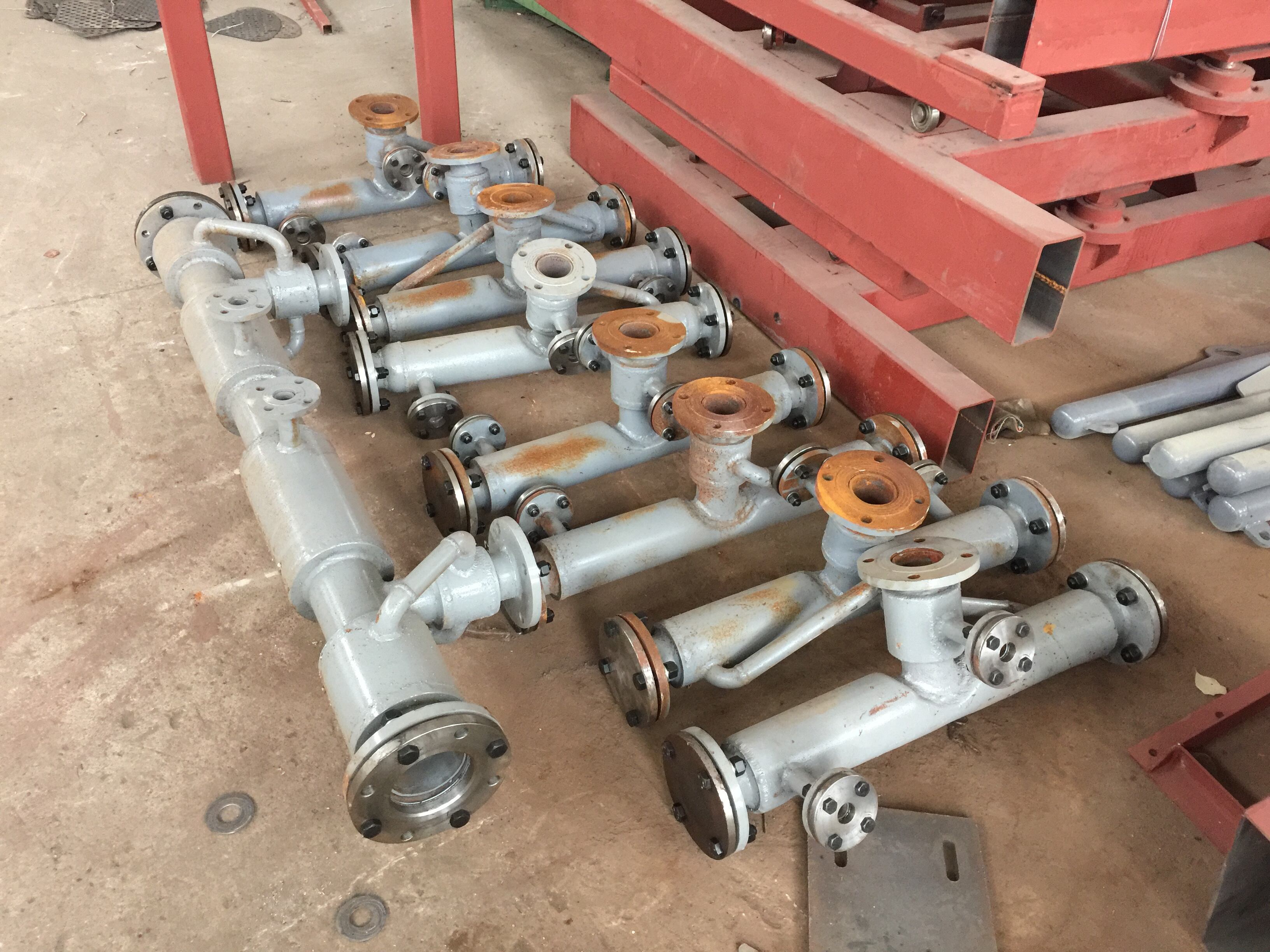
The integration of recycled flake into HDPE manufacturing processes represents a critical challenge for modern plastic production facilities. As environmental regulations tighten and sustainability becomes paramount, manufacturers must determine whether their existing infrastructure can accommodate recycled materials without compromising product quality. The answer lies in understanding the complex interplay between material properties, processing parameters, and equipment capabilities within a comprehensive production framework.
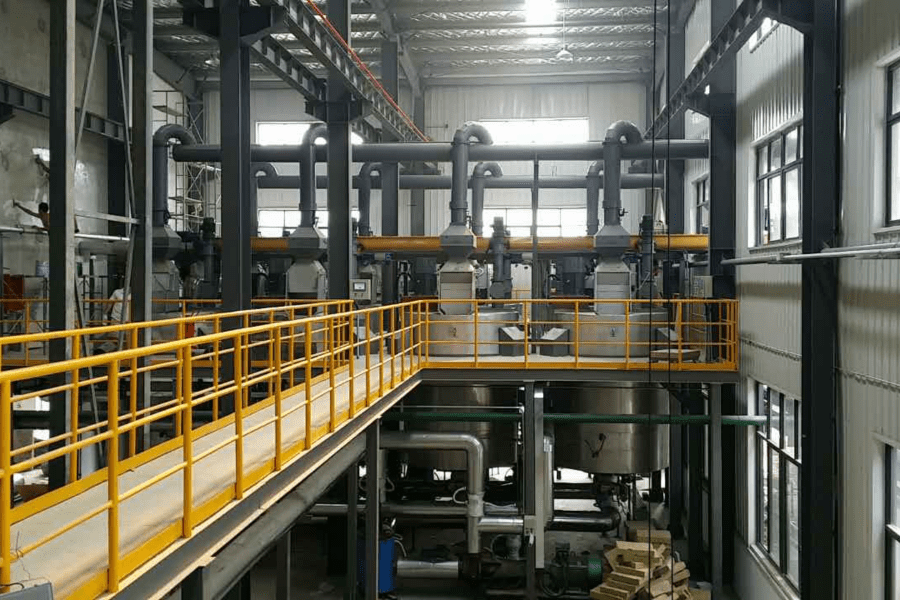
Modern manufacturing facilities face increasing pressure to incorporate sustainable practices while maintaining stringent quality standards. The successful integration of recycled HDPE flake requires careful consideration of multiple factors including contamination levels, molecular weight distribution, and thermal history. These variables directly impact the final product characteristics and determine whether recycled content can meet industry specifications without degradation.
Material Characteristics and Quality Assessment
Physical Properties of Recycled HDPE Flake
Recycled HDPE flake exhibits distinct physical characteristics that differentiate it from virgin material. The particle size distribution typically ranges from 8-12 millimeters, with variations depending on the crushing and washing processes employed during recycling. Surface contamination levels must remain below 100 parts per million to prevent equipment fouling and product defects during processing.
Moisture content represents another critical parameter, as excessive water can cause processing difficulties and affect final product properties. Recycled flake generally contains 0.5-1.2% moisture, compared to 0.1-0.3% in virgin pellets. This difference necessitates enhanced drying procedures to achieve optimal processing conditions and prevent hydrolytic degradation during melt processing.
Chemical Composition Analysis
The chemical integrity of recycled HDPE flake varies significantly based on its source material and processing history. Post-consumer recycled content often contains trace amounts of adhesives, inks, and other contaminants that can affect melt flow characteristics and color consistency. Industrial recycled content typically demonstrates superior purity levels but may exhibit molecular weight degradation from multiple processing cycles.
Analytical testing reveals that recycled flake maintains approximately 85-95% of virgin material properties when properly processed. Key indicators include melt flow index variations of 10-15% and tensile strength reductions of 5-8%. These property changes must be carefully evaluated against specific application requirements to determine acceptable integration ratios.
Production Line Compatibility Requirements
Equipment Modifications and Adaptations
Successful integration of recycled flake into an HDPE production line requires specific equipment modifications to accommodate material property variations. Feeding systems must be adjusted to handle the different bulk density and flow characteristics of recycled flake compared to virgin pellets. Gravimetric dosing systems provide superior accuracy for maintaining consistent blend ratios throughout production runs.
Extruder configurations may require screw design modifications to optimize mixing and melting of recycled content. Single-screw extruders often benefit from barrier mixing sections, while twin-screw systems can utilize distributive and dispersive mixing elements to achieve homogeneous blends. Temperature profiles typically need adjustment to compensate for the thermal sensitivity of recycled materials.
Process Parameter Optimization
Temperature control becomes increasingly critical when processing recycled content, as thermal degradation can occur more readily than with virgin materials. Melt temperatures should be reduced by 10-15°C compared to standard virgin processing to minimize molecular weight degradation. Residence time optimization ensures adequate melting without excessive thermal exposure.
Pressure monitoring systems provide real-time feedback on melt viscosity changes that occur with recycled content integration. Screen changers and filtration systems require more frequent maintenance to remove contamination and gel particles. These modifications ensure consistent product quality while accommodating the unique characteristics of recycled materials.
Quality Control and Testing Protocols
Incoming Material Inspection
Comprehensive quality control procedures must be established for recycled flake evaluation before integration into production processes. Visual inspection protocols identify color variations, contamination levels, and particle size consistency. Automated sorting systems utilizing near-infrared spectroscopy can detect and remove non-HDPE contaminants that could compromise product integrity.
Laboratory testing procedures should include melt flow index determination, density measurement, and contamination analysis for each incoming lot of recycled material. These baseline measurements establish material traceability and enable correlation with final product properties. Statistical process control methods ensure consistent material quality and enable rapid identification of problematic batches.
In-Process Monitoring Systems
Real-time monitoring systems provide crucial feedback during production with recycled content integration. Melt pressure transducers detect viscosity variations that indicate molecular weight changes or contamination issues. Temperature monitoring at multiple zones enables precise thermal control to prevent degradation while ensuring complete melting.
Online rheological testing equipment can continuously assess melt flow characteristics and automatically adjust processing parameters to maintain consistent quality. Color measurement systems detect variations that may indicate contamination or degradation, enabling immediate corrective action. These monitoring systems are essential for maintaining quality standards when processing recycled content.
Economic and Environmental Considerations
Cost Analysis and Return on Investment
The economic viability of recycled flake integration depends on multiple factors including material costs, processing efficiency, and market acceptance of recycled content products. Recycled HDPE flake typically costs 15-25% less than virgin resin, providing significant raw material savings for high-volume production operations. However, additional processing costs and quality control measures must be factored into the overall economic analysis.
Equipment modifications and enhanced monitoring systems require initial capital investment that must be amortized over expected production volumes. Labor costs may increase due to additional quality control requirements and more frequent equipment maintenance. Despite these considerations, most facilities achieve positive return on investment within 18-24 months when processing significant volumes of recycled content.
Environmental Impact Assessment
The environmental benefits of recycled flake integration extend beyond waste diversion from landfills. Life cycle assessments demonstrate 30-40% reduction in carbon footprint when recycled content replaces virgin resin in production processes. Energy consumption decreases due to reduced polymerization requirements, while water usage declines from eliminated upstream chemical processing.
Regulatory compliance benefits include meeting extended producer responsibility requirements and contributing to circular economy initiatives. Many regions now mandate minimum recycled content percentages for specific applications, making integration essential for market access. These environmental advantages often justify investment costs through regulatory compliance and brand positioning benefits.
Case Studies and Implementation Examples
Successful Integration Projects
Several major manufacturing facilities have successfully integrated recycled HDPE flake into their production processes while maintaining quality standards. A European packaging manufacturer achieved 25% recycled content integration with minimal property degradation by implementing enhanced sorting and cleaning procedures. The project required six months of trials and equipment modifications but resulted in significant cost savings and improved sustainability metrics.
An automotive components producer developed a closed-loop recycling system that processes production scrap and post-industrial waste into high-quality flake for reintegration. This approach achieved 95% material recovery rates while maintaining strict automotive quality standards. The success required specialized equipment investments and comprehensive quality control systems.
Lessons Learned and Best Practices
Successful implementations demonstrate the importance of gradual integration approaches rather than immediate high-percentage substitutions. Starting with 5-10% recycled content allows process optimization and quality validation before increasing integration levels. Comprehensive supplier qualification programs ensure consistent material quality and reduce processing variability.
Cross-functional team collaboration between production, quality, and procurement departments proves essential for successful implementation. Regular communication ensures alignment on quality standards, cost targets, and operational requirements. Documentation of lessons learned enables continuous improvement and knowledge transfer to other production facilities.
FAQ
What percentage of recycled flake can be integrated without affecting product quality?
Most HDPE production lines can successfully integrate 15-30% recycled flake without significant quality degradation, depending on the application requirements and material quality. Higher percentages may be possible with enhanced processing equipment and quality control systems.
How does recycled flake integration affect production efficiency?
Initial integration may reduce production efficiency by 5-10% due to additional quality control requirements and equipment adjustments. However, optimized processes typically recover to within 2-3% of virgin material efficiency levels within several months of implementation.
What additional equipment is required for recycled flake processing?
Essential equipment modifications include enhanced filtration systems, improved mixing capabilities, and upgraded quality monitoring systems. Depending on material quality, additional cleaning and sorting equipment may be necessary to achieve acceptable contamination levels.
How do processing costs compare between virgin and recycled materials?
While recycled flake costs 15-25% less than virgin resin, additional processing costs including enhanced quality control, equipment maintenance, and energy consumption typically reduce net savings to 8-12%. Long-term benefits include regulatory compliance and environmental positioning advantages.