 EN
EN
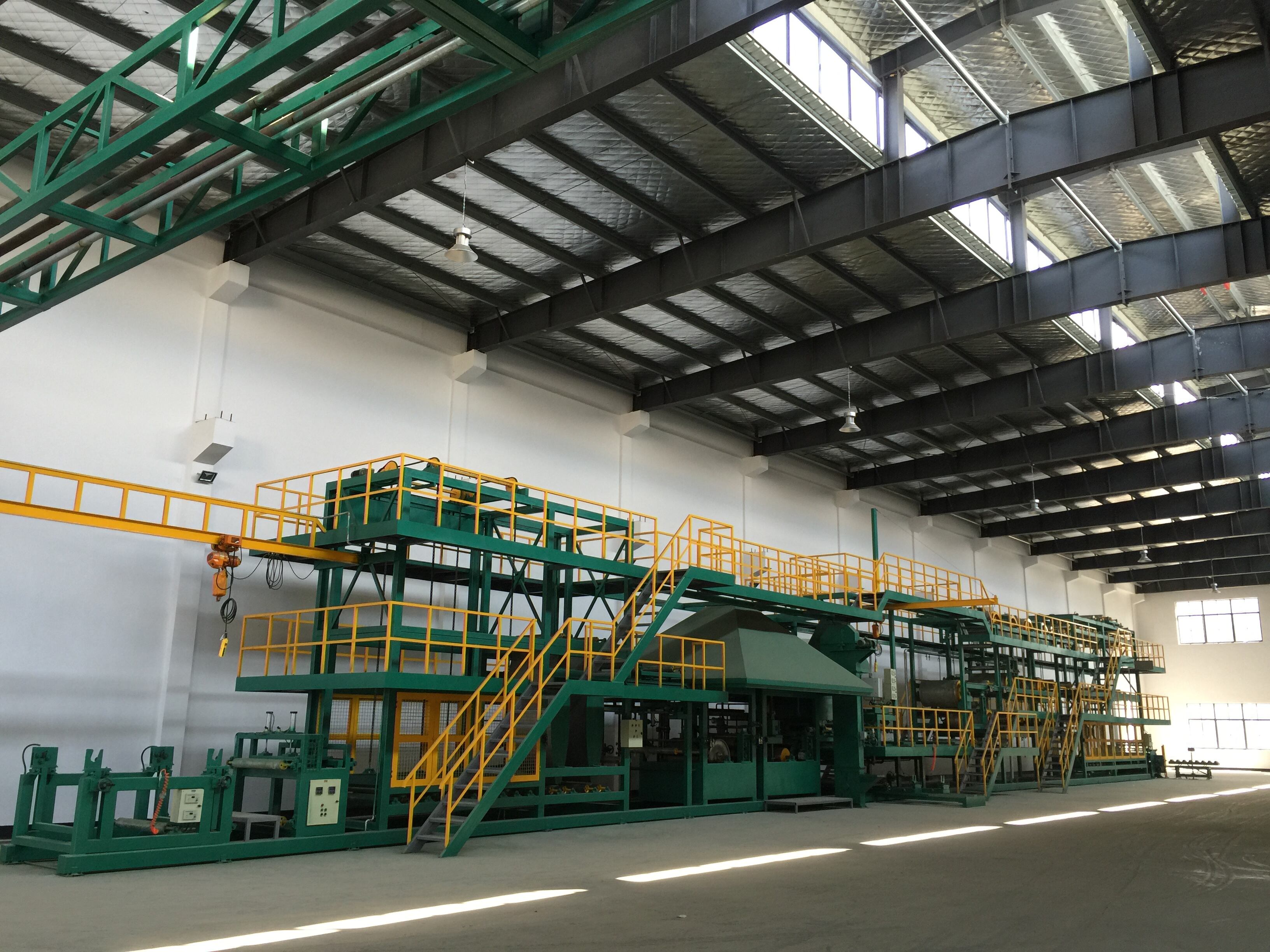
Modern roofing manufacturers face increasing pressure to deliver diverse, high-quality asphalt shingle patterns that meet evolving architectural demands. Traditional cutting systems often limit production flexibility, forcing manufacturers to choose between efficiency and pattern variety. The servo-driven asphalt shingle cutter represents a revolutionary advancement that eliminates this compromise, offering unprecedented pattern flexibility while maintaining high-speed production capabilities. This technology transforms how manufacturers approach shingle design, enabling them to respond quickly to market trends and customer preferences without significant downtime or equipment changes.
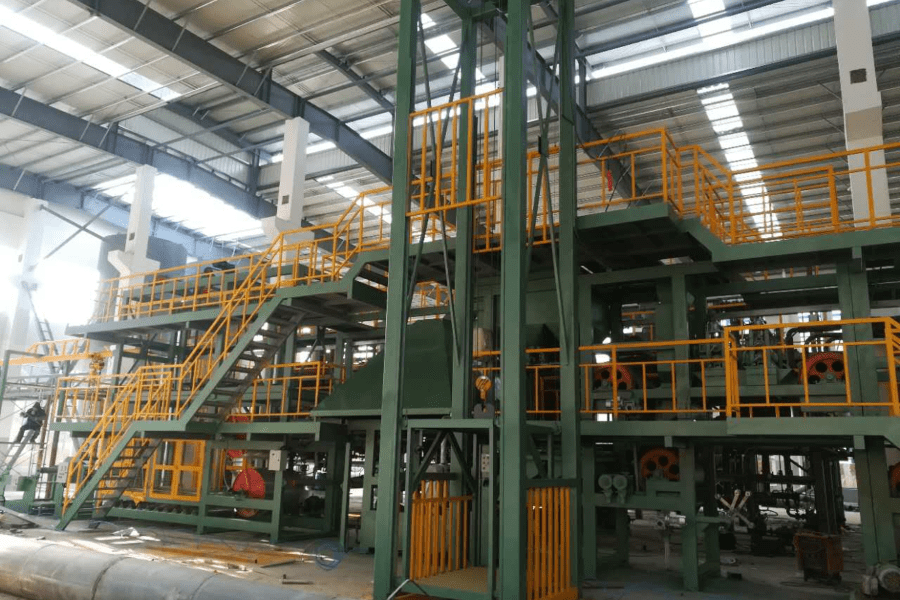
Understanding Servo-Driven Technology in Asphalt Shingle Manufacturing
Core Components and Operating Principles
Servo-driven cutting systems utilize precision electric motors controlled by advanced feedback mechanisms to achieve exact positioning and timing. Unlike traditional pneumatic or hydraulic systems, servo motors provide instantaneous response to control signals, enabling rapid pattern changes without mechanical adjustments. The technology incorporates encoders that continuously monitor blade position, ensuring cuts occur at precisely the right moment regardless of production speed variations. This level of control allows manufacturers to implement complex cutting patterns that would be impossible with conventional systems.
The servo system's ability to store multiple cutting programs means operators can switch between different shingle patterns with simple software commands. Each pattern program contains specific parameters for cut timing, blade depth, and positioning sequences. The system automatically adjusts these parameters based on material thickness, production speed, and environmental conditions, maintaining consistent cut quality across all production runs.
Integration with Production Line Systems
Modern servo-driven cutters integrate seamlessly with upstream and downstream equipment through industrial communication protocols. The system receives real-time data from material feeding mechanisms, temperature sensors, and quality control systems to optimize cutting performance. This integration enables automatic adjustments when material properties change, ensuring consistent pattern execution regardless of raw material variations.
The cutter communicates with packaging and sorting equipment to coordinate pattern-specific handling requirements. Different shingle patterns may require unique packaging configurations or sorting sequences, and the servo system provides advance notification to downstream equipment about incoming pattern changes. This coordination minimizes waste and ensures proper product identification throughout the manufacturing process.
Pattern Flexibility Advantages in Modern Manufacturing
Rapid Pattern Changeover Capabilities
Traditional cutting systems require mechanical adjustments, tool changes, or fixture modifications to accommodate different shingle patterns. These changeovers can consume hours of production time and require skilled technicians to ensure proper setup. Servo-driven systems eliminate most mechanical adjustments by storing pattern parameters in software memory, enabling pattern changes in minutes rather than hours.
The ability to change patterns quickly allows manufacturers to respond rapidly to market demands and customer orders. Small-batch custom orders become economically viable when pattern changeover time approaches zero. This flexibility enables manufacturers to serve niche markets and offer premium customization services that differentiate their products from standard offerings.
Complex Geometric Pattern Creation
Servo technology enables the creation of intricate geometric patterns that would be challenging or impossible with mechanical cutting systems. The precise positioning control allows for curved cuts, variable spacing, and multi-directional cutting sequences within a single shingle. These capabilities open new design possibilities for architects and builders seeking distinctive roofing aesthetics.
The system can execute patterns with varying cut depths, creating textured surfaces that enhance the visual appeal of finished shingles. Multiple cutting passes with different parameters can create layered effects, shadow lines, and dimensional variations that add architectural interest. This level of pattern sophistication helps manufacturers command premium pricing for specialty products.
Economic Benefits and Production Efficiency
Reduced Setup Time and Labor Costs
Minimizing pattern changeover time directly impacts labor efficiency and production capacity utilization. Operators can manage pattern changes through simple interface commands rather than performing complex mechanical adjustments. This reduction in required skill level for changeovers allows manufacturers to utilize existing personnel more effectively and reduces dependency on specialized technicians.
The elimination of manual setup procedures reduces human error potential and ensures consistent pattern execution. Automated setup procedures guarantee that each pattern change maintains the same precision and quality standards, reducing waste from incorrect setups and minimizing quality control requirements during changeover periods.
Enhanced Product Mix Flexibility
Manufacturers can maintain broader product portfolios without dedicating separate production lines to different pattern types. The servo-driven asphalt shingle cutter enables economical production of small batches and custom orders alongside high-volume standard products. This flexibility allows manufacturers to capture additional market segments and respond to seasonal demand variations without major capital investments.
The ability to produce multiple patterns on demand enables just-in-time manufacturing approaches that reduce inventory carrying costs. Manufacturers can produce specific patterns based on actual orders rather than maintaining large inventories of various pattern types. This approach improves cash flow and reduces the risk of obsolete inventory when market preferences change.
Quality Control and Precision Advantages
Consistent Cut Quality Across Production Runs
Servo systems maintain consistent cutting parameters regardless of production speed variations or material property changes. The feedback control system continuously monitors and adjusts cutting force, timing, and positioning to maintain optimal cut quality. This consistency eliminates the quality variations common with mechanical systems that rely on fixed settings.
Automated quality monitoring systems can detect cut quality deviations in real-time and make immediate corrections. The servo system logs all cutting parameters and quality measurements, creating comprehensive documentation for quality control analysis and continuous improvement initiatives. This data enables proactive maintenance scheduling and optimization of cutting parameters based on historical performance.
Precision Edge Finishing
The precise control available with servo systems enables superior edge finishing that enhances both aesthetic appeal and functional performance of finished shingles. Clean, precise cuts reduce edge fraying and improve weather sealing performance when shingles are installed. The consistent edge quality also facilitates automated packaging and reduces handling damage during shipping.
Variable cutting speeds and forces can be programmed to optimize edge quality for different material types and thicknesses. The system automatically adjusts cutting parameters based on material specifications, ensuring optimal edge finishing regardless of raw material variations. This adaptability maintains consistent quality across different product lines and material suppliers.
Technical Specifications and Implementation Considerations
Power Requirements and Control Systems
Servo-driven cutting systems require stable electrical power and sophisticated control electronics to maintain precision operation. The power requirements vary based on cutting force needs and production speed, but modern systems optimize energy consumption through intelligent motor control algorithms. Variable frequency drives adjust motor speed and torque based on actual cutting requirements, reducing energy consumption during light cutting operations.
Control system architecture must accommodate integration with existing production line equipment and facility management systems. Modern servo controllers support multiple communication protocols and can interface with enterprise resource planning systems for production scheduling and monitoring. The control system design should include redundancy for critical functions to minimize production disruptions from electronic component failures.
Maintenance Requirements and Service Considerations
Servo systems require different maintenance approaches compared to traditional mechanical cutting systems. Electronic components need regular calibration and software updates to maintain optimal performance. However, the reduced mechanical wear in servo systems often results in lower overall maintenance requirements and longer equipment life cycles.
Predictive maintenance capabilities built into modern servo systems monitor component performance and predict potential failures before they occur. This monitoring reduces unplanned downtime and allows maintenance scheduling during planned production breaks. Remote diagnostic capabilities enable equipment manufacturers to provide rapid technical support and optimize system performance based on actual operating conditions.
Market Trends and Future Development
Industry Adoption Patterns
The roofing industry increasingly demands greater product variety and customization options, driving adoption of flexible manufacturing technologies. Servo-driven cutting systems represent a key enabler for manufacturers seeking to differentiate their products and serve specialized market segments. Early adopters report significant competitive advantages through enhanced pattern variety and reduced lead times for custom orders.
Market research indicates growing demand for architectural shingles with complex patterns and premium aesthetics. This trend favors manufacturers equipped with flexible cutting systems capable of producing intricate designs economically. The ability to rapidly introduce new patterns in response to design trends provides a significant competitive advantage in fashion-conscious market segments.
Technology Evolution and Integration
Emerging technologies such as artificial intelligence and machine learning are being integrated with servo-driven cutting systems to optimize performance automatically. These systems learn from production data to improve cutting parameters and predict optimal settings for new patterns or materials. Integration with computer-aided design systems enables direct translation of architectural drawings into cutting programs, streamlining the product development process.
Future developments focus on enhanced connectivity and data analytics capabilities that enable comprehensive production optimization. Internet of Things integration allows remote monitoring and optimization of cutting systems across multiple production facilities. This connectivity enables centralized pattern management and rapid deployment of new designs across manufacturing networks.
FAQ
How long does pattern changeover take with servo-driven systems
Pattern changeover with servo-driven asphalt shingle cutters typically takes between 2-5 minutes, compared to 30 minutes to several hours required by traditional mechanical systems. The exact time depends on pattern complexity and whether blade changes are required, but most software-controlled pattern changes occur almost instantaneously once the new program is loaded.
What maintenance is required for servo-driven cutting systems
Servo-driven systems require regular calibration checks, software updates, and electronic component inspection. However, mechanical maintenance requirements are typically lower than traditional systems due to reduced wear from precise control. Predictive maintenance features help schedule service activities and prevent unexpected failures.
Can existing production lines be upgraded to servo-driven cutting
Many existing asphalt shingle production lines can be retrofitted with servo-driven cutting systems, though the extent of modification required depends on current equipment age and configuration. Successful upgrades typically require electrical system improvements and control system integration, but the mechanical interfaces often remain largely unchanged.
What return on investment can manufacturers expect
Return on investment varies based on production volume and product mix, but manufacturers typically see payback periods of 12-24 months through reduced changeover time, improved product mix flexibility, and enhanced quality consistency. Additional benefits from reduced waste and improved customer satisfaction contribute to longer-term financial returns.
Table of Contents
- Understanding Servo-Driven Technology in Asphalt Shingle Manufacturing
- Pattern Flexibility Advantages in Modern Manufacturing
- Economic Benefits and Production Efficiency
- Quality Control and Precision Advantages
- Technical Specifications and Implementation Considerations
- Market Trends and Future Development
- FAQ