 EN
EN
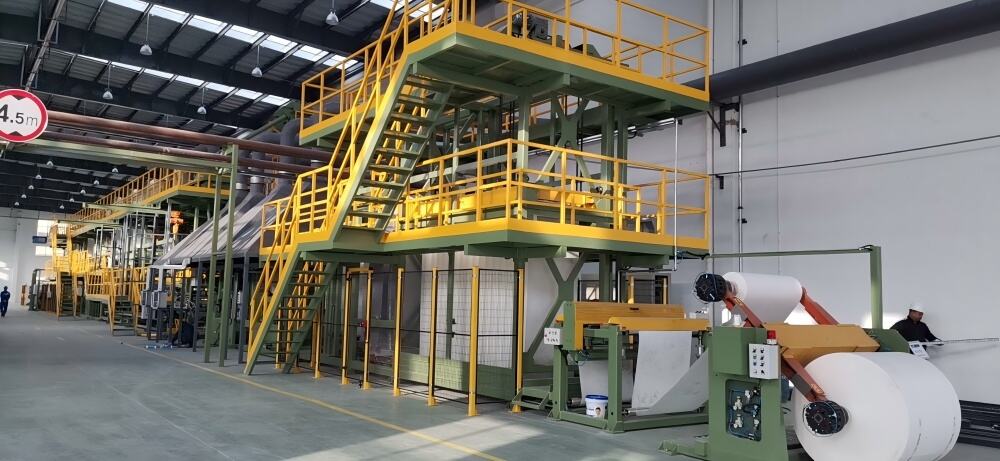
Aging industrial facilities across the globe face mounting pressure to increase production capacity while maintaining operational efficiency and environmental compliance. Traditional expansion methods often require substantial capital investment and lengthy construction timelines that many companies cannot afford. However, membrane equipment retrofit solutions present a compelling alternative that can significantly enhance plant performance without the need for complete facility overhaul. These advanced membrane technologies offer proven pathways to capacity optimization, reduced operational costs, and improved product quality across diverse industrial applications.
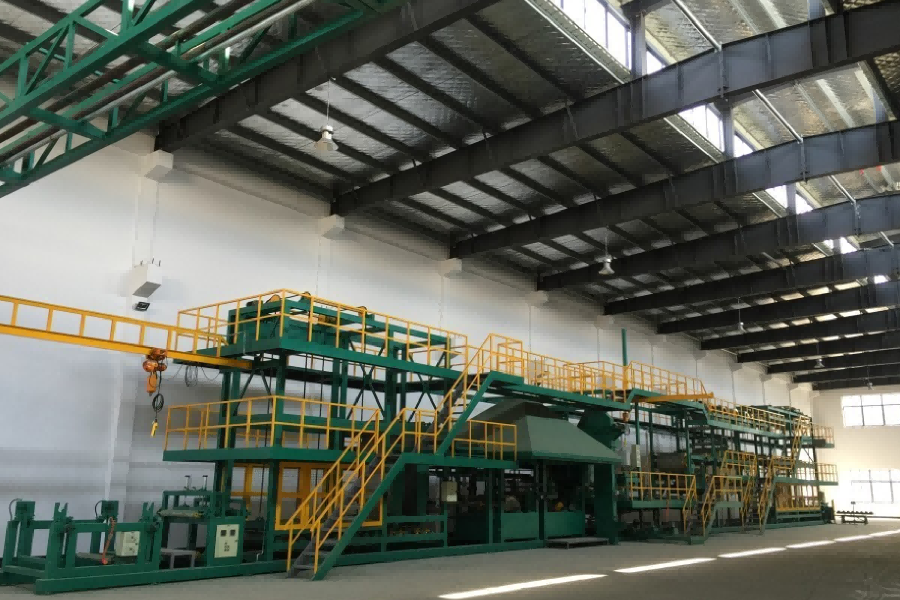
Manufacturing plants built decades ago were designed with different production targets and technology limitations than what modern industry demands. Today's market conditions require higher throughput, superior product purity, and stricter environmental standards. The integration of modern membrane systems into existing infrastructure represents a strategic approach that addresses these challenges while leveraging existing assets. This methodology has gained significant traction among facility managers and process engineers seeking cost-effective solutions for capacity enhancement.
Understanding Membrane Technology Benefits for Industrial Applications
Enhanced Separation Efficiency and Product Quality
Modern membrane systems deliver exceptional separation performance that often surpasses traditional processing methods. These technologies utilize selective permeability to achieve precise molecular-level separation, resulting in higher product purity and reduced waste generation. The controlled filtration process eliminates many variables that can compromise product quality in conventional systems. Additionally, membrane processes typically operate under milder conditions, preserving heat-sensitive materials and reducing energy consumption compared to thermal separation methods.
The consistency of membrane performance translates directly into improved product specifications and reduced batch-to-batch variation. This reliability becomes particularly valuable in industries where product quality directly impacts customer satisfaction and regulatory compliance. Manufacturing facilities implementing membrane upgrades frequently report significant improvements in yield rates and substantial reductions in product rejection rates.
Operational Flexibility and Process Optimization
Membrane systems offer remarkable operational flexibility that allows plants to adapt to changing production requirements without major infrastructure modifications. The modular design of most membrane configurations enables incremental capacity increases as demand grows. Process parameters can be adjusted dynamically to accommodate different product specifications or raw material variations. This adaptability proves invaluable for facilities serving diverse markets or experiencing seasonal demand fluctuations.
The automated control capabilities integrated into modern membrane systems reduce operator intervention requirements and minimize human error potential. Advanced monitoring systems provide real-time performance data, enabling predictive maintenance strategies that maximize uptime and extend equipment lifespan. These operational improvements often result in significant labor cost reductions and enhanced overall equipment effectiveness.
Retrofit Implementation Strategies and Considerations
Technical Assessment and System Integration
Successful membrane equipment retrofit projects require comprehensive technical evaluation of existing infrastructure and process requirements. Engineering teams must analyze current flow rates, pressure capabilities, temperature ranges, and space constraints to determine optimal membrane configurations. The integration process involves careful consideration of upstream and downstream equipment compatibility to ensure seamless operation. Proper system sizing calculations account for future capacity expansion needs and membrane performance degradation over time.
Process flow modifications may be necessary to accommodate membrane system requirements, including adequate pre-treatment capabilities and appropriate cleaning systems. The retrofit design must maintain operational continuity during installation phases, often requiring staged implementation approaches. Thorough computational fluid dynamics analysis helps optimize piping layouts and minimize pressure drops that could impact system performance.
Economic Evaluation and Return on Investment
The financial justification for membrane equipment retrofit projects typically demonstrates attractive returns through multiple value streams. Direct capacity increases often provide the primary economic driver, enabling higher production volumes without proportional increases in facility costs. Reduced energy consumption compared to traditional separation methods generates ongoing operational savings that accumulate significantly over the system lifecycle.
Additional economic benefits include reduced waste disposal costs, lower chemical consumption, and decreased maintenance requirements compared to legacy systems. Many retrofit projects qualify for environmental incentives or tax credits that further improve project economics. The relatively short payback periods associated with membrane retrofits make them attractive alternatives to greenfield expansion projects that require substantially higher capital investment and longer implementation timelines.
Industry-Specific Applications and Case Studies
Water Treatment and Purification Systems
Water treatment facilities have successfully implemented membrane retrofits to address increasing demand and stricter discharge standards. Municipal treatment plants utilize ultrafiltration and reverse osmosis systems to achieve higher effluent quality while processing greater volumes. Industrial water treatment applications benefit from membrane technology's ability to remove specific contaminants that traditional methods struggle to eliminate effectively. The modular nature of membrane systems allows for capacity expansion without major civil construction work.
Pharmaceutical and food processing industries have adopted membrane retrofits to meet evolving purity requirements and increase production capacity. These applications particularly benefit from membrane technology's gentle processing conditions that preserve product integrity. The closed-loop operation of membrane systems also reduces contamination risks compared to open processing methods, supporting stringent quality control requirements.
Chemical Processing and Petrochemical Applications
Chemical manufacturing facilities leverage membrane retrofits to improve separation efficiency in complex process streams. Gas separation membranes enable selective recovery of valuable components that were previously lost in traditional processing methods. Solvent recovery applications using pervaporation membranes significantly reduce raw material costs while minimizing environmental impact. The precision of membrane separation often eliminates the need for multiple processing steps, simplifying overall plant operations.
Petrochemical refineries implement membrane systems for hydrogen recovery, natural gas purification, and hydrocarbon separation applications. These retrofits typically achieve substantial improvements in product recovery rates while reducing energy consumption compared to distillation-based processes. The ability to operate membrane systems at lower temperatures reduces thermal stress on equipment and extends overall plant lifecycle.
Implementation Challenges and Risk Mitigation
Technical Integration Complexities
Retrofitting existing facilities with membrane equipment presents unique technical challenges that require careful planning and execution. Space constraints in established plants often necessitate creative engineering solutions to accommodate membrane modules and associated equipment. Existing utility systems may require upgrades to provide adequate power, compressed air, or cooling water for optimal membrane operation. The integration of new control systems with legacy equipment can introduce compatibility issues that demand specialized expertise to resolve.
Membrane fouling management represents a critical consideration that impacts long-term system performance and maintenance requirements. Pre-treatment system design must address specific contaminants present in existing process streams that could compromise membrane integrity. Proper cleaning protocols and membrane replacement strategies should be established during the design phase to minimize operational disruptions and maintain consistent performance throughout the system lifecycle.
Operational Transition and Staff Training
The successful transition to membrane-based processes requires comprehensive operator training and procedure development. Existing plant personnel must understand membrane operating principles, monitoring requirements, and troubleshooting procedures to ensure optimal system performance. The establishment of preventive maintenance programs specific to membrane equipment helps maximize system reliability and extend membrane lifespan. Regular performance monitoring protocols enable early detection of performance degradation and timely corrective actions.
Change management strategies should address potential resistance to new technology adoption and ensure smooth operational transitions. Gradual implementation approaches allow operators to gain confidence with membrane systems while maintaining production continuity. The development of detailed standard operating procedures and emergency response protocols provides essential guidance for sustained operational success.
Future Trends and Technology Developments
Advanced Membrane Materials and Configurations
Emerging membrane materials offer enhanced performance characteristics that expand retrofit application possibilities. Next-generation polymer membranes demonstrate improved chemical resistance, higher flux rates, and extended operational lifespans compared to traditional materials. Ceramic and metallic membrane options provide superior durability for harsh operating conditions while maintaining excellent separation performance. These advanced materials enable membrane retrofits in applications previously considered unsuitable for membrane technology.
Novel membrane configurations, including spiral wound modules with enhanced mass transfer characteristics and hollow fiber designs with increased packing densities, provide greater capacity within existing footprint constraints. Multi-layer membrane architectures achieve superior selectivity for complex separation challenges. The integration of nanotechnology into membrane manufacturing creates opportunities for molecular-level performance optimization tailored to specific industrial applications.
Digital Integration and Smart Monitoring Systems
The convergence of membrane technology with digital monitoring systems creates unprecedented opportunities for performance optimization and predictive maintenance. Artificial intelligence algorithms analyze real-time operational data to optimize membrane performance and predict maintenance requirements. Internet of Things sensors provide continuous monitoring of critical parameters, enabling remote system management and rapid response to performance deviations. These digital capabilities significantly reduce operational costs while maximizing membrane equipment reliability and longevity.
Machine learning applications identify optimal operating conditions for specific feed compositions and environmental conditions, continuously improving system efficiency. Advanced data analytics platforms integrate membrane performance data with broader plant operations, enabling holistic optimization strategies that maximize overall facility productivity. The implementation of digital twin technology allows for virtual testing of retrofit scenarios and optimization strategies before physical implementation.
FAQ
What factors determine if a facility is suitable for membrane equipment retrofit
Facility suitability for membrane equipment retrofit depends on several key factors including available space for equipment installation, existing utility infrastructure capacity, process stream characteristics, and production volume requirements. The physical condition of existing equipment and structural support capabilities must accommodate additional membrane modules and associated piping. Process compatibility assessment evaluates whether current operations can integrate with membrane technology requirements, including necessary pre-treatment and post-treatment systems.
How long does a typical membrane equipment retrofit project take to complete
Membrane equipment retrofit project timelines typically range from six months to two years, depending on system complexity and installation requirements. Simple retrofits involving modular membrane units may complete within six to twelve months, while comprehensive system integrations requiring extensive modifications can extend to eighteen to twenty-four months. The timeline includes engineering design phases, equipment procurement, installation activities, commissioning procedures, and operator training programs. Staged implementation approaches can reduce operational disruption by maintaining production during retrofit activities.
What maintenance requirements are associated with retrofitted membrane systems
Retrofitted membrane systems require regular cleaning cycles, periodic membrane replacement, and monitoring of key performance indicators to maintain optimal operation. Daily maintenance activities include checking system pressures, flow rates, and cleaning solution concentrations. Weekly tasks involve membrane integrity testing and detailed performance analysis. Monthly maintenance includes comprehensive system inspection and preventive maintenance procedures. Annual activities encompass membrane replacement planning and system optimization reviews based on performance data analysis.
How do membrane retrofits compare to alternative capacity expansion methods
Membrane retrofits typically offer faster implementation timelines and lower capital costs compared to greenfield facility construction or major equipment replacement projects. The modular nature of membrane systems enables incremental capacity increases that align with demand growth, reducing financial risk associated with large upfront investments. Membrane technology often provides superior product quality and lower operating costs compared to traditional separation methods. However, membrane systems may have limitations in handling certain process conditions or contaminant types that could favor alternative technologies for specific applications.
Table of Contents
- Understanding Membrane Technology Benefits for Industrial Applications
- Retrofit Implementation Strategies and Considerations
- Industry-Specific Applications and Case Studies
- Implementation Challenges and Risk Mitigation
- Future Trends and Technology Developments
-
FAQ
- What factors determine if a facility is suitable for membrane equipment retrofit
- How long does a typical membrane equipment retrofit project take to complete
- What maintenance requirements are associated with retrofitted membrane systems
- How do membrane retrofits compare to alternative capacity expansion methods