 EN
EN
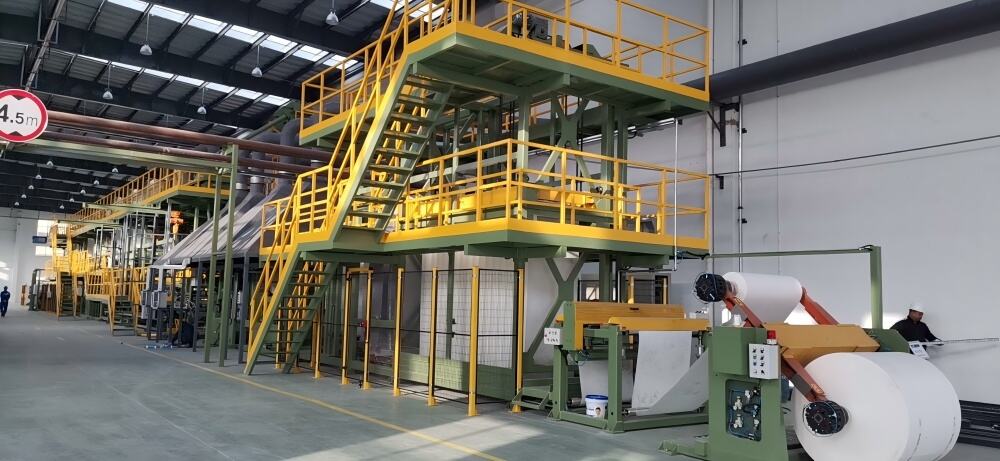
Manufacturing industries today face unprecedented pressure to adapt quickly to changing market demands, requiring production systems that can switch between different products efficiently. Traditional manufacturing setups often struggle with lengthy changeover times, resulting in decreased productivity and increased operational costs. Modular membrane equipment has emerged as a revolutionary solution that addresses these challenges by offering unprecedented flexibility and speed in production line reconfiguration. This innovative approach to manufacturing technology enables companies to respond rapidly to market fluctuations while maintaining high-quality standards across diverse product lines.
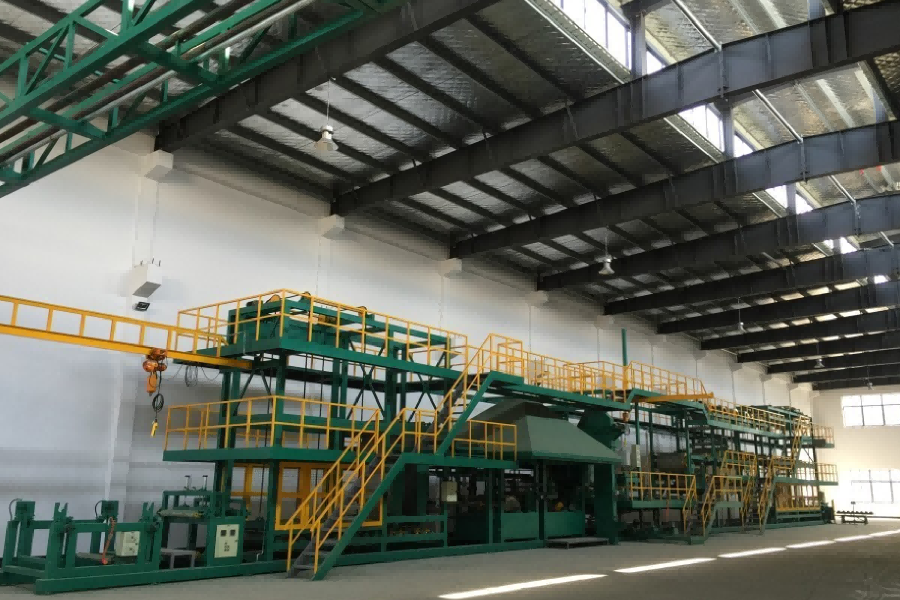
Understanding Modular Membrane Technology
Core Principles of Modular Design
The foundation of modular membrane equipment lies in its compartmentalized approach to manufacturing processes. Unlike traditional integrated systems, modular designs feature independent units that can be easily reconfigured, replaced, or upgraded without affecting the entire production line. Each module operates as a self-contained unit with standardized interfaces, allowing for seamless integration with other components. This design philosophy enables manufacturers to create customized production configurations that can be rapidly modified to accommodate different product specifications and requirements.
The membrane technology aspect introduces advanced filtration and separation capabilities into the modular framework. These membranes can be engineered for specific molecular weight cutoffs, chemical compatibilities, and operating conditions, making them ideal for diverse applications across multiple industries. The combination of modular design with membrane technology creates a powerful manufacturing platform that offers both flexibility and precision in product development and manufacturing processes.
Technological Advantages Over Conventional Systems
Conventional manufacturing systems often require extensive downtime for product changeovers, involving complex recalibration procedures and lengthy cleaning cycles. Modular membrane equipment eliminates many of these challenges through its plug-and-play architecture. Individual modules can be pre-configured for specific products and simply swapped out when changeovers are required, dramatically reducing transition times from hours to minutes.
The membrane components within these modular systems provide superior separation efficiency compared to traditional filtration methods. Advanced membrane materials offer precise molecular selectivity, enabling manufacturers to achieve consistent product quality while minimizing waste and maximizing yield. This technological superiority translates directly into improved profitability and reduced environmental impact, making modular membrane equipment an attractive investment for forward-thinking manufacturers.
Applications Across Manufacturing Industries
Pharmaceutical and Biotechnology Sector
The pharmaceutical industry represents one of the most demanding applications for modular membrane equipment, where product purity and regulatory compliance are paramount. Drug manufacturers frequently need to switch between different formulations, requiring extensive cleaning and validation procedures with traditional equipment. Modular systems address these challenges by allowing dedicated modules for specific products, eliminating cross-contamination risks and reducing validation requirements.
Biotechnology companies particularly benefit from the scalability offered by modular membrane systems. As products move from research and development through clinical trials to commercial production, the ability to add or reconfigure modules provides seamless scaling capabilities. This flexibility enables biotech firms to optimize their capital investments while maintaining the agility needed to respond to changing development priorities and market opportunities.
Food and Beverage Processing
Food and beverage manufacturers face constant pressure to introduce new products and seasonal variations while maintaining strict quality and safety standards. Modular membrane equipment enables these companies to rapidly reconfigure production lines for different products without compromising food safety protocols. The membrane technology provides gentle processing conditions that preserve nutritional content and flavor profiles while achieving the necessary separation and purification objectives.
Seasonal production requirements in the food industry create unique challenges that modular systems address effectively. Manufacturers can configure different modules for various seasonal products and store them when not in use, maximizing equipment utilization throughout the year. This approach significantly reduces the capital investment required to handle diverse product portfolios while maintaining the flexibility to respond to seasonal demand fluctuations.
Economic Benefits and Return on Investment
Reduced Changeover Costs and Downtime
Traditional manufacturing changeovers involve significant labor costs, extended downtime, and potential product losses during transition periods. Modular membrane equipment dramatically reduces these costs by minimizing changeover complexity and duration. The standardized interfaces and pre-configured modules enable rapid system reconfiguration with minimal manual intervention, reducing labor requirements and associated costs.
Downtime reduction represents one of the most significant economic benefits of modular systems. While conventional equipment might require eight to twelve hours for complete changeovers, modular membrane equipment can accomplish the same transitions in one to two hours. This improvement in operational efficiency translates directly into increased production capacity and revenue generation, providing compelling justification for the initial investment in modular technology.
Scalability and Future-Proofing Investments
The modular approach to membrane equipment provides exceptional scalability advantages that traditional integrated systems cannot match. Companies can start with basic configurations and add modules as production requirements grow, spreading capital investments over time while maintaining operational continuity. This scalability reduces financial risk and enables companies to match their equipment investments more closely with actual business growth.
Future-proofing represents another critical economic advantage of modular membrane systems. As technology advances or product requirements change, individual modules can be upgraded or replaced without affecting the entire production line. This capability protects manufacturers from technological obsolescence and enables them to maintain competitive advantages through continuous improvement of their manufacturing capabilities.
Implementation Strategies and Best Practices
System Design and Configuration Planning
Successful implementation of modular membrane equipment requires careful planning and system design to maximize the benefits of modularity while meeting specific production requirements. The design process should begin with a comprehensive analysis of current and future product portfolios, identifying common processes and unique requirements that will influence module configuration. This analysis forms the foundation for developing a modular architecture that optimizes flexibility while minimizing complexity.
Configuration planning must consider both current operational needs and future expansion possibilities. The modular design should incorporate standardized interfaces and communication protocols that enable seamless integration of new modules as requirements evolve. Proper planning at this stage prevents costly modifications later and ensures that the system can adapt to changing business needs without major infrastructure investments.
Staff Training and Change Management
The transition to modular membrane equipment requires comprehensive staff training to ensure effective utilization of the new system capabilities. Operators must understand the modular architecture and develop skills in rapid module changeover procedures. This training investment is crucial for realizing the full benefits of reduced changeover times and improved operational efficiency.
Change management strategies should address potential resistance to new operating procedures and emphasize the benefits that modular systems provide to both the organization and individual operators. Involving key personnel in the planning and implementation process helps build buy-in and ensures that the transition proceeds smoothly. Regular training updates and performance monitoring help maintain optimal system utilization over time.
Maintenance and Long-term Performance
Preventive Maintenance Strategies
Modular membrane equipment offers unique advantages for maintenance planning and execution. Individual modules can be removed from service for maintenance without affecting the operation of other system components, enabling more flexible maintenance scheduling and reduced production disruptions. This capability allows maintenance teams to perform thorough inspections and repairs during planned downtime rather than emergency situations.
The standardized nature of modular components simplifies spare parts inventory management and technician training requirements. Maintenance teams can develop expertise with standard module designs rather than learning multiple unique systems, improving maintenance efficiency and reducing the likelihood of errors. Preventive maintenance programs can be optimized for each module type, ensuring appropriate attention to critical components while avoiding unnecessary maintenance on less critical elements.
Performance Monitoring and Optimization
Advanced monitoring systems integrated with modular membrane equipment provide detailed performance data for each module, enabling precise optimization of system performance. This granular visibility allows operators to identify performance trends and potential issues before they impact production quality or efficiency. Real-time monitoring capabilities support continuous improvement initiatives and help maintain optimal system performance over extended operating periods.
Performance optimization in modular systems can be approached systematically, with improvements implemented module by module without disrupting overall production. This approach enables manufacturers to continuously enhance their capabilities while maintaining operational stability. Data analytics capabilities help identify patterns and opportunities for optimization that might not be apparent in traditional integrated systems.
FAQ
What industries benefit most from modular membrane equipment
Industries with frequent product changeovers and stringent quality requirements benefit most from modular membrane equipment. Pharmaceutical and biotechnology companies find particular value due to their need for contamination-free changeovers and scalable production capabilities. Food and beverage manufacturers also gain significant advantages from the rapid reconfiguration capabilities and gentle processing conditions provided by membrane technology. Chemical processing, electronics manufacturing, and specialty materials production represent additional sectors where modular membrane systems provide substantial operational and economic benefits.
How quickly can product changeovers be completed with modular systems
Modular membrane equipment typically enables product changeovers in one to two hours compared to eight to twelve hours required by conventional integrated systems. The exact changeover time depends on the complexity of the products involved and the specific module configurations required. Simple product switches using pre-configured modules can be completed in as little as thirty minutes, while more complex changeovers involving multiple module replacements might require up to four hours. Regardless of complexity, modular systems consistently provide significant time savings compared to traditional manufacturing equipment.
What initial investment considerations should companies evaluate
Companies should evaluate several key factors when considering investment in modular membrane equipment. Initial capital costs may be higher than conventional systems due to the sophisticated engineering required for modular interfaces and advanced membrane technology. However, the total cost of ownership typically favors modular systems due to reduced changeover costs, improved efficiency, and enhanced scalability. Companies should also consider their current and projected product portfolios, changeover frequency requirements, and long-term growth plans when evaluating the investment proposition.
How do modular systems compare in terms of maintenance requirements
Modular membrane equipment generally requires less disruptive maintenance compared to integrated systems since individual modules can be serviced independently. While the total maintenance workload may be similar, the flexibility to perform maintenance during planned downtime rather than emergency situations reduces overall maintenance costs and production disruptions. The standardized nature of modular components also simplifies maintenance procedures and spare parts management, potentially reducing long-term maintenance expenses. Regular membrane replacement represents the primary ongoing maintenance requirement, but this can be scheduled to minimize production impact.