 EN
EN
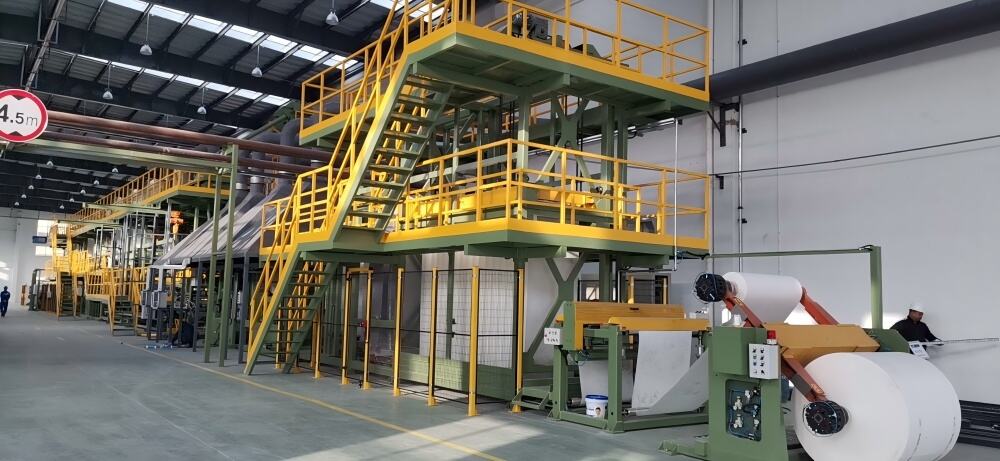
Manufacturing high-quality membranes requires sophisticated production systems that combine precision engineering with advanced material processing capabilities. A membrane production line represents the culmination of industrial innovation, designed to transform raw materials into specialized filtration and separation components used across diverse industries. These production systems have become essential infrastructure for companies manufacturing everything from water treatment filters to medical devices, automotive components, and industrial separation technologies.
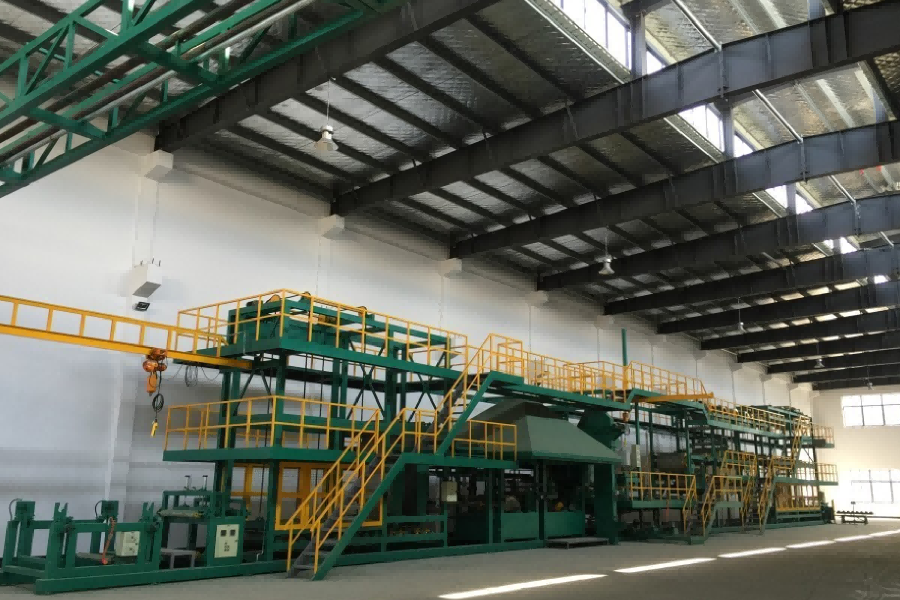
The complexity of modern membrane manufacturing demands integrated production solutions that maintain consistent quality while achieving optimal throughput rates. Industrial manufacturers increasingly rely on automated systems that can handle multiple membrane types, from thin-film composites to ceramic and polymeric variants. Understanding the intricacies of these production systems becomes crucial for companies seeking to establish or upgrade their manufacturing capabilities in today's competitive marketplace.
Fundamental Components of Modern Membrane Manufacturing Systems
Material Preparation and Processing Stations
The foundation of any effective membrane production line begins with sophisticated material preparation systems that ensure consistent raw material quality. These stations typically incorporate precision weighing systems, automated mixing equipment, and temperature-controlled storage units that maintain optimal conditions for various polymer solutions and substrate materials. Advanced preparation systems feature real-time monitoring capabilities that track viscosity, temperature, and chemical composition throughout the preparation process.
Quality control integration at the material preparation stage prevents downstream production issues and reduces waste generation. Modern systems utilize automated sampling mechanisms that collect specimens for immediate analysis, ensuring that only materials meeting strict specifications proceed to the next manufacturing stage. This proactive approach significantly improves overall production efficiency while maintaining the consistent quality standards required for high-performance membrane applications.
Casting and Formation Equipment
The casting process represents the critical transformation phase where prepared materials become structured membrane products. Contemporary casting equipment employs precision slot-die coating systems that deliver uniform material distribution across substrate surfaces with tolerances measured in micrometers. These systems integrate advanced web handling mechanisms that maintain consistent tension and speed throughout the casting operation, ensuring uniform thickness and preventing defects that could compromise membrane performance.
Temperature management during the casting phase requires sophisticated heating and cooling systems that create optimal conditions for membrane formation. Multi-zone temperature control allows operators to establish precise thermal profiles that promote proper solvent evaporation rates and polymer chain alignment. This level of control becomes particularly important when manufacturing specialized membranes with specific permeability characteristics or chemical resistance properties.
Advanced Process Control and Automation Technologies
Real-Time Monitoring and Quality Assurance
Modern membrane production line systems incorporate comprehensive monitoring technologies that track critical parameters throughout the manufacturing process. These systems utilize advanced sensors to monitor thickness variation, porosity characteristics, and surface quality in real-time, enabling immediate corrections when deviations occur. Integrated vision systems can detect microscopic defects and automatically adjust processing parameters to maintain consistent quality standards.
Data collection and analysis capabilities provide manufacturers with detailed production insights that support continuous improvement initiatives. Advanced systems generate comprehensive reports that track equipment performance, material consumption, and quality metrics, enabling operators to identify optimization opportunities and predict maintenance requirements. This data-driven approach significantly reduces downtime while improving overall equipment effectiveness and product consistency.
Automated Material Handling and Transport Systems
Efficient material flow throughout the production process requires sophisticated handling systems that minimize contamination risks while maintaining production speed. Automated guided vehicles and conveyor systems transport materials between processing stations with precise timing coordination that prevents bottlenecks and ensures smooth production flow. These systems incorporate cleanroom-compatible components that maintain the sterile conditions required for medical and pharmaceutical membrane applications.
Integration with enterprise resource planning systems enables automated inventory management that ensures adequate raw material supplies while minimizing storage costs. Smart scheduling algorithms optimize production sequences based on material availability, equipment capacity, and delivery requirements, maximizing overall system efficiency while reducing operational complexity for production managers.
Specialized Applications and Industry Requirements
Water Treatment and Environmental Applications
Water treatment applications demand membranes with specific permeability characteristics and chemical resistance properties that require specialized production techniques. Manufacturing reverse osmosis and ultrafiltration membranes involves precise control of pore structure formation through controlled phase separation processes. Production systems for these applications incorporate specialized atmosphere control systems that manage humidity and chemical vapor concentrations during the membrane formation process.
Environmental regulations governing water treatment membrane manufacturing require comprehensive documentation and traceability systems that track material sources and processing conditions. Advanced production lines integrate compliance management software that automatically generates required documentation while ensuring adherence to environmental standards throughout the manufacturing process. This capability becomes essential for manufacturers serving municipal water treatment and industrial wastewater management markets.
Medical and Pharmaceutical Manufacturing Requirements
Medical device and pharmaceutical applications impose stringent quality requirements that demand specialized production capabilities and validation procedures. Manufacturing membranes for dialysis equipment, drug delivery systems, and laboratory filtration requires production environments that meet FDA and international medical device standards. These systems incorporate comprehensive sterilization capabilities and contamination control measures that ensure product safety and regulatory compliance.
Validation and documentation requirements for medical applications necessitate production systems with extensive data logging and batch tracking capabilities. Every aspect of the manufacturing process must be documented and traceable, from raw material lot numbers to final product testing results. Advanced production lines automatically generate validation documentation that supports regulatory submissions and quality system audits.
Optimization Strategies for Enhanced Production Efficiency
Energy Management and Sustainability Considerations
Energy consumption represents a significant operational cost factor in membrane manufacturing, driving the development of energy-efficient production technologies. Modern systems incorporate heat recovery systems that capture and reuse thermal energy from drying and curing processes, significantly reducing overall energy requirements. Variable frequency drives on motors and pumps optimize power consumption based on actual production demands rather than running at constant maximum capacity.
Sustainability initiatives increasingly influence production line design decisions, with manufacturers seeking systems that minimize waste generation and solvent consumption. Closed-loop solvent recovery systems capture and purify organic solvents for reuse, reducing both environmental impact and raw material costs. These systems incorporate advanced distillation and purification technologies that maintain solvent quality while achieving high recovery rates.
Predictive Maintenance and Equipment Reliability
Equipment reliability directly impacts production efficiency and product quality, making predictive maintenance capabilities essential for modern manufacturing operations. Advanced systems incorporate vibration monitoring, thermal imaging, and oil analysis capabilities that detect potential equipment problems before they cause production disruptions. Machine learning algorithms analyze historical performance data to predict optimal maintenance schedules and identify components requiring attention.
Condition monitoring systems provide real-time equipment health assessments that enable maintenance teams to plan interventions during scheduled downtime rather than responding to unexpected failures. This proactive approach significantly reduces maintenance costs while improving overall equipment availability and production consistency. Integration with maintenance management systems automates work order generation and parts ordering to streamline maintenance operations.
Future Developments and Technology Trends
Industry 4.0 Integration and Smart Manufacturing
The evolution toward Industry 4.0 principles is transforming membrane manufacturing through increased connectivity and data-driven decision making. Smart production systems integrate with cloud-based analytics platforms that provide real-time insights into production performance and quality trends. These systems enable remote monitoring and control capabilities that allow experts to optimize production parameters from anywhere in the world.
Artificial intelligence and machine learning technologies are beginning to revolutionize process optimization by identifying complex relationships between processing parameters and product quality. These advanced systems can automatically adjust production parameters to maintain optimal quality while adapting to variations in raw material properties or environmental conditions. This level of automation reduces the skill requirements for operators while improving overall production consistency.
Advanced Materials and Processing Technologies
Emerging membrane materials such as graphene-enhanced polymers and bio-based alternatives require new production capabilities that can handle these innovative materials effectively. Production systems are evolving to accommodate wider ranges of material properties and processing requirements, incorporating modular designs that can be reconfigured for different membrane types. This flexibility becomes crucial as manufacturers seek to diversify their product offerings and enter new application markets.
Additive manufacturing technologies are beginning to influence membrane production through the development of 3D printing capabilities for creating complex membrane structures. While still in early development stages, these technologies offer potential for producing customized membrane geometries and multi-layer structures that would be difficult or impossible to create using traditional manufacturing methods. This capability could revolutionize applications requiring specialized membrane configurations.
FAQ
What factors determine the optimal production capacity for a membrane manufacturing facility
Production capacity requirements depend on market demand projections, product mix complexity, and available capital investment. Manufacturers should consider factors including raw material availability, skilled labor requirements, and facility infrastructure when determining optimal capacity. Additionally, flexibility for future expansion and the ability to handle multiple product types influence capacity planning decisions. Most successful facilities design systems with 20-30% excess capacity to accommodate market growth and provide flexibility for maintenance activities.
How do quality control systems ensure consistent membrane performance characteristics
Quality control systems utilize multiple testing methods including permeability measurements, bubble point testing, and microscopic examination to verify membrane specifications. Automated testing equipment provides rapid feedback on critical parameters, enabling immediate process adjustments when deviations occur. Statistical process control methods track quality trends over time, identifying gradual changes that might indicate equipment wear or material variations. Comprehensive documentation systems maintain detailed records of all quality measurements for traceability and regulatory compliance purposes.
What maintenance requirements are typical for membrane production equipment
Maintenance requirements vary based on equipment type and production volume, but typically include daily cleaning procedures, weekly lubrication schedules, and monthly detailed inspections. Critical components such as coating dies and heating systems require more frequent attention to maintain precision and prevent contamination. Preventive maintenance programs include regular replacement of wear parts, calibration of measurement instruments, and comprehensive system testing. Most manufacturers schedule major maintenance activities during planned downtime periods to minimize production impact.
How do environmental regulations impact membrane production line design and operation
Environmental regulations influence multiple aspects of production system design including solvent emission control, waste treatment capabilities, and energy efficiency requirements. Air pollution control systems capture and treat organic vapors generated during membrane formation processes. Water treatment systems manage process wastewater to meet discharge standards, while waste minimization strategies reduce overall environmental impact. Compliance monitoring systems track emissions and waste generation to ensure ongoing regulatory adherence and support environmental reporting requirements.
Table of Contents
- Fundamental Components of Modern Membrane Manufacturing Systems
- Advanced Process Control and Automation Technologies
- Specialized Applications and Industry Requirements
- Optimization Strategies for Enhanced Production Efficiency
- Future Developments and Technology Trends
-
FAQ
- What factors determine the optimal production capacity for a membrane manufacturing facility
- How do quality control systems ensure consistent membrane performance characteristics
- What maintenance requirements are typical for membrane production equipment
- How do environmental regulations impact membrane production line design and operation