
 EN
EN
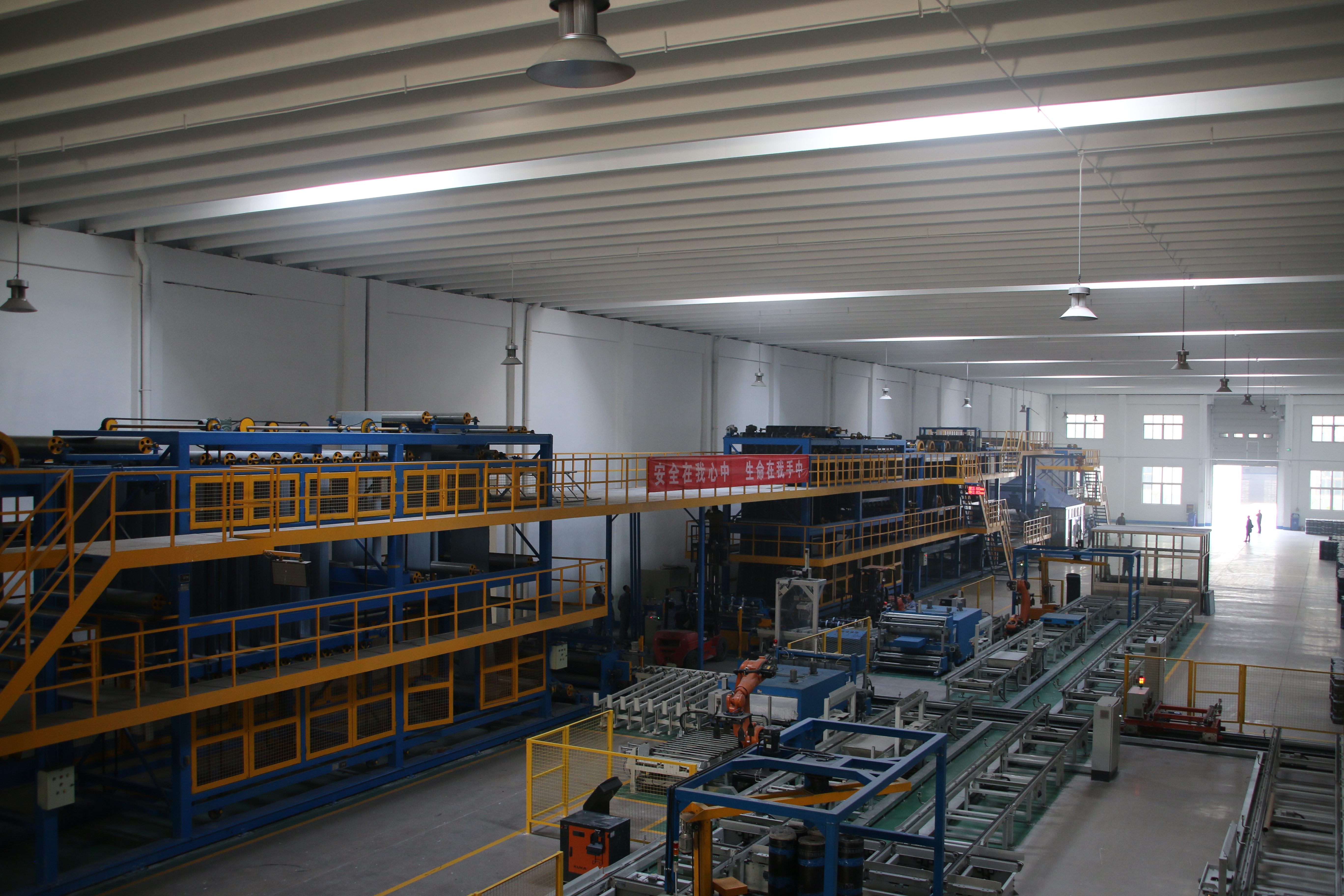
Achieving precise cutting accuracy in asphalt shingle manufacturing requires sophisticated machinery that can maintain dimensional tolerances while operating at industrial speeds. Modern asphalt shingle cutter systems integrate advanced servo control technology, laser guidance systems, and real-time feedback mechanisms to deliver consistent ±0.5 mm precision even during high-volume production runs. The combination of mechanical precision, electronic control systems, and quality monitoring protocols ensures that every shingle meets exact specifications required for professional roofing applications.
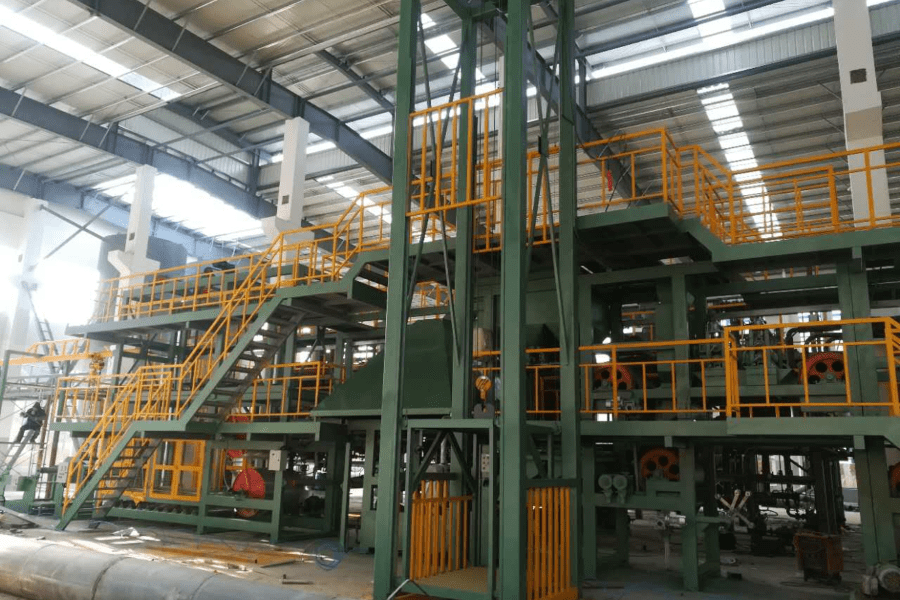
The precision engineering behind high-speed asphalt shingle cutting involves multiple coordinated systems working in perfect synchronization. Each component must operate within extremely tight tolerances to achieve the demanding accuracy requirements that modern construction standards demand. Understanding these technological innovations provides insight into how manufacturers can maintain competitive advantages while meeting increasingly stringent quality specifications.
Advanced Servo Control Systems
Precision Motor Technology
The foundation of accurate asphalt shingle cutter operation lies in sophisticated servo motor systems that provide exceptional position control and speed regulation. These high-torque motors utilize advanced encoder feedback systems that monitor rotational position to within 0.1 degrees, enabling precise blade positioning throughout the cutting cycle. The servo drives incorporate adaptive control algorithms that automatically compensate for load variations, material thickness changes, and environmental factors that could affect cutting accuracy.
Modern servo systems feature closed-loop control architectures that continuously monitor actual blade position against programmed specifications. When deviations are detected, the system immediately applies corrective actions through precise motor adjustments. This real-time correction capability ensures that cutting accuracy remains consistent even when processing materials with varying density or thickness characteristics.
Electronic Control Integration
The electronic control systems managing asphalt shingle cutter operations integrate multiple feedback sensors and monitoring devices to maintain cutting precision. Programmable logic controllers coordinate blade positioning, material feeding, and cutting sequences with microsecond timing accuracy. These controllers process input signals from position sensors, load monitors, and quality inspection systems to optimize cutting parameters in real-time.
Advanced control algorithms analyze cutting performance data to identify patterns that might indicate developing accuracy problems. Predictive maintenance protocols use this data to schedule blade replacement, system calibration, and component servicing before precision degradation occurs. This proactive approach ensures consistent ±0.5 mm accuracy throughout extended production campaigns.
Laser Guidance and Measurement Systems
Real-Time Position Monitoring
Laser-based measurement systems provide continuous monitoring of blade position and cut edge quality during asphalt shingle cutter operations. High-precision laser sensors track blade movement with sub-millimeter accuracy, generating position feedback signals that enable immediate corrections when deviations are detected. These non-contact measurement systems eliminate mechanical wear that could compromise accuracy over time.
The laser guidance systems incorporate advanced optical technologies that maintain measurement accuracy regardless of ambient lighting conditions or material surface characteristics. Specialized laser wavelengths penetrate surface dust and debris that commonly accumulates during asphalt processing, ensuring consistent measurement reliability. Data processing algorithms filter measurement noise and environmental interference to provide stable, accurate position information.
Automated Calibration Protocols
Automated calibration systems utilize laser measurement technology to maintain cutting accuracy without requiring manual intervention or production shutdown. These systems perform self-calibration routines during normal operation, adjusting blade positioning and cutting parameters to compensate for thermal expansion, mechanical wear, and other factors that affect precision. The calibration protocols operate transparently, maintaining production efficiency while ensuring quality standards.
Reference measurement systems establish baseline accuracy standards that guide automated calibration procedures. Precision reference blocks and calibrated measurement fixtures provide traceable accuracy standards that ensure asphalt shingle cutter systems maintain compliance with manufacturing specifications. Regular verification of these reference standards maintains long-term accuracy reliability.
Material Handling and Positioning
Precision Feed Mechanisms
Accurate material positioning represents a critical factor in maintaining cutting precision during high-speed asphalt shingle production. Advanced feed mechanisms utilize servo-controlled positioning systems that deliver materials to cutting stations with exceptional accuracy. These systems incorporate tension control mechanisms that maintain consistent material positioning regardless of roll diameter variations or material property changes.
The material handling systems feature adaptive control capabilities that automatically adjust feed rates and positioning accuracy based on real-time production requirements. Integrated sensors monitor material tension, position, and alignment to ensure optimal cutting conditions. When variations are detected, the system immediately implements corrective actions to maintain cutting accuracy within specified tolerances.
Vacuum Hold-Down Systems
Vacuum hold-down technology ensures stable material positioning during cutting operations, preventing movement that could compromise dimensional accuracy. These systems create uniform vacuum distribution across the cutting area, securing materials firmly without causing deformation or surface damage. The vacuum systems incorporate pressure monitoring and control circuits that maintain optimal hold-down force throughout the cutting cycle.
Advanced vacuum systems feature zone control capabilities that allow selective activation of hold-down areas based on shingle dimensions and cutting patterns. This precision control minimizes vacuum consumption while ensuring adequate material restraint. Automated vacuum release mechanisms facilitate rapid material advancement between cutting cycles, maintaining production efficiency while preserving accuracy.
Quality Control and Monitoring
Inline Dimension Verification
Continuous quality monitoring systems verify cutting accuracy immediately after each operation, providing instant feedback on dimensional compliance. High-resolution vision systems capture detailed measurements of cut edges, detecting deviations as small as 0.1 mm from specified dimensions. These inspection systems operate at production speeds, enabling 100% quality verification without impacting manufacturing efficiency.
The vision inspection systems utilize advanced image processing algorithms that analyze cut edge quality, dimensional accuracy, and surface characteristics. Machine learning capabilities enable these systems to identify subtle quality trends that might indicate developing accuracy problems. Statistical process control protocols use this data to optimize cutting parameters and maintain consistent quality output.
Statistical Process Monitoring
Statistical process control systems track cutting accuracy performance across extended production runs, identifying trends and variations that require attention. These monitoring systems maintain detailed accuracy databases that enable root cause analysis of quality deviations. Control charts and statistical analysis tools provide operators with clear indicators of system performance and maintenance requirements.
The monitoring systems generate automated reports documenting accuracy performance, maintenance activities, and quality trends. This documentation provides valuable data for continuous improvement initiatives and regulatory compliance requirements. Predictive analytics capabilities use historical performance data to forecast maintenance needs and optimize production scheduling.
Blade Technology and Maintenance
Precision Cutting Tools
The cutting blades used in asphalt shingle cutter systems represent critical components that directly impact dimensional accuracy and edge quality. Advanced blade designs utilize specialized steel alloys and precision grinding techniques that maintain sharp cutting edges throughout extended production runs. Blade geometry optimization ensures clean cuts with minimal material deformation that could affect final dimensions.
Blade mounting systems incorporate precision adjustment mechanisms that enable fine-tuning of cutting angles and positions. These adjustments maintain optimal cutting geometry as blades wear, preserving accuracy throughout the blade life cycle. Quick-change blade systems minimize downtime during blade replacement while maintaining precise blade positioning and alignment.
Wear Monitoring and Replacement
Automated blade wear monitoring systems track cutting performance and blade condition to optimize replacement timing. These systems analyze cutting force data, edge quality measurements, and dimensional accuracy trends to predict optimal blade replacement intervals. Preventive blade replacement maintains consistent cutting accuracy while minimizing production disruptions.
Advanced wear monitoring incorporates machine learning algorithms that analyze cutting performance patterns to identify blade degradation before accuracy problems develop. This predictive approach ensures that asphalt shingle cutter systems maintain specified accuracy levels throughout production campaigns. Blade inventory management systems coordinate replacement scheduling with production planning to minimize operational impact.
Environmental Control Systems
Temperature Compensation
Temperature variations can significantly impact cutting accuracy through thermal expansion of machine components and material property changes. Advanced asphalt shingle cutter systems incorporate temperature compensation algorithms that automatically adjust cutting parameters based on ambient and material temperatures. These systems maintain accuracy regardless of seasonal temperature variations or production environment changes.
Thermal monitoring systems track temperature conditions throughout the cutting zone, providing data for accurate compensation calculations. Precision temperature sensors monitor blade temperature, material temperature, and machine structure temperatures to enable comprehensive thermal compensation. The compensation algorithms account for different thermal expansion coefficients of various system components.
Dust and Debris Management
Effective dust and debris removal maintains cutting accuracy by preventing material buildup that could interfere with precision positioning systems. Industrial vacuum systems remove cutting debris immediately at the cutting zone, preventing accumulation that could affect blade positioning or material handling accuracy. High-efficiency filtration systems capture fine particles that could interfere with measurement sensors.
The debris management systems incorporate automated cleaning cycles that maintain sensor accuracy and mechanical precision. Compressed air systems provide targeted cleaning of critical measurement points and positioning mechanisms. Regular cleaning protocols ensure that asphalt shingle cutter accuracy remains consistent throughout extended production periods.
FAQ
What factors most commonly affect asphalt shingle cutter accuracy during production?
The primary factors affecting cutting accuracy include blade wear, thermal expansion of machine components, material thickness variations, and mechanical play in positioning systems. Modern systems address these challenges through predictive maintenance, temperature compensation, adaptive control algorithms, and precision mechanical design. Regular calibration and maintenance protocols help maintain consistent accuracy levels.
How often should asphalt shingle cutting systems be calibrated for optimal accuracy?
Calibration frequency depends on production volume and accuracy requirements, but most systems benefit from daily automated calibration checks and weekly comprehensive calibration procedures. High-volume operations may require more frequent calibration, while systems with advanced self-calibration capabilities can extend intervals. Continuous monitoring systems provide guidance on optimal calibration timing based on actual performance data.
Can asphalt shingle cutter accuracy be maintained across different material types and thicknesses?
Yes, modern asphalt shingle cutter systems incorporate adaptive control capabilities that automatically adjust cutting parameters for different materials. The systems detect material thickness variations and adjust blade positioning, cutting force, and feed rates accordingly. Material-specific cutting programs optimize accuracy for different shingle types while maintaining production efficiency.
What maintenance procedures are most critical for preserving cutting accuracy?
Critical maintenance procedures include regular blade inspection and replacement, precision calibration of positioning systems, cleaning of measurement sensors, and verification of servo motor performance. Lubrication of precision mechanical components and monitoring of wear indicators help prevent accuracy degradation. Preventive maintenance scheduling based on production volume and system monitoring data optimizes accuracy preservation while minimizing downtime.
Table of Contents
- Advanced Servo Control Systems
- Laser Guidance and Measurement Systems
- Material Handling and Positioning
- Quality Control and Monitoring
- Blade Technology and Maintenance
- Environmental Control Systems
-
FAQ
- What factors most commonly affect asphalt shingle cutter accuracy during production?
- How often should asphalt shingle cutting systems be calibrated for optimal accuracy?
- Can asphalt shingle cutter accuracy be maintained across different material types and thicknesses?
- What maintenance procedures are most critical for preserving cutting accuracy?