 EN
EN
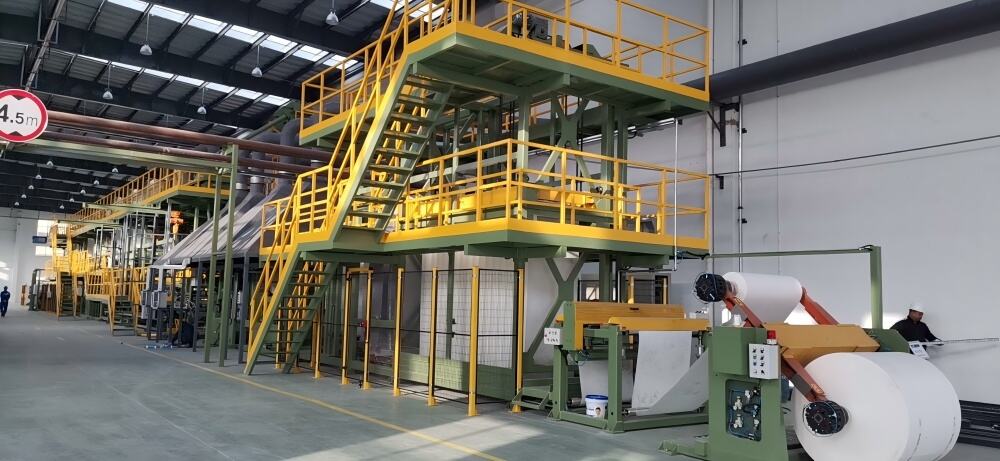
Manufacturing efficiency in bitumen coating operations depends heavily on the precision and reliability of production equipment. Modern industrial facilities face mounting pressure to minimize waste while maintaining product quality standards. Advanced membrane equipment has emerged as a critical solution for reducing scrap rates and optimizing coating processes across various industries. These specialized systems offer enhanced control over material application, temperature regulation, and coating uniformity that directly impacts production yield.
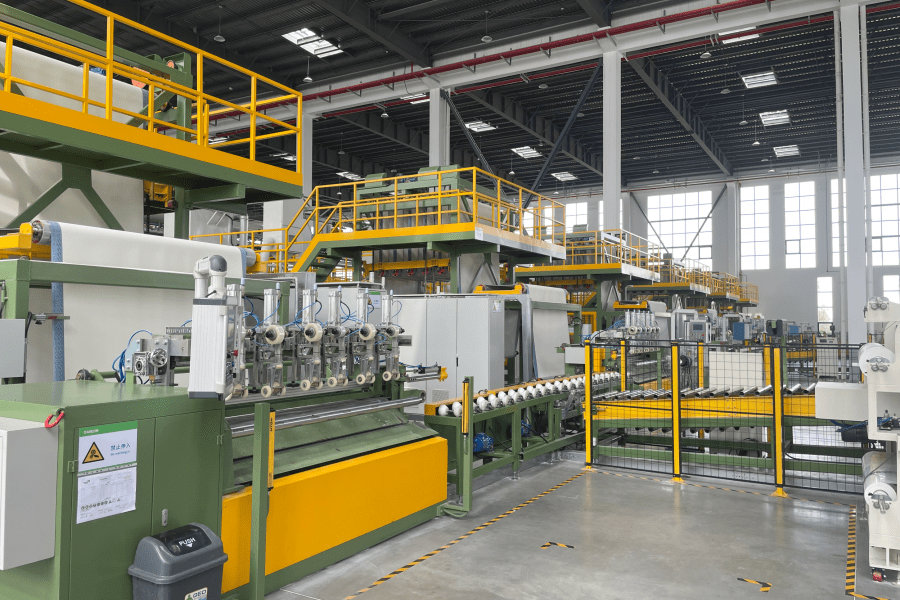
The relationship between equipment precision and scrap reduction represents a fundamental aspect of lean manufacturing principles. When coating systems operate with inconsistent parameters, the resulting products often fail quality inspections, leading to material waste and increased production costs. Implementing sophisticated membrane equipment addresses these challenges by providing consistent application rates, uniform coverage patterns, and real-time monitoring capabilities that prevent defects before they occur.
Industry statistics indicate that facilities utilizing advanced coating equipment experience scrap rate reductions of up to forty percent compared to conventional systems. This improvement stems from enhanced process control, automated adjustment mechanisms, and integrated quality monitoring systems that maintain optimal operating conditions throughout production cycles. The financial impact extends beyond raw material savings to include reduced labor costs, decreased rework requirements, and improved overall equipment effectiveness metrics.
Advanced Process Control Technologies
Precision Temperature Management Systems
Temperature consistency plays a crucial role in bitumen coating quality, as variations can cause adhesion failures, thickness irregularities, and surface defects. Modern membrane equipment incorporates sophisticated thermal control systems that maintain precise temperature zones throughout the coating process. These systems utilize multiple temperature sensors, automated heating elements, and feedback control algorithms to ensure optimal material properties during application.
The integration of predictive temperature control prevents overheating scenarios that commonly lead to material degradation and subsequent scrap generation. Advanced systems can anticipate temperature fluctuations based on production parameters and automatically adjust heating elements to maintain stability. This proactive approach eliminates the reactive corrections that often result in product defects and material waste.
Multi-zone temperature control capabilities allow operators to customize heating profiles for different product specifications without compromising overall system performance. This flexibility enables facilities to switch between product types efficiently while maintaining consistent quality standards. The reduced setup time and improved process stability contribute significantly to overall scrap rate reduction.
Automated Material Flow Control
Precise material dispensing represents another critical factor in minimizing waste during bitumen coating operations. Advanced membrane equipment incorporates automated flow control systems that regulate material delivery based on production speed, substrate characteristics, and coating thickness requirements. These systems eliminate the manual adjustments that often lead to over-application or under-application scenarios.
Flow control technology utilizes servo-driven pumps, precision metering devices, and real-time feedback systems to maintain consistent material application rates. The integration of these components ensures that coating thickness remains within specified tolerances throughout production runs. This precision reduces material consumption while simultaneously improving product quality and reducing defect rates.
Digital flow monitoring systems provide operators with real-time visibility into material consumption patterns, enabling immediate adjustments when deviations occur. This capability prevents the accumulation of defective products that would otherwise require disposal or rework. The combination of automated control and operator oversight creates an optimal environment for waste reduction.
Quality Monitoring and Defect Prevention
Integrated Inspection Systems
Real-time quality monitoring capabilities built into modern membrane equipment enable immediate detection of coating defects before they propagate through production runs. These systems employ various sensing technologies, including optical scanners, thickness gauges, and surface analysis tools, to continuously evaluate product quality during manufacturing processes. Early defect detection prevents the production of large quantities of non-conforming materials.
Machine vision systems can identify surface irregularities, coating gaps, and thickness variations with precision levels impossible to achieve through manual inspection methods. When deviations from quality standards are detected, automated systems can immediately adjust process parameters or halt production to prevent further defects. This rapid response capability significantly reduces the volume of scrap material generated during quality incidents.
Statistical process control integration allows membrane equipment to track quality trends and predict potential issues before they manifest as defects. By analyzing historical data patterns, these systems can recommend preventive maintenance activities or process adjustments that maintain optimal operating conditions. This predictive approach minimizes unexpected quality failures that typically result in significant material waste.
Adaptive Process Optimization
Intelligent membrane equipment systems continuously learn from production data to optimize process parameters automatically. Machine learning algorithms analyze relationships between operating conditions and product quality outcomes to identify optimal settings for specific product configurations. This adaptive capability ensures that coating processes operate at peak efficiency while minimizing waste generation.
Dynamic parameter adjustment capabilities allow equipment to respond to changing environmental conditions, material variations, and production requirements without operator intervention. These systems can modify temperature profiles, flow rates, and application speeds based on real-time feedback to maintain consistent product quality. The elimination of manual adjustments reduces the potential for human error and associated waste generation.
Predictive maintenance integration ensures that membrane equipment operates at optimal performance levels by identifying potential mechanical issues before they impact product quality. By monitoring equipment condition parameters and scheduling maintenance activities proactively, facilities can prevent the quality degradation that often accompanies equipment deterioration. This approach maintains consistent production output while minimizing defect-related waste.
Material Efficiency Optimization
Precision Application Technologies
Advanced membrane equipment incorporates precision application technologies that minimize material waste through controlled dispensing mechanisms. These systems utilize servo-controlled applicators, precision nozzles, and feedback-guided positioning systems to ensure accurate material placement with minimal overspray or edge waste. The precise control over material application directly translates to reduced consumption and lower scrap rates.
Edge control systems prevent material waste at product boundaries by precisely controlling application start and stop points. These systems can adjust application patterns based on substrate dimensions and positioning, ensuring that coating materials are applied only where needed. The elimination of edge waste contributes significantly to overall material efficiency improvements.
Multi-layer application capabilities enable complex coating profiles to be applied in single production passes, reducing handling requirements and potential defect generation. By eliminating intermediate processing steps, these systems reduce the opportunities for contamination, damage, or misalignment that commonly lead to product rejection. The streamlined production process improves both efficiency and quality outcomes.
Waste Recovery and Recycling Systems
Modern membrane equipment often includes integrated waste recovery systems that capture and recycle excess coating materials. These systems collect overspray, edge trim waste, and startup materials for reprocessing, significantly reducing the volume of materials sent to disposal. The recovered materials can often be reintroduced into production processes after appropriate treatment and quality verification.
Closed-loop material handling systems minimize exposure to contamination while maximizing recovery efficiency. These systems maintain material quality during collection and storage processes, ensuring that recovered materials meet quality standards for reuse. The integration of recovery systems with primary production equipment creates seamless material flow that maximizes utilization rates.
Automated waste sorting capabilities enable the separation of different material types for appropriate recycling or disposal processes. This capability ensures that valuable materials are recovered efficiently while contaminated or degraded materials are properly handled. The systematic approach to waste management reduces overall disposal costs while improving environmental sustainability.
Operational Efficiency Benefits
Reduced Changeover Times
Membrane equipment designed for efficiency incorporates quick-change capabilities that minimize downtime between product runs. Automated cleaning systems, modular component designs, and preset parameter storage enable rapid transitions between different coating specifications. The reduced changeover times minimize the startup waste typically associated with process transitions and parameter adjustments.
Standardized setup procedures programmed into equipment control systems eliminate operator variability during changeovers. These standardized processes ensure consistent startup conditions that reduce the trial-and-error adjustments often required when switching between products. The elimination of manual setup variations directly reduces the scrap material generated during production transitions.
Recipe management systems store optimal parameter settings for different product configurations, enabling instant recall of proven operating conditions. This capability eliminates the time and material waste associated with parameter development for repeat products. The systematic approach to recipe management ensures consistent quality outcomes while minimizing development waste.
Enhanced Operator Training and Support
User-friendly membrane equipment interfaces reduce the learning curve for operators while minimizing the potential for operating errors that lead to waste generation. Intuitive control systems, guided setup procedures, and automated diagnostic capabilities enable operators to achieve optimal performance more quickly and consistently. The reduced operator error rates directly translate to lower scrap generation and improved overall efficiency.
Integrated training modules and simulation capabilities allow operators to develop proficiency without consuming production materials. These systems provide realistic training environments that prepare operators for various operating scenarios without generating waste products. The improved operator competency reduces the likelihood of errors during actual production operations.
Real-time guidance systems provide operators with immediate feedback on process conditions and recommended actions. These systems help operators maintain optimal operating conditions and respond appropriately to process variations. The continuous support reduces the decision-making burden on operators while ensuring consistent quality outcomes.
FAQ
What factors contribute most significantly to scrap reduction when implementing membrane equipment
The most significant factors include precise temperature control, automated material flow regulation, and integrated quality monitoring systems. Temperature consistency prevents material degradation and adhesion failures, while automated flow control maintains optimal coating thickness throughout production runs. Real-time quality monitoring enables immediate detection and correction of defects before they propagate through large production quantities. These combined capabilities typically result in scrap rate reductions of thirty to forty percent compared to conventional coating systems.
How do modern membrane equipment systems handle material waste recovery and recycling
Advanced membrane equipment incorporates integrated waste recovery systems that capture overspray, edge trim waste, and startup materials for reprocessing. Closed-loop material handling systems maintain material quality during collection while automated sorting capabilities separate different material types for appropriate recycling processes. These systems can recover up to eighty percent of excess materials for reuse, significantly reducing disposal costs and environmental impact while improving overall material utilization efficiency.
What role does predictive maintenance play in maintaining low scrap rates with membrane equipment
Predictive maintenance systems monitor equipment condition parameters continuously to identify potential mechanical issues before they impact product quality. By scheduling maintenance activities proactively based on actual equipment condition rather than arbitrary time intervals, facilities can prevent the quality degradation that typically accompanies equipment deterioration. This approach maintains consistent production output while minimizing defect-related waste, often reducing unplanned downtime by up to sixty percent compared to reactive maintenance strategies.
How quickly can facilities expect to see scrap rate improvements after implementing advanced membrane equipment
Most facilities observe initial scrap rate improvements within the first month of operation as operators become familiar with enhanced process controls and automated systems. Significant improvements typically become apparent within ninety days as predictive algorithms accumulate sufficient data to optimize process parameters automatically. Full benefits, including maximum scrap reduction and optimal material utilization, are generally achieved within six months of implementation, with continuous improvement opportunities identified through ongoing data analysis and system optimization.
Table of Contents
- Advanced Process Control Technologies
- Quality Monitoring and Defect Prevention
- Material Efficiency Optimization
- Operational Efficiency Benefits
-
FAQ
- What factors contribute most significantly to scrap reduction when implementing membrane equipment
- How do modern membrane equipment systems handle material waste recovery and recycling
- What role does predictive maintenance play in maintaining low scrap rates with membrane equipment
- How quickly can facilities expect to see scrap rate improvements after implementing advanced membrane equipment