 EN
EN
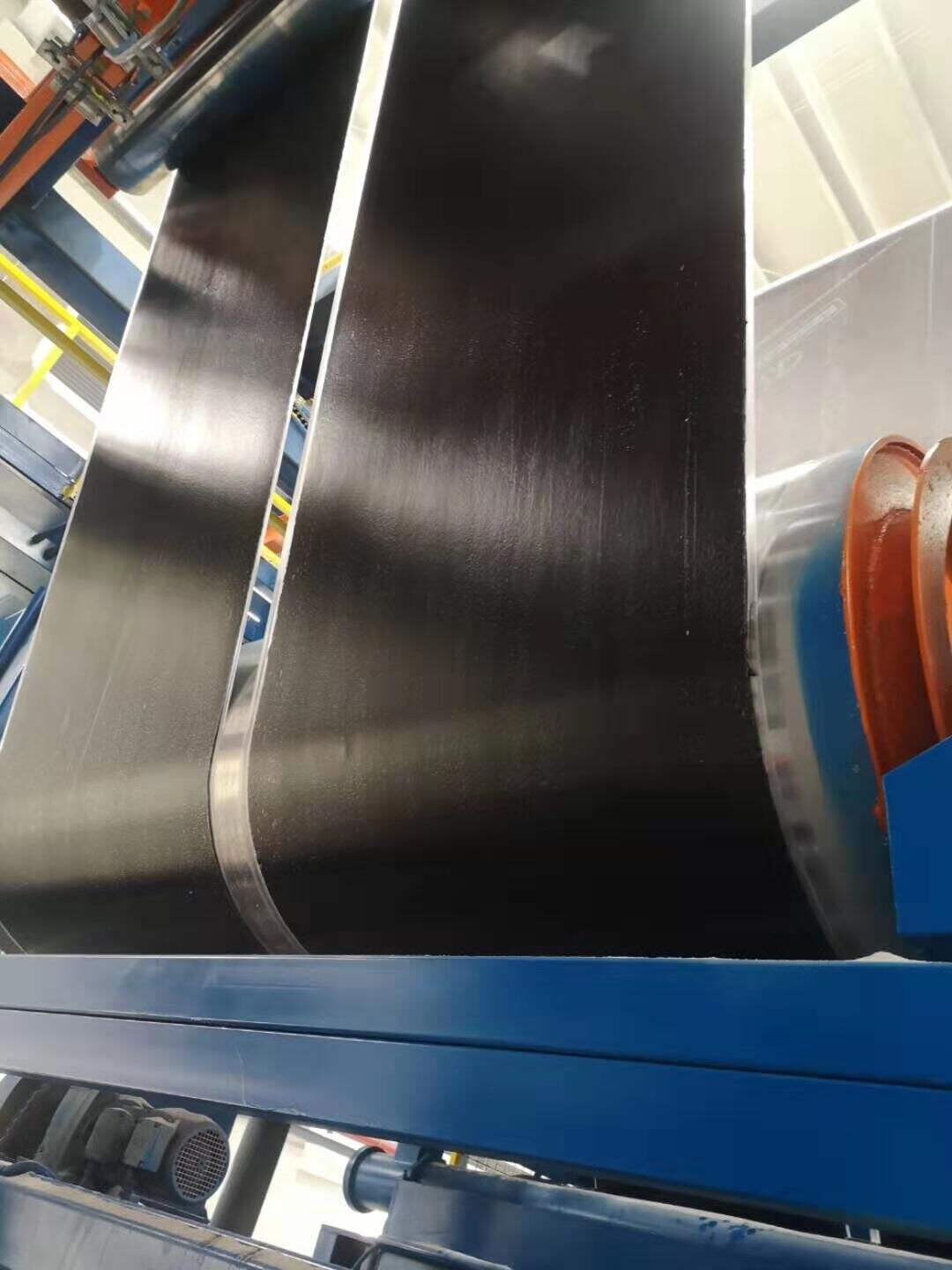
Proper maintenance of an asphalt shingle production line is critical for ensuring consistent product quality, maximizing equipment lifespan, and maintaining operational efficiency. Industrial manufacturers investing in asphalt shingle production systems must implement comprehensive maintenance protocols to prevent costly downtime and preserve their competitive advantage in the roofing materials market.
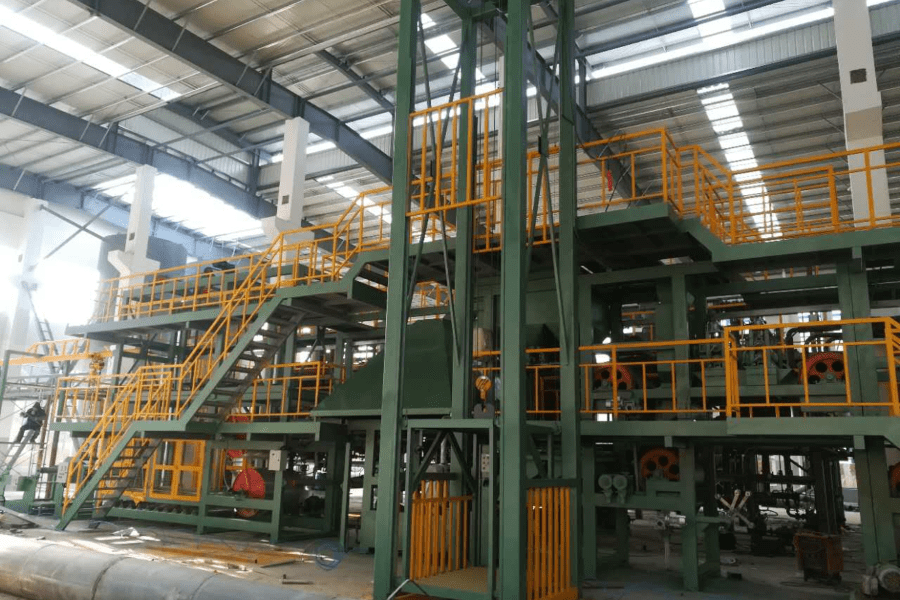
A well-maintained asphalt shingle production line not only reduces unexpected breakdowns but also ensures product consistency that meets industry standards. This comprehensive guide provides essential maintenance strategies that manufacturing facilities can implement to optimize their production operations and extend equipment service life.
Essential Daily Maintenance Procedures
Temperature Control System Monitoring
The temperature control system in an asphalt shingle production line requires constant attention to maintain optimal operating conditions. Daily temperature readings should be recorded at multiple points throughout the system, including the asphalt heating tanks, coating stations, and cooling zones. Any deviation from specified temperature ranges can affect product quality and potentially damage sensitive equipment components.
Operators should inspect thermal sensors and thermocouples for accuracy and clean any accumulated debris that might interfere with proper readings. The heating elements and burner systems need visual inspection for signs of wear, corrosion, or carbon buildup that could impact performance. Regular calibration of temperature control instruments ensures that the asphalt shingle production line maintains consistent thermal profiles necessary for quality manufacturing.
Conveyor Belt and Drive System Inspection
The conveyor system forms the backbone of any asphalt shingle production line, requiring meticulous daily attention to prevent material handling disruptions. Belt tension should be checked and adjusted according to manufacturer specifications, as improper tension can cause premature wear or tracking problems. Drive motors, gearboxes, and bearing assemblies need lubrication level checks and visual inspection for unusual noise or vibration patterns.
Cleaning accumulated asphalt residue from conveyor surfaces prevents material buildup that can interfere with smooth operation. Roller alignment and belt tracking must be verified to ensure proper material flow through the production line. Any signs of belt damage, including cuts, tears, or excessive wear, should be addressed immediately to prevent more serious mechanical failures.
Weekly Maintenance Protocols
Asphalt Storage and Handling System Care
Weekly maintenance of asphalt storage tanks and handling systems is crucial for maintaining material quality and preventing contamination in the asphalt shingle production line. Tank heating systems require inspection for proper circulation and temperature uniformity throughout the stored material. Agitator mechanisms should be checked for proper operation and any signs of wear that could affect mixing efficiency.
Pump systems handling asphalt require attention to seal integrity and flow consistency. Weekly cleaning of strainer baskets and filter elements prevents debris accumulation that can restrict material flow or cause pressure buildup. Storage tank levels should be monitored to prevent overheating of heating elements and ensure adequate material supply for continuous production.
Granule Application System Maintenance
The granule application system in an asphalt shingle production line demands weekly maintenance to ensure even distribution and proper adhesion. Hopper systems require cleaning to prevent granule segregation and contamination between different color batches. Feed mechanisms and distribution rolls need inspection for wear and proper adjustment to maintain consistent coverage rates.
Air pressure systems used for granule transport should be checked for leaks and proper pressure levels. Dust collection systems require filter replacement or cleaning to maintain effective operation and workplace air quality. Regular calibration of granule feed rates ensures consistent product appearance and performance characteristics.
Monthly Comprehensive Maintenance Tasks
Electrical System and Control Panel Maintenance
Monthly electrical maintenance of an asphalt shingle production line involves comprehensive inspection of control panels, motor controllers, and safety systems. Electrical connections should be checked for tightness and signs of overheating or corrosion. Control system software requires backup and any necessary updates to ensure optimal performance and security.
Motor windings and electrical insulation need testing to identify potential failures before they cause production interruptions. Emergency stop systems and safety interlocks must be tested to verify proper operation under all conditions. Grounding systems require inspection to ensure electrical safety standards are maintained throughout the facility.
Hydraulic and Pneumatic System Service
Hydraulic systems in an asphalt shingle production line require monthly fluid analysis and filter replacement to prevent contamination-related failures. Hydraulic pumps, cylinders, and valves need inspection for leaks and proper operation under load conditions. Pressure settings should be verified against specifications to ensure optimal system performance.
Pneumatic systems require monthly inspection of air compressors, dryers, and distribution lines for leaks and proper pressure maintenance. Moisture traps and filters need cleaning or replacement to prevent water contamination that can damage pneumatic components. Regular testing of pneumatic actuators ensures reliable operation of automated systems throughout the production line.
Seasonal and Annual Maintenance Requirements
Complete System Overhaul Planning
Annual maintenance planning for an asphalt shingle production line should include comprehensive equipment overhauls during scheduled downtime periods. Major mechanical components require detailed inspection, measurement, and replacement of worn parts before they reach failure points. Bearing replacements, shaft alignments, and coupling inspections prevent catastrophic failures that could damage multiple system components.
Structural components of the production line need annual inspection for signs of fatigue, corrosion, or wear that could affect equipment stability or safety. Foundation systems require checking for settlement or movement that might cause misalignment problems. Complete cleaning of all system components removes accumulated debris and allows thorough inspection of equipment condition.
Performance Optimization and Calibration
Annual calibration of all measurement and control systems in an asphalt shingle production line ensures continued accuracy and product quality consistency. Flow meters, pressure sensors, and temperature controllers require professional calibration to maintain specification compliance. Production rate optimization involves analyzing system bottlenecks and implementing improvements to increase throughput efficiency.
Energy consumption analysis helps identify opportunities for reducing operational costs through equipment upgrades or process modifications. Waste reduction initiatives can be implemented based on annual production data analysis. Documentation updates ensure that maintenance procedures reflect any system modifications or improvements made during the previous year.
Preventive Maintenance Best Practices
Documentation and Record Keeping
Effective maintenance of an asphalt shingle production line requires comprehensive documentation of all maintenance activities, equipment performance data, and repair history. Digital maintenance management systems help track scheduled tasks, parts inventory, and equipment condition trends over time. Regular analysis of maintenance records identifies patterns that can guide preventive maintenance scheduling and equipment replacement planning.
Work order systems ensure that maintenance tasks are properly assigned, completed, and documented according to established procedures. Equipment history files provide valuable information for troubleshooting problems and making informed decisions about repairs versus replacements. Compliance documentation ensures that maintenance activities meet regulatory requirements and warranty conditions.
Staff Training and Safety Protocols
Maintenance personnel working on an asphalt shingle production line require specialized training in equipment operation, safety procedures, and troubleshooting techniques. Regular safety meetings and training updates ensure that staff remain current with best practices and regulatory requirements. Lockout/tagout procedures must be strictly followed during maintenance activities to prevent accidents and equipment damage.
Personal protective equipment requirements should be clearly defined and consistently enforced during all maintenance activities. Emergency response procedures need regular practice and updates to address potential hazards specific to asphalt shingle production line operations. Maintenance team coordination ensures that work activities do not interfere with production schedules or create safety conflicts between different work groups.
FAQ
How often should an asphalt shingle production line undergo major maintenance?
Major maintenance of an asphalt shingle production line should typically occur during annual scheduled downtime periods, with comprehensive overhauls every 3-5 years depending on production volume and operating conditions. Daily, weekly, and monthly maintenance tasks help prevent the need for emergency major repairs and extend equipment life between overhauls.
What are the most critical components to monitor in an asphalt shingle production line?
The most critical components include temperature control systems, asphalt heating and storage equipment, conveyor drive systems, and granule application mechanisms. These systems directly impact product quality and production continuity, making their reliable operation essential for successful manufacturing operations.
How can manufacturers reduce maintenance costs for their asphalt shingle production line?
Manufacturers can reduce maintenance costs by implementing comprehensive preventive maintenance programs, training operators to perform basic maintenance tasks, maintaining adequate spare parts inventory, and investing in condition monitoring technologies that predict equipment failures before they occur. Regular maintenance scheduling prevents costly emergency repairs and production downtime.
What safety considerations are most important during asphalt shingle production line maintenance?
Safety considerations include proper lockout/tagout procedures, protection from hot asphalt and heated surfaces, respiratory protection from fumes and dust, and fall protection when working at elevated positions. Maintenance personnel should be trained in hazard recognition and emergency response procedures specific to asphalt shingle production line operations.
Table of Contents
- Essential Daily Maintenance Procedures
- Weekly Maintenance Protocols
- Monthly Comprehensive Maintenance Tasks
- Seasonal and Annual Maintenance Requirements
- Preventive Maintenance Best Practices
-
FAQ
- How often should an asphalt shingle production line undergo major maintenance?
- What are the most critical components to monitor in an asphalt shingle production line?
- How can manufacturers reduce maintenance costs for their asphalt shingle production line?
- What safety considerations are most important during asphalt shingle production line maintenance?