 EN
EN
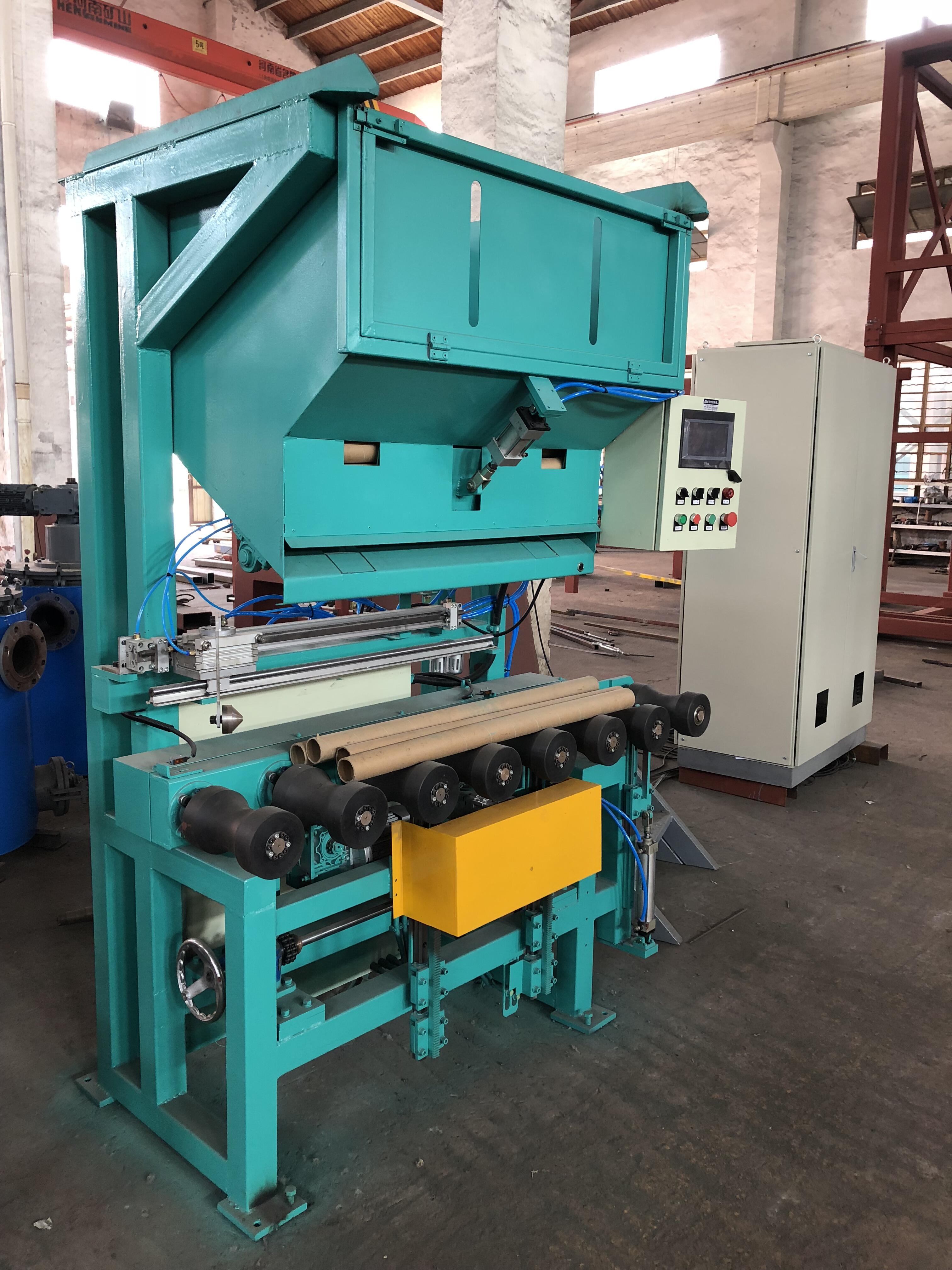
The contemporary manufacturing landscape for roofing materials has undergone significant transformation, with modern asphalt shingle production line technology leading this evolution. Today's production systems integrate advanced automation, precision engineering, and sophisticated quality control mechanisms to deliver consistent, high-performance roofing products that meet stringent industry standards and growing market demands.
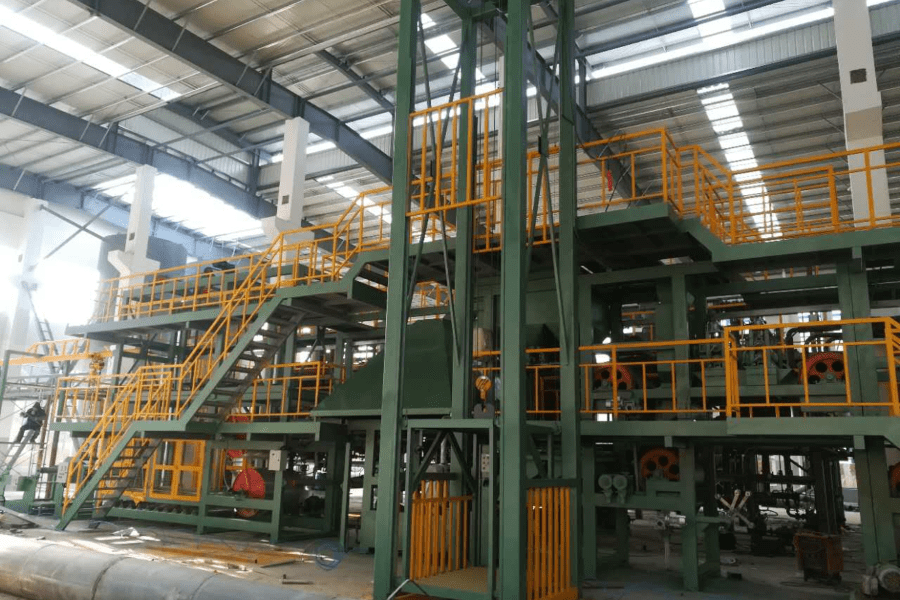
Manufacturing facilities worldwide are recognizing that the features and capabilities of their asphalt shingle production line directly impact product quality, operational efficiency, and competitive positioning. Understanding these modern production line features becomes essential for manufacturers seeking to optimize their operations, reduce waste, enhance product consistency, and meet the evolving expectations of contractors and end-users in the roofing industry.
Advanced Material Handling Systems
Automated Raw Material Feed Control
Modern asphalt shingle production line configurations incorporate sophisticated material handling systems that ensure precise control over raw material delivery and mixing ratios. These automated feed systems utilize advanced sensors and programmable logic controllers to maintain consistent asphalt, mineral filler, and fiber glass mat delivery rates throughout the production process.
The integration of weight-based feeding mechanisms allows production line operators to achieve exact formulation consistency, eliminating the variations that can compromise shingle performance characteristics. These systems continuously monitor material flow rates and automatically adjust delivery speeds to compensate for density variations in incoming raw materials, ensuring that every batch meets specified composition requirements.
Advanced material handling systems also incorporate heated storage tanks and circulation systems that maintain asphalt at optimal processing temperatures while preventing degradation or oxidation. Temperature monitoring and control systems work in conjunction with automated pumping systems to deliver materials at precisely the right viscosity for effective impregnation and coating operations.
Precision Granule Application Technology
Contemporary asphalt shingle production line systems feature advanced granule application technologies that ensure uniform distribution and optimal adhesion of ceramic-coated mineral granules to the asphalt surface. These systems utilize controlled-velocity application mechanisms combined with precision screening systems to achieve consistent granule coverage density across the entire shingle surface.
Multi-zone granule application systems allow manufacturers to apply different granule types and colors with precise pattern control, enabling the production of complex architectural shingle designs with consistent color distribution and visual appeal. These systems incorporate real-time monitoring capabilities that track granule application rates and automatically adjust distribution patterns to maintain design specifications.
The granule handling systems in modern production lines also include recirculation and recovery mechanisms that capture excess granules and return them to the application system, minimizing material waste and reducing production costs while maintaining environmental compliance standards.
Integrated Quality Control and Monitoring Systems
Real-Time Process Monitoring Technology
Today's asphalt shingle production line installations incorporate comprehensive monitoring systems that provide real-time visibility into critical process parameters throughout the manufacturing sequence. These systems utilize advanced sensor networks to continuously track temperature profiles, material flow rates, coating thickness, and product dimensional characteristics during production.
Integrated data acquisition systems collect and analyze thousands of data points per minute, enabling production managers to identify process variations before they impact product quality. These monitoring systems generate automatic alerts when process parameters drift outside acceptable ranges, allowing operators to make immediate corrections and prevent the production of non-conforming materials.
Advanced monitoring technology also includes thermal imaging systems that provide continuous temperature mapping across the production line, ensuring optimal curing conditions and identifying potential equipment issues before they cause production interruptions or quality problems.
Automated Quality Testing Integration
Modern production facilities integrate automated quality testing capabilities directly into the asphalt shingle production line workflow, enabling continuous quality verification without disrupting production flow. These systems perform automated testing of critical characteristics including tear strength, granule adhesion, flexibility, and dimensional accuracy.
Inline testing systems utilize non-destructive testing methods combined with statistical sampling protocols to verify product compliance with industry standards such as ASTM D3462 and UL 2218. These automated systems generate detailed quality reports and maintain comprehensive traceability records that support quality management and regulatory compliance requirements.
Integration of quality testing data with production control systems enables automatic process adjustments based on test results, creating closed-loop quality control that continuously optimizes production parameters to maintain consistent product characteristics.
Energy Efficiency and Environmental Control Features
Advanced Thermal Management Systems
Contemporary asphalt shingle production line designs incorporate sophisticated thermal management systems that optimize energy utilization while maintaining precise temperature control throughout the manufacturing process. These systems utilize heat recovery technology to capture and reuse thermal energy from various process stages, significantly reducing overall energy consumption.
Multi-zone heating systems provide independent temperature control for different production line sections, allowing operators to optimize thermal profiles for specific product formulations and production rates. These systems incorporate advanced insulation technologies and thermal monitoring capabilities that minimize heat loss while ensuring uniform temperature distribution across processing equipment.
Energy-efficient burner systems utilize advanced combustion control technology to maximize fuel efficiency while minimizing emissions. These systems incorporate oxygen monitoring and automatic air-to-fuel ratio adjustment capabilities that ensure optimal combustion efficiency under varying production conditions.
Emission Control and Environmental Compliance
Modern asphalt shingle production line installations include comprehensive emission control systems designed to meet stringent environmental regulations while maintaining operational efficiency. These systems incorporate advanced filtration technology, thermal oxidation systems, and vapor recovery mechanisms to minimize environmental impact.
Integrated air pollution control systems utilize bag house filtration combined with scrubber technology to remove particulate matter and volatile organic compounds from process emissions. These systems incorporate continuous monitoring capabilities that track emission levels and automatically adjust control parameters to maintain compliance with environmental permits.
Waste heat recovery systems capture thermal energy from emission control equipment and redirect it back into the production process, improving overall energy efficiency while reducing environmental impact. These systems contribute to sustainable manufacturing practices while reducing operational costs.
Automation and Control Integration
Programmable Logic Controller Systems
Advanced asphalt shingle production line configurations utilize sophisticated programmable logic controller systems that provide centralized control over all production line functions. These systems integrate material handling, process control, quality monitoring, and safety systems into unified control platforms that enable precise production management.
Modern control systems incorporate human-machine interface technology that provides intuitive operator controls and real-time process visualization. These interfaces enable operators to monitor production status, adjust process parameters, and respond to system alerts from centralized control stations.
Integration of production planning software with control systems enables automated production scheduling and recipe management, allowing manufacturers to efficiently switch between different product formulations while maintaining optimal production efficiency and quality standards.
Predictive Maintenance Technology
Contemporary asphalt shingle production line systems incorporate predictive maintenance technology that monitors equipment condition and predicts maintenance requirements before equipment failures occur. These systems utilize vibration analysis, thermal monitoring, and performance trending to identify potential equipment issues early in their development.
Condition monitoring systems track critical equipment parameters including bearing temperatures, motor current signatures, and hydraulic system pressures to identify deteriorating components before they cause production interruptions. These systems generate maintenance alerts and provide recommended service intervals based on actual equipment condition rather than predetermined schedules.
Integration of maintenance management software with production control systems enables coordinated maintenance planning that minimizes production disruptions while ensuring equipment reliability and optimal performance throughout the production line lifecycle.
Production Flexibility and Scalability Features
Modular Design Architecture
Modern asphalt shingle production line systems utilize modular design principles that enable manufacturers to scale production capacity and adapt to changing market requirements. These modular configurations allow for incremental capacity expansion without requiring complete production line replacement or extensive facility modifications.
Standardized interface systems between production line modules facilitate equipment upgrades and technology integration, ensuring that manufacturers can incorporate new technologies and capabilities as they become available. This modular approach provides long-term flexibility while protecting capital investments in existing equipment.
Quick-change tooling systems enable rapid product changeovers between different shingle styles, colors, and specifications without extensive setup time or material waste. These systems utilize automated tool positioning and recipe management to minimize changeover complexity and maximize production efficiency.
Multi-Product Capability Integration
Advanced asphalt shingle production line designs incorporate multi-product capability that enables manufacturers to produce various shingle types and roofing products on the same production platform. These systems utilize flexible material handling and application systems that accommodate different product specifications without compromising quality or efficiency.
Integrated recipe management systems store production parameters for multiple product formulations and automatically configure production line settings when switching between different products. These systems ensure consistent quality across all product types while minimizing setup time and reducing the potential for operator errors during changeovers.
Flexible coating and granule application systems enable the production of specialty products including solar reflective shingles, impact-resistant formulations, and enhanced architectural designs using the same basic production platform with appropriate configuration adjustments.
FAQ
What are the key automation features in modern asphalt shingle production lines?
Modern asphalt shingle production lines incorporate comprehensive automation including programmable logic controllers for centralized process management, automated material handling systems with precise feed control, real-time quality monitoring with automatic process adjustments, and integrated maintenance management systems. These automation features work together to ensure consistent product quality, optimize production efficiency, and minimize operator intervention requirements while maintaining strict quality standards throughout the manufacturing process.
How do contemporary production lines address environmental compliance requirements?
Contemporary asphalt shingle production lines integrate advanced emission control systems including bag house filtration, thermal oxidation units, and vapor recovery systems to meet environmental regulations. These systems incorporate continuous monitoring technology that tracks emission levels and automatically adjusts control parameters to maintain compliance. Energy recovery systems capture waste heat for reuse in the production process, while automated material handling minimizes waste generation and improves overall environmental performance.
What quality control capabilities are integrated into modern production line systems?
Modern asphalt shingle production lines feature integrated quality control systems including real-time process monitoring with thousands of data points collected per minute, automated inline testing for critical product characteristics, and comprehensive traceability systems that track materials and process parameters throughout production. These systems provide continuous quality verification, generate automatic alerts for process variations, and maintain detailed quality records that support regulatory compliance and continuous improvement initiatives.
How do modular design features benefit asphalt shingle manufacturers?
Modular design features in asphalt shingle production lines provide manufacturers with significant flexibility for capacity expansion, technology upgrades, and product diversification without requiring complete system replacement. These modular systems utilize standardized interfaces that facilitate equipment integration and enable incremental improvements over time. Quick-change capabilities allow rapid product changeovers, while flexible material handling systems accommodate multiple product types on the same production platform, maximizing capital utilization and market responsiveness.
Table of Contents
- Advanced Material Handling Systems
- Integrated Quality Control and Monitoring Systems
- Energy Efficiency and Environmental Control Features
- Automation and Control Integration
- Production Flexibility and Scalability Features
-
FAQ
- What are the key automation features in modern asphalt shingle production lines?
- How do contemporary production lines address environmental compliance requirements?
- What quality control capabilities are integrated into modern production line systems?
- How do modular design features benefit asphalt shingle manufacturers?