 EN
EN
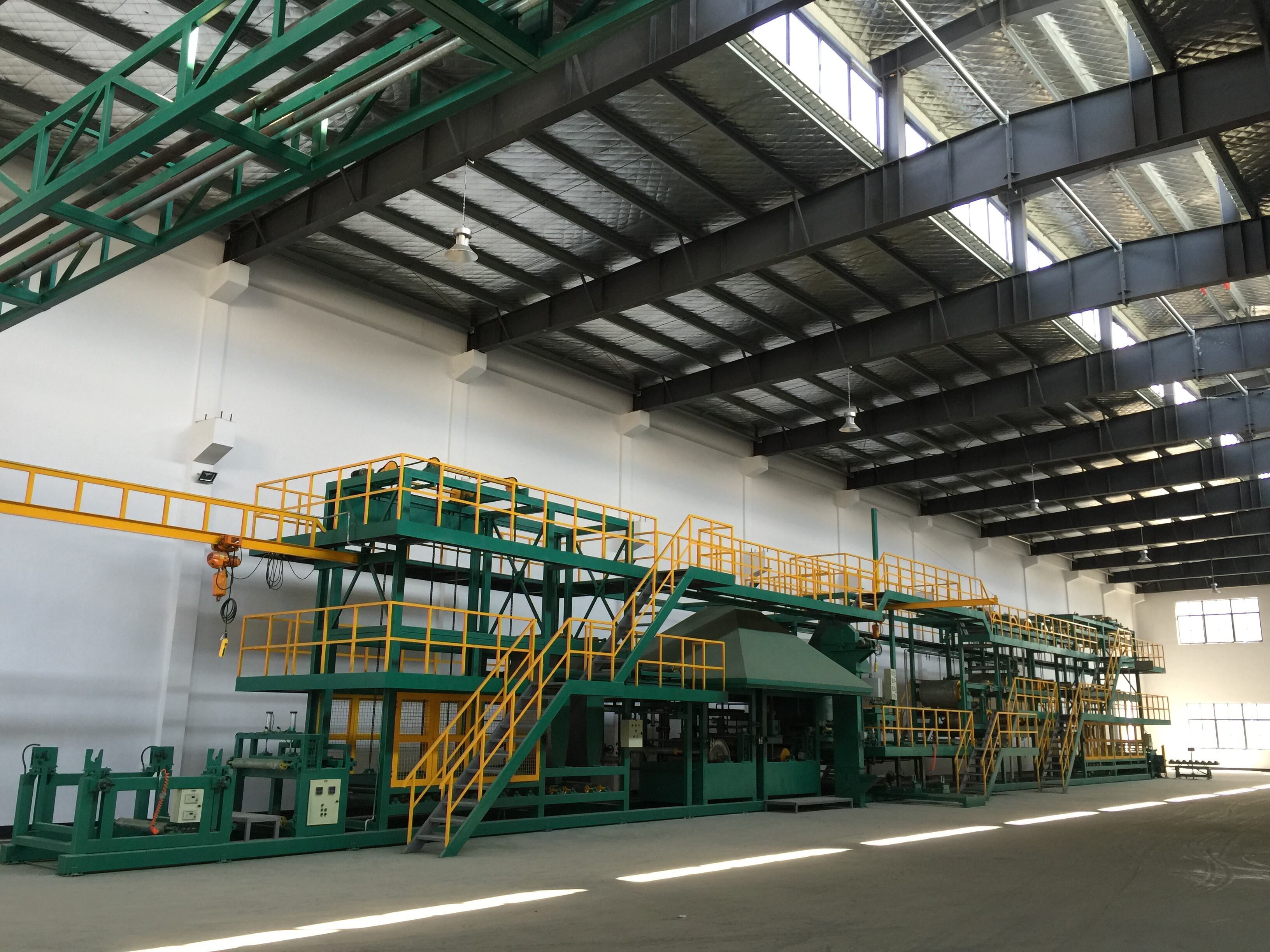
The construction industry has witnessed remarkable advancements in waterproofing technology over the past decades, with modified bitumen waterproofing membrane emerging as a preferred solution for professionals worldwide. This advanced roofing and waterproofing material combines traditional bitumen with polymer modifiers to create a superior protective barrier that outperforms conventional waterproofing systems. Engineering firms, architects, and contractors increasingly rely on modified bitumen waterproofing membrane for its exceptional durability, versatility, and long-term performance characteristics that address the demanding requirements of modern construction projects.
Enhanced Performance Characteristics of Modified Bitumen Systems
Superior Weather Resistance and Durability
Modified bitumen waterproofing membrane demonstrates exceptional resistance to extreme weather conditions, including temperature fluctuations, UV radiation, and severe precipitation. The polymer modification process enhances the base bitumen's natural properties, creating a material that maintains flexibility in cold temperatures while resisting flow and deformation in high heat. This thermal stability makes modified bitumen waterproofing membrane particularly valuable for installations in regions experiencing significant seasonal temperature variations.
The enhanced durability stems from the molecular structure changes that occur during the modification process. Styrene-butadiene-styrene (SBS) and atactic polypropylene (APP) modifiers create cross-linked polymer networks within the bitumen matrix, resulting in improved elastic recovery and reduced brittleness. These characteristics enable the membrane to withstand mechanical stress, building movement, and thermal cycling without compromising its waterproofing integrity over extended service periods.
Chemical Compatibility and Environmental Resistance
The chemical composition of modified bitumen waterproofing membrane provides excellent resistance to common environmental contaminants, including acid rain, industrial pollutants, and biological growth. This resistance is particularly important in urban environments where buildings face exposure to aggressive atmospheric conditions. The membrane's ability to resist degradation from ozone exposure and maintain its physical properties under prolonged UV radiation ensures consistent performance throughout its design life.
Additionally, modified bitumen systems exhibit superior compatibility with various substrate materials, including concrete, metal decking, wood, and existing roofing materials. This versatility eliminates the need for specialized primers or bonding agents in many applications, simplifying installation procedures while maintaining strong adhesion characteristics that prevent water infiltration at critical interface points.
Installation Advantages and Application Flexibility
Simplified Installation Techniques
Professional installers appreciate the user-friendly characteristics of modified bitumen waterproofing membrane systems, which accommodate multiple installation methods including torch application, hot asphalt mopping, and cold adhesive systems. The material's workability allows for precise fitting around complex roof penetrations, ensuring complete waterproof coverage in challenging areas where traditional materials might fail. This adaptability reduces installation time and labor costs while minimizing the potential for application errors.
The self-sealing properties of quality modified bitumen waterproofing membrane systems provide an additional safety margin against minor installation imperfections. The material's ability to form watertight seals around fasteners and overlaps creates a monolithic waterproof barrier that compensates for small gaps or alignment issues that might occur during installation, enhancing overall system reliability.
Versatile Application Scope
Modified bitumen waterproofing membrane systems serve diverse construction applications beyond traditional roofing, including below-grade waterproofing, plaza deck protection, and parking structure applications. The material's excellent puncture resistance and high tensile strength make it suitable for high-traffic areas and applications where mechanical protection is limited. This versatility allows contractors to standardize on a single membrane system for multiple project types, reducing inventory requirements and simplifying procurement processes.
The membrane's compatibility with various insulation systems and architectural finishes enables creative design solutions while maintaining waterproofing performance. Whether specified for green roof applications, ballasted systems, or fully adhered installations, modified bitumen waterproofing membrane provides the foundation for reliable long-term performance across diverse building types and environmental conditions.
Economic Benefits and Lifecycle Value
Cost-Effective Material Performance
The economic advantages of modified bitumen waterproofing membrane extend beyond initial material costs to encompass reduced maintenance requirements, extended service life, and lower total cost of ownership. The membrane's durability characteristics minimize the need for frequent repairs or premature replacement, providing building owners with predictable long-term waterproofing costs. This financial predictability is particularly valuable for institutional and commercial property managers operating under strict budget constraints.
Energy efficiency benefits further enhance the economic value proposition of modified bitumen waterproofing membrane systems. Many formulations incorporate reflective granule surfaces or can accommodate reflective coatings that reduce cooling loads and contribute to building energy savings. These performance characteristics support green building certification requirements while providing measurable operational cost reductions throughout the building's service life.
Maintenance and Repair Advantages
The repairability of modified bitumen waterproofing membrane systems represents a significant advantage over alternative waterproofing technologies. Localized damage can be addressed through patch repairs using compatible materials and standard installation techniques, eliminating the need for extensive membrane replacement. This maintainability reduces long-term ownership costs while ensuring continued waterproofing performance even after minor damage occurs.
Regular inspection and maintenance procedures for modified bitumen waterproofing membrane systems are straightforward and can be performed by building maintenance staff with basic training. The visual indicators of membrane condition are easily recognized, allowing for proactive maintenance scheduling that prevents minor issues from developing into costly structural problems or interior damage incidents.
Technical Specifications and Quality Standards
Industry Standards and Testing Requirements
Modified bitumen waterproofing membrane products must meet stringent industry standards established by organizations such as ASTM International, the Canadian Standards Association, and various international testing bodies. These standards specify performance requirements for tensile strength, elongation, tear resistance, and low-temperature flexibility that ensure consistent product quality across manufacturers. Compliance with these standards provides specifiers with confidence in material performance and facilitates quality control during construction.
Third-party testing and certification programs further validate the performance characteristics of modified bitumen waterproofing membrane systems. Independent testing laboratories evaluate products for compliance with published standards and verify manufacturer claims regarding durability, weather resistance, and installation characteristics. This testing framework provides the technical foundation for warranty programs and performance guarantees that protect building owners' investments.
Quality Control and Manufacturing Standards
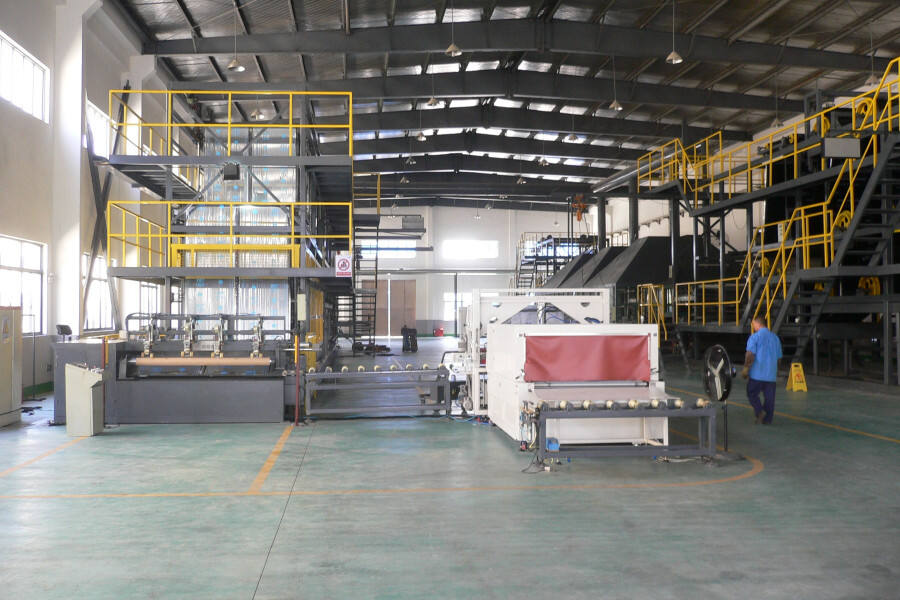
Manufacturing quality control processes for modified bitumen waterproofing membrane production involve continuous monitoring of raw material properties, mixing parameters, and finished product characteristics. Advanced production facilities employ automated systems that ensure consistent polymer modification levels, uniform thickness distribution, and proper surface treatments that optimize installation performance and long-term durability.
Traceability systems maintain detailed records of production batches, raw material sources, and quality test results that enable rapid identification and resolution of any performance issues. These quality management systems support warranty claims processing and provide valuable feedback for continuous product improvement initiatives that advance modified bitumen waterproofing membrane technology.
Environmental Considerations and Sustainability
Sustainable Material Characteristics
Modern modified bitumen waterproofing membrane formulations increasingly incorporate recycled materials and bio-based modifiers that reduce environmental impact while maintaining performance standards. Recycled tire rubber and post-consumer plastics serve as polymer modifiers in some formulations, diverting waste materials from landfills while creating high-performance waterproofing products. These sustainable material innovations align with green building requirements and corporate sustainability objectives.
The longevity of modified bitumen waterproofing membrane systems contributes to environmental sustainability by reducing the frequency of replacement and associated waste generation. Extended service life minimizes the environmental impact of manufacturing, transportation, and installation activities while reducing the burden on waste management systems. This lifecycle perspective demonstrates that modified bitumen waterproofing membrane technology supports sustainable construction practices through durable performance rather than disposable design approaches.
Recycling and End-of-Life Management
Recycling programs for used modified bitumen waterproofing membrane materials are expanding as environmental regulations and sustainability initiatives drive demand for circular economy solutions. Specialized recycling facilities can process removed membrane materials into new waterproofing products or alternative applications such as road surfacing materials, extending the useful life of the constituent materials and reducing waste disposal requirements.
End-of-life management strategies for modified bitumen waterproofing membrane installations should be considered during the design phase to facilitate future recycling or disposal activities. Planning for membrane removal and material separation can significantly reduce the environmental impact of building renovation or demolition projects while potentially recovering value from recyclable materials contained within the waterproofing system.
Future Developments and Technology Trends
Advanced Polymer Modification Technologies
Research and development activities continue to advance modified bitumen waterproofing membrane technology through improved polymer modification techniques and novel additive systems. Nanotechnology applications introduce microscopic reinforcement materials that enhance mechanical properties while maintaining workability characteristics. These technological advances promise even greater durability and performance capabilities for future generations of modified bitumen waterproofing membrane products.
Smart membrane technologies incorporate sensors and monitoring systems that provide real-time feedback on waterproofing system condition and performance. These innovations enable predictive maintenance strategies that optimize system reliability while minimizing maintenance costs through data-driven decision-making processes that identify potential issues before they result in water infiltration or structural damage.
Integration with Building Information Modeling
Building Information Modeling (BIM) integration capabilities are being developed for modified bitumen waterproofing membrane systems to support digital construction workflows and facility management applications. Three-dimensional modeling tools incorporate membrane specifications, installation details, and maintenance requirements that facilitate project coordination and long-term asset management activities throughout the building lifecycle.
Digital documentation systems linked to BIM platforms maintain comprehensive records of membrane installation, inspection results, and maintenance activities that support warranty management and performance analysis. These technological capabilities enhance the value proposition of modified bitumen waterproofing membrane systems by providing building owners with sophisticated tools for managing their waterproofing investments over extended periods.
FAQ
What is the typical service life of a modified bitumen waterproofing membrane system
Modified bitumen waterproofing membrane systems typically provide 20 to 30 years of reliable service when properly installed and maintained. The actual service life depends on factors such as climate conditions, building design, installation quality, and maintenance practices. Premium systems with advanced polymer modifications and protective surfaces can exceed these typical ranges under favorable conditions.
How does modified bitumen waterproofing membrane compare to single-ply roofing systems
Modified bitumen waterproofing membrane offers superior puncture resistance and self-sealing properties compared to single-ply systems, making it ideal for high-traffic applications or areas with limited protection. While single-ply systems may offer faster installation, modified bitumen provides better performance in extreme weather conditions and offers more flexibility in repair and maintenance approaches.
Can modified bitumen waterproofing membrane be installed over existing roofing materials
Yes, modified bitumen waterproofing membrane can often be installed over existing roofing materials, provided the substrate is structurally sound and properly prepared. This recover application capability reduces removal costs and waste generation while providing improved waterproofing performance. However, engineering evaluation is recommended to ensure adequate structural capacity for the additional load.
What maintenance is required for modified bitumen waterproofing membrane systems
Maintenance requirements for modified bitumen waterproofing membrane systems include periodic visual inspections, drainage system cleaning, and prompt repair of any damage discovered during inspections. Annual inspections are typically sufficient for most installations, with additional inspections recommended after severe weather events. Preventive maintenance activities help maximize system service life and prevent costly interior damage from water infiltration.
Table of Contents
- Enhanced Performance Characteristics of Modified Bitumen Systems
- Installation Advantages and Application Flexibility
- Economic Benefits and Lifecycle Value
- Technical Specifications and Quality Standards
- Environmental Considerations and Sustainability
- Future Developments and Technology Trends
-
FAQ
- What is the typical service life of a modified bitumen waterproofing membrane system
- How does modified bitumen waterproofing membrane compare to single-ply roofing systems
- Can modified bitumen waterproofing membrane be installed over existing roofing materials
- What maintenance is required for modified bitumen waterproofing membrane systems