 EN
EN
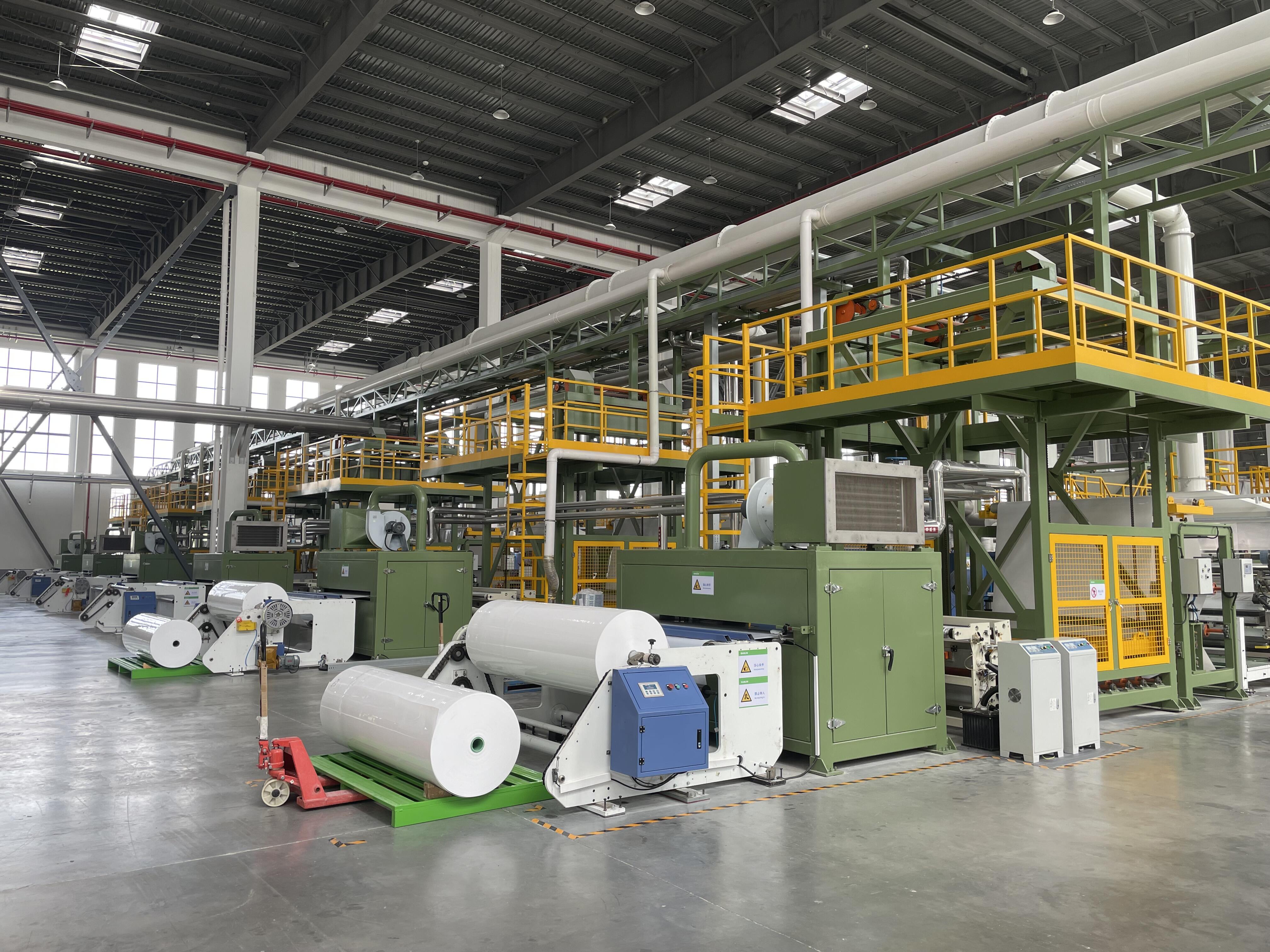
Modified bitumen waterproofing membrane systems have become increasingly popular in commercial and industrial roofing applications due to their durability and performance characteristics. However, like any construction material, these membranes can experience various problems that compromise their effectiveness and longevity. Understanding these common issues is essential for contractors, building owners, and maintenance professionals to ensure proper installation, maintenance, and troubleshooting of waterproofing systems.
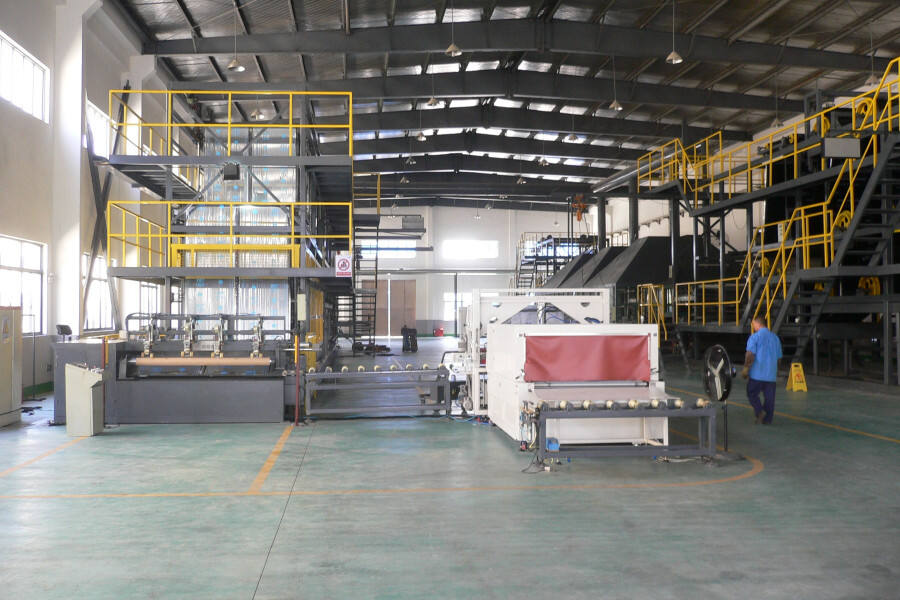
The performance of modified bitumen waterproofing membrane depends heavily on proper installation techniques, quality materials, and appropriate maintenance practices. When these factors are not adequately addressed, various problems can emerge that lead to water infiltration, structural damage, and costly repairs. Identifying these issues early and implementing corrective measures is crucial for maintaining the integrity of the waterproofing system.
Installation-Related Problems
Poor Surface Preparation
One of the most significant factors affecting modified bitumen waterproofing membrane performance is inadequate surface preparation. The substrate must be clean, dry, and properly primed before membrane application. Failure to remove debris, oil stains, or existing coatings can prevent proper adhesion and create weak points in the waterproofing system. Additionally, uneven surfaces or protruding fasteners can cause membrane punctures or create areas where water can accumulate.
Surface moisture is another critical concern during installation. Installing modified bitumen waterproofing membrane over damp or wet substrates can trap moisture beneath the membrane, leading to blistering, delamination, and reduced adhesion. Proper moisture testing and allowing adequate drying time are essential steps that cannot be overlooked during the installation process.
Incorrect Application Techniques
Improper heating and application techniques frequently cause problems with modified bitumen waterproofing membrane systems. Over-heating the membrane during torch application can degrade the polymer modifiers, reducing flexibility and durability. Conversely, under-heating results in poor adhesion and incomplete sealing at seams and overlaps.
Inadequate overlap at seams is another common installation error. Modified bitumen waterproofing membrane requires specific overlap dimensions to ensure proper waterproofing performance. Insufficient overlap or poorly sealed seams create potential entry points for water infiltration. Additionally, failure to properly detail complex areas such as penetrations, corners, and transitions can compromise the overall system integrity.
Environmental and Weather-Related Issues
Thermal Movement and Cracking
Temperature fluctuations cause expansion and contraction in modified bitumen waterproofing membrane systems, which can lead to various problems over time. Repeated thermal cycling can cause fatigue in the membrane material, resulting in cracks or splits, particularly at stress concentration points such as corners and penetrations. These thermal movements are especially problematic in climates with extreme temperature variations.
The substrate movement beneath the modified bitumen waterproofing membrane can also contribute to cracking issues. Building settlement, structural deflection, or thermal movement of the deck can transfer stress to the membrane, causing it to crack or tear. Proper design considerations and the use of appropriate base sheets or isolation layers can help mitigate these problems.
UV Degradation and Weathering
Ultraviolet radiation from sunlight can gradually degrade modified bitumen waterproofing membrane materials, particularly those without adequate surface protection. UV exposure breaks down the polymer modifiers and bitumen binder, leading to brittleness, cracking, and reduced elasticity. This degradation process is accelerated in areas with intense sunlight and high altitude locations.
Weather-related damage from hail, wind-blown debris, or extreme weather events can also compromise modified bitumen waterproofing membrane systems. Impact damage creates punctures or tears that provide direct pathways for water infiltration. Regular inspection and prompt repair of weather-related damage are essential for maintaining system performance.
Material Quality and Compatibility Issues
Manufacturing Defects and Quality Control
Manufacturing defects in modified bitumen waterproofing membrane products can lead to premature failure even when installation is performed correctly. These defects may include inconsistent thickness, poor polymer distribution, contamination during production, or inadequate reinforcement integration. Quality control issues during manufacturing can result in membranes that do not meet specified performance standards.
Storage and handling problems can also affect membrane quality before installation. Improper storage conditions, excessive heat exposure, or physical damage during transportation can compromise the modified bitumen waterproofing membrane performance. Ensuring proper storage conditions and careful handling throughout the supply chain is essential for maintaining product integrity.
Chemical Incompatibility
Chemical incompatibility between different system components can cause significant problems in modified bitumen waterproofing membrane applications. Using incompatible primers, adhesives, or sealants can lead to poor adhesion, chemical reactions, or premature deterioration. Additionally, exposure to certain chemicals or pollutants in the environment can degrade the membrane material over time.
Rooftop equipment installations often introduce potential chemical compatibility issues. HVAC units, exhaust systems, or maintenance activities may expose the modified bitumen waterproofing membrane to oils, solvents, or other chemicals that can cause swelling, softening, or degradation. Proper protective measures and compatible material selection are crucial for preventing these problems.
Maintenance and Inspection Challenges
Inadequate Maintenance Programs
Many problems with modified bitumen waterproofing membrane systems could be prevented through proper maintenance and regular inspections. Failure to implement comprehensive maintenance programs often leads to small issues becoming major problems. Regular cleaning, debris removal, and drainage maintenance are essential for preserving system performance and identifying potential problems early.
Neglecting routine inspections allows minor defects in the modified bitumen waterproofing membrane to progress undetected. Small punctures, loose seams, or developing cracks can quickly escalate into significant water infiltration problems if not addressed promptly. Establishing regular inspection schedules and training maintenance personnel to identify common problems is essential for system longevity.
Improper Repair Techniques
When problems are identified in modified bitumen waterproofing membrane systems, improper repair techniques can often make the situation worse. Using incompatible repair materials, inadequate surface preparation, or incorrect application methods can compromise repair effectiveness and create additional weak points in the system.
Temporary or patch repairs that are not properly integrated with the existing modified bitumen waterproofing membrane can create long-term problems. These repairs may provide short-term water exclusion but often fail to address underlying causes or provide adequate long-term performance. Proper repair procedures should follow manufacturer guidelines and industry best practices to ensure lasting effectiveness.
Drainage and Water Management Problems
Inadequate Drainage Design
Poor drainage design is a fundamental problem that can compromise any modified bitumen waterproofing membrane system. Inadequate slope, insufficient drainage outlets, or blocked drainage systems can cause water ponding, which places additional stress on the membrane and accelerates deterioration. Standing water also increases the risk of water infiltration through minor defects or seams.
Drainage system maintenance is equally important for preserving modified bitumen waterproofing membrane performance. Clogged drains, damaged scuppers, or debris accumulation can prevent proper water removal and create conditions that promote membrane degradation. Regular drainage system cleaning and maintenance should be integral parts of any waterproofing system care program.
Ice Dam Formation
In cold climates, ice dam formation can create significant problems for modified bitumen waterproofing membrane systems. Ice dams prevent proper drainage and can cause water backup that leads to infiltration through seams or other vulnerable areas. The freeze-thaw cycling associated with ice formation can also cause mechanical damage to the membrane material.
Proper insulation and ventilation design can help prevent ice dam formation and protect the modified bitumen waterproofing membrane from freeze-thaw damage. Additionally, snow removal practices should be carefully planned to avoid mechanical damage to the membrane surface while preventing excessive snow and ice accumulation.
FAQ
What are the most common signs of modified bitumen waterproofing membrane failure
The most common signs of failure include visible cracks or splits in the membrane surface, blistering or bubbling, loose or lifted seams, ponding water areas, and interior water leaks or staining. Other indicators include granule loss on surfaced membranes, exposed reinforcement fabric, and deterioration around penetrations or terminations. Regular visual inspections can help identify these problems before they lead to significant water damage.
How often should modified bitumen waterproofing membrane systems be inspected
Professional inspections should be conducted at least twice annually, typically in spring and fall, with additional inspections following severe weather events. Monthly visual checks by building maintenance staff can help identify obvious problems early. More frequent inspections may be necessary for older systems, those in harsh environments, or membranes with a history of problems. Comprehensive inspections should include drainage system checks and detailed examination of seams, penetrations, and termination areas.
Can modified bitumen waterproofing membrane problems be prevented through proper installation
Many common problems can be prevented through proper installation practices, including thorough surface preparation, correct heating techniques, adequate seam overlaps, and proper detailing of complex areas. Using quality materials from reputable manufacturers and following installation guidelines significantly reduces the likelihood of premature failure. However, environmental factors, building movement, and normal aging will eventually require maintenance and repairs regardless of installation quality.
What is the typical lifespan of a properly installed modified bitumen waterproofing membrane
A properly installed and maintained modified bitumen waterproofing membrane system typically lasts 15-25 years, depending on environmental conditions, membrane quality, and maintenance practices. Systems in mild climates with regular maintenance may exceed this range, while those in harsh environments or with poor maintenance may require earlier replacement. Factors such as UV exposure, thermal cycling, and mechanical stress significantly impact system longevity and should be considered when planning maintenance and replacement schedules.
Table of Contents
- Installation-Related Problems
- Environmental and Weather-Related Issues
- Material Quality and Compatibility Issues
- Maintenance and Inspection Challenges
- Drainage and Water Management Problems
-
FAQ
- What are the most common signs of modified bitumen waterproofing membrane failure
- How often should modified bitumen waterproofing membrane systems be inspected
- Can modified bitumen waterproofing membrane problems be prevented through proper installation
- What is the typical lifespan of a properly installed modified bitumen waterproofing membrane