High-Precision Automatic Core Inserting Machine: Advanced Manufacturing Solution for Electronic Components

All Categories

Get a Free Quote

Our representative will contact you soon.
Email
Name
Company Name
Message
0/1000
Attachment
Please upload at least an attachment
Up to 3 files,more 30mb,suppor jpg、jpeg、png、pdf、doc、docx、xls、xlsx、csv、txt

automatic core inserting machine

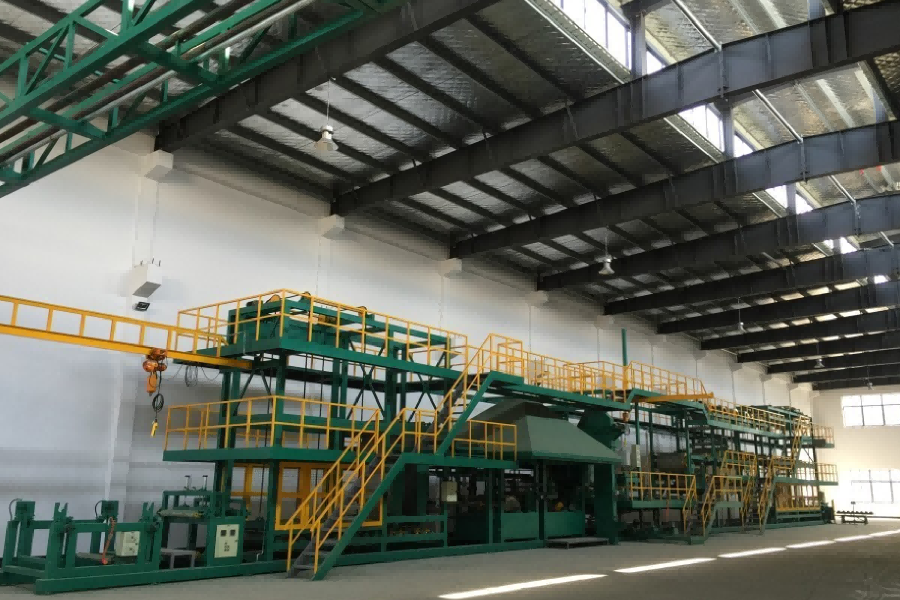
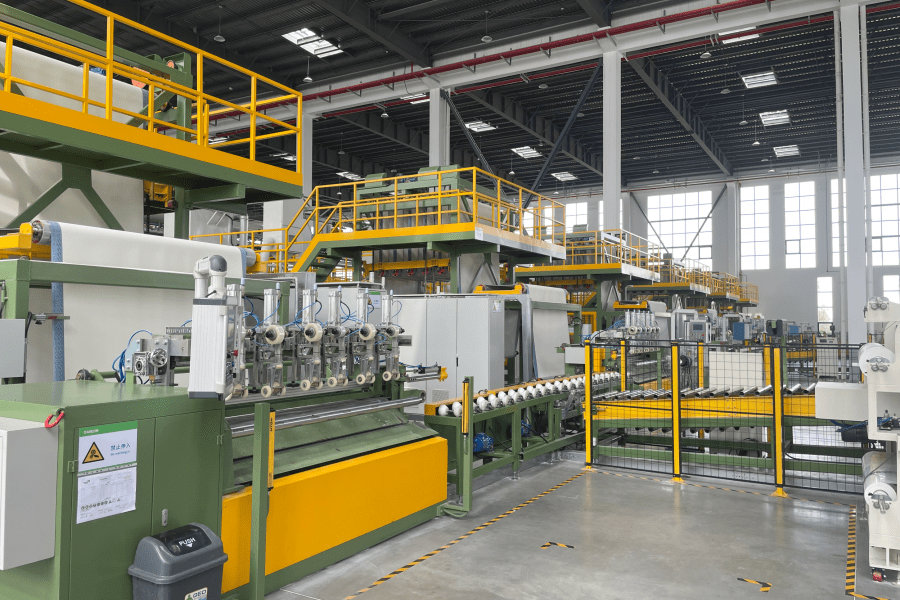
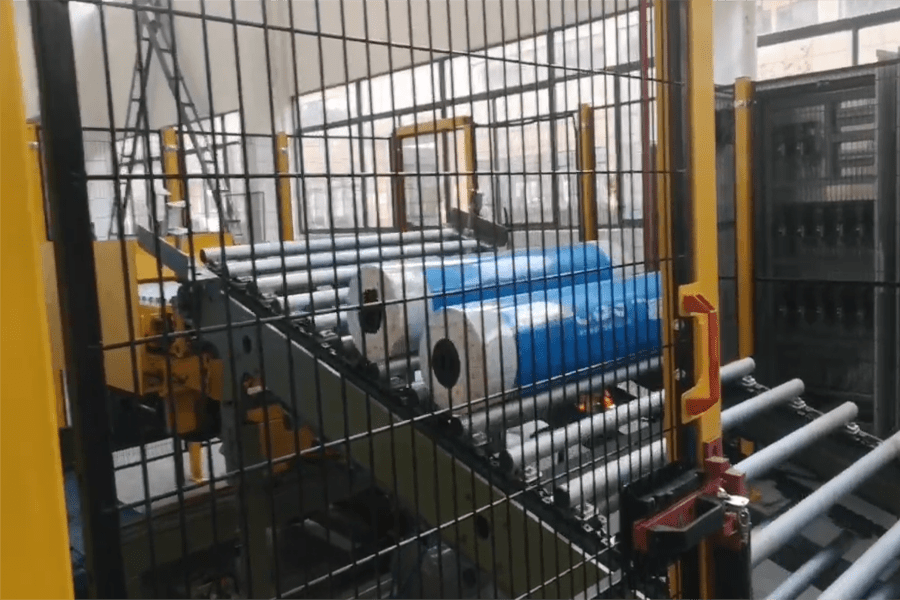
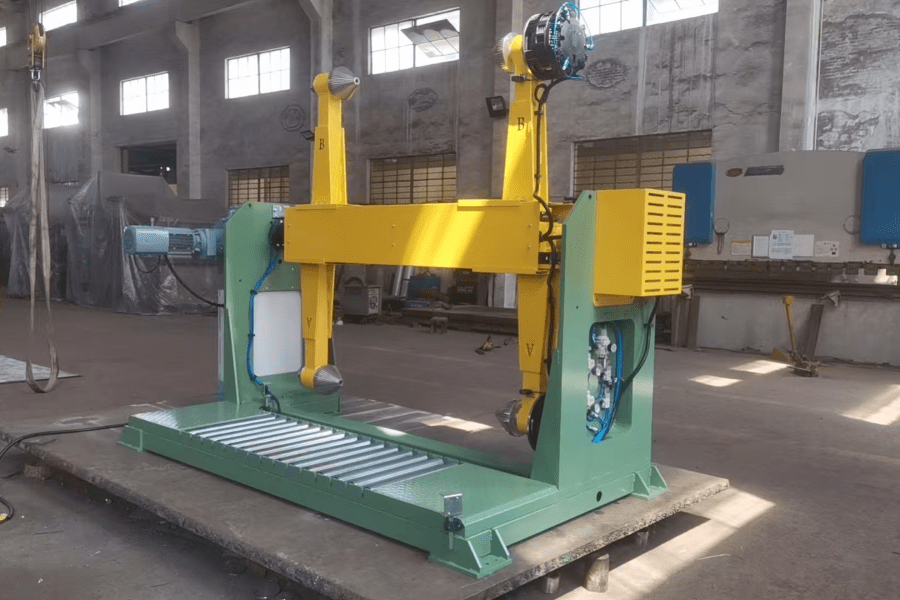
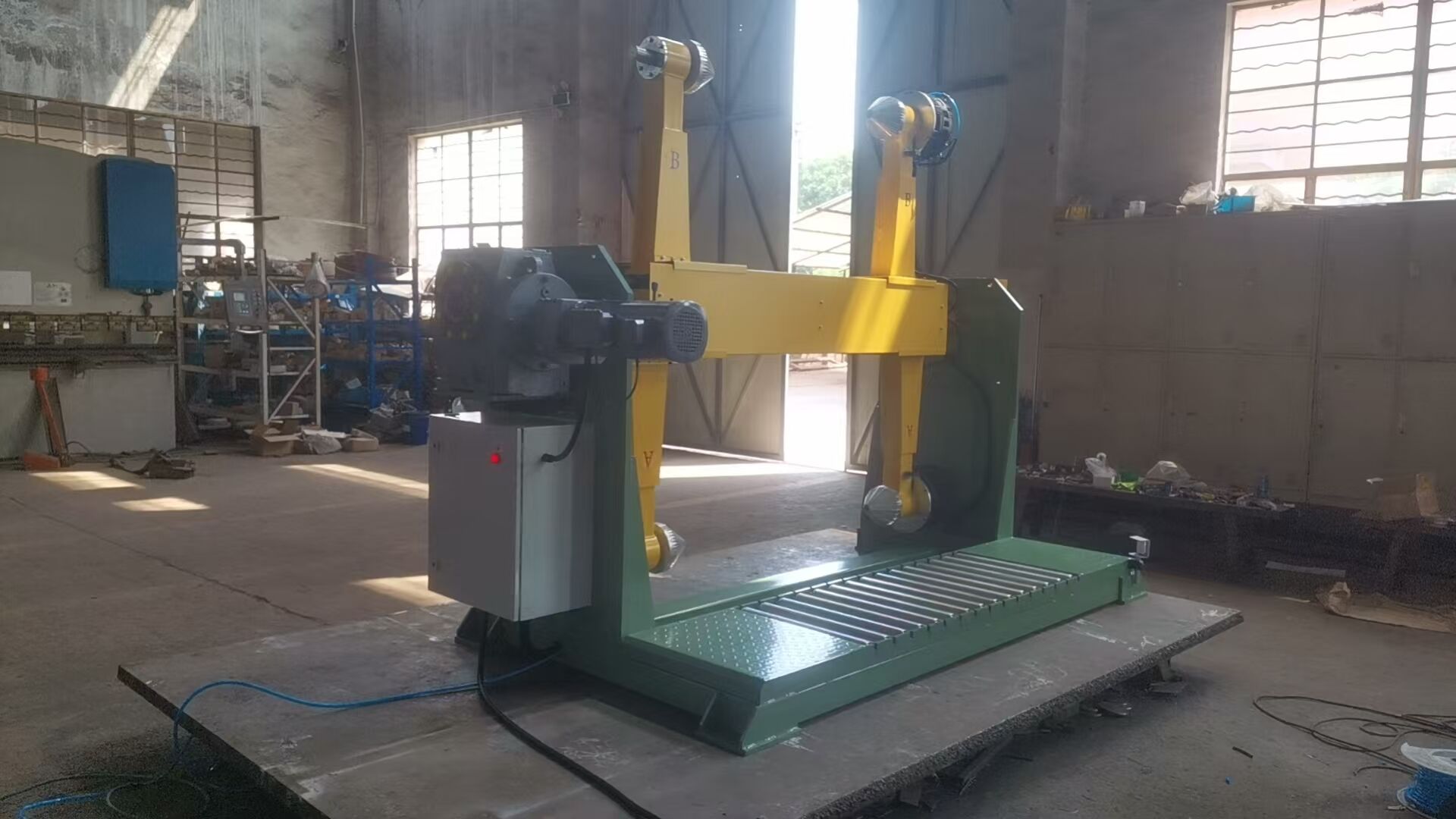
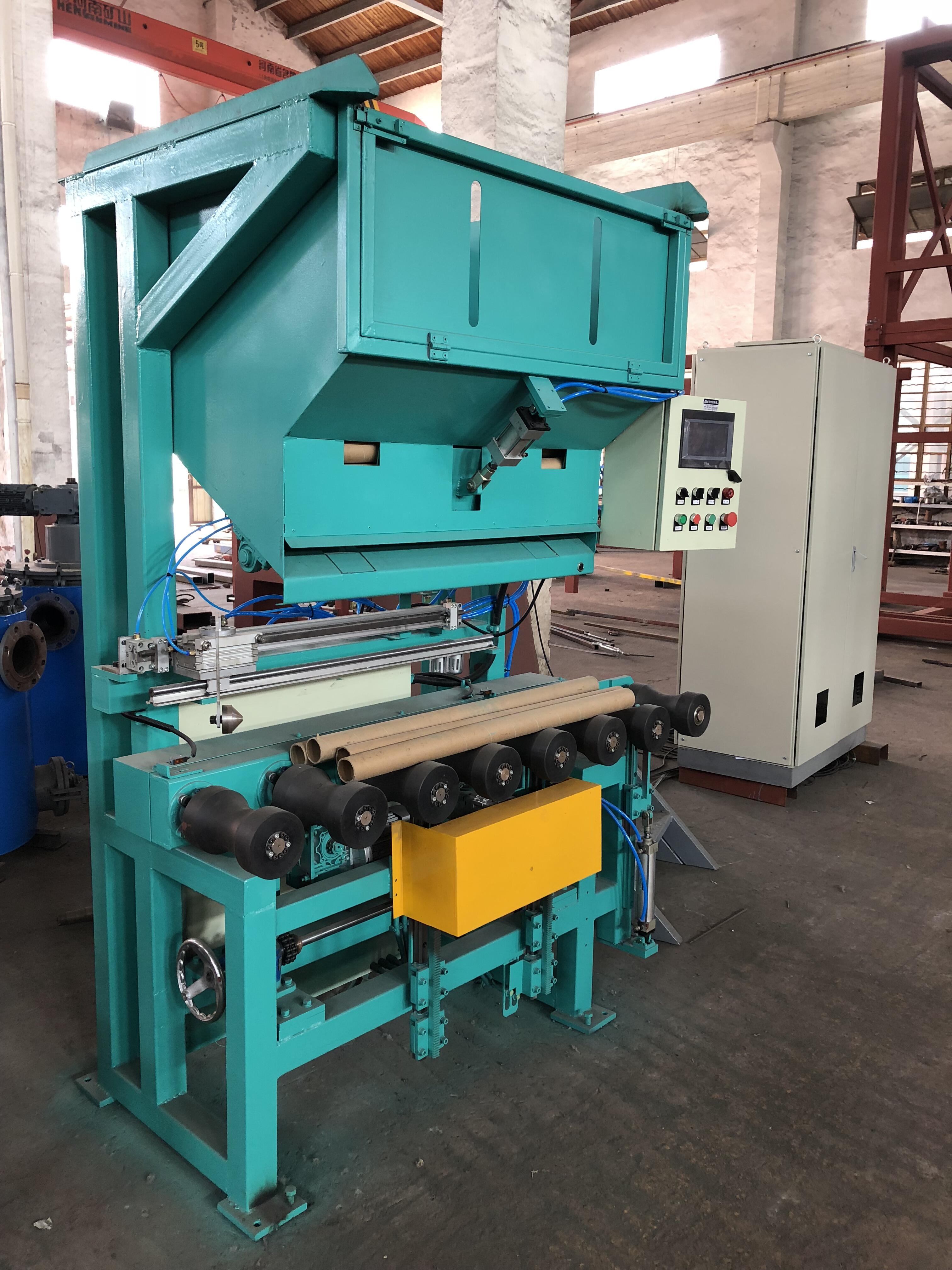
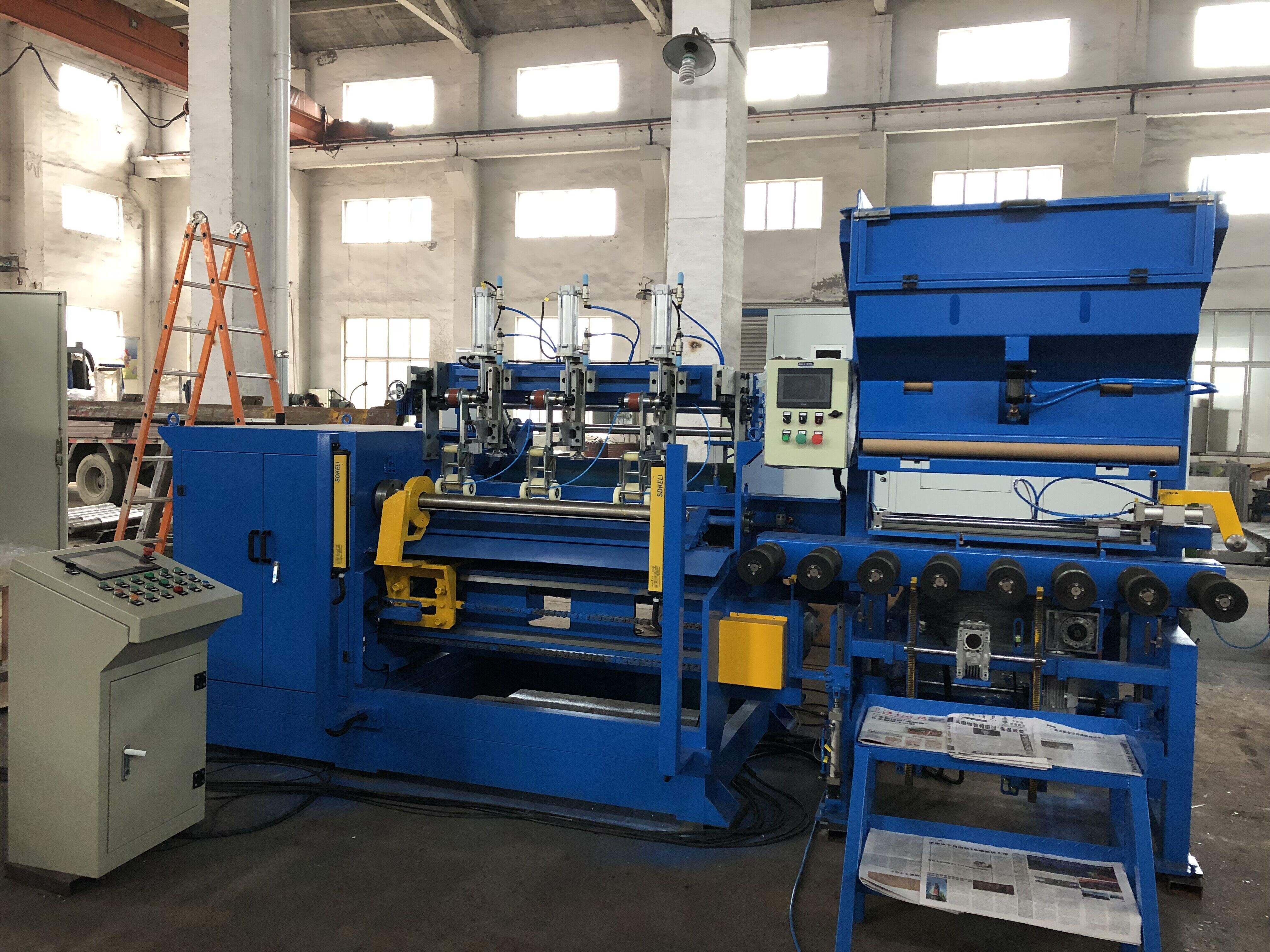
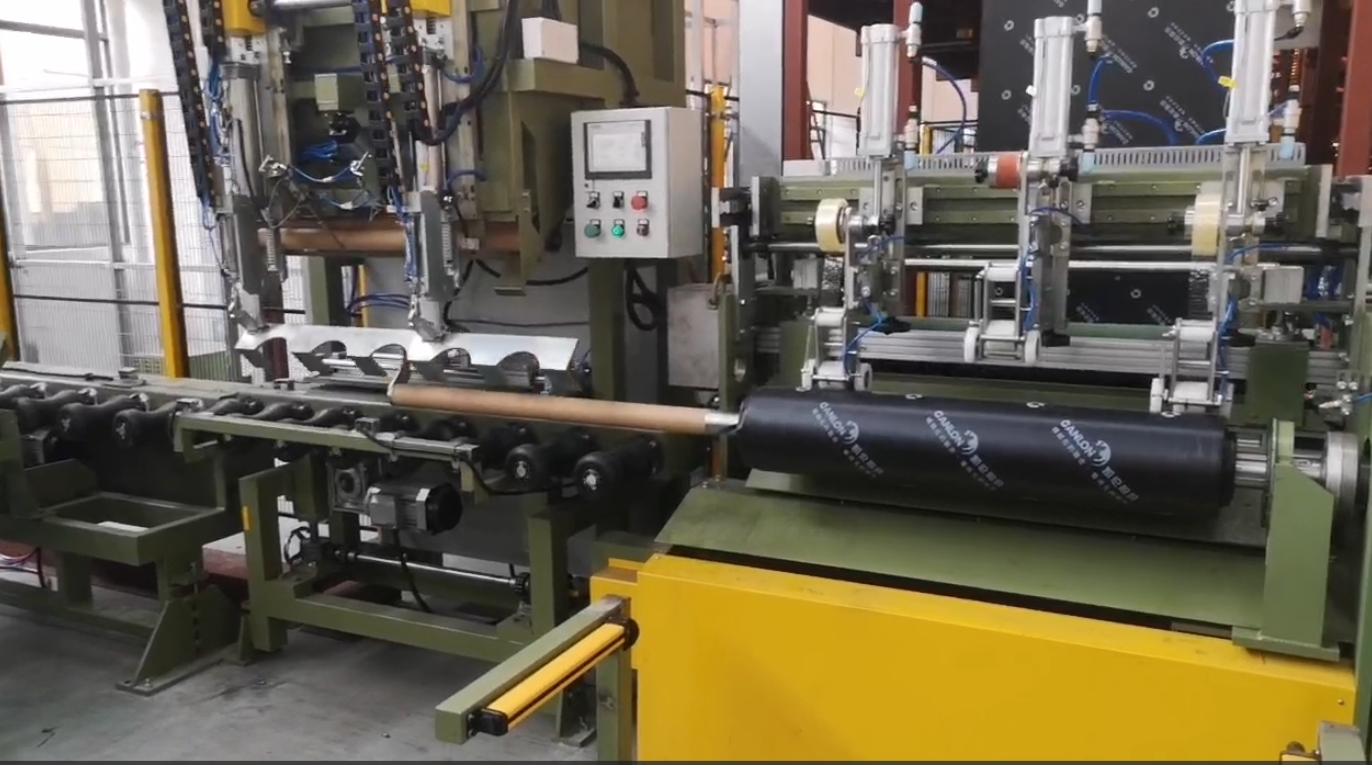
The automatic core inserting machine represents a significant advancement in manufacturing technology, designed to streamline the production process of various electronic components and transformers. This sophisticated equipment automatically inserts magnetic cores into pre-wound coils with precision and consistency. The machine operates through a synchronized system of feeders, positioning mechanisms, and insertion tools that work in harmony to achieve accurate core placement. It features advanced sensing technology that ensures proper alignment and prevents damage to both cores and coils during the insertion process. The equipment can handle different core sizes and shapes, with quick-change tooling that facilitates rapid product changeovers. Modern automatic core inserting machines incorporate programmable logic controllers (PLCs) that enable operators to store multiple product parameters and recall them as needed. These machines typically achieve insertion rates of several hundred pieces per hour, significantly outperforming manual insertion methods. The technology includes built-in quality control measures, such as pressure sensors and vision systems, that verify proper insertion depth and orientation. This equipment finds extensive application in the production of transformers, inductors, and other magnetic components used in electronics, automotive, and power supply industries.

New Product Releases

The implementation of automatic core inserting machines brings numerous compelling advantages to manufacturing operations. First and foremost, these machines dramatically increase production efficiency by performing core insertions at speeds that far exceed manual capabilities, often processing hundreds of units per hour with consistent quality. This high-speed operation translates directly into increased output and reduced labor costs. The precision of automated insertion significantly reduces the risk of component damage, resulting in lower scrap rates and material waste. The machines maintain consistent insertion force and alignment, ensuring uniform product quality and reducing the likelihood of field failures. From a workforce perspective, the automation reduces the physical strain on operators, minimizing repetitive stress injuries and improving workplace safety. The digital control systems enable easy parameter adjustment and storage, making product changeovers quick and reproducible. Quality control is enhanced through integrated monitoring systems that can detect and reject defective insertions immediately, preventing defective products from moving further down the production line. The machines can operate continuously with minimal supervision, allowing for extended production runs and improved resource utilization. Furthermore, the automated process provides detailed production data that can be used for process optimization and quality documentation. The standardization of the insertion process eliminates operator-to-operator variations, ensuring consistent product quality regardless of shift or personnel changes.

Latest News

What quality checks ensure a modified bitumen membrane production line meets ASTM?

12

Sep

What quality checks ensure a modified bitumen membrane production line meets ASTM?

Essential Quality Control Standards in Modified Bitumen Manufacturing The manufacturing of modified represents a critical process in the roofing industry, where quality control measures play a pivotal role in ensuring compliance with ASTM standards. ...
View More
How can a modified bitumen membrane production line slash energy use by 20 %?

12

Sep

How can a modified bitumen membrane production line slash energy use by 20 %?

Revolutionizing Energy Efficiency in Membrane Manufacturing The manufacturing industry stands at a critical juncture where sustainability meets profitability. A represents a significant investment for manufacturers, and optimizing its energy consumpt...
View More
Why does a modified bitumen membrane production line need inline thickness gauging?

12

Sep

Why does a modified bitumen membrane production line need inline thickness gauging?

The Critical Role of Precision Measurement in Bitumen Membrane Manufacturing In the demanding world of modified , maintaining consistent product quality is paramount. At the heart of this quality control process lies inline thickness gauging - a soph...
View More

Get a Free Quote

Our representative will contact you soon.
Email
Name
Company Name
Message
0/1000
Attachment
Please upload at least an attachment
Up to 3 files,more 30mb,suppor jpg、jpeg、png、pdf、doc、docx、xls、xlsx、csv、txt

automatic core inserting machine

Advanced Control System Integration

Advanced Control System Integration

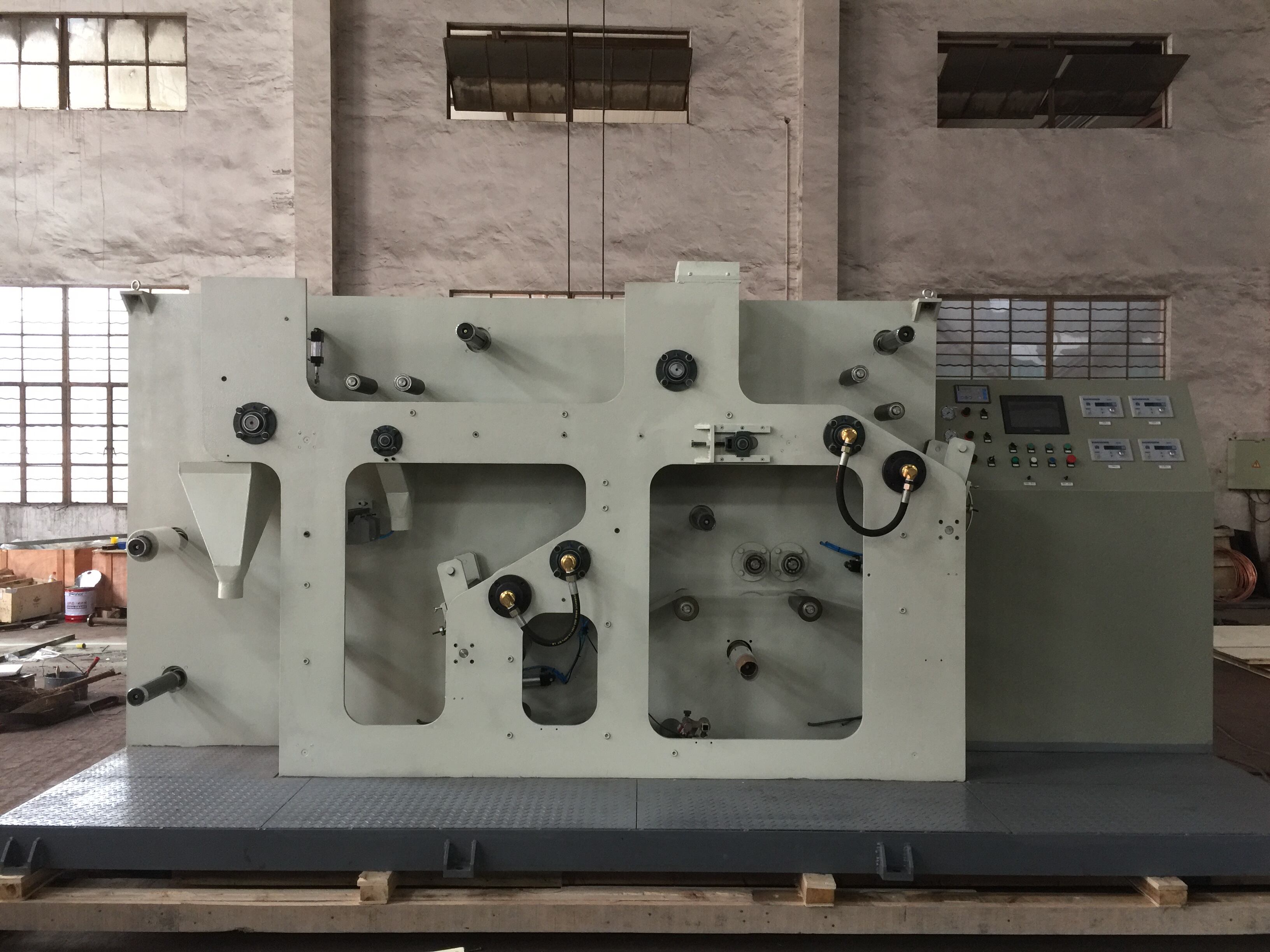
The sophisticated control system integration in automatic core inserting machines represents a quantum leap in production capability and process control. At its heart lies a state-of-the-art PLC system that coordinates all machine functions with millisecond precision. This system enables real-time monitoring and adjustment of critical parameters such as insertion force, speed, and depth. Operators can access an intuitive human-machine interface (HMI) that displays operational status, allows parameter adjustments, and provides detailed diagnostic information. The control system stores multiple product recipes, enabling quick changeovers between different product specifications without the need for mechanical adjustments. This feature significantly reduces setup time and eliminates the risk of operator error during product transitions.
Precision Insertion Mechanism

Precision Insertion Mechanism

The precision insertion mechanism is engineered to achieve exceptional accuracy and repeatability in core placement. The system employs high-resolution servo motors and advanced positioning algorithms to control the insertion process with micron-level precision. Multiple sensors work in concert to verify proper core orientation and alignment before insertion begins. The mechanism includes adaptive force control that adjusts insertion pressure based on real-time feedback, preventing damage to delicate components. This sophisticated system ensures consistent insertion depth and orientation, crucial for maintaining product quality and performance. The mechanism's design allows for quick tooling changes to accommodate different core sizes and shapes, maximizing production flexibility.
Comprehensive Quality Assurance Features

Comprehensive Quality Assurance Features

The automatic core inserting machine incorporates extensive quality assurance features that maintain exceptional product standards throughout the production process. Advanced vision systems perform real-time inspection of cores before and after insertion, verifying proper positioning and detecting any abnormalities. Force sensors monitor insertion pressure profiles, ensuring optimal component assembly without damage. The system automatically rejects any products that fall outside predetermined quality parameters, maintaining strict quality control. Data logging capabilities record detailed information about each insertion, creating a comprehensive quality record for traceability and process improvement. These features work together to virtually eliminate defective products from reaching subsequent production stages.
High-Precision Automatic Core Inserting Machine: Advanced Manufacturing Solution for Electronic Components

Get a Free Quote

Our representative will contact you soon.
Email
Name
Company Name
Message
0/1000
Attachment
Please upload at least an attachment
Up to 3 files,more 30mb,suppor jpg、jpeg、png、pdf、doc、docx、xls、xlsx、csv、txt