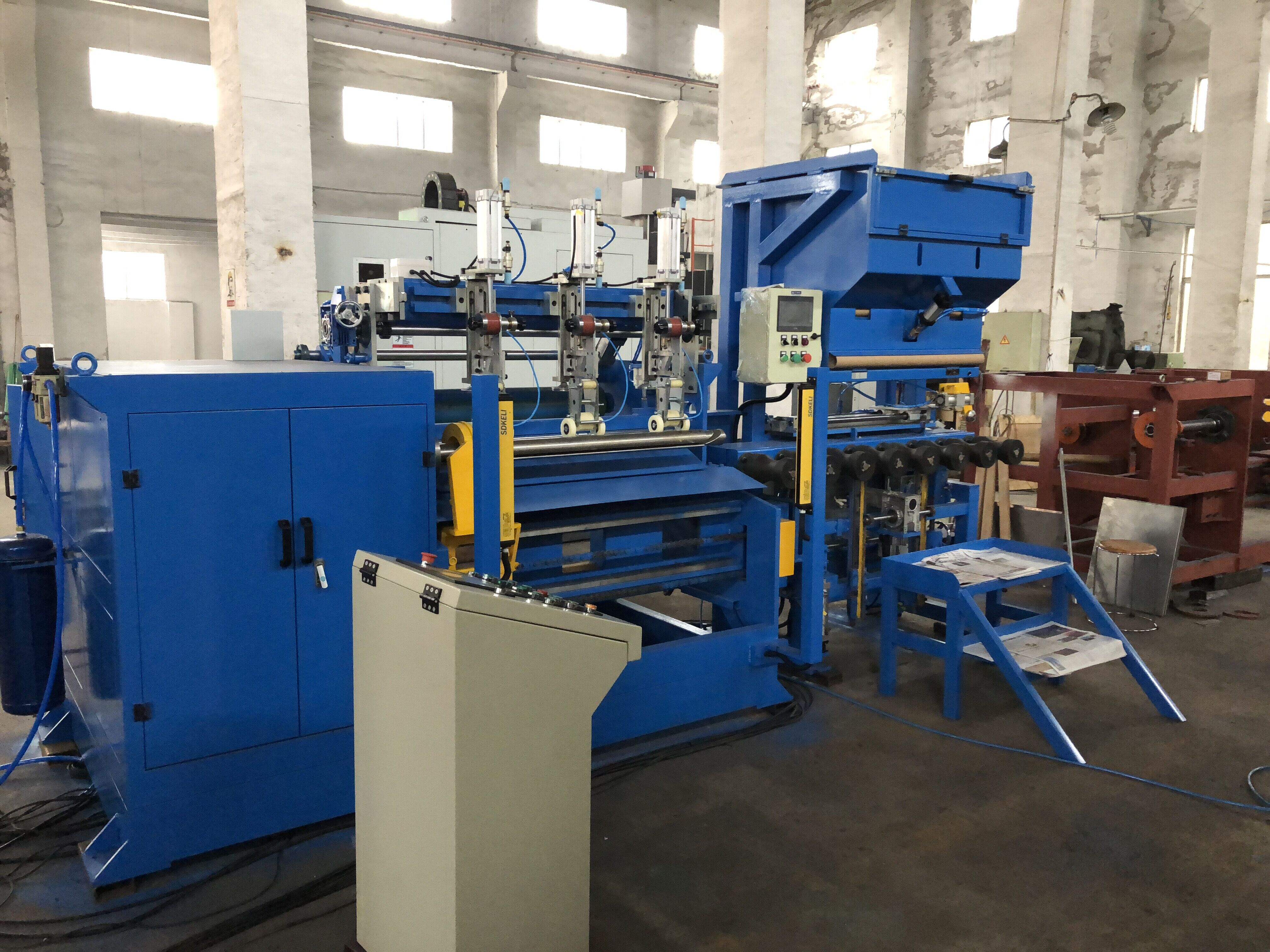
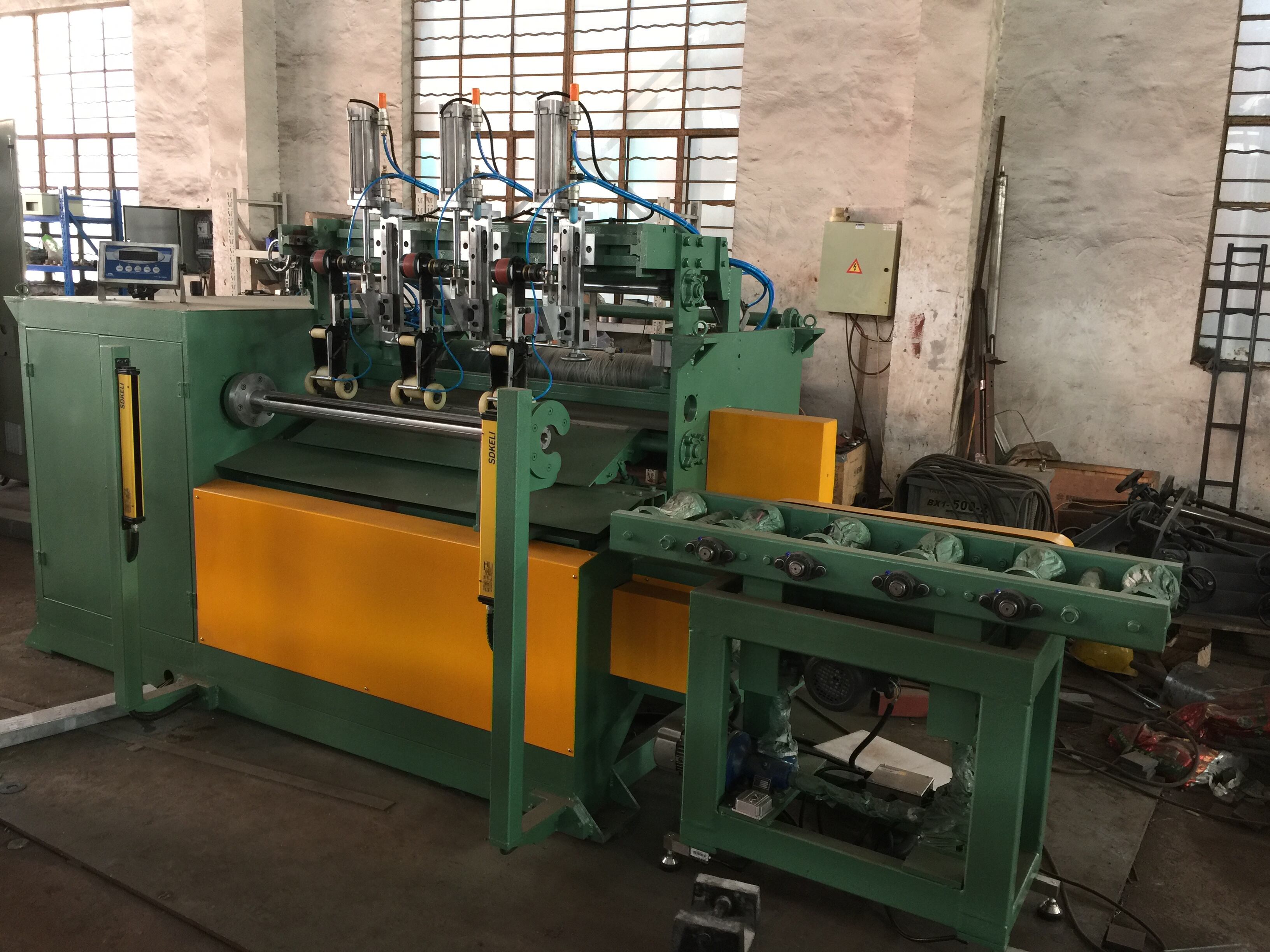
automatic winding machine
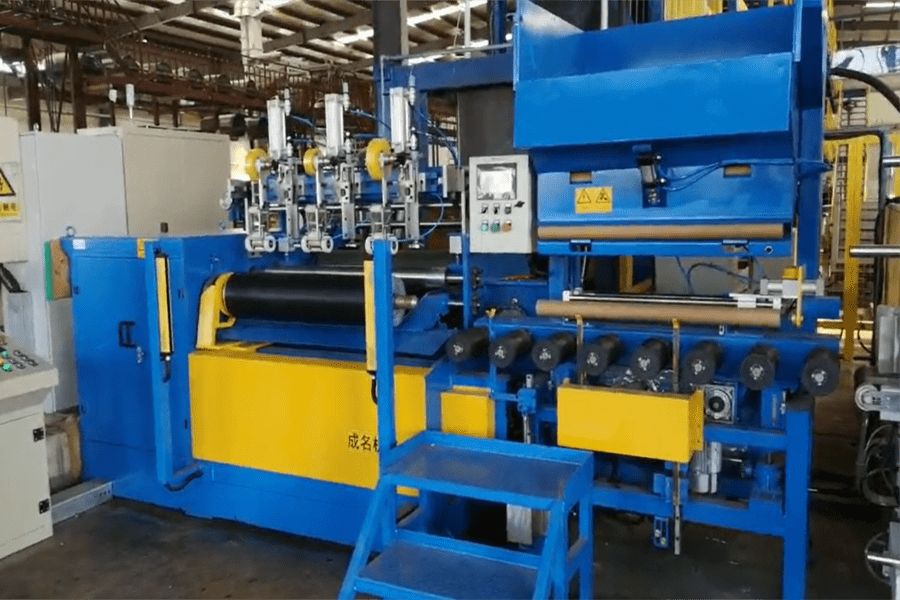
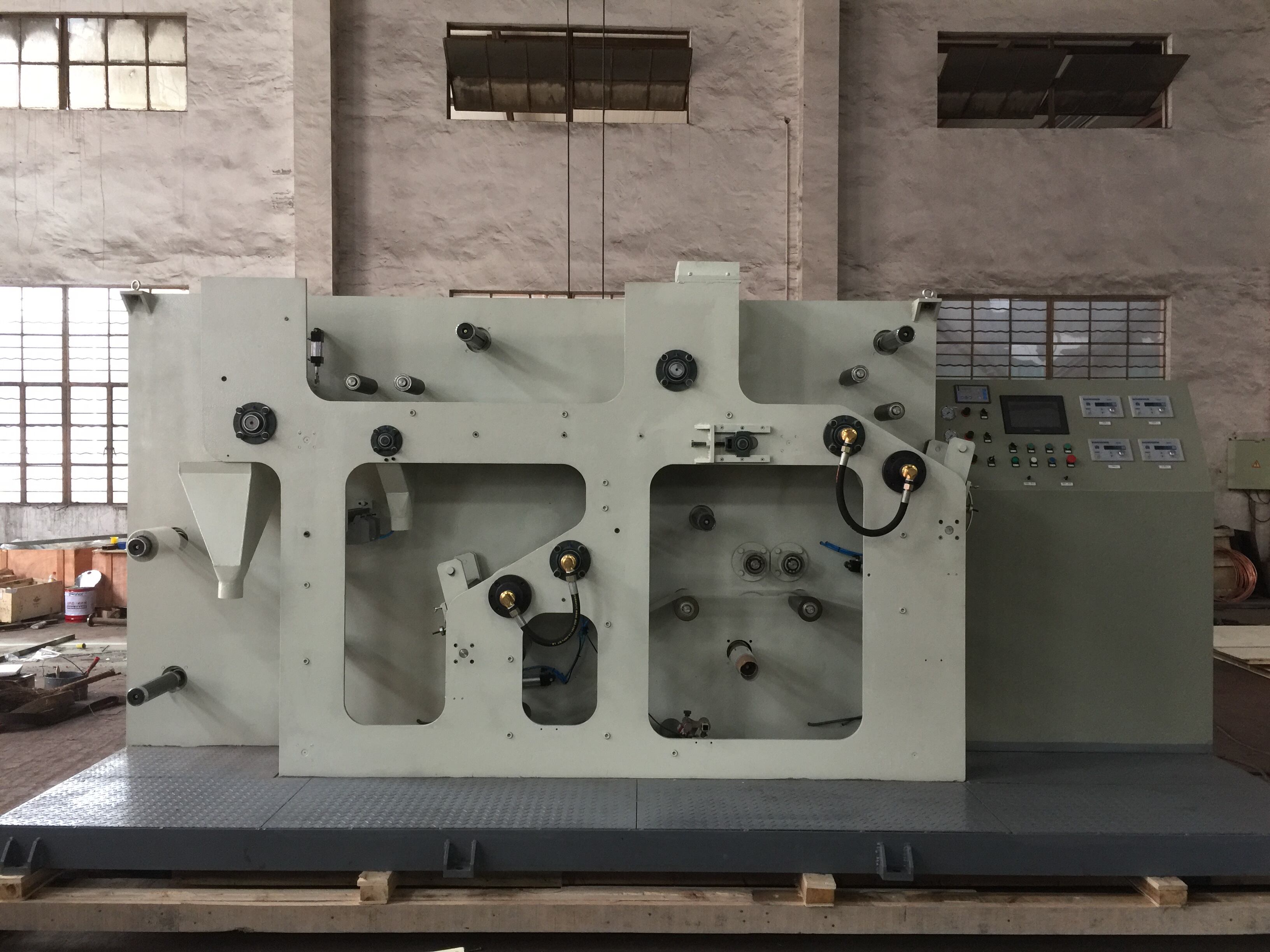
The automatic winding machine represents a revolutionary advancement in manufacturing technology, designed to streamline coil winding processes across various industries. This sophisticated equipment automates the complex task of winding wire, cable, or thread onto spools, bobbins, or cores with exceptional precision and consistency. Modern automatic winding machines integrate cutting-edge control systems, servo motors, and programmable logic controllers to deliver superior performance in high-volume production environments. These machines excel in creating uniform coils for transformers, inductors, motors, and electronic components where precise winding patterns are critical for optimal functionality. The technological architecture of an automatic winding machine incorporates multiple subsystems working in harmony. The wire feeding mechanism ensures consistent tension throughout the winding process, while programmable parameters control speed, direction, and layer distribution. Advanced models feature touch-screen interfaces that allow operators to configure complex winding patterns, adjust tension settings, and monitor real-time production metrics. Quality control sensors detect wire breaks, tension variations, and dimensional irregularities, automatically stopping production to prevent defective output. The versatility of automatic winding machines makes them indispensable across diverse manufacturing sectors. Electronics manufacturers rely on these systems for producing precision coils used in smartphones, computers, and automotive electronics. Power generation companies utilize automatic winding machines to create transformer windings that meet strict electrical specifications. The textile industry employs these machines for thread and yarn processing, while medical device manufacturers depend on their accuracy for creating micro-coils used in implantable devices. Contemporary automatic winding machines offer remarkable flexibility through modular designs that accommodate various core sizes, wire gauges, and winding configurations, making them suitable for both prototype development and mass production applications.

 EN
EN