membrane line
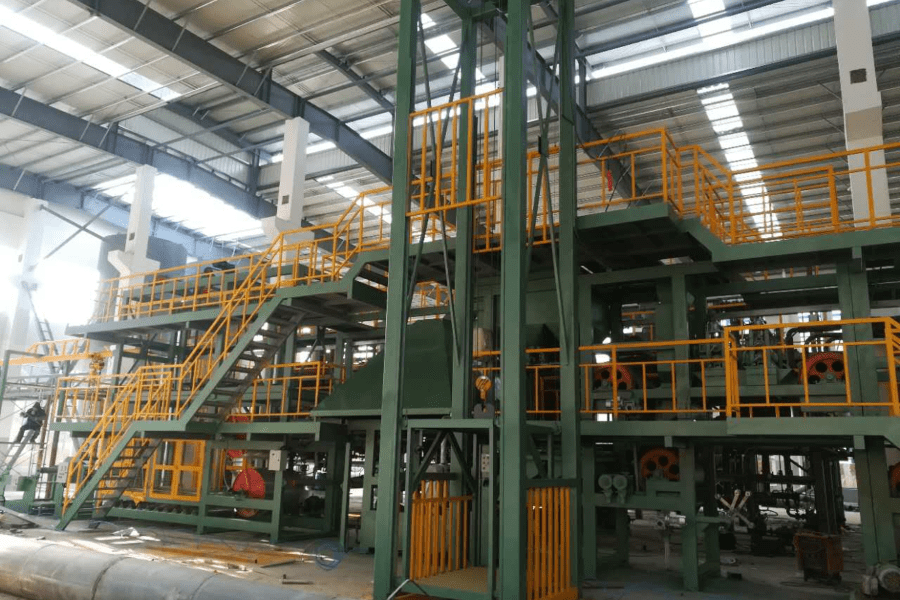
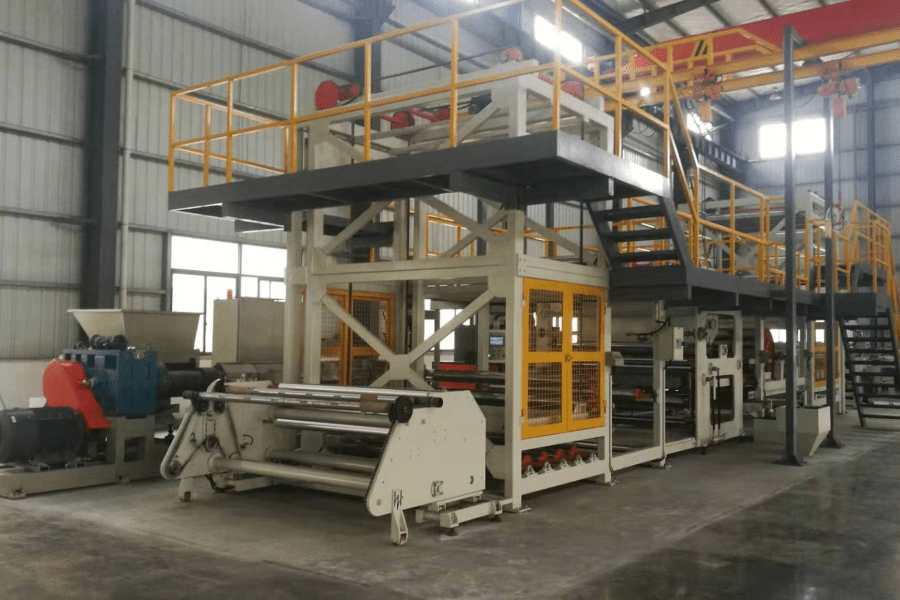
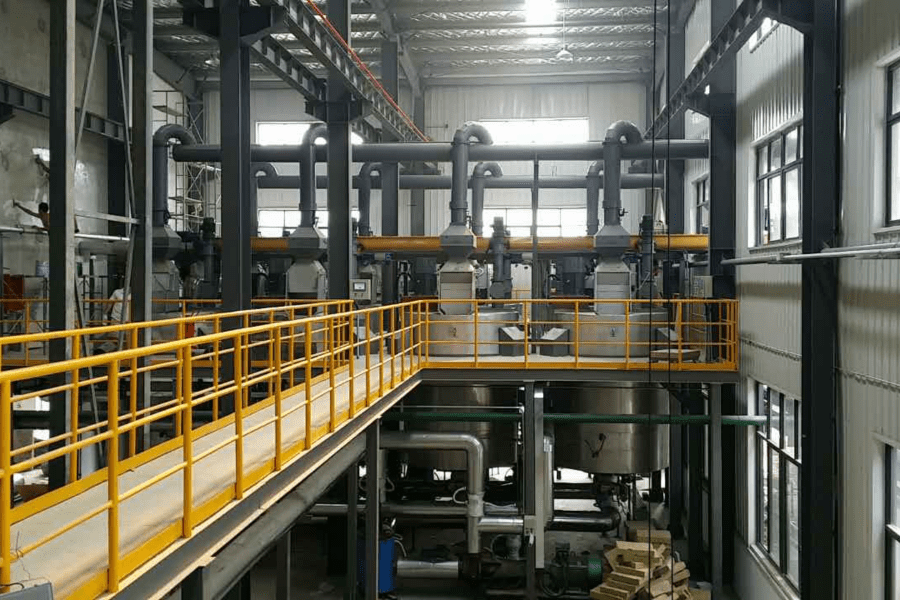
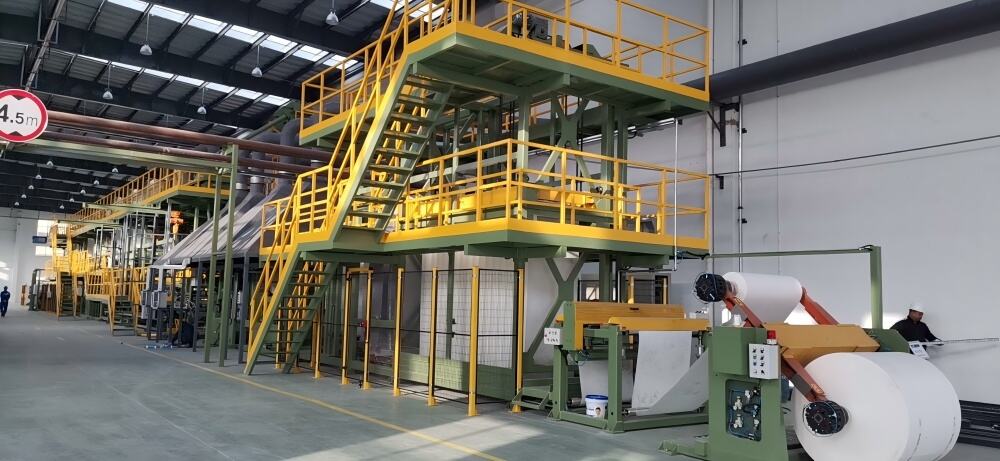
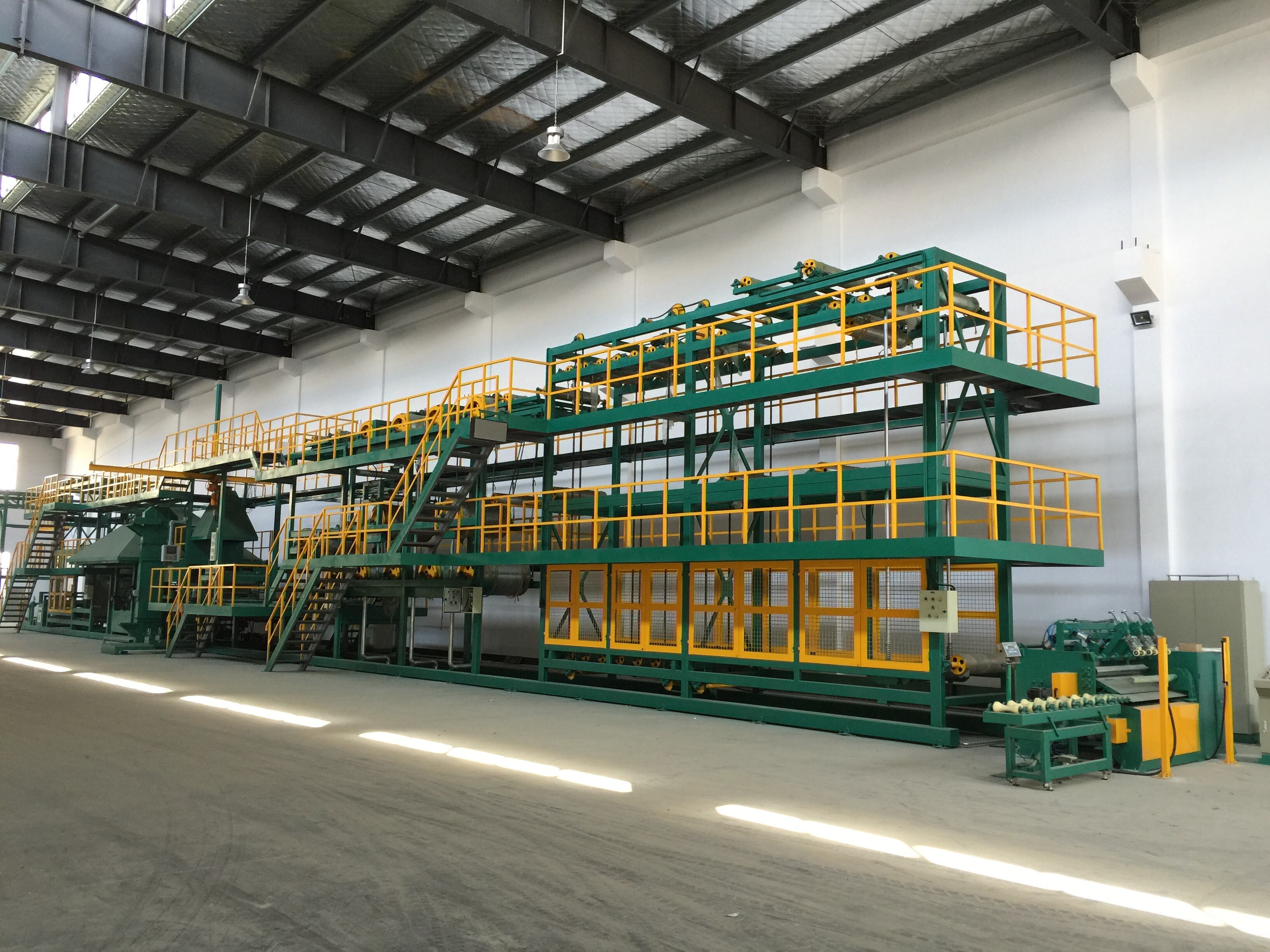
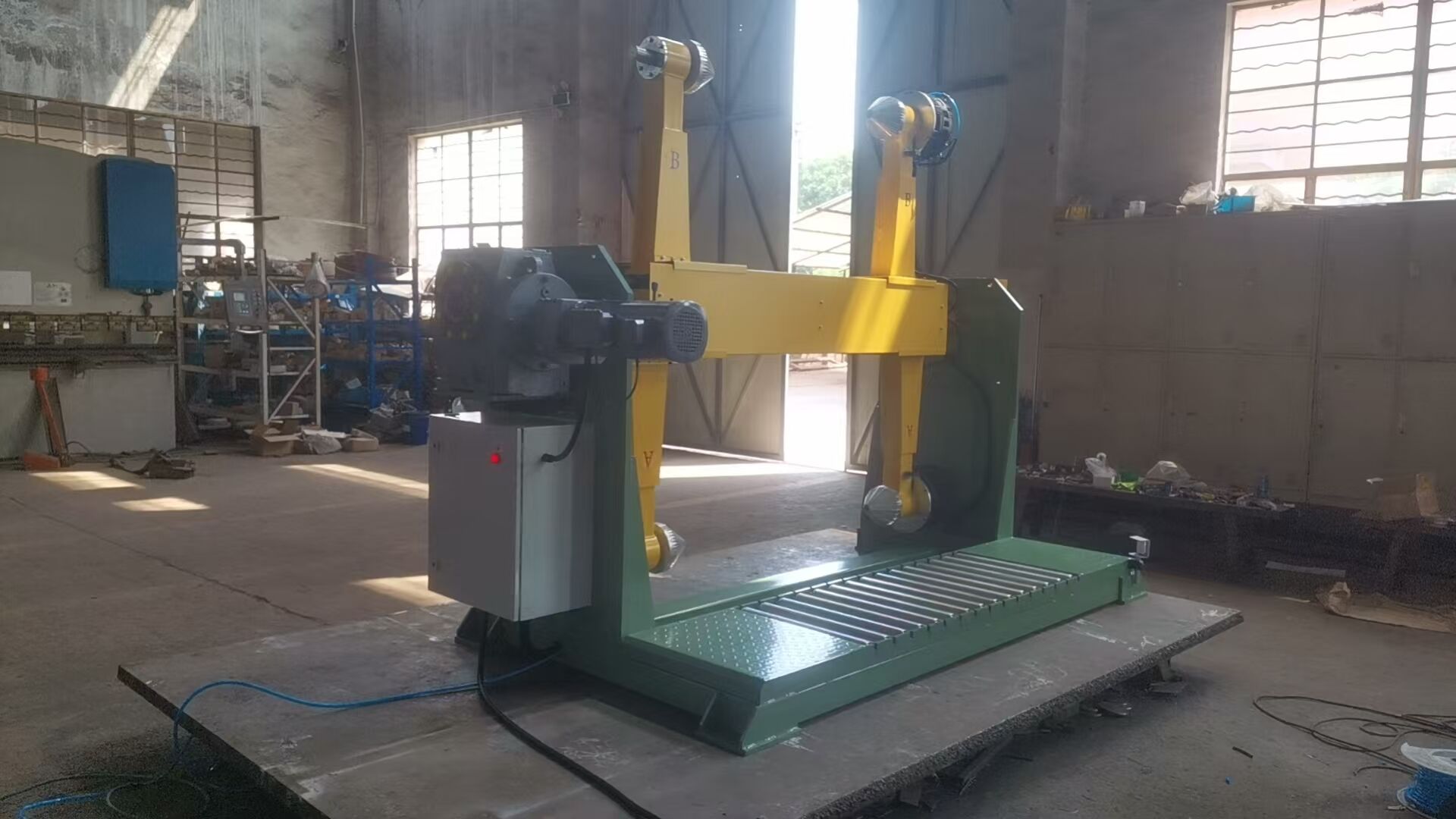
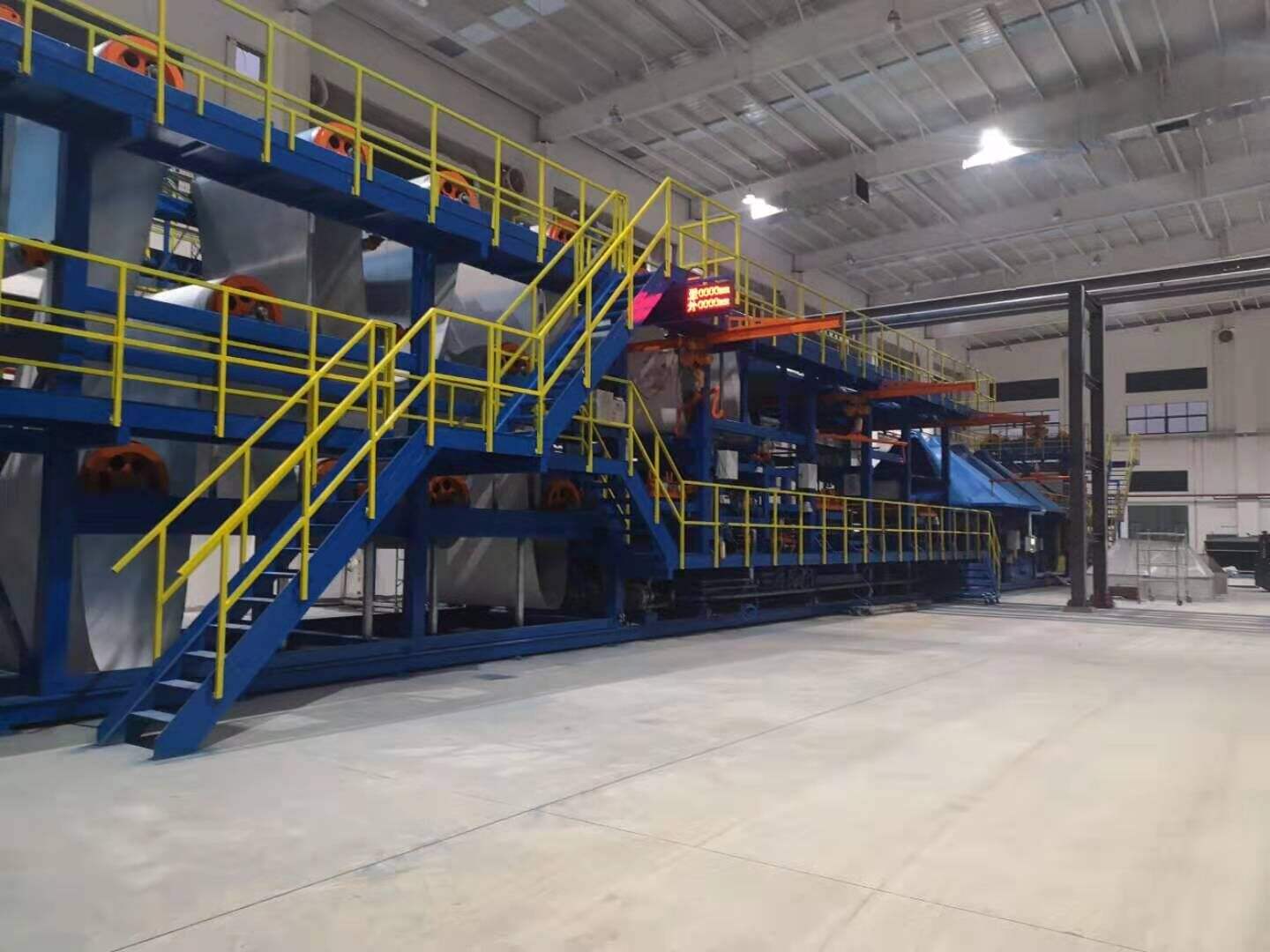
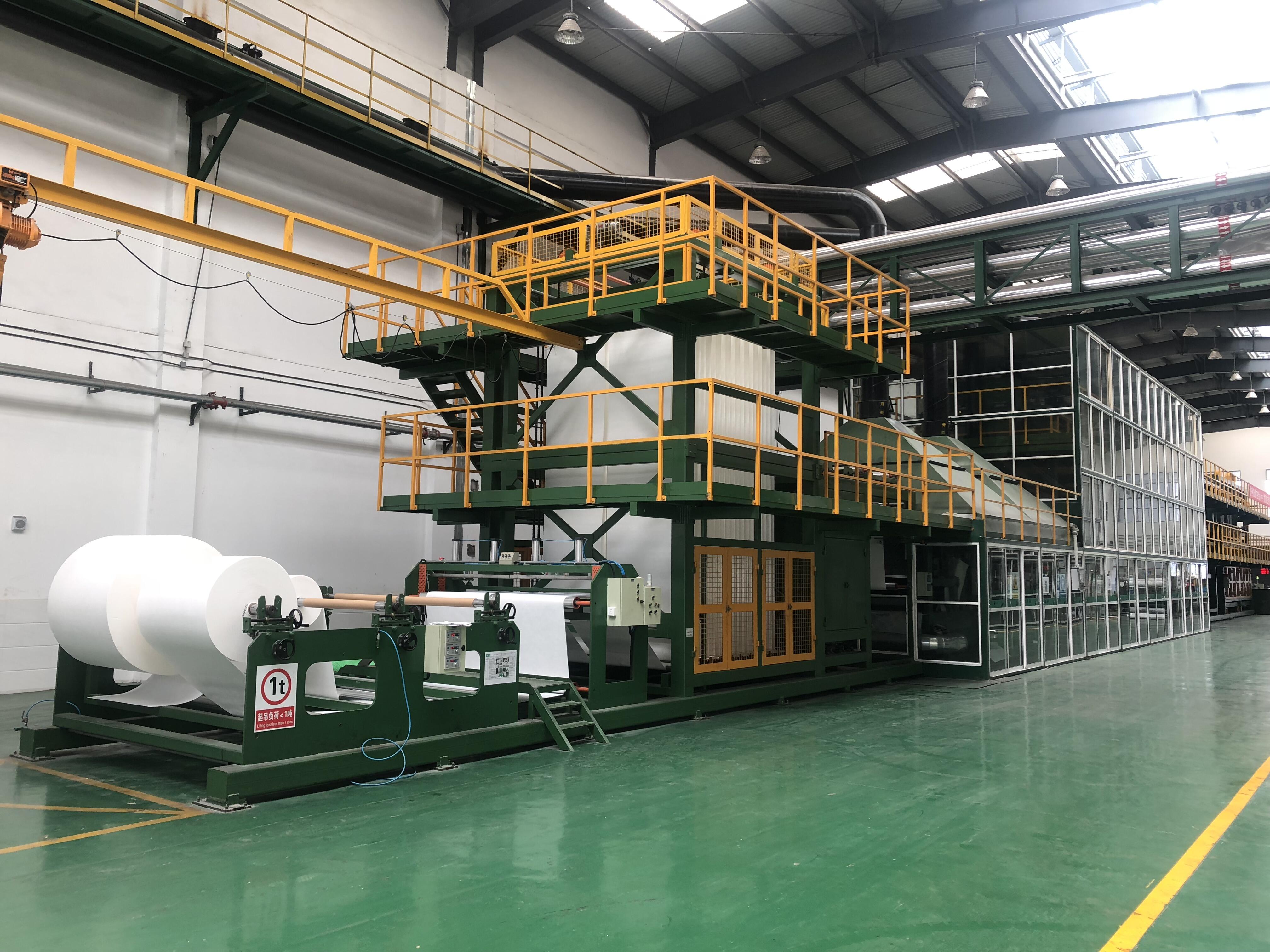
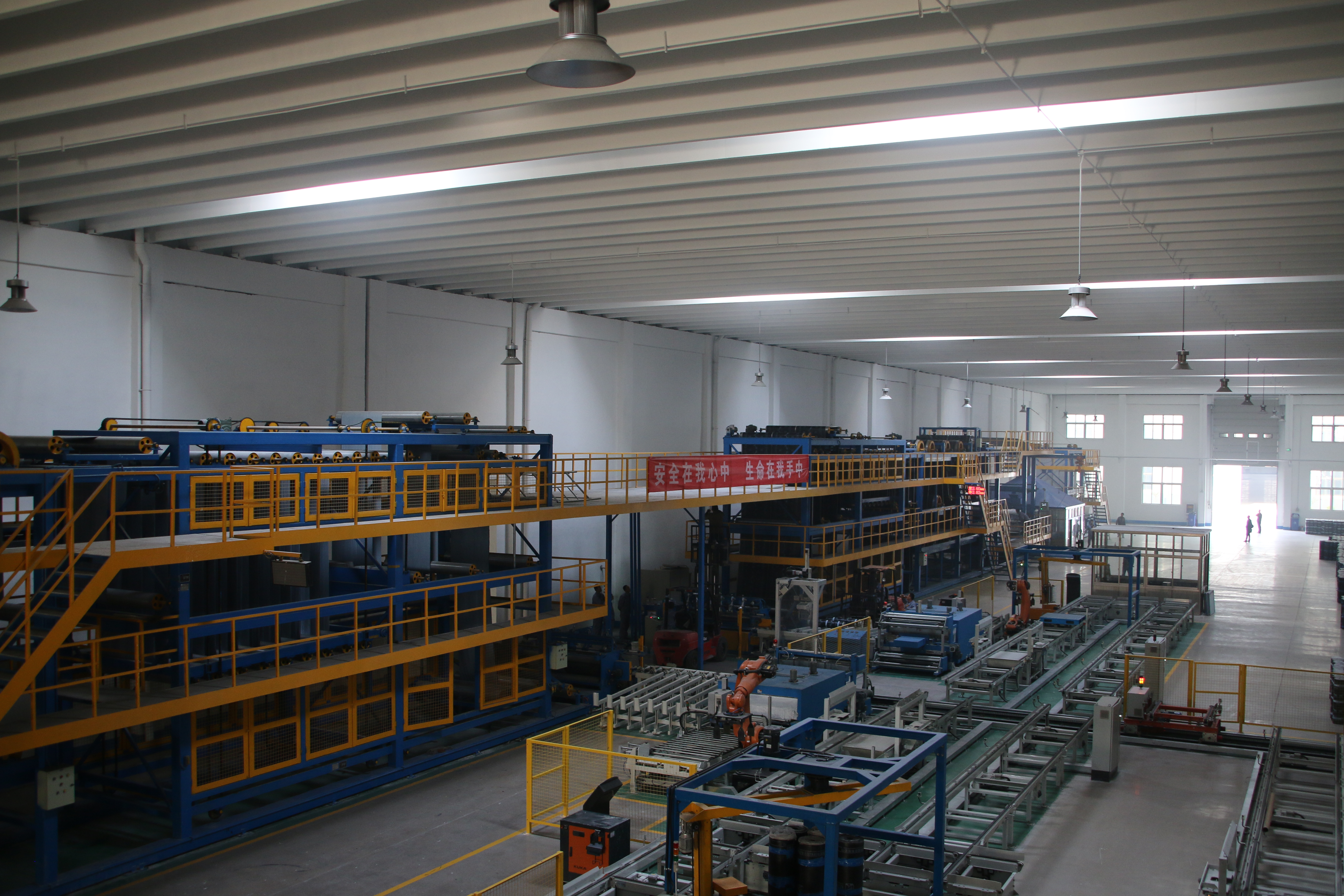
A membrane line represents a sophisticated industrial water treatment system that utilizes advanced membrane technology to deliver exceptional filtration and purification capabilities across diverse applications. This cutting-edge membrane line integrates multiple membrane modules working in synchronous operation to achieve superior water quality standards while maintaining optimal efficiency throughout the treatment process. The membrane line functions through selective permeability principles, where specialized membrane materials create barriers that allow water molecules to pass through while effectively blocking contaminants, particles, and unwanted substances. Modern membrane line configurations incorporate various membrane types including reverse osmosis, ultrafiltration, nanofiltration, and microfiltration technologies, each designed to target specific contaminant categories and achieve precise treatment objectives. The technological framework of a membrane line encompasses pressure vessels, membrane elements, control systems, monitoring equipment, and automated cleaning mechanisms that work collectively to ensure consistent performance and extended operational lifespan. These systems demonstrate remarkable versatility in addressing water treatment challenges across municipal water facilities, industrial manufacturing processes, pharmaceutical production environments, food and beverage operations, and desalination plants worldwide. The membrane line architecture allows for modular expansion and customization, enabling facility operators to scale treatment capacity according to evolving demand requirements while maintaining treatment efficacy. Advanced monitoring capabilities integrated within the membrane line provide real-time performance data, allowing operators to optimize system parameters, predict maintenance needs, and ensure compliance with regulatory standards. The robust construction and intelligent design features of modern membrane line systems contribute to reduced operational complexity, minimized maintenance requirements, and enhanced reliability compared to conventional water treatment alternatives.

 EN
EN