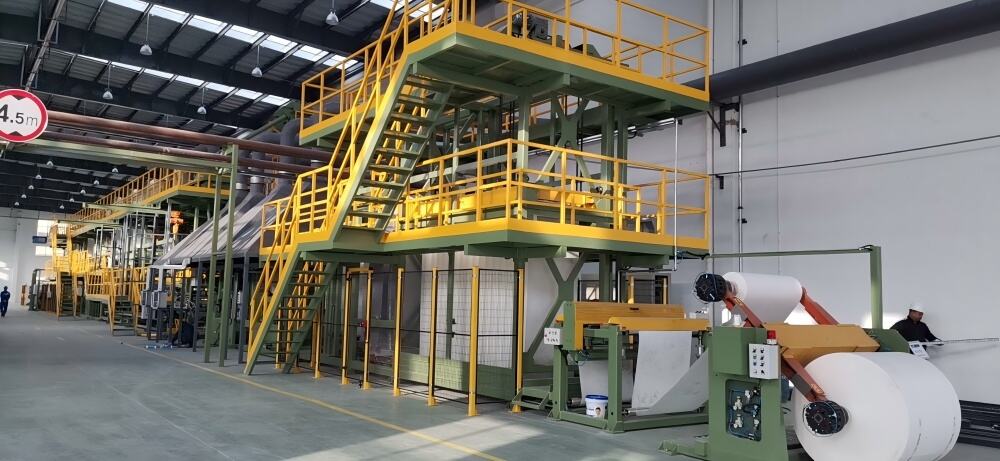
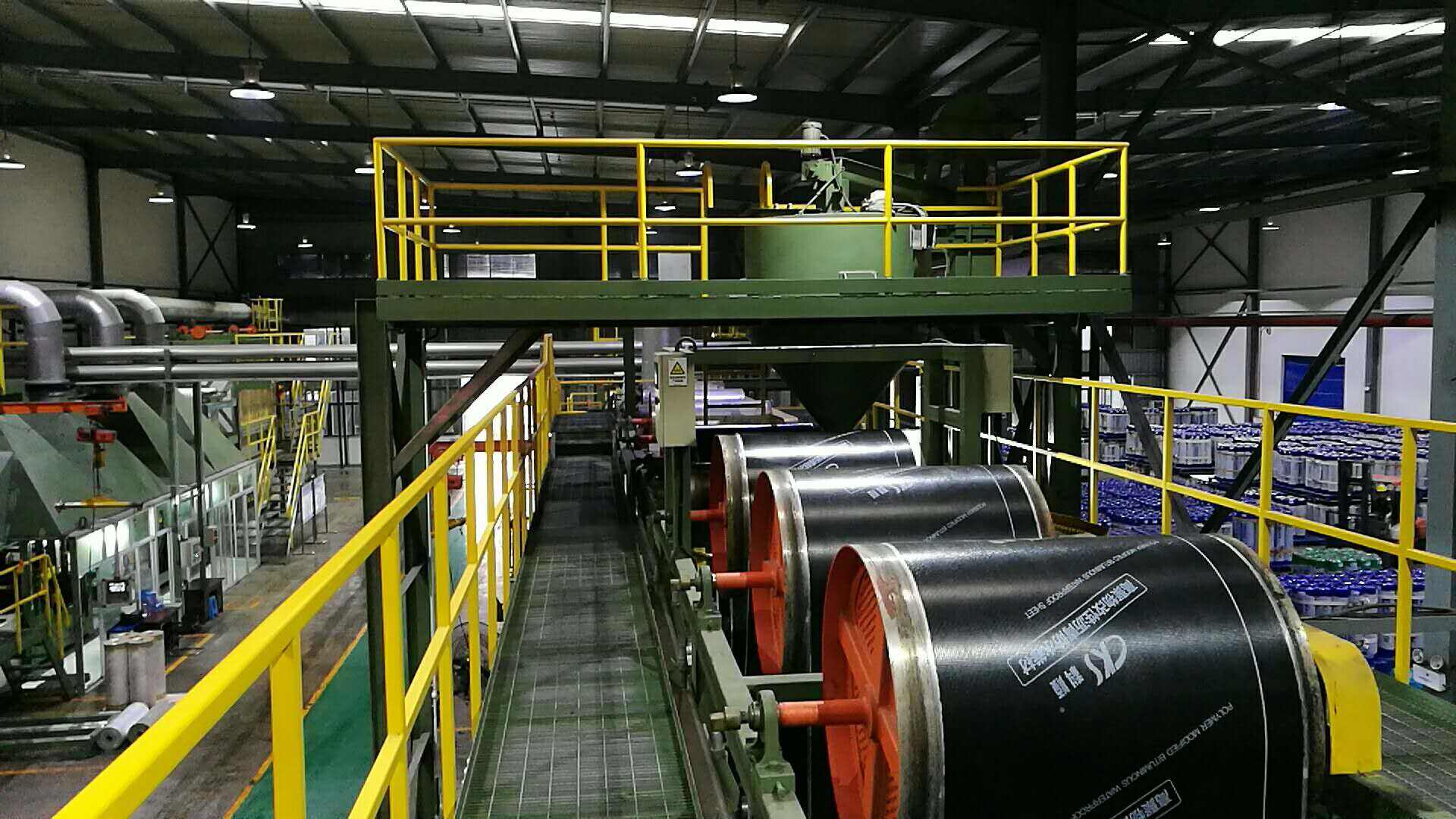
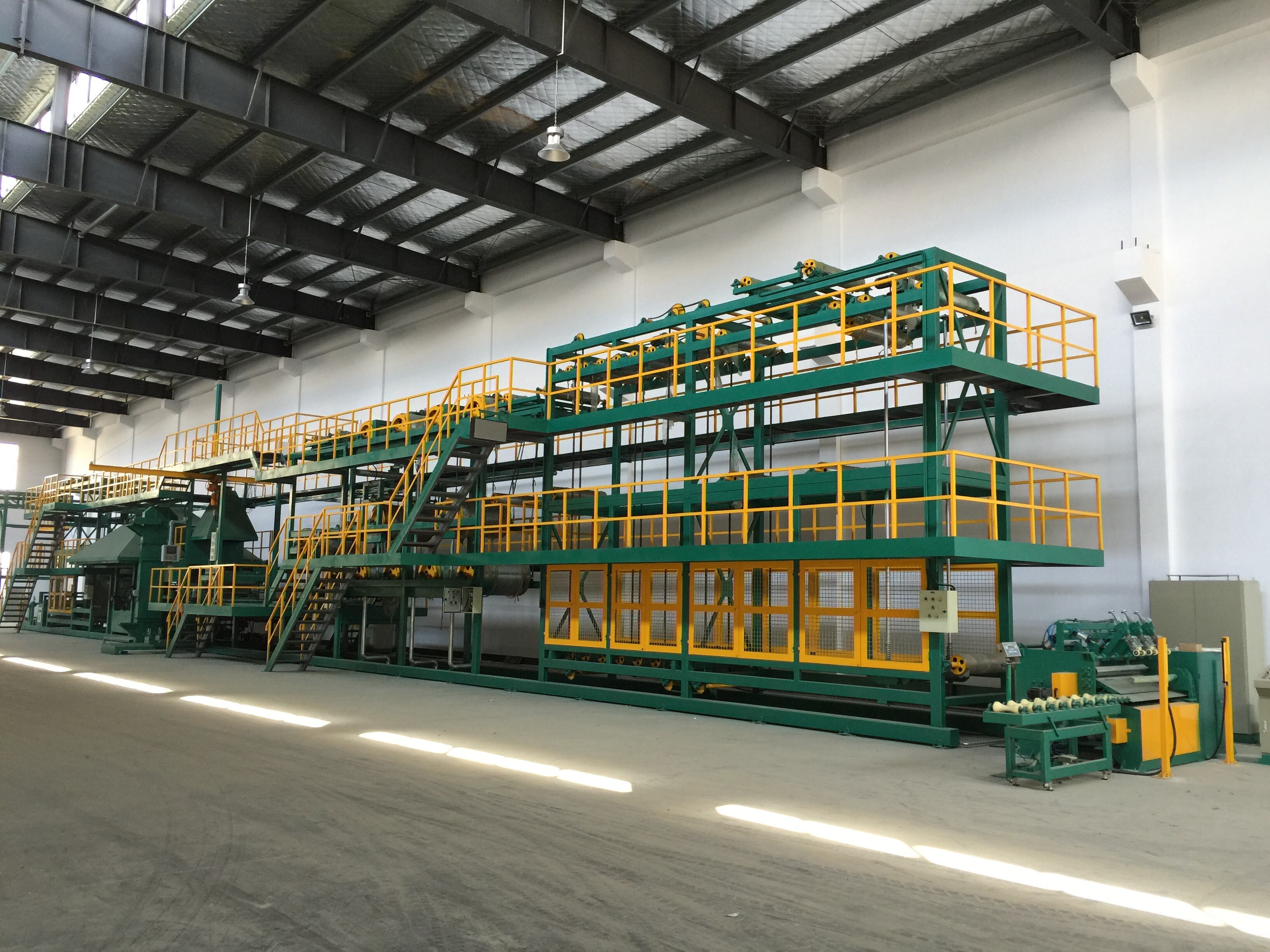
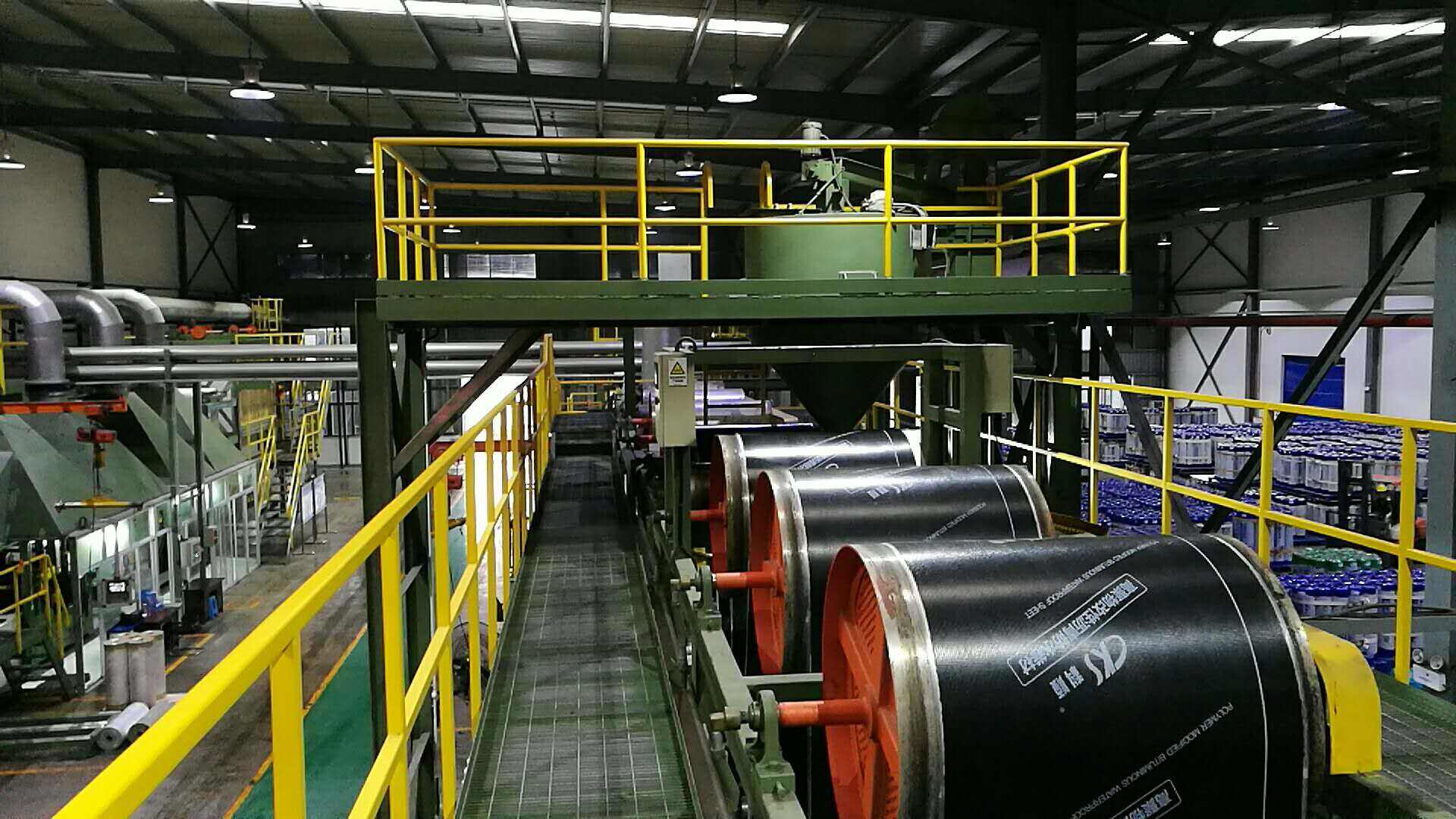
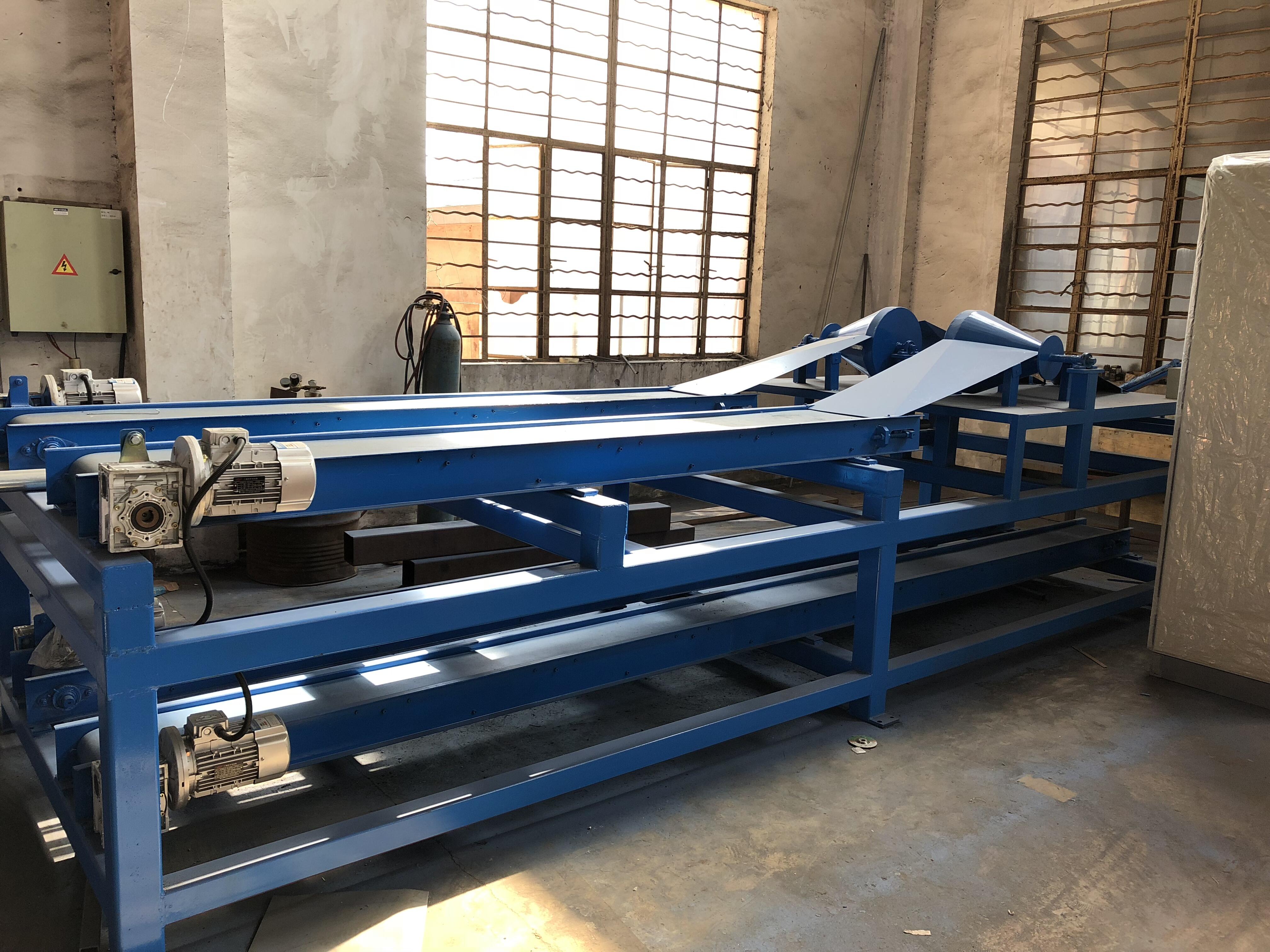
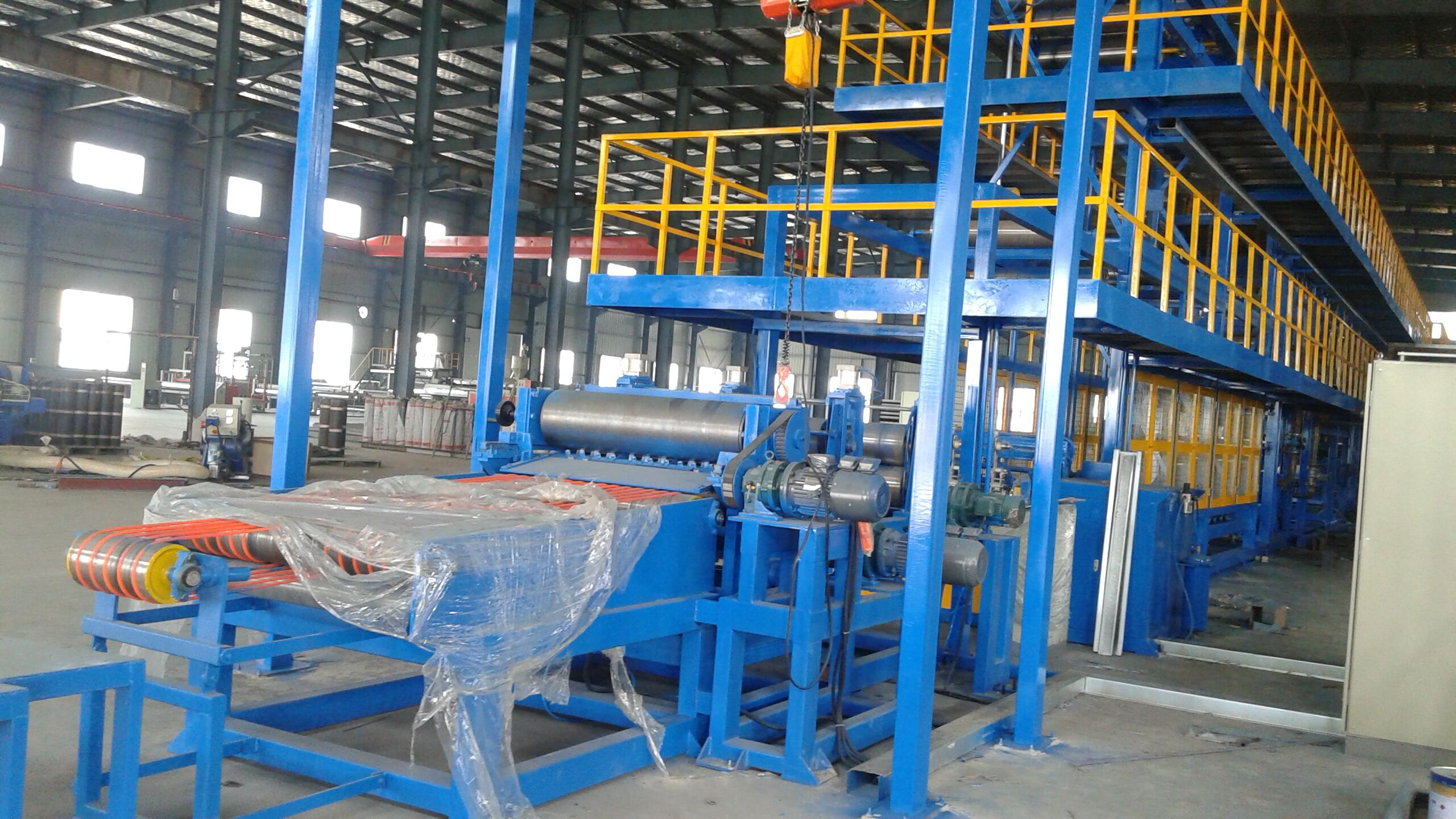
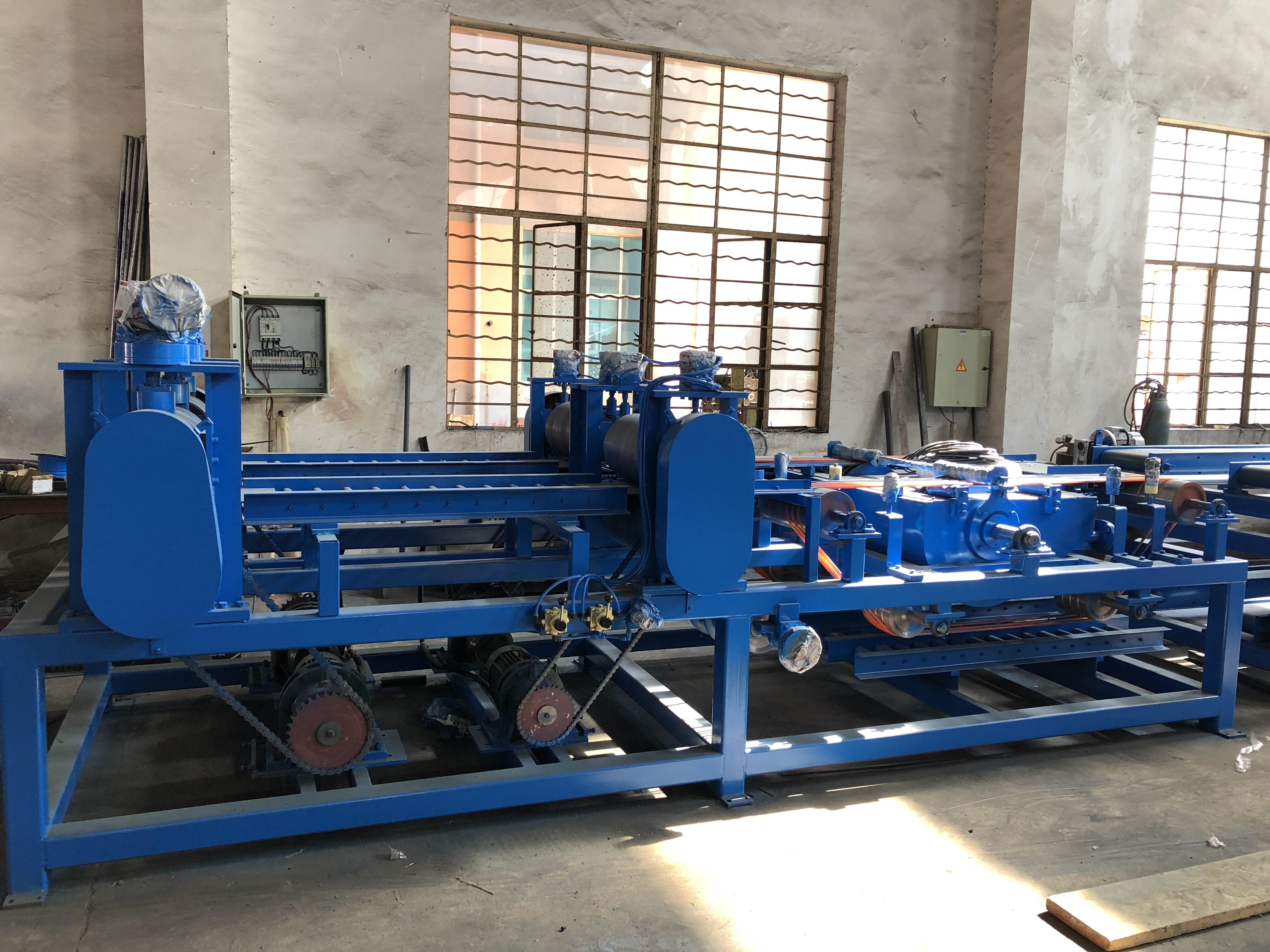
rectangular shingle cutting roller
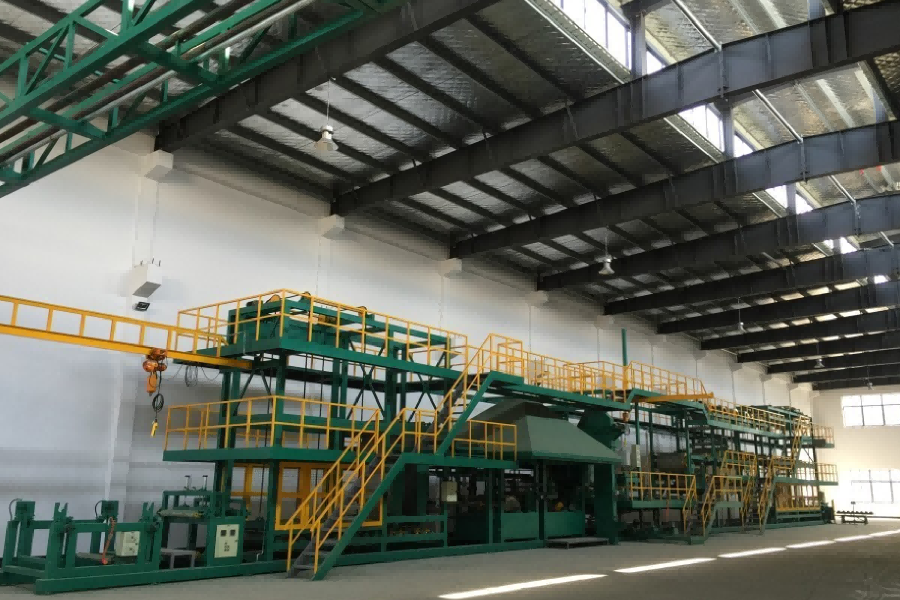
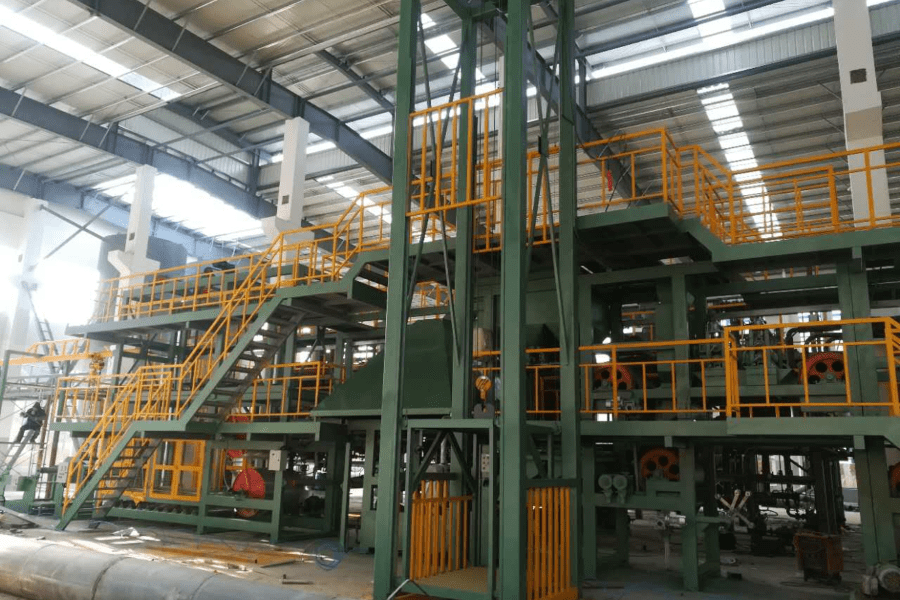
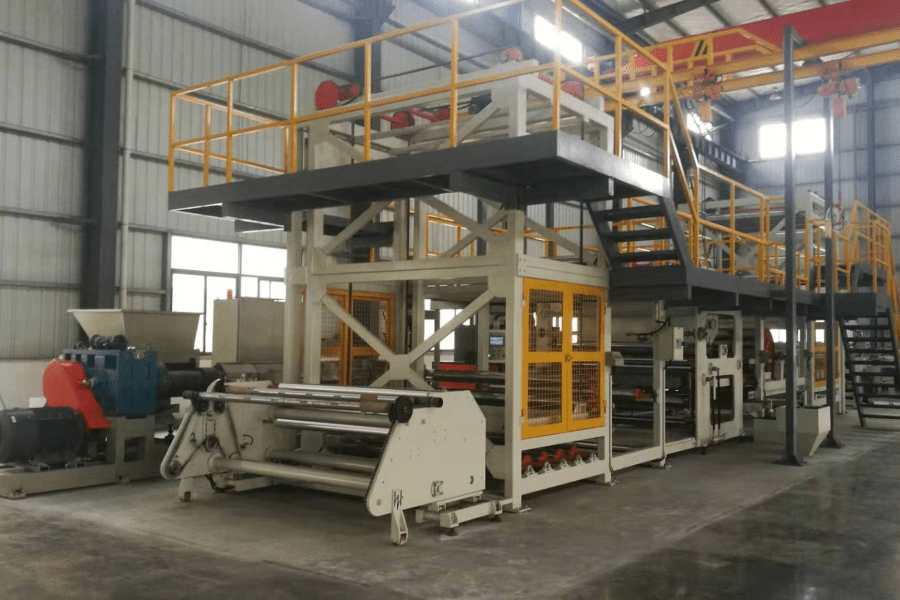
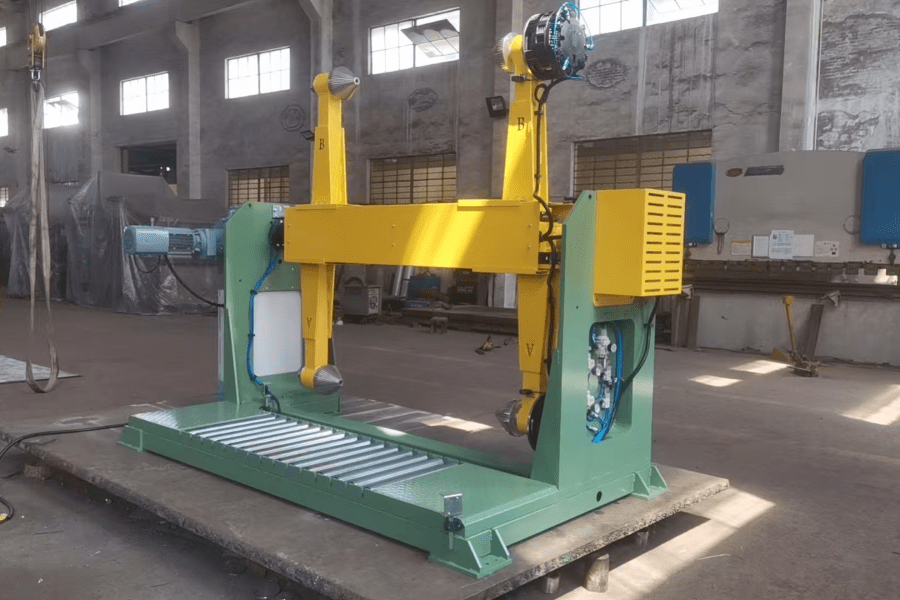
The rectangular shingle cutting roller represents a specialized piece of industrial equipment designed specifically for the precise cutting and shaping of rectangular shingles in roofing material production. This sophisticated machinery combines advanced mechanical engineering with cutting-edge technology to deliver consistent, high-quality results in manufacturing environments. The rectangular shingle cutting roller operates through a systematic process that transforms raw roofing materials into perfectly shaped rectangular shingles with precise dimensions and clean edges. The primary function of this equipment centers on its ability to cut large sheets of roofing material into uniform rectangular sections that meet industry standards for size, thickness, and edge quality. The machine utilizes a series of rotating cutting cylinders equipped with sharp, durable blades that move in synchronized patterns to achieve clean, straight cuts across the material surface. These cutting rollers are engineered with precision-machined components that maintain consistent pressure and cutting depth throughout the entire operation. The technological features of the rectangular shingle cutting roller include programmable control systems that allow operators to adjust cutting dimensions, speed settings, and pressure parameters based on specific material requirements. Modern versions incorporate digital displays, automated feeding mechanisms, and safety sensors that monitor the cutting process continuously. The equipment typically features adjustable guides and positioning systems that ensure materials are properly aligned before cutting begins. Applications for the rectangular shingle cutting roller span across various industries, including asphalt shingle manufacturing, composite roofing material production, and specialty building material fabrication. Construction material manufacturers rely on this equipment to produce consistent, high-volume quantities of rectangular shingles that meet architectural specifications and building codes. The machine proves particularly valuable in commercial production facilities where uniformity and efficiency are paramount to meeting customer demands and maintaining competitive pricing in the marketplace.

 EN
EN