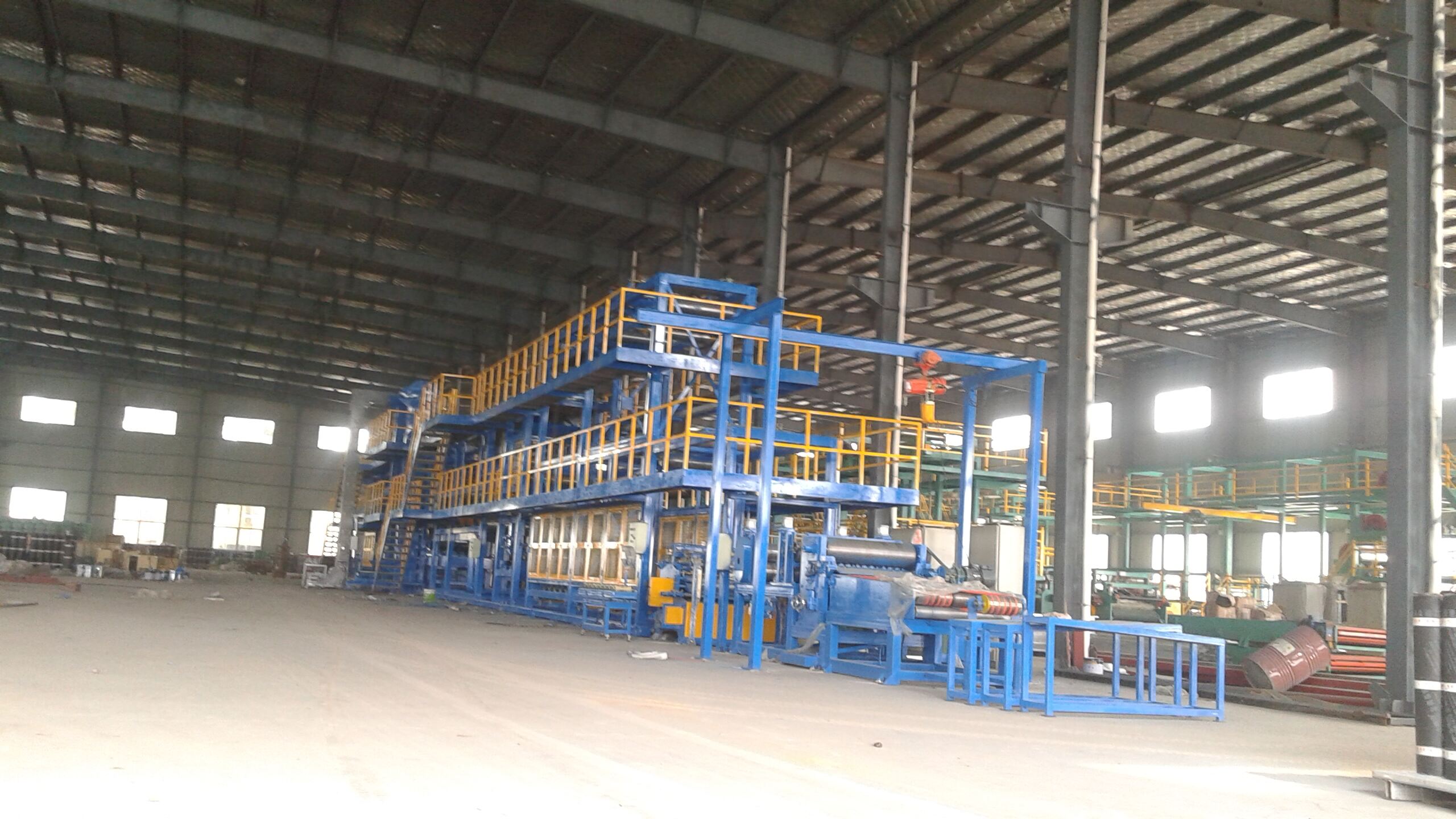
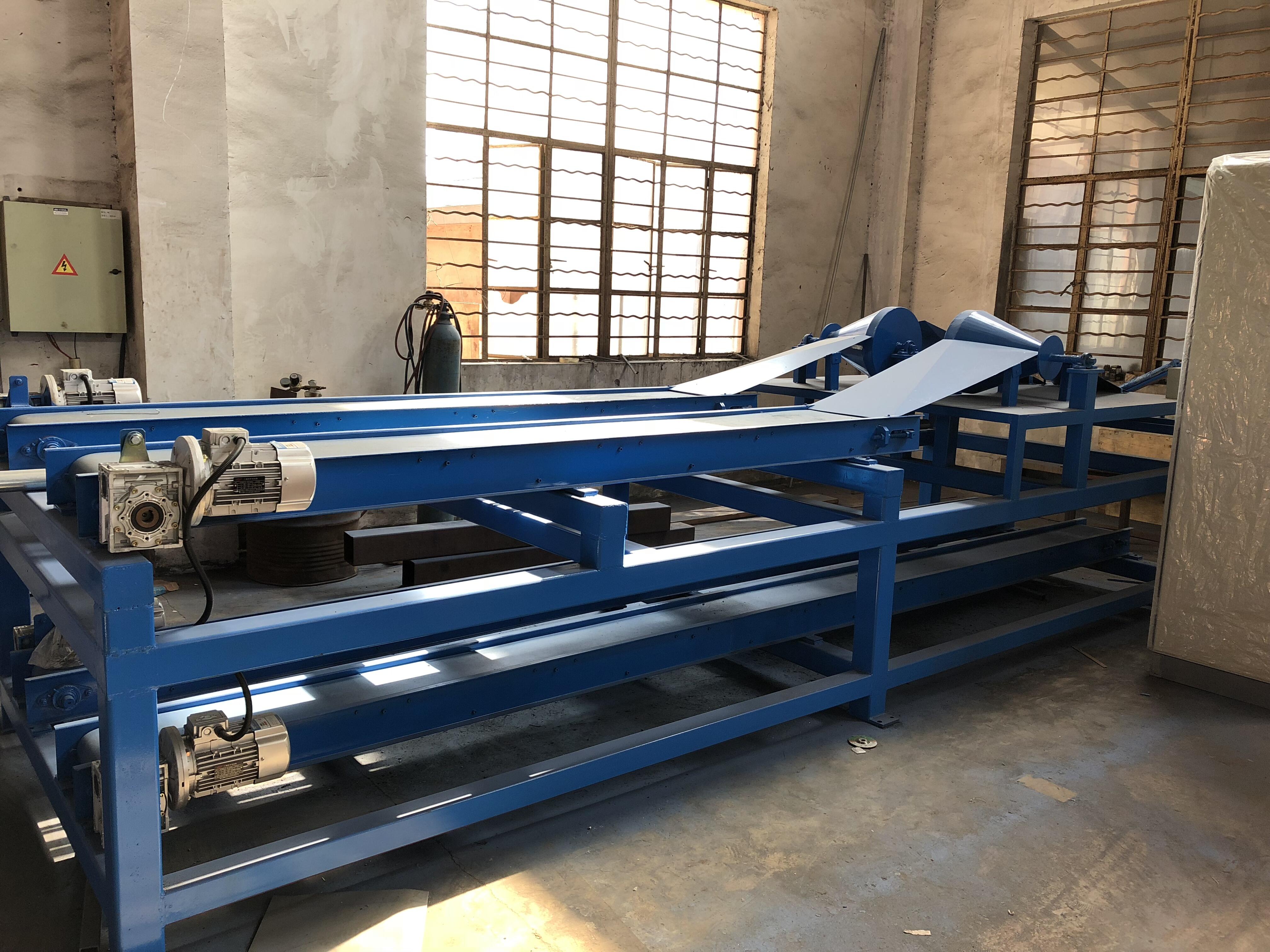
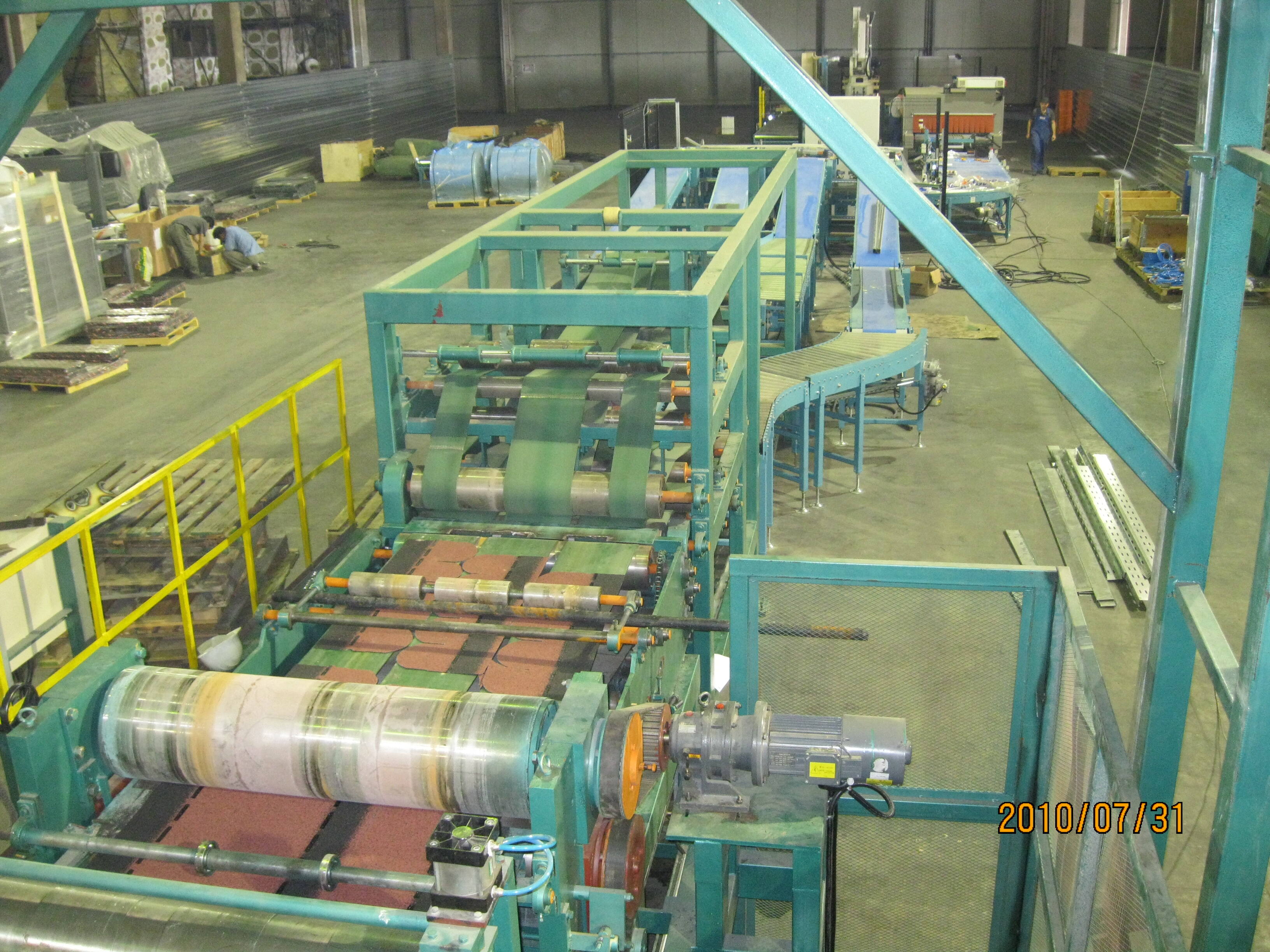
hexagonal shingle cutting roller
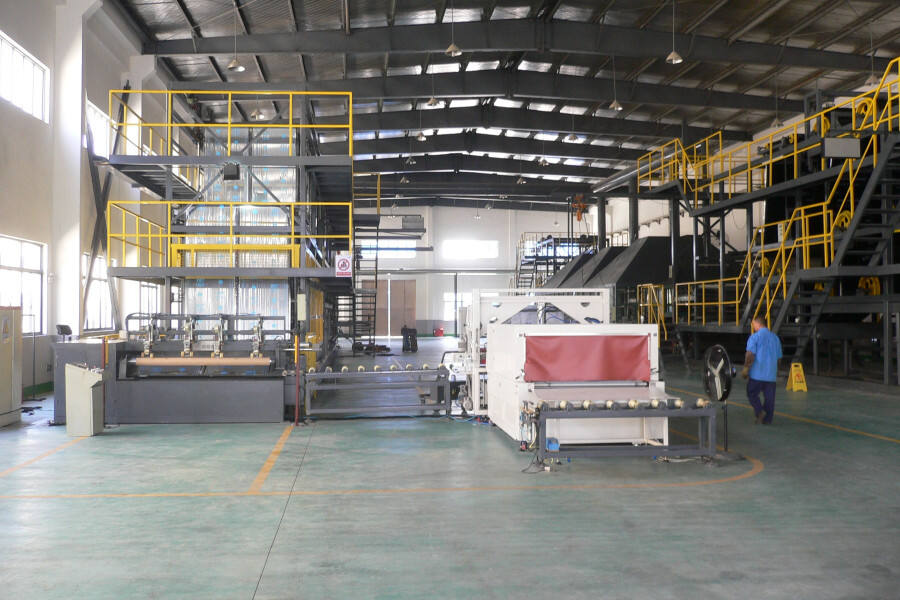
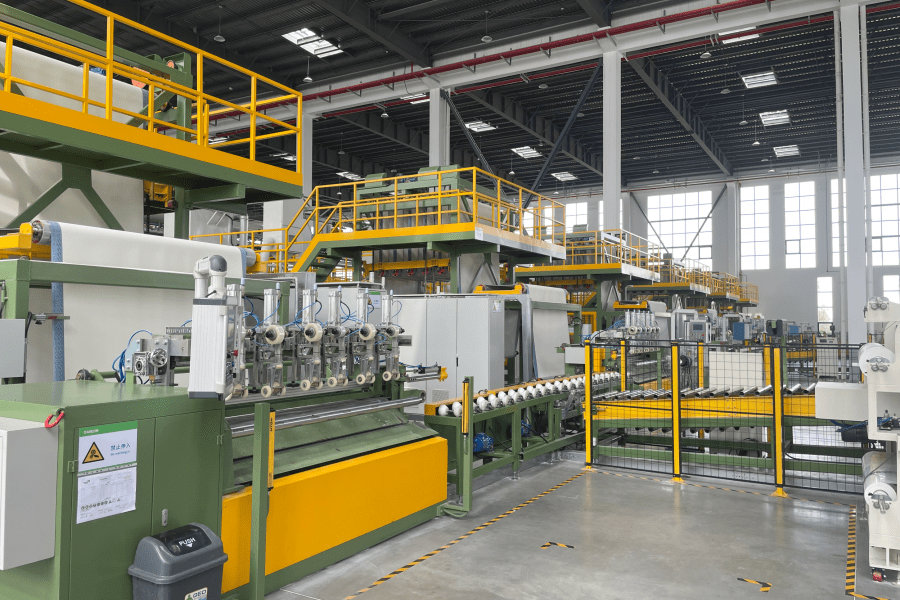
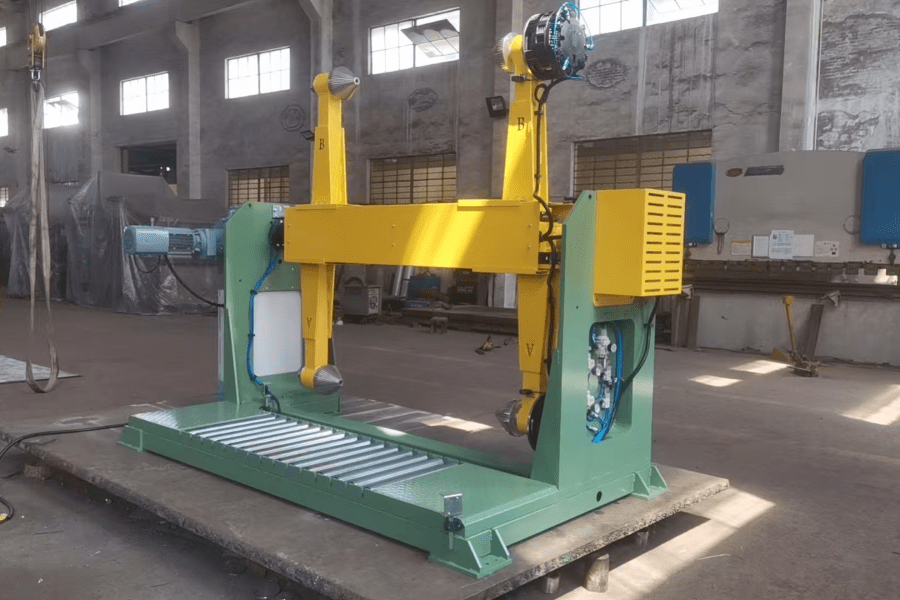
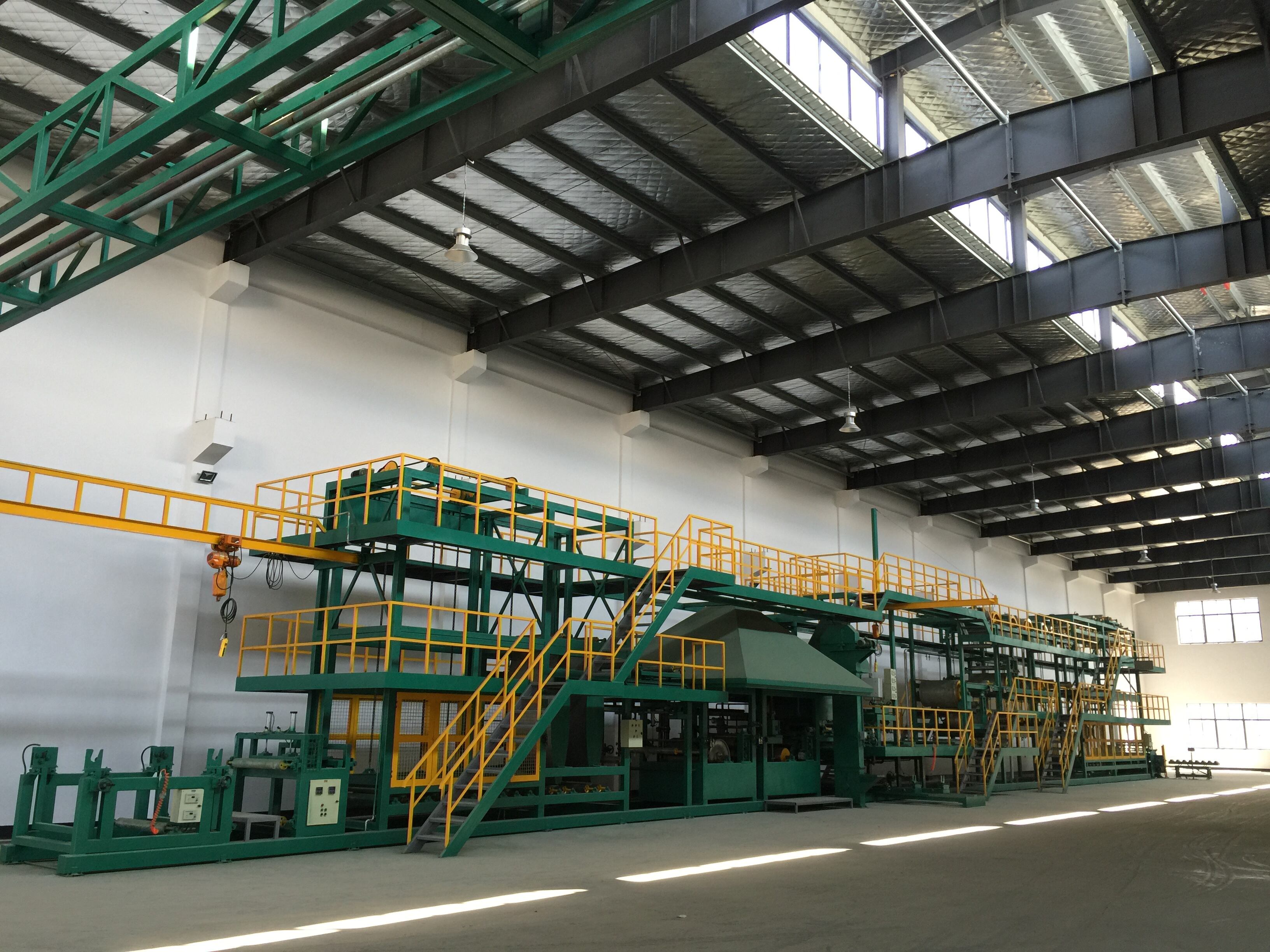
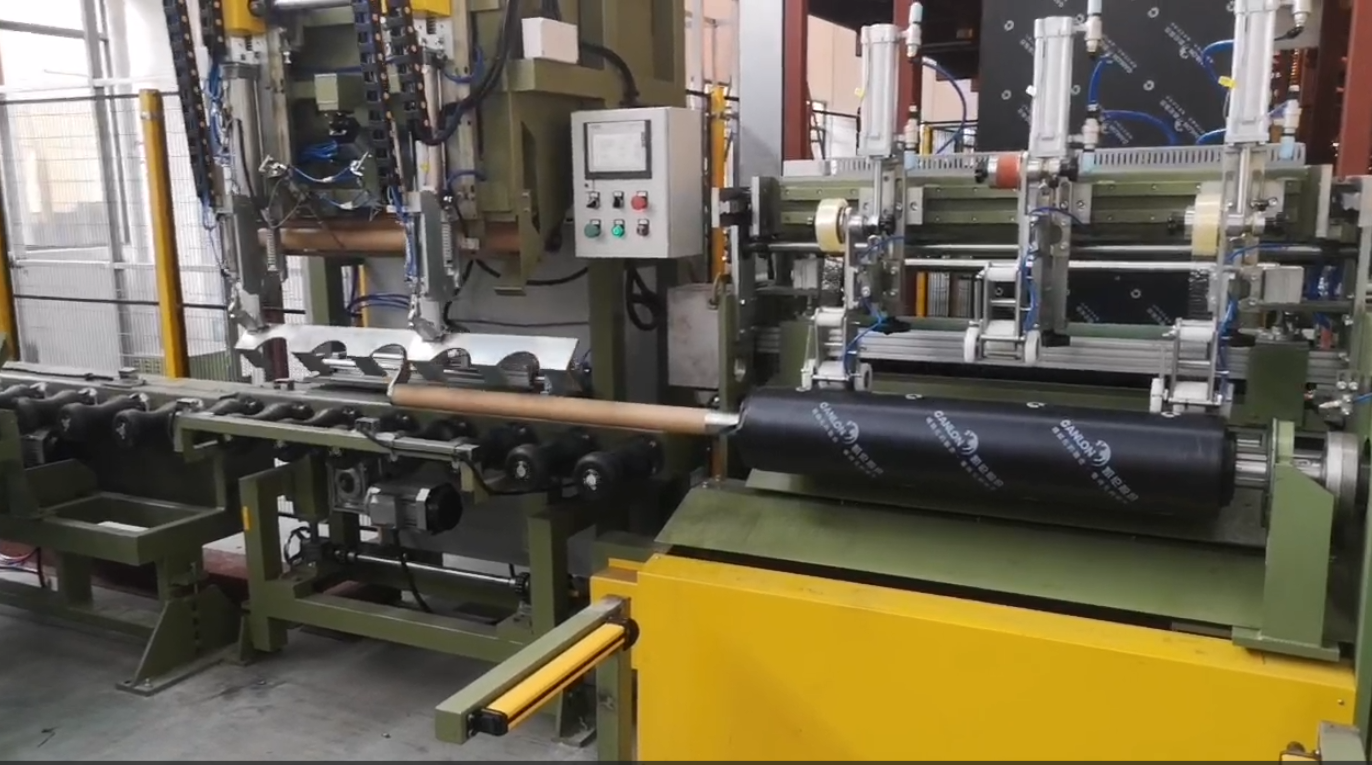
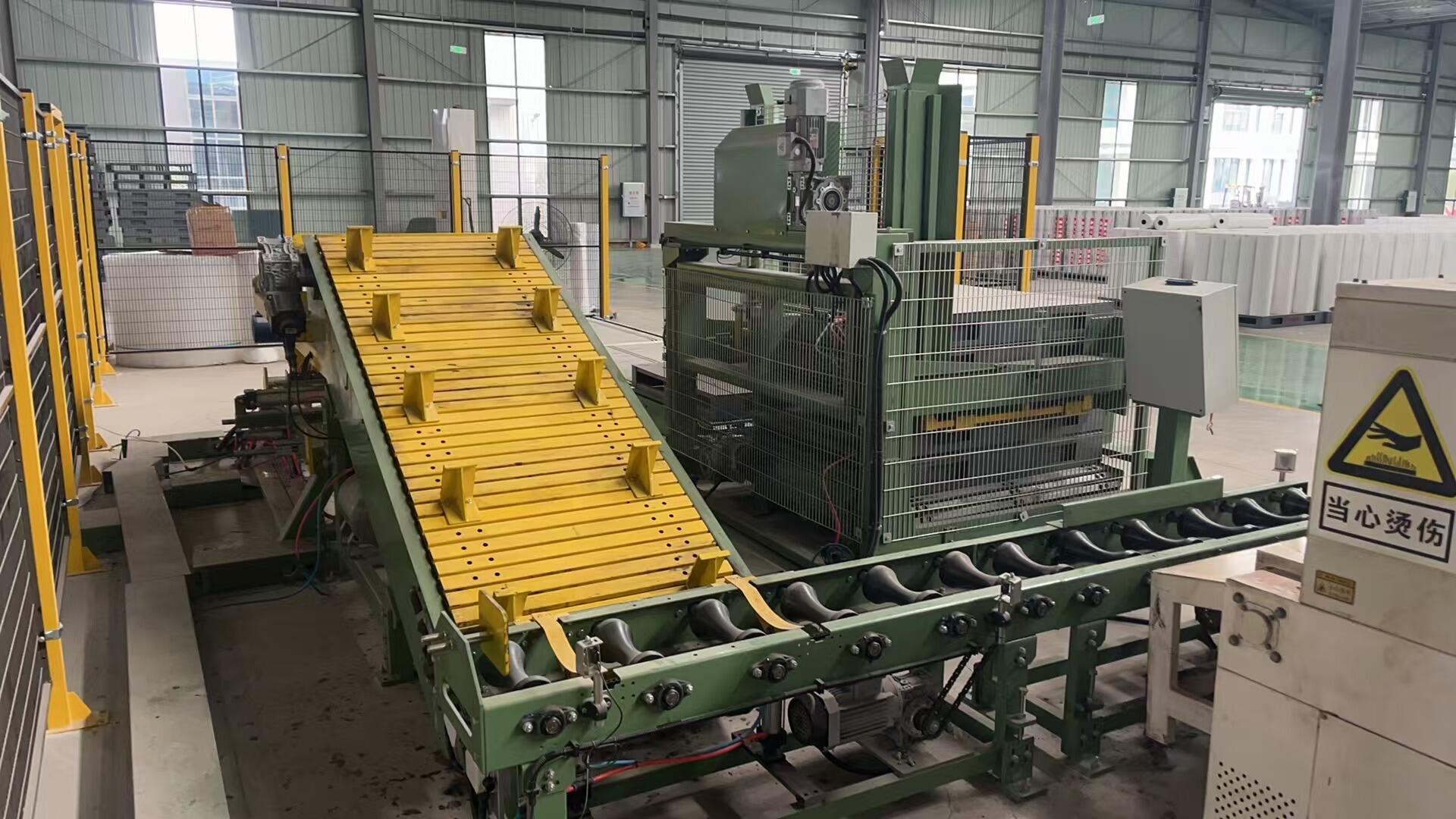
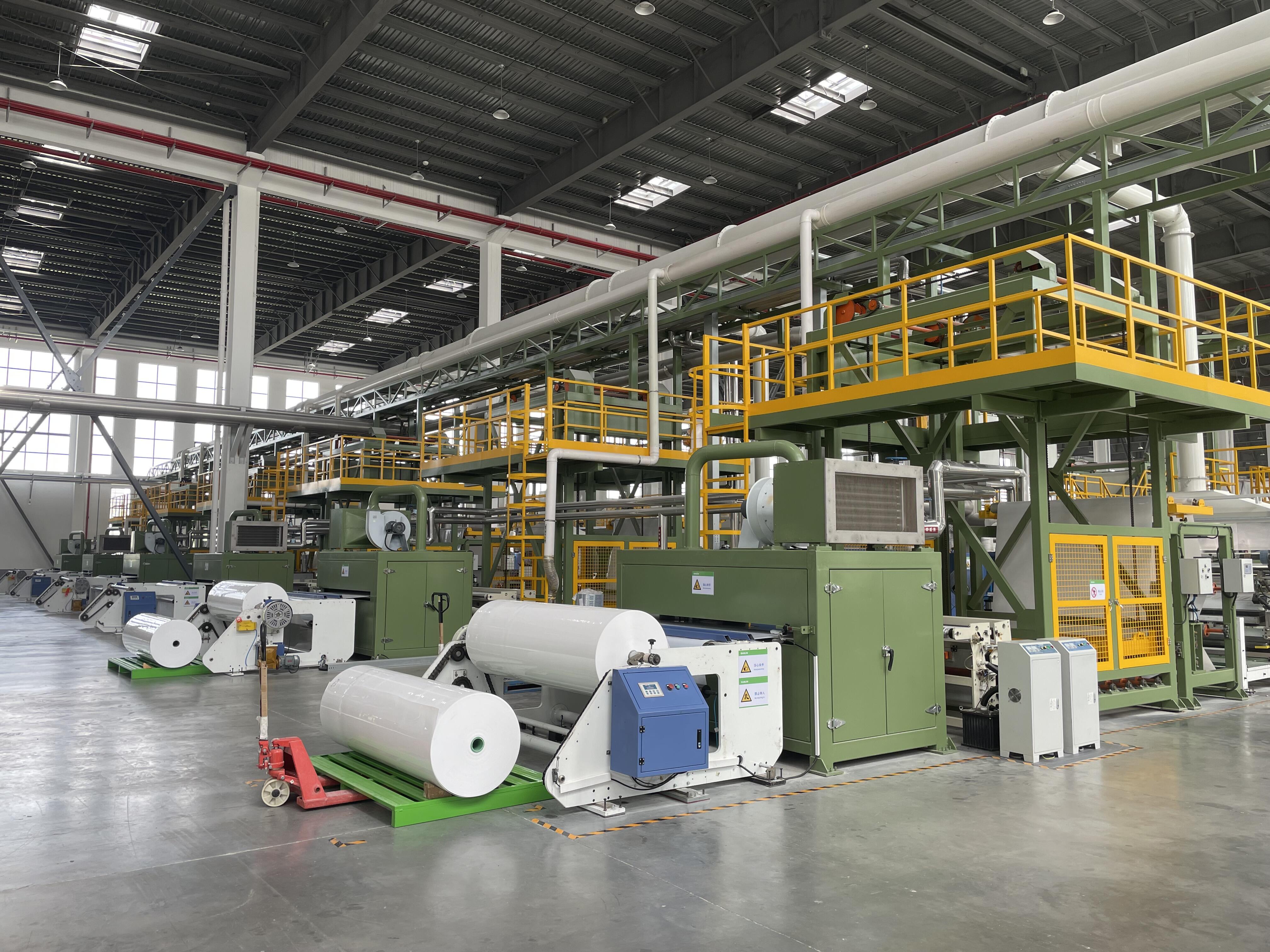
The hexagonal shingle cutting roller represents a revolutionary advancement in roofing material processing technology, specifically designed to transform the manufacturing and installation of hexagonal asphalt shingles. This sophisticated piece of equipment serves as the cornerstone of modern shingle production lines, delivering precision cutting capabilities that ensure consistent quality and dimensional accuracy across every piece produced. The hexagonal shingle cutting roller operates through a combination of high-grade steel construction and computer-controlled mechanisms that work together to create perfectly shaped hexagonal shingles with clean, precise edges. The main functions of this cutting roller include pattern cutting, edge finishing, waste reduction, and quality control throughout the production process. Its technological features encompass advanced blade systems that maintain sharpness over extended periods, hydraulic pressure controls for consistent cutting force, and automated feeding mechanisms that ensure continuous operation. The roller incorporates state-of-the-art sensors that monitor cutting precision and automatically adjust parameters to maintain optimal performance standards. Temperature control systems prevent overheating during intensive operations, while dust collection units maintain clean working environments. Applications for the hexagonal shingle cutting roller span across commercial roofing manufacturers, construction material suppliers, and specialized roofing contractors who require high-volume production capabilities. The equipment proves invaluable in facilities producing architectural shingles, premium roofing materials, and custom hexagonal designs for specialized projects. Manufacturing plants utilize these rollers to process various materials including fiberglass-backed shingles, organic mat shingles, and composite roofing materials. The versatility of the hexagonal shingle cutting roller extends to processing different thicknesses and densities of materials, making it suitable for both standard residential applications and heavy-duty commercial roofing projects. Quality assurance departments rely on the consistent output of these machines to maintain product standards and meet industry certifications.

 EN
EN