 EN
EN
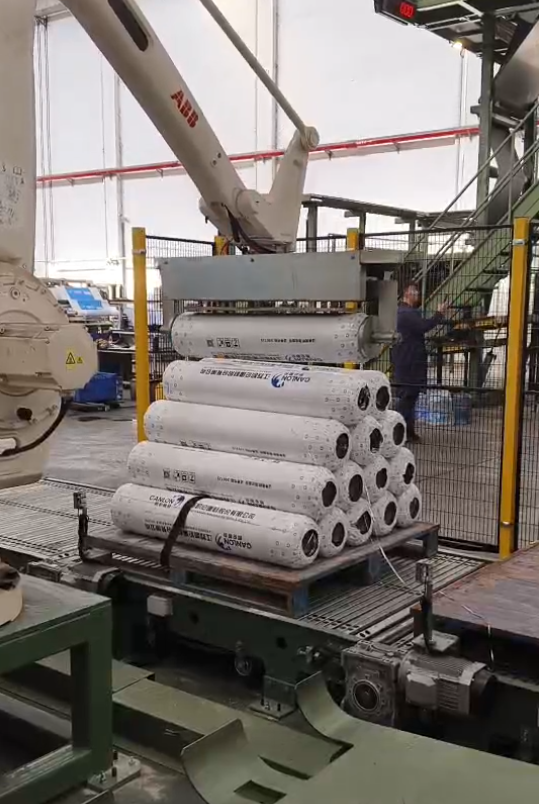
Selecting the right asphalt shingle production line represents one of the most critical investment decisions for roofing manufacturers. The process involves evaluating complex technical specifications, production capacity requirements, and long-term operational considerations that will directly impact your manufacturing efficiency and product quality. Understanding the key selection criteria ensures your chosen asphalt shingle production line aligns with both current market demands and future expansion plans.
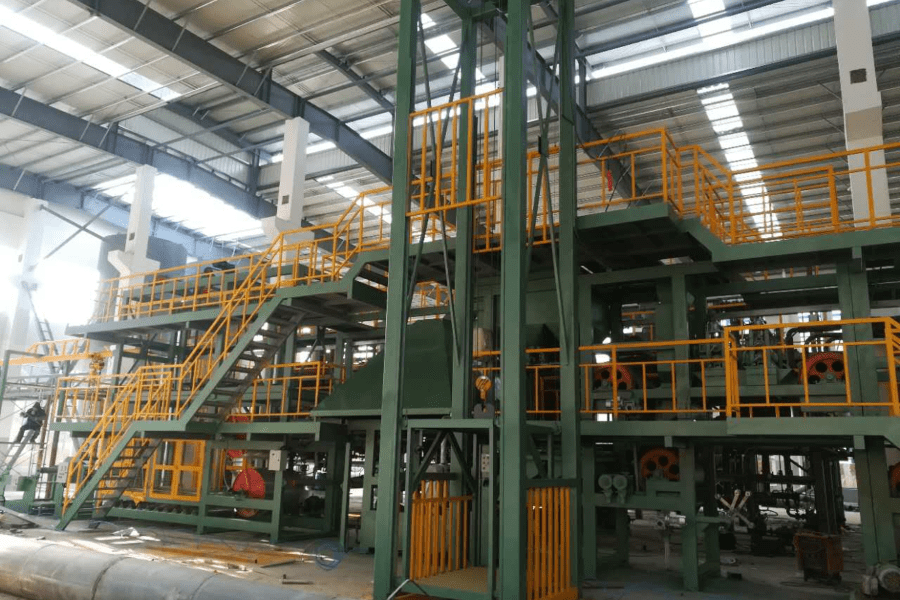
The decision-making process requires a systematic approach that balances initial capital investment with operational efficiency, production flexibility, and quality control capabilities. Modern asphalt shingle production lines incorporate advanced automation technologies, energy-efficient heating systems, and precise material handling mechanisms that significantly influence overall manufacturing performance. By examining these fundamental aspects methodically, manufacturers can make informed choices that optimize their production operations and market competitiveness.
Production Capacity and Throughput Requirements
Determining Your Market Demand
Accurate market demand assessment forms the foundation for selecting an appropriately sized asphalt shingle production line. Manufacturers must analyze historical sales data, projected market growth, and seasonal demand variations to establish realistic production capacity requirements. This analysis should consider both current customer commitments and anticipated market expansion opportunities that could influence future production needs.
Market research should encompass regional construction trends, residential roofing replacement cycles, and competitive landscape dynamics that affect shingle demand patterns. Understanding these factors helps determine whether your asphalt shingle production line should prioritize high-volume output or flexible batch processing capabilities to accommodate varying order sizes and product specifications.
Production Line Speed and Efficiency
Production line speed directly correlates with manufacturing throughput and operational profitability. Modern asphalt shingle production lines typically operate at speeds ranging from 50 to 200 feet per minute, depending on product complexity and quality requirements. Higher speeds require more sophisticated control systems and precise material handling to maintain consistent product quality throughout the manufacturing process.
Efficiency considerations extend beyond raw production speed to include setup time, changeover procedures, and maintenance downtime. An efficient asphalt shingle production line minimizes these non-productive periods through automated adjustment systems, quick-change tooling, and predictive maintenance capabilities that maximize actual production hours per shift.
Scalability and Future Expansion
Planning for future growth ensures your asphalt shingle production line investment remains viable as market conditions evolve. Modular production line designs allow manufacturers to add processing stations, upgrade control systems, or increase material handling capacity without completely replacing existing equipment. This scalability reduces long-term capital requirements while maintaining production flexibility.
Expansion considerations should evaluate space requirements, utility infrastructure, and integration capabilities with existing manufacturing systems. A well-planned asphalt shingle production line layout accommodates future equipment additions and process improvements without disrupting current operations or requiring extensive facility modifications.
Technology and Automation Features
Control System Sophistication
Advanced control systems distinguish modern asphalt shingle production lines from conventional manufacturing equipment. Programmable logic controllers, human-machine interfaces, and integrated data collection systems provide real-time monitoring and adjustment capabilities that optimize production parameters automatically. These systems reduce operator intervention while maintaining consistent product quality and process efficiency.
Control system features should include recipe management, statistical process control, and predictive maintenance alerts that support continuous improvement initiatives. Sophisticated asphalt shingle production line control systems also provide production reporting, energy consumption monitoring, and quality trend analysis that inform operational decision-making and process optimization efforts.
Material Handling and Feeding Systems
Automated material handling systems ensure consistent raw material delivery and reduce manual labor requirements throughout the production process. Modern asphalt shingle production lines incorporate pneumatic conveying, precision weighing, and automated feeding systems that maintain accurate material ratios and minimize waste generation. These systems improve product consistency while reducing operational costs.
Feeding system reliability directly impacts overall production line efficiency and product quality. Well-designed material handling systems include backup feeders, flow monitoring, and contamination prevention measures that maintain consistent material supply even during equipment maintenance or supply disruptions.
Quality Control Integration
Integrated quality control systems provide continuous monitoring of critical product parameters throughout the manufacturing process. Online thickness measurement, weight monitoring, and surface quality inspection systems detect deviations immediately, allowing rapid corrective action before significant quantities of defective product are produced. This integration reduces waste and maintains consistent product specifications.
Quality control integration extends to data logging and statistical analysis capabilities that support continuous improvement initiatives. Modern asphalt shingle production line systems provide comprehensive quality reports, trend analysis, and process capability studies that inform quality management and customer satisfaction programs.
Equipment Configuration and Layout
Space Requirements and Facility Planning
Proper facility planning ensures optimal asphalt shingle production line performance and operational efficiency. Equipment layout must accommodate material flow, maintenance access, and safety requirements while minimizing space utilization and construction costs. Effective planning considers both current production needs and future expansion possibilities within existing facility constraints.
Facility requirements include adequate ceiling height for material handling systems, proper ventilation for process emissions, and sufficient utility capacity for heating and control systems. An optimized asphalt shingle production line layout minimizes material transport distances, reduces bottlenecks, and provides clear sight lines for operational oversight and safety monitoring.
Processing Station Configuration
Processing station configuration determines production flexibility and product variety capabilities. Modular station designs allow manufacturers to produce different shingle styles, thicknesses, and surface treatments without extensive changeover procedures. This flexibility supports diverse product portfolios and rapid response to changing market demands.
Station configuration should consider material flow continuity, thermal management, and quality control access points throughout the production process. Well-configured asphalt shingle production line stations maintain optimal processing conditions while providing operators with clear visibility and control over critical production parameters.
Maintenance Access and Safety Features
Accessible maintenance design reduces downtime and operational costs while ensuring safe working conditions for maintenance personnel. Modern asphalt shingle production lines incorporate removable guards, hinged access panels, and elevated maintenance platforms that provide safe access to all equipment components. These features streamline routine maintenance procedures and facilitate rapid troubleshooting.
Safety features should include emergency stop systems, lockout/tagout provisions, and protective equipment that meet applicable safety standards. Comprehensive safety design protects operators and maintenance personnel while maintaining compliance with occupational health and safety regulations throughout the production facility.
Energy Efficiency and Environmental Considerations
Heating System Efficiency
Energy-efficient heating systems significantly impact operational costs and environmental performance of asphalt shingle production lines. Modern systems incorporate heat recovery, improved insulation, and precise temperature control that minimize energy consumption while maintaining optimal processing conditions. These improvements reduce utility costs and support sustainability objectives.
Heating system selection should evaluate fuel options, thermal efficiency ratings, and maintenance requirements that affect long-term operational costs. Advanced asphalt shingle production line heating systems provide uniform temperature distribution, rapid response to process changes, and reduced emissions compared to conventional heating methods.
Waste Reduction and Material Recovery
Effective waste reduction systems minimize raw material consumption and disposal costs while supporting environmental compliance objectives. Modern asphalt shingle production lines incorporate trim recovery, recycling systems, and process optimization that reduce waste generation throughout the manufacturing process. These systems improve material utilization efficiency and reduce environmental impact.
Material recovery systems should include automated collection, reprocessing capabilities, and quality control measures that ensure recovered materials meet production specifications. Well-designed recovery systems integrate seamlessly with primary production processes without compromising product quality or operational efficiency.
Emission Control and Compliance
Environmental compliance requirements influence asphalt shingle production line design and operational procedures. Emission control systems must address volatile organic compounds, particulate matter, and thermal emissions according to applicable regulatory standards. Effective control systems protect air quality while maintaining operational efficiency and regulatory compliance.
Compliance considerations should encompass monitoring systems, reporting requirements, and future regulatory trends that may affect operational procedures. Proactive environmental management ensures sustained production capability while demonstrating corporate responsibility and community stewardship.
Cost Analysis and Return on Investment
Initial Capital Investment
Comprehensive capital investment analysis includes equipment costs, installation expenses, facility modifications, and startup training requirements. Total investment calculations should encompass all direct and indirect costs associated with implementing a new asphalt shingle production line. This analysis provides the foundation for evaluating financing options and project feasibility.
Investment analysis should consider equipment financing terms, tax implications, and depreciation schedules that affect cash flow and profitability projections. Accurate capital cost estimation ensures adequate funding arrangements and realistic return on investment expectations for the asphalt shingle production line project.
Operating Cost Projections
Operating cost projections encompass raw materials, energy consumption, labor requirements, and maintenance expenses throughout the equipment lifecycle. Detailed cost modeling helps manufacturers evaluate different asphalt shingle production line configurations and identify optimization opportunities that improve long-term profitability. These projections inform operational planning and pricing strategies.
Cost projections should include sensitivity analysis for key variables such as energy prices, material costs, and production volumes. This analysis identifies potential risks and opportunities that could affect operational profitability and investment returns over the equipment's service life.
Payback Period and Profitability
Payback period analysis evaluates how quickly the asphalt shingle production line investment generates sufficient cash flow to recover initial capital costs. This analysis considers production revenue, operating costs, and financing expenses to determine investment attractiveness compared to alternative business opportunities. Shorter payback periods generally indicate more attractive investment prospects.
Profitability analysis should extend beyond simple payback calculations to include net present value, internal rate of return, and sensitivity analysis for key assumptions. Comprehensive financial evaluation ensures investment decisions align with corporate financial objectives and risk tolerance levels.
FAQ
What production capacity should I consider for my first asphalt shingle production line?
For initial installations, consider starting with a production capacity that matches 70-80% of your current market demand to allow for growth while avoiding over-investment. Most manufacturers find that asphalt shingle production lines with capacities between 100,000 to 300,000 square feet per month provide good flexibility for small to medium-sized operations. This range allows room for market expansion while maintaining efficient utilization rates that support profitability.
How important is automation in an asphalt shingle production line?
Automation significantly impacts both product quality and operational efficiency in modern asphalt shingle production lines. Automated systems provide consistent material handling, precise temperature control, and continuous quality monitoring that manual operations cannot match. While automation increases initial investment costs, it typically reduces labor expenses, improves product consistency, and enables higher production speeds that justify the additional investment through improved competitiveness and profitability.
What maintenance requirements should I expect with an asphalt shingle production line?
Regular maintenance requirements include daily cleaning, weekly lubrication, monthly calibration checks, and quarterly comprehensive inspections of all major components. Most asphalt shingle production lines require approximately 2-4 hours of daily maintenance activities and 8-16 hours of weekly preventive maintenance. Planning for 5-10% downtime for scheduled maintenance ensures optimal performance and extends equipment life while minimizing unexpected breakdowns.
How do I evaluate the quality of different asphalt shingle production line manufacturers?
Evaluate manufacturers based on their industry experience, reference installations, technical support capabilities, and spare parts availability. Request facility visits to existing installations, review performance data from similar applications, and assess the manufacturer's financial stability and long-term viability. Consider factors such as training programs, warranty terms, and local service support that will affect long-term operational success and equipment reliability.
Table of Contents
- Production Capacity and Throughput Requirements
- Technology and Automation Features
- Equipment Configuration and Layout
- Energy Efficiency and Environmental Considerations
- Cost Analysis and Return on Investment
-
FAQ
- What production capacity should I consider for my first asphalt shingle production line?
- How important is automation in an asphalt shingle production line?
- What maintenance requirements should I expect with an asphalt shingle production line?
- How do I evaluate the quality of different asphalt shingle production line manufacturers?