
 EN
EN
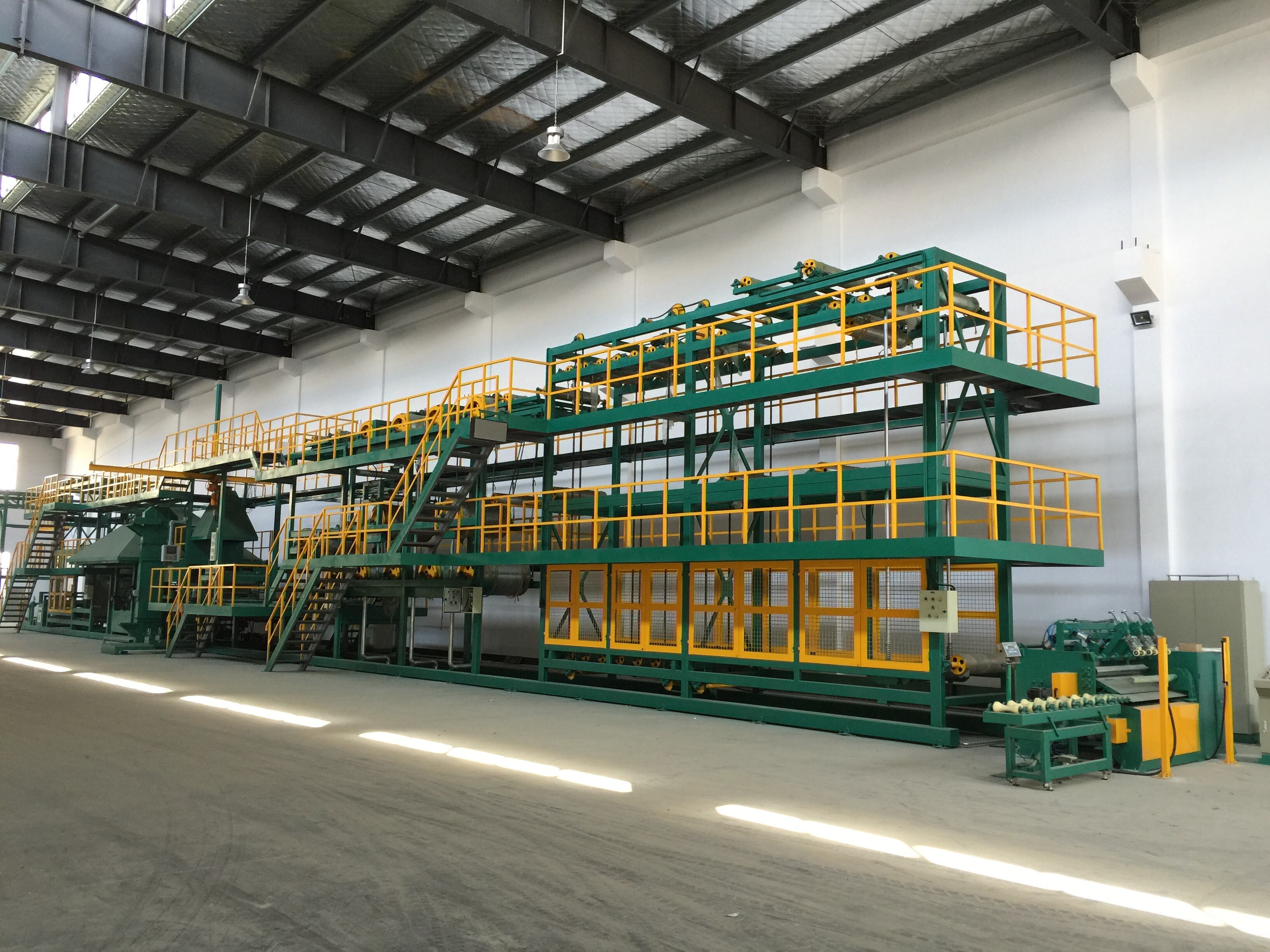
Modern waterproofing applications increasingly demand versatile manufacturing capabilities, particularly when facilities need to adapt their existing equipment for different polymer formulations. The transition from traditional atactic polypropylene (APP) membranes to atactic poly-alpha-olefin (APAO) blends represents a significant advancement in waterproofing technology. This shift requires careful evaluation of equipment compatibility, process modifications, and quality control measures to ensure seamless production transitions.
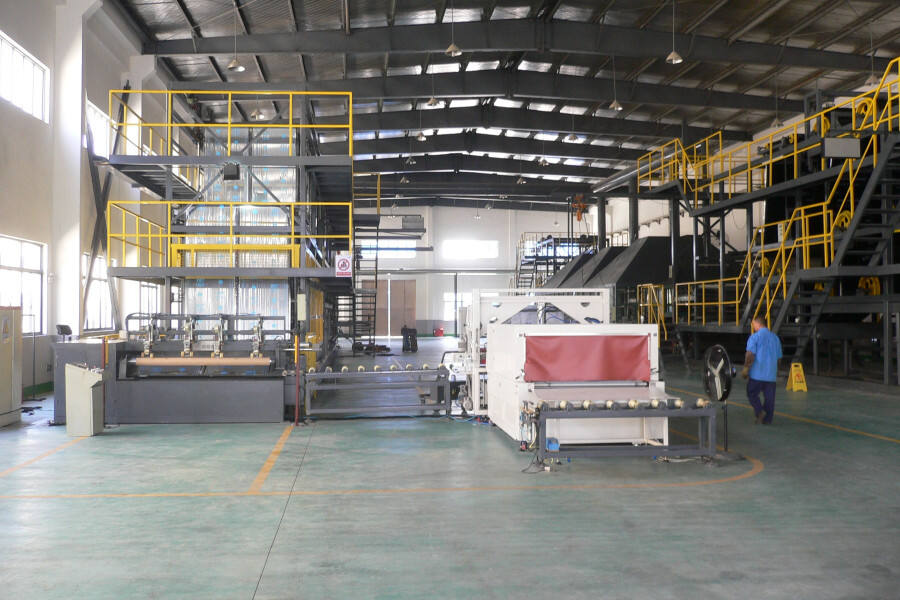
The compatibility between existing manufacturing equipment and new polymer formulations depends heavily on the technical specifications of the production line infrastructure. APAO blends typically exhibit different melting points, viscosity characteristics, and processing temperatures compared to traditional APP formulations. These differences necessitate thorough assessment of heating systems, mixing capabilities, and temperature control mechanisms within the existing production setup.
Understanding APAO Blend Characteristics
Chemical Properties and Performance Benefits
APAO blends offer superior flexibility and adhesion properties compared to conventional APP formulations, making them increasingly popular in waterproofing applications. These advanced polymer combinations maintain their performance characteristics across wider temperature ranges, providing enhanced durability in extreme weather conditions. The molecular structure of APAO allows for better integration with various reinforcement materials, resulting in membranes with improved tensile strength and elongation properties.
The processing characteristics of APAO blends require specific attention to temperature control and mixing parameters. Unlike traditional APP materials, APAO formulations often demonstrate different flow properties during the manufacturing process. These variations can affect coating uniformity, thickness consistency, and overall product quality if not properly managed through appropriate equipment adjustments.
Temperature Requirements and Processing Conditions
Successful APAO blend processing typically requires precise temperature control throughout the entire manufacturing cycle. The optimal processing temperature for APAO formulations often differs from APP materials by 15-25 degrees Celsius, necessitating calibration of heating systems and thermal management equipment. This temperature differential directly impacts energy consumption patterns and production cycle timing within the existing APP membrane production line infrastructure.
Viscosity management becomes particularly critical when transitioning to APAO blends, as these materials often exhibit different rheological properties during processing. The mixing equipment must accommodate these variations while maintaining consistent dispersion of additives, fillers, and reinforcement materials. Proper viscosity control ensures uniform coating application and prevents defects that could compromise membrane performance in field applications.
Equipment Compatibility Assessment
Heating System Modifications
The heating infrastructure of an existing APP membrane production line requires thorough evaluation before implementing APAO blend processing. Most APAO formulations demand more precise temperature control zones and potentially higher maximum temperatures compared to traditional APP materials. This may necessitate upgrading heating elements, installing additional temperature sensors, or modifying thermal control systems to accommodate the new processing requirements.
Heat distribution uniformity becomes increasingly important when processing APAO blends, as temperature variations can lead to inconsistent polymer behavior and product quality issues. The existing heat transfer mechanisms must be assessed for their ability to maintain stable temperatures across the entire processing width. Some facilities may require installation of additional heating zones or modification of existing heat distribution systems to ensure optimal APAO blend processing.
Mixing and Conveying Equipment Evaluation
The mixing capabilities of current equipment must be evaluated against the specific requirements of APAO blend formulations. These advanced polymer systems often require different mixing speeds, residence times, and shear rates compared to conventional APP materials. The existing mixing equipment should be assessed for its ability to achieve proper dispersion of APAO components while maintaining temperature stability throughout the mixing process.
Conveying systems within the APP membrane production line may require modifications to accommodate the different flow characteristics of APAO blends. The material handling equipment, including pumps, pipes, and distribution manifolds, must be compatible with the viscosity and temperature requirements of APAO formulations. Some components may require upgrading or replacement to ensure reliable material flow and consistent production quality.
Process Optimization Strategies
Production Parameter Adjustments
Transitioning to APAO blend production requires systematic optimization of key processing parameters to achieve consistent product quality. Line speed adjustments are typically necessary to accommodate the different curing characteristics of APAO formulations compared to traditional APP materials. The production team must establish new baseline parameters through controlled testing and gradual optimization procedures.
Quality control protocols must be adapted to address the unique characteristics of APAO blend membranes. This includes modification of testing procedures, acceptance criteria, and inspection intervals to ensure compliance with performance specifications. The APP membrane production line control systems may require programming updates to accommodate new process parameters and quality monitoring requirements.
Material Handling Considerations
APAO blend storage and handling requirements often differ significantly from traditional APP materials, necessitating evaluation of existing material management systems. Storage temperature requirements, contamination prevention measures, and inventory rotation procedures must be reviewed and potentially modified to maintain APAO blend quality before processing. Proper material conditioning prior to production becomes critical for achieving consistent results.
The feeding systems for APAO blends may require modifications to ensure accurate material metering and consistent flow rates. These formulations often exhibit different bulk density and flow characteristics compared to APP materials, potentially affecting the accuracy of existing volumetric or gravimetric feeding systems. Calibration procedures and control algorithms may need adjustment to maintain precise material ratios throughout production runs.
Quality Control and Testing Protocols
Performance Verification Methods
APAO blend membranes require specific testing protocols to verify their performance characteristics and ensure compliance with industry standards. The existing quality control infrastructure must be evaluated for its capability to perform relevant tests including adhesion strength, flexibility, and thermal stability assessments. Some testing equipment may require calibration or upgrade to accommodate the unique properties of APAO blend materials.
In-line monitoring systems may need enhancement to provide real-time feedback on critical parameters during APAO blend processing. Temperature monitoring, thickness measurement, and visual inspection systems should be optimized for the characteristics of APAO formulations. This ensures immediate detection of process variations that could affect product quality or performance in field applications.
Documentation and Compliance Requirements
The transition to APAO blend production requires comprehensive documentation of all process modifications and quality control procedures. This documentation supports regulatory compliance, customer specifications, and internal quality management systems. The existing quality management framework must be updated to include APAO-specific procedures, testing requirements, and acceptance criteria.
Training programs for production personnel must address the unique aspects of APAO blend processing, including safety considerations, process control requirements, and troubleshooting procedures. This ensures consistent execution of modified procedures and maintains product quality throughout the transition period and ongoing production operations.
Economic Considerations and Implementation Timeline
Cost-Benefit Analysis
The economic viability of converting an existing APP membrane production line to accommodate APAO blends depends on several factors including modification costs, market demand, and potential revenue enhancement. Initial investment requirements typically include equipment upgrades, process optimization, and training costs. These expenses must be weighed against the potential for expanded market opportunities and improved product margins.
Long-term operational benefits of APAO blend capability include increased product portfolio flexibility, enhanced competitive positioning, and potential cost savings through improved material efficiency. The ability to switch between APP and APAO formulations provides manufacturing flexibility that can adapt to changing market demands and customer specifications without significant additional investment.
Implementation Phases and Risk Management
A phased implementation approach minimizes production disruption while ensuring successful transition to APAO blend capability. Initial phases typically focus on equipment assessment, minor modifications, and pilot testing to validate process parameters. Subsequent phases involve full-scale implementation, operator training, and quality system integration.
Risk mitigation strategies should address potential production disruptions, quality issues, and market acceptance challenges. Contingency plans for equipment failures, process deviations, and customer specification changes ensure business continuity during the transition period. Regular progress monitoring and adjustment procedures help maintain project timeline adherence and quality objectives.
FAQ
What modifications are typically required for APAO blend processing?
Most APP membrane production line facilities require temperature control system upgrades, mixing equipment calibration, and quality control protocol modifications to accommodate APAO blends. The extent of modifications depends on the existing equipment specifications and the specific APAO formulations being processed. Heat distribution systems often need enhancement to maintain the precise temperature control required for optimal APAO blend processing.
How long does the transition process typically take?
The transition timeline varies based on equipment complexity and modification requirements, but typically ranges from 6-12 weeks for complete implementation. This includes equipment assessment, modifications, testing, and operator training phases. Facilities with modern, flexible manufacturing systems may complete transitions more quickly, while older equipment may require more extensive modifications and longer implementation periods.
Can both APP and APAO formulations be processed on the same line?
Yes, properly modified production lines can typically process both APP and APAO formulations with appropriate changeover procedures. This flexibility requires adjustable process parameters, adequate cleaning protocols, and operator training for both formulation types. The changeover time between formulations depends on equipment design and contamination prevention requirements.
What are the key quality control differences for APAO blends?
APAO blend quality control requires modified testing protocols for adhesion strength, flexibility, and thermal performance characteristics. Temperature monitoring becomes more critical due to the narrower processing window of APAO formulations. Additional testing may be required for elongation properties and low-temperature performance to verify the enhanced characteristics of APAO blend membranes.