 EN
EN
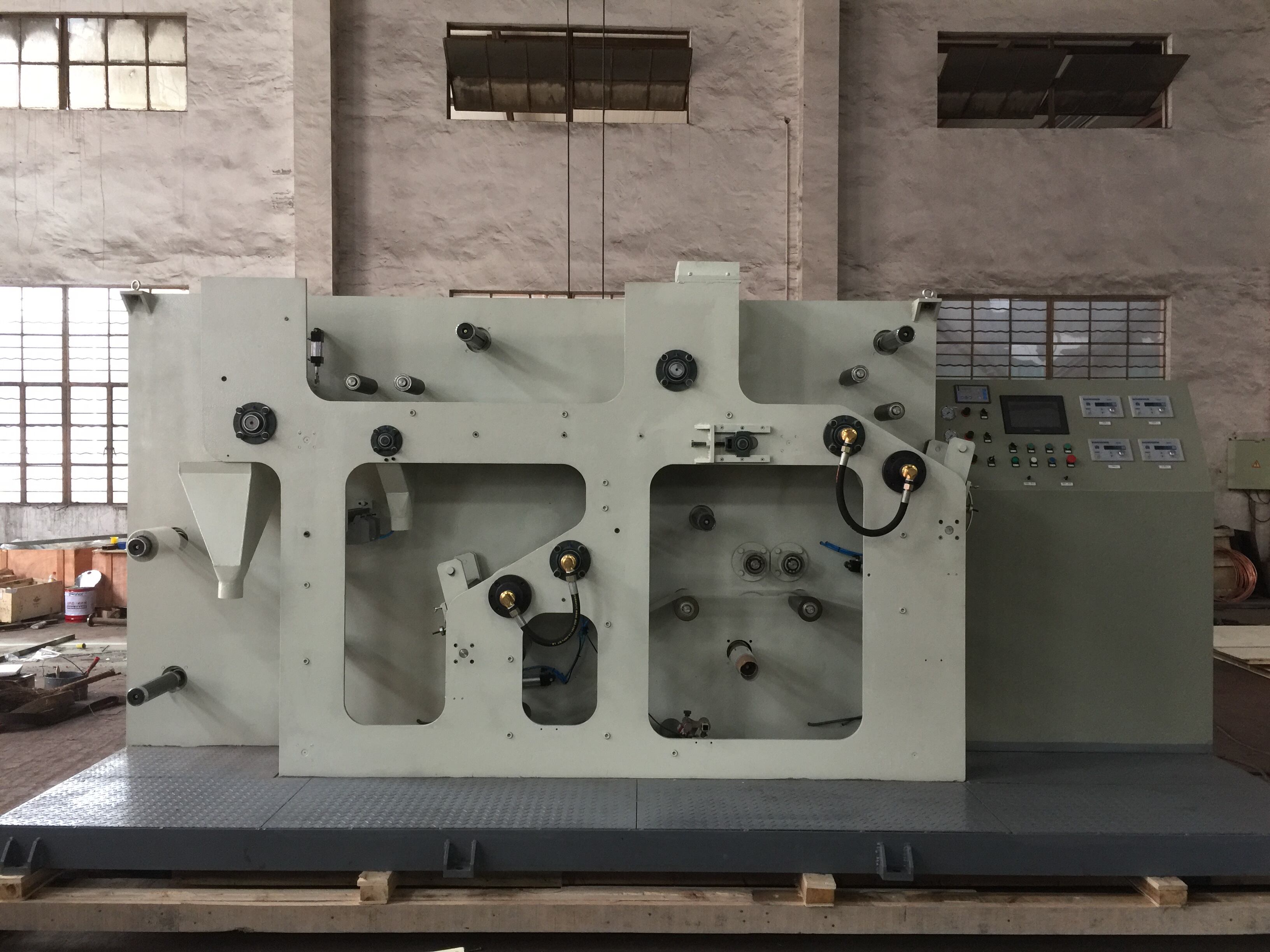
Modern waterproofing applications demand exceptional performance and reliability from modified bitumen membranes. The APP membrane production line represents a sophisticated manufacturing process that creates atactic polypropylene modified bitumen membranes for commercial and residential roofing applications. Understanding whether online reinforcement insertion provides tangible benefits to this production process requires examining multiple operational, quality, and economic factors that influence membrane manufacturing efficiency.
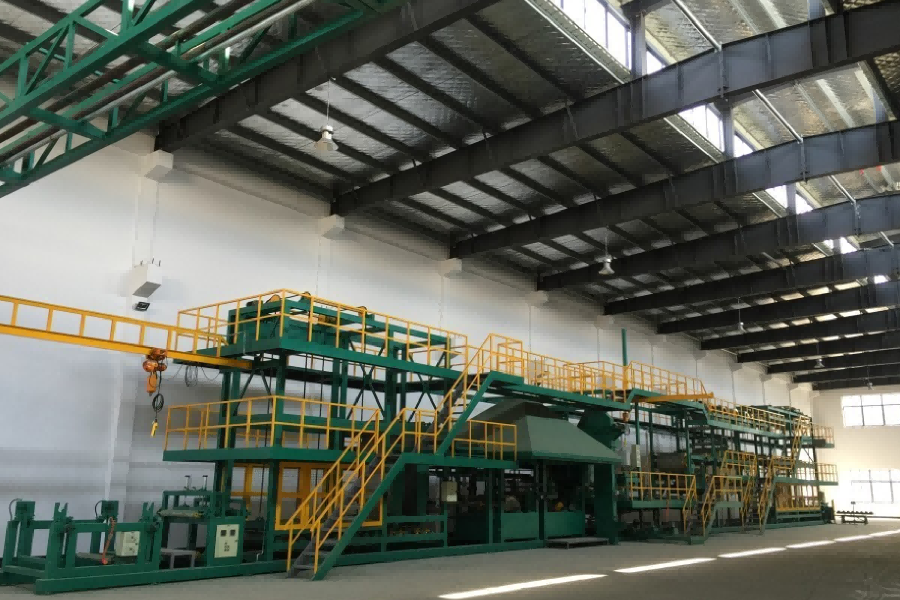
Understanding APP Membrane Manufacturing Fundamentals
Core Components of APP Membrane Production
The APP membrane production line integrates multiple processing stages to create high-performance waterproofing materials. These membranes combine atactic polypropylene polymers with bitumen to enhance flexibility, temperature resistance, and durability characteristics. Manufacturing involves precise temperature control, polymer blending, and continuous forming processes that require consistent material flow and uniform thickness distribution across the membrane surface.
Quality control throughout the APP membrane production line ensures that finished products meet stringent industry standards for tensile strength, elongation properties, and weather resistance. The production process typically includes polymer preparation, bitumen heating, mixing chambers, and continuous forming equipment that shapes the membrane to specified dimensions. Each stage requires careful monitoring to maintain optimal processing conditions and product consistency.
Reinforcement Materials in Membrane Manufacturing
Reinforcement materials play a critical role in enhancing membrane performance characteristics. Common reinforcement options include polyester fabrics, glass fiber mats, and composite materials that provide dimensional stability and improved mechanical properties. These materials are integrated during the forming process to create composite membranes with enhanced tear resistance and structural integrity.
The selection of reinforcement materials significantly impacts the final membrane properties and application suitability. Different reinforcement types offer varying levels of puncture resistance, dimensional stability, and compatibility with APP polymer systems. Understanding these material interactions is essential for optimizing the APP membrane production line configuration and achieving desired product specifications.
Online Reinforcement Insertion Technology
Mechanism and Process Integration
Online reinforcement insertion represents an advanced manufacturing approach where reinforcement materials are continuously fed into the APP membrane production line during the forming process. This technology enables real-time integration of reinforcement layers without interrupting the continuous production flow. The system typically includes unwinding equipment, tension control mechanisms, and precise positioning systems that ensure accurate reinforcement placement.
The integration process requires sophisticated control systems that synchronize reinforcement feeding with membrane formation speeds. Temperature management becomes particularly critical as reinforcement materials must achieve proper adhesion with the APP-modified bitumen matrix. Advanced production lines incorporate multiple sensing technologies to monitor reinforcement positioning, tension levels, and bonding quality throughout the insertion process.
Equipment Configuration and Requirements
Implementing online reinforcement insertion in an APP membrane production line requires specialized equipment modifications and additional processing stations. These systems typically include reinforcement unwinding stations, pre-heating chambers, and precision feeding mechanisms that maintain consistent material delivery rates. The equipment must accommodate various reinforcement material types and thicknesses while ensuring uniform distribution across the membrane width.
Control system sophistication increases significantly with online reinforcement insertion capabilities. Modern systems incorporate programmable logic controllers, servo-driven feeding mechanisms, and real-time monitoring sensors that optimize reinforcement placement accuracy. These technological enhancements require higher initial investment costs but can provide substantial operational benefits in terms of production efficiency and product quality consistency.
Production Efficiency and Quality Benefits
Enhanced Manufacturing Speed and Throughput
Online reinforcement insertion can significantly improve production efficiency by eliminating manual handling steps and reducing production interruptions. Traditional offline reinforcement application requires stopping the APP membrane production line for material loading and positioning, creating production delays and potential quality variations. Continuous online insertion maintains steady production rates and reduces labor requirements for reinforcement handling operations.
Throughput improvements typically range from fifteen to thirty percent when implementing online reinforcement insertion systems. These efficiency gains result from eliminated setup times, reduced material waste, and improved process continuity. The continuous nature of online insertion also enables better utilization of heating equipment and energy resources throughout the APP membrane production line operation.
Quality Consistency and Product Uniformity
Online reinforcement insertion provides superior quality control compared to manual or offline application methods. Automated feeding systems ensure consistent reinforcement positioning, uniform tension distribution, and optimal bonding conditions throughout the membrane length. This consistency translates to improved product performance and reduced quality variations in finished membrane rolls.
The controlled insertion process also minimizes air entrapment, wrinkles, and misalignment issues that commonly occur with manual reinforcement application. Temperature control systems maintain optimal bonding conditions continuously, ensuring strong adhesion between reinforcement materials and the APP-modified bitumen matrix. These quality improvements reduce customer complaints and warranty claims while enhancing brand reputation.
Economic Considerations and Investment Analysis
Initial Capital Investment Requirements
Implementing online reinforcement insertion in an APP membrane production line requires substantial initial capital investment for specialized equipment and system modifications. Cost factors include reinforcement feeding equipment, control systems, safety devices, and production line modifications necessary to accommodate the new technology. These investments typically range from several hundred thousand to over one million dollars depending on line capacity and automation sophistication.
Return on investment calculations must consider production efficiency gains, labor cost reductions, and quality improvement benefits. Higher production throughput enables increased revenue generation from existing equipment, while improved quality reduces waste and rework costs. Many manufacturers achieve payback periods of eighteen to thirty-six months when implementing online reinforcement insertion systems in high-volume APP membrane production line operations.
Operating Cost Impact and Long-term Savings
Operating costs typically decrease with online reinforcement insertion due to reduced labor requirements and improved material utilization efficiency. Automated systems eliminate the need for manual reinforcement handling, reducing staffing requirements and associated labor costs. Material waste decreases significantly due to improved process control and elimination of setup waste associated with offline reinforcement application methods.
Energy consumption patterns may change with online reinforcement insertion, as continuous operation can improve thermal efficiency compared to intermittent heating cycles required for offline processing. Maintenance costs require careful evaluation, as more sophisticated equipment may increase service requirements but can also provide better diagnostic capabilities and predictive maintenance opportunities. Overall operating cost reductions typically offset higher maintenance expenses within the first operational year.
Technical Challenges and Implementation Considerations
Process Control and System Integration
Successful implementation of online reinforcement insertion in an APP membrane production line requires sophisticated process control systems that coordinate multiple operational parameters simultaneously. Temperature management becomes more complex as reinforcement materials may have different thermal properties than base membrane materials. Control systems must maintain optimal processing temperatures while preventing reinforcement degradation or inadequate bonding.
Integration challenges include synchronizing reinforcement feeding speeds with membrane formation rates, maintaining proper tension control, and ensuring consistent reinforcement positioning across varying production speeds. Advanced control algorithms and feedback systems are essential for managing these complex interactions while maintaining product quality standards throughout the APP membrane production line operation.
Material Compatibility and Processing Optimization
Different reinforcement materials present unique challenges for online insertion systems. Glass fiber mats require careful handling to prevent breakage, while polyester fabrics need specific temperature and tension conditions for optimal bonding. The APP membrane production line must accommodate these material-specific requirements while maintaining production efficiency and quality standards.
Processing optimization involves fine-tuning multiple parameters including insertion speed, temperature profiles, pressure settings, and cooling rates. These parameters must be optimized for each reinforcement type and membrane specification combination. Comprehensive testing and validation programs are essential for developing optimal processing conditions and ensuring consistent product quality across different material combinations.
Market Applications and Industry Trends
Growing Demand for Reinforced Membranes
Construction industry trends increasingly favor reinforced waterproofing membranes due to enhanced performance requirements and longer warranty periods. Building codes and industry standards continue to evolve, demanding higher performance specifications that reinforce the value proposition of online reinforcement insertion in APP membrane production line operations. These market demands create opportunities for manufacturers investing in advanced production technologies.
Premium membrane applications in commercial roofing, infrastructure projects, and industrial facilities require consistent quality and performance characteristics that online reinforcement insertion can provide. Market research indicates growing preference for reinforced membranes in high-value applications where performance reliability justifies premium pricing. This trend supports investment in advanced manufacturing technologies that enhance product differentiation and market positioning.
Competitive Advantages and Market Positioning
Manufacturers utilizing online reinforcement insertion technology can achieve significant competitive advantages through improved product quality, faster delivery times, and enhanced cost competitiveness. The ability to produce consistent, high-quality reinforced membranes efficiently enables better market positioning and pricing flexibility. These advantages become particularly important in competitive bidding situations for large construction projects.
Technology differentiation also supports brand development and customer loyalty building. Contractors and specifiers increasingly value suppliers who can demonstrate superior manufacturing capabilities and consistent product performance. Online reinforcement insertion represents a tangible technology advantage that supports marketing efforts and customer confidence building in APP membrane production line capabilities.
Future Technology Developments
Automation and Industry 4.0 Integration
Advanced automation technologies continue to enhance online reinforcement insertion capabilities in APP membrane production line applications. Integration of artificial intelligence, machine learning algorithms, and predictive analytics enables more sophisticated process optimization and quality control. These technologies can automatically adjust processing parameters based on real-time feedback and historical performance data.
Industry 4.0 concepts including remote monitoring, predictive maintenance, and integrated data analytics are becoming standard features in modern production equipment. These capabilities enhance operational efficiency, reduce downtime, and provide valuable insights for continuous improvement initiatives. Investment in these advanced technologies positions manufacturers for future competitiveness and operational excellence.
Sustainable Manufacturing Practices
Environmental sustainability considerations increasingly influence APP membrane production line design and operation decisions. Online reinforcement insertion can support sustainability goals through reduced material waste, improved energy efficiency, and enhanced product durability that extends service life. These environmental benefits align with growing industry focus on sustainable construction materials and practices.
Future developments may include integration of recycled reinforcement materials, bio-based polymer components, and energy recovery systems that further enhance the environmental profile of APP membrane production line operations. Manufacturers investing in sustainable technologies can achieve regulatory compliance advantages and appeal to environmentally conscious customers while maintaining operational efficiency and profitability.
FAQ
What are the primary benefits of online reinforcement insertion in APP membrane production
Online reinforcement insertion provides several key advantages including increased production efficiency, improved quality consistency, reduced labor requirements, and enhanced product uniformity. These benefits typically result in higher throughput rates, lower operating costs, and superior product performance characteristics that support premium pricing strategies and improved market competitiveness.
How does online reinforcement insertion impact membrane quality and performance
The automated insertion process ensures consistent reinforcement positioning, optimal bonding conditions, and uniform tension distribution throughout the membrane length. This consistency eliminates common quality issues such as wrinkles, air entrapment, and misalignment while providing superior adhesion between reinforcement materials and the APP-modified bitumen matrix, resulting in enhanced tear resistance and dimensional stability.
What investment considerations should manufacturers evaluate before implementing this technology
Key investment factors include initial capital requirements for specialized equipment, expected return on investment based on production volume, operating cost changes, and competitive positioning benefits. Manufacturers should analyze production efficiency gains, quality improvement benefits, labor cost reductions, and market differentiation opportunities to determine the financial viability of online reinforcement insertion technology implementation.
Are there specific technical requirements for successful online reinforcement insertion implementation
Successful implementation requires sophisticated control systems, precise temperature management, synchronized feeding mechanisms, and comprehensive process monitoring capabilities. The APP membrane production line must accommodate various reinforcement materials while maintaining optimal processing conditions, requiring advanced automation technology and comprehensive operator training programs to achieve desired performance objectives.
Table of Contents
- Understanding APP Membrane Manufacturing Fundamentals
- Online Reinforcement Insertion Technology
- Production Efficiency and Quality Benefits
- Economic Considerations and Investment Analysis
- Technical Challenges and Implementation Considerations
- Market Applications and Industry Trends
- Future Technology Developments
-
FAQ
- What are the primary benefits of online reinforcement insertion in APP membrane production
- How does online reinforcement insertion impact membrane quality and performance
- What investment considerations should manufacturers evaluate before implementing this technology
- Are there specific technical requirements for successful online reinforcement insertion implementation