 EN
EN
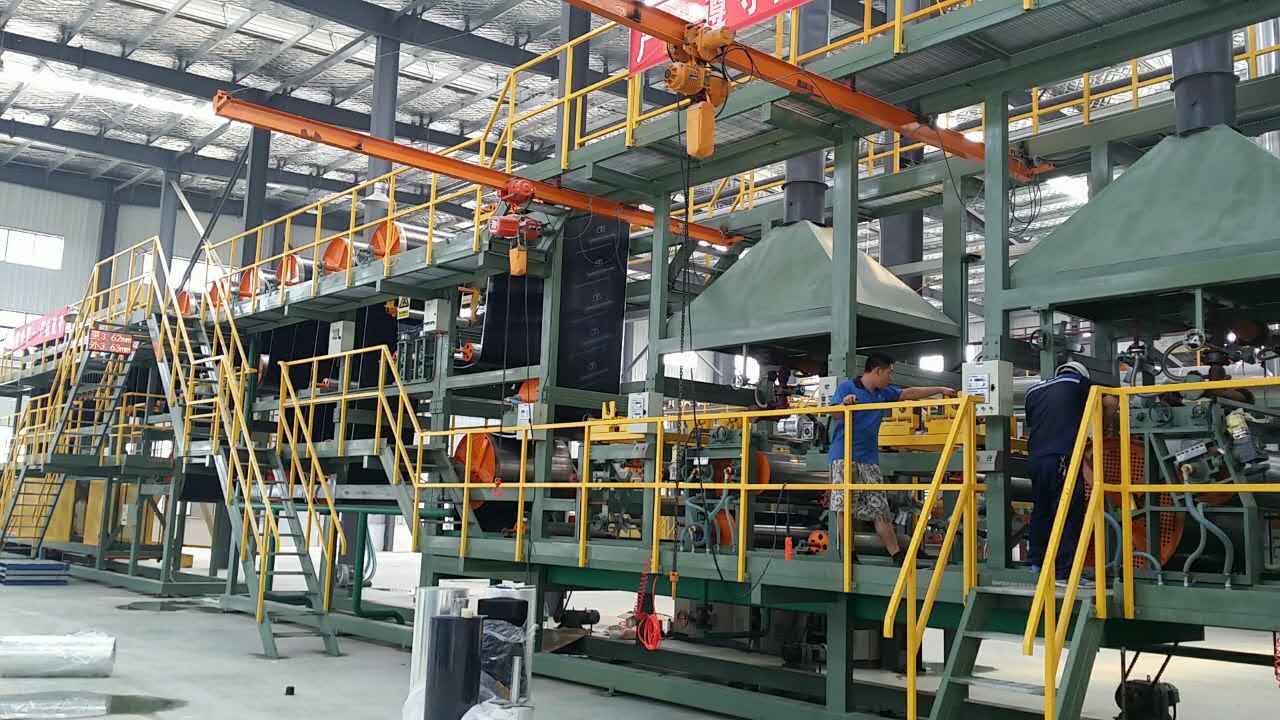
Thermal resistance at elevated temperatures represents a critical challenge for modern industrial membrane manufacturing. When examining how an APP membrane production line maintains operational integrity at 130 degrees Celsius, multiple technological factors come into play that determine long-term performance and product quality. Advanced polymer processing equipment must incorporate specialized thermal management systems, enhanced material selection protocols, and precise temperature control mechanisms to withstand the demanding conditions of high-temperature manufacturing environments.
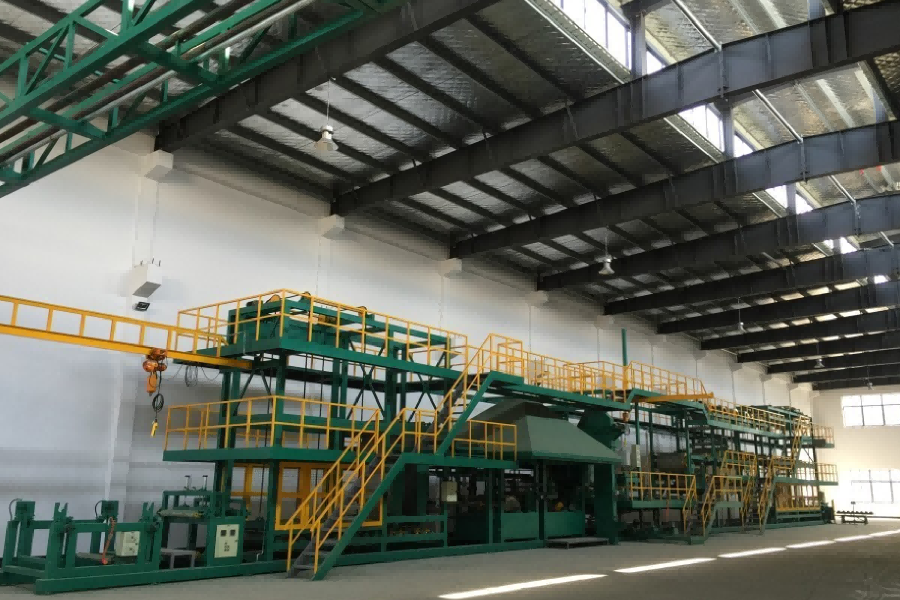
Fundamental Thermal Resistance Mechanisms
Material Science Foundation
The thermal stability of an APP membrane production line begins with the fundamental polymer chemistry of atactic polypropylene materials. These specialized polymers exhibit enhanced molecular chain flexibility and thermal transition properties that enable sustained performance under elevated temperature conditions. Advanced APP formulations incorporate heat stabilizer additives, antioxidant compounds, and cross-linking agents that prevent molecular degradation during extended exposure to 130-degree operating environments.
Manufacturing engineers select specific polymer grades with optimized melt flow indices and crystallization characteristics to ensure consistent processing temperatures throughout the production cycle. The molecular weight distribution of APP materials directly influences thermal aging resistance, with higher molecular weight fractions providing enhanced stability against thermal oxidation and chain scission reactions that typically occur at elevated processing temperatures.
Heat Transfer Engineering
Effective heat transfer management within an APP membrane production line requires sophisticated thermal engineering approaches that maintain uniform temperature distribution across all processing zones. Advanced heating elements, including ceramic band heaters and cartridge heating systems, provide precise thermal input while minimizing temperature fluctuations that could compromise membrane quality or accelerate aging processes.
Thermal insulation systems play a crucial role in maintaining consistent operating temperatures while reducing energy consumption and thermal stress on equipment components. Multi-layer insulation designs incorporate reflective barriers, low-conductivity materials, and air gap configurations that minimize heat loss and create stable thermal environments essential for high-quality membrane production at sustained elevated temperatures.
Advanced Temperature Control Systems
Precision Thermal Monitoring
Modern APP membrane production line configurations integrate sophisticated temperature monitoring networks that provide real-time thermal data across multiple processing zones. Digital temperature controllers with PID algorithms maintain precise thermal setpoints within narrow tolerance ranges, typically plus or minus 2 degrees Celsius, ensuring consistent processing conditions that prevent thermal aging acceleration.
Advanced sensor technologies, including resistance temperature detectors and infrared thermal imaging systems, enable comprehensive monitoring of surface temperatures, internal heating element performance, and thermal gradient profiles throughout the production equipment. This comprehensive thermal awareness allows operators to identify potential hot spots or thermal irregularities before they contribute to accelerated aging or equipment degradation.
Adaptive Thermal Management
Intelligent thermal management systems within an APP membrane production line incorporate predictive algorithms that adjust heating profiles based on material flow rates, ambient conditions, and processing parameters. These adaptive systems prevent thermal overshooting during startup sequences and maintain optimal temperature profiles during varying production demands.
Zone-specific thermal control enables independent temperature management across different processing stages, from polymer melting and mixing through membrane formation and cooling phases. This segmented approach allows operators to optimize thermal conditions for each processing step while minimizing cumulative thermal exposure that could contribute to long-term aging effects.
Equipment Design for Thermal Durability
Material Selection Strategies
The construction materials used in APP membrane production line components must exhibit exceptional thermal stability and corrosion resistance to withstand prolonged exposure to 130-degree operating temperatures. Stainless steel alloys with enhanced chromium and nickel content provide superior oxidation resistance, while specialized tool steels offer improved wear characteristics under thermal cycling conditions.
Critical components such as extruder barrels, heating elements, and die assemblies incorporate advanced metallurgical treatments including nitriding, coating applications, and heat treatment processes that enhance surface hardness and thermal fatigue resistance. These material enhancements significantly extend equipment service life while maintaining dimensional stability under thermal stress conditions.
Thermal Expansion Management
Mechanical design considerations for APP membrane production line equipment address thermal expansion effects that occur during heating and cooling cycles. Expansion joints, flexible connections, and compensation mechanisms prevent thermal stress accumulation that could lead to equipment misalignment, seal failures, or structural damage over extended operating periods.
Precision machining tolerances account for thermal growth patterns, ensuring that critical clearances and fits remain within acceptable ranges throughout the full temperature operating envelope. Advanced CAD modeling and finite element analysis enable engineers to predict thermal deformation patterns and design compensation features that maintain equipment precision under varying thermal conditions.
Process Optimization for Thermal Stability
Operating Parameter Control
Optimal processing parameters for APP membrane production line operation at 130 degrees Celsius require careful balance between thermal input, residence time, and material throughput rates. Extended residence times at elevated temperatures can accelerate thermal aging, while insufficient thermal exposure may result in incomplete polymer processing or inadequate membrane properties.
Advanced process control systems monitor key indicators including melt temperature profiles, pressure differentials, and material viscosity changes that signal potential thermal degradation or processing irregularities. Real-time adjustment capabilities enable operators to maintain optimal processing conditions while minimizing thermal exposure and aging acceleration.
Quality Assurance Integration
Comprehensive quality monitoring systems within APP membrane production line operations track thermal history effects on membrane properties including tensile strength, elongation characteristics, and thermal stability performance. Statistical process control methodologies identify correlations between thermal processing parameters and final membrane quality attributes.
Advanced testing protocols evaluate thermal aging resistance through accelerated aging studies, differential scanning calorimetry analysis, and long-term thermal exposure assessments. These quality systems ensure that thermal processing optimization maintains membrane performance standards while maximizing equipment longevity and thermal resistance capabilities.
Maintenance Strategies for High-Temperature Operations
Preventive Maintenance Protocols
Effective maintenance programs for APP membrane production line equipment operating at elevated temperatures incorporate specialized inspection procedures, component replacement schedules, and thermal performance monitoring protocols. Regular thermal imaging inspections identify developing hot spots, insulation degradation, or heating element irregularities before they impact production quality or equipment reliability.
Lubrication systems require specialized high-temperature lubricants and modified service intervals to accommodate the thermal stress environment of continuous 130-degree operation. Component wear patterns differ significantly under thermal stress conditions, necessitating adjusted maintenance schedules and enhanced monitoring of critical wear points throughout the production equipment.
Component Lifecycle Management
Thermal aging effects on APP membrane production line components require proactive replacement strategies that account for accumulated thermal exposure and material degradation patterns. Heating elements, thermal sensors, and insulation systems experience gradual performance degradation that must be tracked and managed through comprehensive maintenance records and performance trending analysis.
Advanced condition monitoring technologies including vibration analysis, thermal monitoring, and electrical testing provide early warning indicators of component degradation before failure occurs. This predictive maintenance approach minimizes unexpected downtime while ensuring consistent thermal performance throughout equipment service life under demanding high-temperature operating conditions.
FAQ
What specific materials enable APP membrane production line equipment to withstand 130°C continuously?
High-grade stainless steel alloys with enhanced chromium content, specialized tool steels with nitriding treatments, and advanced ceramic insulation materials provide the thermal stability required for continuous 130-degree operation. These materials resist oxidation, thermal fatigue, and dimensional changes that could compromise equipment performance under sustained elevated temperature conditions.
How do thermal management systems prevent aging acceleration in APP membrane production?
Advanced thermal management incorporates precise temperature control within narrow tolerances, zone-specific heating profiles, and predictive algorithms that minimize thermal overshooting and exposure time. Multi-layer insulation systems and adaptive thermal monitoring prevent hot spots while maintaining uniform temperature distribution throughout the processing equipment.
What maintenance intervals are recommended for high-temperature APP membrane production operations?
Thermal imaging inspections should occur monthly, heating element performance verification quarterly, and comprehensive thermal system calibration annually. Critical components like thermal sensors and high-temperature seals require replacement every 12-18 months depending on operating hours and thermal cycling frequency to maintain optimal performance and prevent aging-related failures.
How does thermal cycling affect long-term equipment performance in APP membrane manufacturing?
Repeated thermal cycling creates mechanical stress from expansion and contraction that can accelerate component wear, reduce seal effectiveness, and cause dimensional changes in critical equipment elements. Proper thermal cycling protocols, gradual temperature transitions, and thermal expansion compensation mechanisms minimize these effects while extending overall equipment service life under demanding operating conditions.
Table of Contents
- Fundamental Thermal Resistance Mechanisms
- Advanced Temperature Control Systems
- Equipment Design for Thermal Durability
- Process Optimization for Thermal Stability
- Maintenance Strategies for High-Temperature Operations
-
FAQ
- What specific materials enable APP membrane production line equipment to withstand 130°C continuously?
- How do thermal management systems prevent aging acceleration in APP membrane production?
- What maintenance intervals are recommended for high-temperature APP membrane production operations?
- How does thermal cycling affect long-term equipment performance in APP membrane manufacturing?