
 EN
EN
Modified bitumen waterproofing systems represent one of the most durable and reliable solutions for commercial and residential roofing applications. Understanding the life expectancy of these advanced membrane systems is crucial for property owners, contractors, and building managers who need to make informed decisions about long-term roofing investments. The modified bitumen membrane combines traditional asphalt with polymer modifiers to create a flexible, weather-resistant barrier that can withstand extreme environmental conditions while maintaining its protective properties for decades.
The typical life expectancy of a properly installed modified bitumen membrane ranges from 20 to 30 years, depending on various factors including climate conditions, installation quality, maintenance practices, and the specific polymer modifiers used in the membrane construction. This longevity makes modified bitumen systems an excellent investment for building owners seeking reliable waterproofing solutions that provide exceptional value over their operational lifetime.
Composition and Manufacturing Impact on Longevity
Polymer Modifier Types and Performance
The specific polymer modifiers used in modified bitumen membrane production significantly influence the membrane's expected lifespan. Styrene-butadiene-styrene (SBS) modified membranes typically exhibit superior flexibility and cold-weather performance, often lasting 25 to 30 years in properly maintained installations. These membranes maintain their elasticity across a wide temperature range, reducing the risk of cracking and thermal stress damage that can compromise waterproofing integrity.
Atactic polypropylene (APP) modified bitumen systems offer excellent UV resistance and heat stability, making them particularly suitable for hot climates and high-temperature environments. APP-modified membranes generally provide 20 to 25 years of reliable service, with their superior resistance to thermal cycling contributing to extended operational life in challenging environmental conditions.
Production Quality Standards
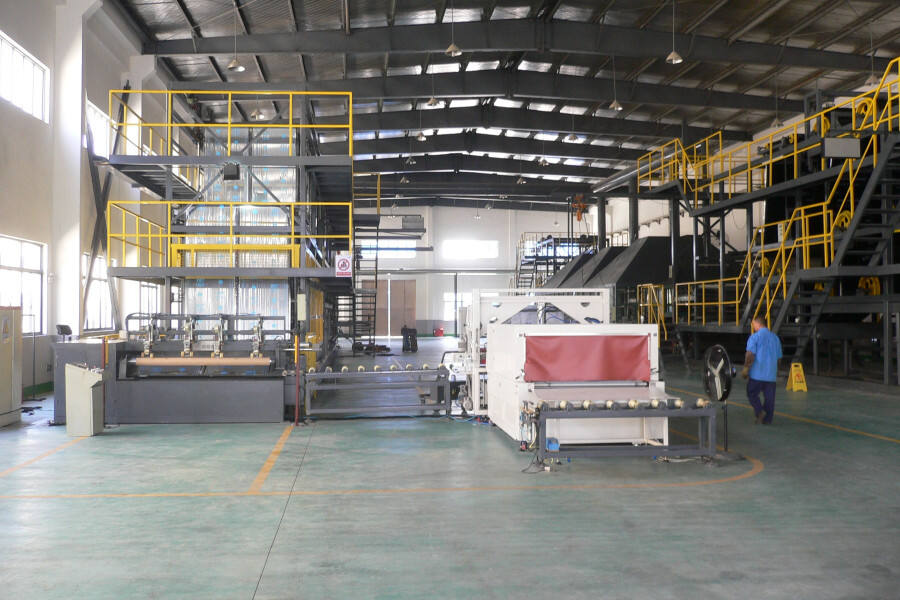
Manufacturing precision plays a crucial role in determining modified bitumen membrane longevity. High-quality production processes ensure consistent polymer distribution, optimal reinforcement integration, and uniform membrane thickness throughout the manufacturing run. Advanced modified bitumen membrane production equipment maintains strict quality control standards that directly impact the finished product's durability and weather resistance.
Reinforcement materials, including polyester fabrics and fiberglass mats, contribute significantly to membrane strength and tear resistance. The quality of these reinforcement layers affects the membrane's ability to withstand mechanical stress, thermal movement, and environmental weathering over its operational lifetime.
Environmental Factors Affecting Membrane Life
Climate and Weather Exposure
Geographic location and local climate conditions substantially influence modified bitumen membrane life expectancy. Membranes installed in moderate climates with minimal temperature fluctuations often exceed their expected 30-year lifespan, while systems in extreme environments may require replacement closer to the 20-year mark. UV radiation intensity, precipitation patterns, and seasonal temperature variations all contribute to membrane aging and performance degradation over time.
Coastal environments present unique challenges for modified bitumen membrane systems due to salt air exposure and high humidity levels. Marine environments require specially formulated membranes with enhanced corrosion resistance to achieve optimal longevity. Proper material selection for coastal installations can significantly extend membrane life expectancy beyond standard performance expectations.
Temperature Cycling Effects
Repeated thermal expansion and contraction cycles represent one of the primary factors affecting modified bitumen membrane durability. Membranes in climates with significant daily temperature variations experience more stress than those in stable temperature environments. The polymer modifiers in high-quality modified bitumen membrane systems provide flexibility that accommodates thermal movement while maintaining waterproofing integrity throughout the membrane's service life.
Extreme temperature events, including heat waves and cold snaps, can accelerate membrane aging if the system lacks adequate thermal protection. Reflective coatings, granular surfaces, and proper insulation help moderate temperature extremes and extend membrane life expectancy by reducing thermal stress on the waterproofing system.
Installation Quality and Technique Impact
Professional Installation Standards
The quality of modified bitumen membrane installation directly correlates with system longevity and performance reliability. Professional installers with proper training and experience ensure correct adhesion, proper overlap sealing, and appropriate detailing around penetrations and roof edges. Poor installation practices can reduce membrane life expectancy by 30 to 50 percent, making professional installation essential for achieving optimal system performance.
Substrate preparation quality significantly affects membrane adhesion and long-term performance. Properly prepared surfaces free from moisture, debris, and incompatible materials provide the foundation for durable waterproofing installations. Inadequate surface preparation can lead to premature membrane failure and significantly reduce system life expectancy.
Seam Integrity and Detailing
Seam construction and detail work represent critical elements in modified bitumen membrane installation that directly impact system longevity. Properly executed seams with adequate overlap and complete fusion provide leak-free performance for the membrane's entire service life. Advanced seaming techniques and quality control measures ensure consistent seam integrity across the entire roofing system.
Detail work around roof penetrations, drains, and transitions requires specialized techniques to achieve watertight installations that match the membrane's expected lifespan. Proper flashing integration and penetration sealing prevent water infiltration that could compromise the modified bitumen membrane system's long-term performance and durability.
Maintenance Practices for Extended Life
Regular Inspection Programs
Implementing systematic inspection programs significantly extends modified bitumen membrane life expectancy by identifying and addressing minor issues before they develop into major problems. Annual inspections allow property owners to monitor membrane condition, identify potential problem areas, and schedule preventive maintenance activities that preserve system integrity and performance.
Professional inspection services provide detailed assessments of membrane condition, including surface wear, seam integrity, and detail performance. Early detection of minor issues enables cost-effective repairs that maintain waterproofing reliability and extend system life beyond standard expectations. Regular inspections also help validate warranty coverage and document system performance for insurance and building management purposes.
Preventive Maintenance Strategies
Proactive maintenance approaches can extend modified bitumen membrane life expectancy by 20 to 30 percent beyond standard performance expectations. Regular cleaning, debris removal, and drain maintenance prevent water accumulation and organic growth that can accelerate membrane deterioration. Simple maintenance activities performed on a scheduled basis preserve membrane appearance and functionality throughout the system's operational lifetime.
Surface protection measures, including periodic coating applications and granule replacement, help maintain membrane weather resistance and UV protection. These protective treatments extend the modified bitumen membrane's ability to withstand environmental exposure and maintain its waterproofing properties for extended periods beyond the basic warranty coverage.
Performance Indicators and Replacement Timing
Visual Assessment Criteria
Understanding key performance indicators helps property owners determine when modified bitumen membrane replacement becomes necessary. Surface cracking, granule loss, seam separation, and membrane shrinkage represent primary indicators of system aging and potential performance degradation. Regular monitoring of these visual indicators enables proactive replacement planning before complete system failure occurs.
Advanced assessment techniques, including infrared thermography and moisture surveys, provide detailed information about membrane condition and remaining service life. These diagnostic tools help building owners make informed decisions about repair versus replacement options based on actual system performance rather than chronological age alone.
Economic Replacement Considerations
Economic analysis of modified bitumen membrane replacement timing involves comparing ongoing maintenance costs with new system installation expenses. Systems approaching their expected life expectancy may benefit from proactive replacement to avoid emergency repairs and potential interior damage from waterproofing failure. Planned replacement allows for proper budgeting and system selection optimization based on current building requirements.
Life cycle cost analysis demonstrates that high-quality modified bitumen membrane systems provide excellent value over their operational lifetime. The combination of reliable performance, moderate maintenance requirements, and extended service life makes these systems cost-effective solutions for long-term waterproofing applications across various building types and environmental conditions.
FAQ
What factors most significantly impact modified bitumen membrane life expectancy
The primary factors affecting modified bitumen membrane longevity include installation quality, environmental conditions, maintenance practices, and the specific polymer modifiers used in membrane construction. Professional installation with proper substrate preparation and seam execution typically extends system life by 20 to 30 percent compared to substandard installations. Climate conditions, particularly temperature cycling and UV exposure intensity, directly influence membrane aging rates and overall performance durability.
How does maintenance frequency affect membrane lifespan
Regular maintenance significantly extends modified bitumen membrane life expectancy by preventing minor issues from developing into major system failures. Annual inspections and bi-annual cleaning programs can extend membrane life by 5 to 10 years beyond standard expectations. Proactive maintenance including drain cleaning, debris removal, and protective coating applications preserves membrane integrity and maintains optimal waterproofing performance throughout the system's operational lifetime.
Can modified bitumen membranes exceed their expected 30-year lifespan
High-quality modified bitumen membrane systems with professional installation and regular maintenance frequently exceed their 30-year expected lifespan. Systems installed in moderate climates with consistent maintenance programs often provide 35 to 40 years of reliable service. The key factors for achieving extended life include proper material selection, expert installation techniques, and systematic preventive maintenance programs that preserve membrane integrity and performance characteristics.
What are the warning signs that indicate membrane replacement is needed
Key indicators for modified bitumen membrane replacement include widespread surface cracking, significant granule loss, seam separation, membrane shrinkage, and recurring leak issues despite repair attempts. Multiple small repairs within a short timeframe often indicate overall system deterioration requiring complete replacement. Professional assessment using infrared thermography and moisture detection helps determine whether localized repairs or complete system replacement provides the most cost-effective solution for maintaining waterproofing reliability.