 EN
EN
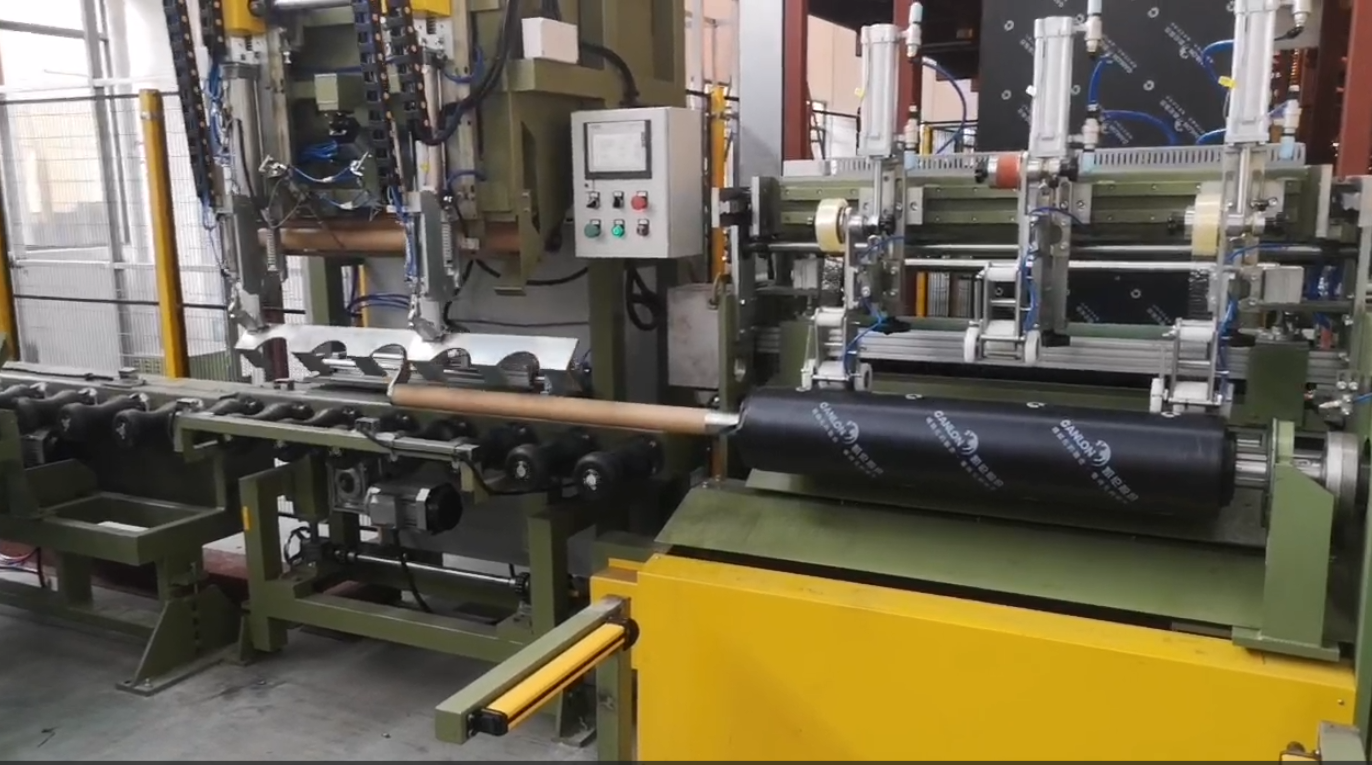
Edge curl is one of the most challenging defects encountered in waterproofing membrane manufacturing, particularly affecting the quality and performance of finished products from a pre-applied membrane production line. This manufacturing anomaly occurs when the edges of the membrane material curl upward or downward during the production process, creating dimensional instability that can compromise the membrane's effectiveness in construction applications. Understanding the root causes of edge curl requires a comprehensive analysis of material properties, processing parameters, and equipment functionality within modern production environments.
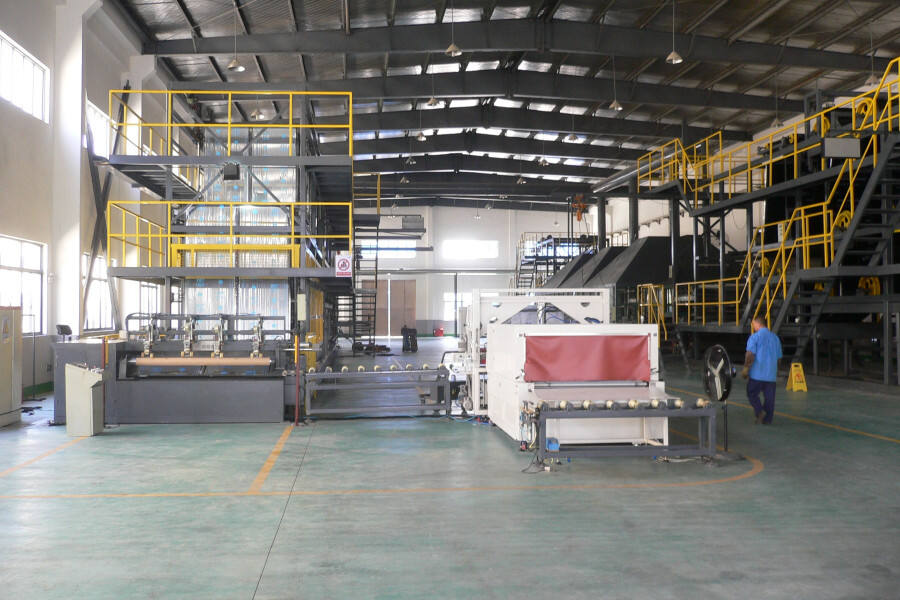
The complexity of edge curl formation stems from multiple interconnected factors that occur simultaneously during the membrane production process. Temperature variations across the width of the production line create differential thermal expansion rates, leading to uneven stress distribution that manifests as edge distortion. Additionally, inconsistent material feeding, improper tension control, and inadequate cooling systems contribute significantly to this manufacturing challenge in pre-applied membrane production line operations.
Material Properties and Edge Curl Formation
Polymer Characteristics and Thermal Behavior
The fundamental material properties of polymers used in waterproofing membranes play a crucial role in edge curl development. Different polymer types exhibit varying coefficients of thermal expansion, which directly influence how the material responds to temperature changes during processing. Thermoplastic polymers commonly used in pre-applied membrane production line systems demonstrate distinct shrinkage patterns that can create edge instability when cooling rates are not properly controlled across the membrane width.
Molecular orientation within the polymer matrix significantly affects edge curl susceptibility. When polymer chains align preferentially in the machine direction during extrusion or calendering processes, the resulting anisotropic properties create unequal stress patterns. These stress concentrations become particularly pronounced at the edges where the material transitions from constrained to free boundary conditions, leading to curl formation in the final product.
Additive Distribution and Edge Effects
Plasticizers, stabilizers, and other additives incorporated into membrane formulations can migrate during processing, creating concentration gradients that contribute to edge curl. The migration tendency increases with temperature and processing time, resulting in edge regions with different mechanical properties compared to the central areas. This heterogeneity in material composition along the membrane width creates internal stress imbalances that manifest as edge curl in the finished product.
Flame retardants and UV stabilizers commonly added to waterproofing membranes can exacerbate edge curl issues when their distribution becomes non-uniform. These additives often have different thermal expansion characteristics compared to the base polymer, creating localized stress concentrations that preferentially affect edge regions where heat dissipation patterns differ from the membrane center.
Processing Parameters and Temperature Control
Extrusion Temperature Profiles
Temperature control across the width of a pre-applied membrane production line represents one of the most critical factors in preventing edge curl formation. Uneven temperature distribution in the extrusion die creates variations in polymer flow characteristics, leading to differential cooling rates that promote edge distortion. The temperature profile must be carefully optimized to ensure uniform heat distribution while maintaining proper melt viscosity for consistent membrane formation.
Die design and heating element placement significantly influence temperature uniformity across the membrane width. Edge regions typically experience faster heat loss due to their exposure to ambient air, requiring compensation through adjusted heating profiles or additional thermal management systems. Sophisticated pre-applied membrane production line configurations incorporate multi-zone temperature control systems to address these thermal gradients effectively.
Cooling System Optimization
The cooling phase following extrusion or calendering operations critically impacts edge curl development. Rapid cooling can induce thermal shock that creates internal stresses, while insufficient cooling may result in continued material flow and dimensional instability. The cooling rate must be carefully balanced to minimize thermal gradients while ensuring adequate solidification of the membrane structure.
Air flow patterns in cooling systems often create non-uniform temperature fields that contribute to edge curl formation. Edge regions typically experience enhanced convective cooling compared to central areas, creating temperature differentials that induce stress concentrations. Modern production line designs incorporate specialized cooling configurations that provide uniform temperature reduction across the entire membrane width.
Mechanical Stress and Tension Control
Winding and Unwinding Operations
Improper tension control during winding operations can introduce mechanical stresses that contribute to edge curl in stored membrane rolls. Excessive tension creates permanent deformation in the polymer structure, while insufficient tension allows for slack formation that can lead to wrinkling and subsequent edge distortion. The pre-applied membrane production line must maintain consistent tension profiles throughout the winding process to prevent these issues.
Edge trimming operations performed during production can create localized stress concentrations that propagate into the membrane structure, causing curl formation. The cutting process generates heat and mechanical disturbance that can alter the polymer structure in edge regions, making them more susceptible to dimensional changes during subsequent handling and storage operations.
Transport System Dynamics
Roller alignment and surface conditions throughout the production line transport system significantly influence edge curl development. Misaligned rollers create uneven pressure distribution that can permanently deform the membrane edges, while worn or contaminated roller surfaces introduce frictional variations that contribute to stress concentration patterns.
The spacing between support rollers affects membrane sag patterns, with excessive spans allowing gravitational forces to create stress concentrations near the edges where the material transitions from supported to unsupported conditions. Proper roller positioning and alignment are essential for maintaining uniform stress distribution throughout the pre-applied membrane production line transport system.
Environmental Factors and Storage Conditions
Humidity and Moisture Effects
Environmental humidity levels during production and storage can significantly impact edge curl formation in hygroscopic membrane materials. Moisture absorption creates dimensional changes that are often non-uniform across the membrane width due to edge effects and exposure patterns. Higher humidity conditions can accelerate plasticizer migration and alter polymer chain mobility, contributing to stress relaxation patterns that manifest as edge curl.
Moisture gradients within the production environment can create localized swelling or shrinkage effects that preferentially impact edge regions. The transition zones between different humidity levels along the production line can induce stress concentrations that promote curl formation, particularly in materials with high moisture sensitivity.
Temperature Cycling and Thermal Stress
Repeated temperature cycling during production, transport, and storage creates cumulative stress effects that can lead to edge curl development over time. The thermal expansion and contraction cycles generate fatigue-like phenomena in the polymer structure, with edge regions experiencing enhanced stress concentrations due to their boundary conditions.
Seasonal temperature variations in production facilities can create long-term dimensional stability issues that manifest as gradual edge curl development. Materials produced during different seasons may exhibit varying degrees of edge curl susceptibility due to the accumulated thermal history effects on polymer structure and internal stress patterns.
Equipment Design and Maintenance Considerations
Die and Tooling Geometry
The geometric design of extrusion dies and forming tools plays a fundamental role in edge curl prevention within pre-applied membrane production line systems. Edge bead formation, die lip geometry, and flow channel design must be optimized to ensure uniform material distribution and minimize stress concentrations that contribute to curl formation. Proper die design incorporates features that compensate for edge effects and promote uniform cooling patterns.
Wear patterns in dies and forming tools can create non-uniform flow conditions that exacerbate edge curl tendencies. Regular inspection and maintenance of tooling components are essential for maintaining consistent product quality and preventing the accumulation of wear-related distortions that contribute to edge curl formation.
Process Monitoring and Control Systems
Advanced monitoring systems capable of detecting early signs of edge curl formation enable proactive process adjustments that prevent quality issues. Temperature measurement across the membrane width, stress monitoring systems, and dimensional analysis tools provide real-time feedback for optimizing production parameters in pre-applied membrane production line operations.
Automated control systems that adjust processing parameters based on detected edge curl tendencies can significantly improve product consistency and reduce waste. These systems integrate multiple sensor inputs to provide comprehensive process control that addresses the complex interactions between temperature, stress, and material properties that influence edge curl formation.
Quality Control and Prevention Strategies
Process Parameter Optimization
Systematic optimization of processing parameters represents the most effective approach to preventing edge curl in pre-applied membrane production line operations. This includes establishing optimal temperature profiles, cooling rates, tension settings, and material feed rates that minimize stress concentrations while maintaining production efficiency. Statistical process control methods can identify parameter combinations that consistently produce flat, dimensionally stable membranes.
Material selection and formulation optimization provide additional opportunities for edge curl prevention. Polymer grades with improved dimensional stability, optimized additive packages, and enhanced processing characteristics can significantly reduce curl susceptibility while maintaining the required performance properties for waterproofing applications.
Post-Production Treatment Methods
Annealing processes applied after primary production can help relieve internal stresses that contribute to edge curl formation. Controlled heating and cooling cycles allow polymer chains to relax and achieve more stable configurations, reducing the driving force for subsequent dimensional changes. The annealing parameters must be carefully optimized to achieve stress relief without compromising material properties.
Edge treatment techniques such as controlled trimming, heat sealing, or mechanical conditioning can help stabilize edge regions and prevent curl development during storage and handling. These post-production processes require careful parameter control to avoid introducing additional stresses that could worsen edge curl tendencies.
FAQ
What is the most common cause of edge curl in waterproofing membrane production?
The most common cause of edge curl is non-uniform temperature distribution during the cooling phase of production. Edge regions cool faster than the center due to increased heat dissipation, creating thermal gradients that induce internal stresses. These stresses cause the edges to curl as the polymer structure attempts to relieve the accumulated strain through dimensional changes.
How can production line operators detect edge curl formation early in the process?
Early detection of edge curl requires continuous monitoring of membrane flatness using laser measurement systems or contact sensors positioned across the membrane width. Temperature monitoring at multiple points can identify thermal gradients that promote curl formation, while tension measurements help detect stress variations that contribute to dimensional instability. Visual inspection systems with image analysis capabilities can also detect subtle curl formation before it becomes a significant quality issue.
Can edge curl be corrected after the membrane has been produced and wound into rolls?
Limited correction of edge curl is possible through controlled annealing processes where the wound rolls are subjected to carefully controlled heating and cooling cycles. However, the effectiveness of post-production correction is limited, and prevention during the initial production process is far more effective. Severe edge curl typically requires reprocessing or results in downgraded product quality that may not meet application specifications.
What maintenance practices help prevent edge curl issues in production equipment?
Regular maintenance of temperature control systems, including calibration of heating elements and cleaning of heat transfer surfaces, is essential for preventing edge curl. Die and roller surfaces must be inspected for wear patterns that create non-uniform material flow or pressure distribution. Alignment checks of transport rollers and tension control systems should be performed regularly to ensure consistent processing conditions across the membrane width throughout the pre-applied membrane production line.
Table of Contents
- Material Properties and Edge Curl Formation
- Processing Parameters and Temperature Control
- Mechanical Stress and Tension Control
- Environmental Factors and Storage Conditions
- Equipment Design and Maintenance Considerations
- Quality Control and Prevention Strategies
-
FAQ
- What is the most common cause of edge curl in waterproofing membrane production?
- How can production line operators detect edge curl formation early in the process?
- Can edge curl be corrected after the membrane has been produced and wound into rolls?
- What maintenance practices help prevent edge curl issues in production equipment?