 EN
EN
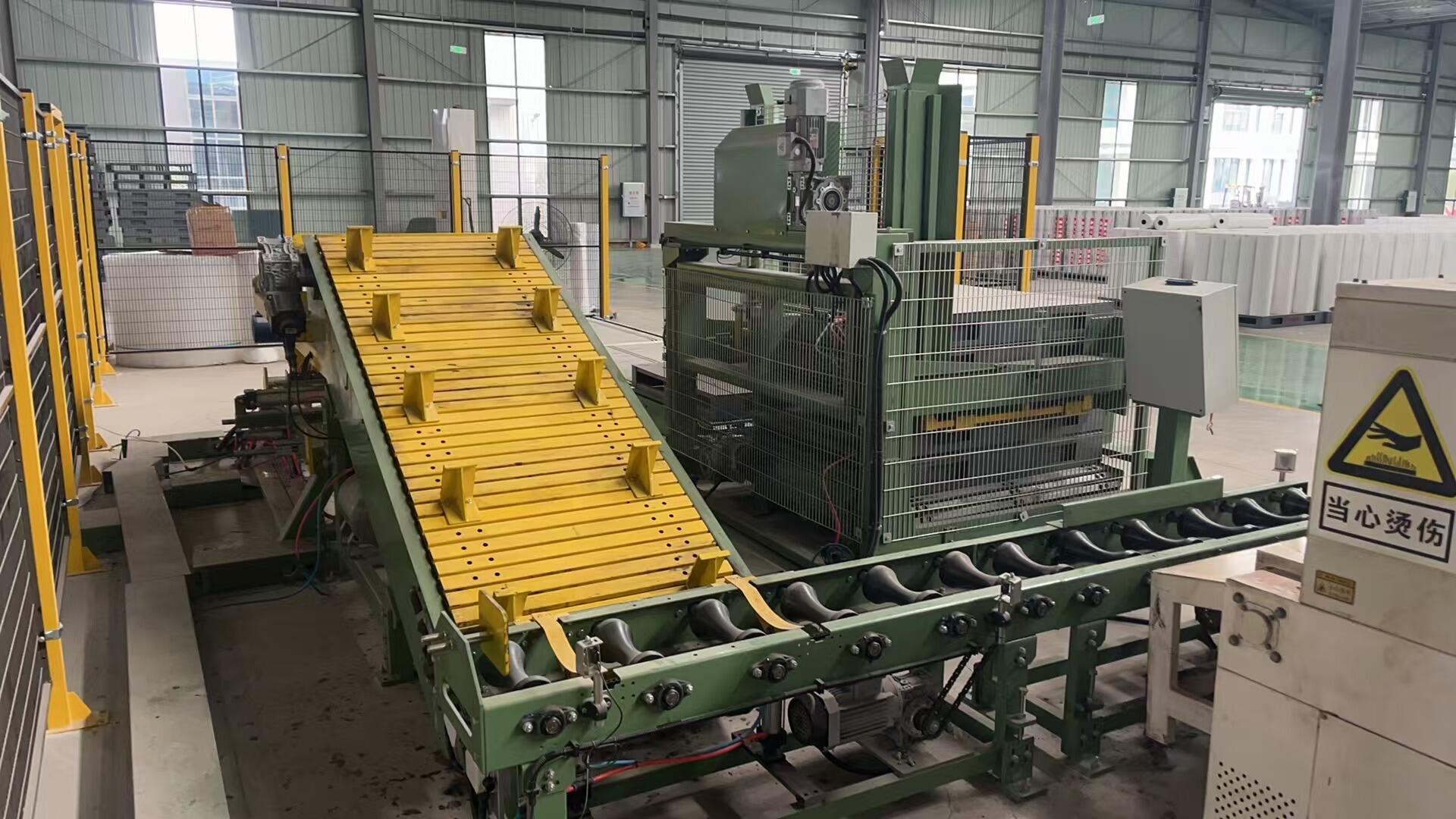
Modern construction demands increasingly sophisticated waterproofing solutions that deliver both reliability and efficiency. The emergence of zero-lap waterproofing technology has revolutionized how construction professionals approach moisture protection in critical applications. A pre-applied membrane production line represents the cutting-edge manufacturing approach that enables consistent, high-quality membrane production for these advanced waterproofing systems. This technology eliminates traditional overlap requirements while maintaining superior protective capabilities across diverse construction environments.
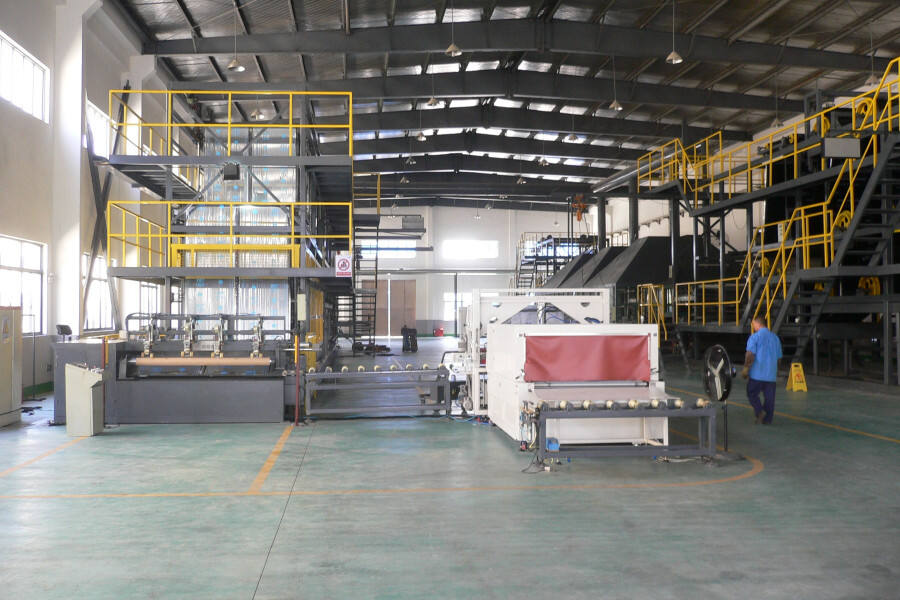
The construction industry has witnessed tremendous advancement in waterproofing technologies over recent decades. Traditional methods often required complex installation procedures, multiple material layers, and extensive overlap zones that created potential failure points. Contemporary manufacturing processes have addressed these challenges through precision-engineered production systems that create seamless protective barriers. Understanding how these systems function and their impact on construction efficiency becomes essential for industry professionals seeking optimal project outcomes.
Zero-lap waterproofing represents a paradigm shift from conventional approaches that relied heavily on overlapping membrane sections. This innovative methodology eliminates vulnerable transition zones while providing continuous protection across entire surface areas. The manufacturing precision required to achieve such performance standards demands sophisticated production equipment capable of maintaining consistent material properties throughout the manufacturing process. Quality control measures integrated into modern production lines ensure every meter of membrane meets stringent performance specifications.
Understanding Zero-Lap Waterproofing Technology
Fundamental Principles of Zero-Lap Systems
Zero-lap waterproofing systems function by creating continuous protective barriers that eliminate traditional overlap requirements. The membrane material itself possesses enhanced structural integrity and bonding capabilities that allow direct edge-to-edge installation without compromising waterproofing effectiveness. This approach significantly reduces installation time while improving overall system reliability. The manufacturing process behind these membranes requires precise control over material composition, thickness uniformity, and surface characteristics to achieve optimal performance standards.
Advanced polymer chemistry enables the creation of membranes with superior flexibility and adhesion properties. These characteristics allow the material to conform perfectly to substrate irregularities while maintaining structural integrity under various environmental conditions. The elimination of overlap zones reduces material consumption and installation labor while providing enhanced protection against moisture infiltration. Manufacturing consistency becomes critical to ensuring reliable performance across different installation conditions and climate zones.
Technical Advantages Over Traditional Methods
Traditional waterproofing methods typically require extensive overlap zones ranging from 75mm to 150mm depending on application requirements and environmental conditions. These overlaps represent potential vulnerability points where improper installation or material degradation can lead to system failure. Zero-lap technology eliminates these concerns by providing continuous protection without relying on overlap integrity. The resulting installation offers superior resistance to water penetration and requires fewer critical installation steps.
Material efficiency improvements become immediately apparent when comparing zero-lap systems to traditional approaches. Eliminating overlaps reduces material consumption by approximately 8-12% depending on membrane width and installation pattern. Labor efficiency gains prove even more significant, with installation teams reporting 25-30% faster completion times on comparable projects. Quality assurance procedures become more straightforward when fewer critical joints require inspection and testing during installation phases.
Manufacturing Excellence Through Advanced Production Lines
Production Line Components and Capabilities
Modern pre-applied membrane production line systems incorporate multiple sophisticated components working in perfect synchronization. Raw material feeding systems ensure consistent polymer input while maintaining precise temperature and pressure controls throughout the manufacturing process. Extrusion equipment shapes the membrane to exact specifications while quality monitoring systems continuously assess thickness uniformity, surface texture, and material properties. These integrated systems produce membranes that meet or exceed industry standards for waterproofing applications.
Temperature control systems maintain optimal processing conditions across all production stages, ensuring consistent material properties throughout each production run. Pressure regulation equipment ensures uniform density distribution while preventing defects that could compromise waterproofing performance. Advanced monitoring systems track production parameters in real-time, automatically adjusting settings to maintain quality standards. This level of precision control enables manufacturers to produce membranes with consistently superior performance characteristics.
Quality Control and Testing Protocols
Comprehensive quality control measures integrated into pre-applied membrane production line operations ensure every product meets stringent performance requirements. Automated testing equipment evaluates membrane thickness, tensile strength, elongation properties, and adhesion characteristics at regular intervals throughout production. Statistical process control systems track quality metrics and identify trends that might indicate equipment adjustments or maintenance requirements. These protocols guarantee consistent product quality while minimizing waste and production delays.
Laboratory testing procedures validate membrane performance under simulated field conditions including temperature cycling, UV exposure, and chemical resistance testing. Accelerated aging tests predict long-term performance characteristics while ensuring products maintain protective capabilities throughout their intended service life. Documentation systems track quality metrics for each production batch, enabling traceability and continuous improvement initiatives. This comprehensive approach to quality assurance builds confidence among construction professionals and end-users.
Installation Benefits and Project Efficiency
Streamlined Installation Procedures
Zero-lap waterproofing systems manufactured on advanced production lines offer significant installation advantages compared to traditional approaches. Installation crews can position membranes with greater precision while eliminating time-consuming overlap procedures that typically require careful attention to bonding agents and sealing materials. The simplified installation process reduces opportunities for human error while enabling faster project completion. Training requirements for installation teams become less intensive when complex overlap procedures are eliminated from the installation protocol.
Weather sensitivity decreases substantially when installation procedures require fewer critical bonding operations. Traditional overlap systems often require specific temperature and humidity conditions to achieve proper bonding between membrane sections. Zero-lap systems maintain installation flexibility across broader weather conditions, enabling construction schedules to proceed with greater predictability. This flexibility proves particularly valuable in regions with challenging climate conditions or tight construction timelines.
Cost Effectiveness and Resource Optimization
Economic benefits from zero-lap waterproofing systems extend beyond simple material savings to encompass labor efficiency, reduced waste generation, and improved project scheduling flexibility. The elimination of overlap zones directly reduces material requirements while simplified installation procedures decrease labor costs. Quality assurance expenses diminish when fewer critical joints require inspection and testing. These combined benefits often result in total project cost reductions of 15-20% compared to traditional waterproofing approaches.
Long-term maintenance requirements typically decrease with zero-lap systems due to reduced vulnerability points and improved overall system reliability. The continuous protective barrier provided by properly manufactured membranes requires less frequent inspection and maintenance compared to traditional systems with multiple potential failure points. This characteristic proves particularly valuable in applications where access for maintenance activities presents logistical challenges or safety concerns.
Industry Applications and Performance Considerations
Critical Infrastructure Applications
Underground construction projects represent prime applications for zero-lap waterproofing systems produced on advanced manufacturing lines. Subway systems, underground parking structures, and basement facilities require absolute moisture protection to prevent structural damage and maintain operational functionality. The reliability offered by continuous membrane protection becomes essential in these applications where waterproofing failure could result in significant repair costs and operational disruptions. Zero-lap technology provides the confidence required for these demanding applications.
Bridge decks and transportation infrastructure benefit significantly from zero-lap waterproofing technology due to exposure to severe environmental conditions including freeze-thaw cycles, chemical exposure, and heavy traffic loads. The continuous protection provided by properly manufactured membranes resists these challenging conditions while maintaining structural integrity over extended service periods. Installation efficiency becomes particularly important in transportation applications where construction activities must minimize traffic disruptions and complete within restricted time windows.
Commercial and Residential Markets
High-rise construction projects increasingly specify zero-lap waterproofing systems for foundation applications where traditional methods might compromise building integrity or construction schedules. The manufacturing precision achievable through advanced pre-applied membrane production line systems ensures consistent performance across large surface areas typical in commercial construction. Installation teams appreciate the simplified procedures that reduce project complexity while maintaining superior protective capabilities.
Residential applications benefit from improved installation reliability and reduced maintenance requirements associated with zero-lap waterproofing systems. Homeowners gain confidence from continuous protection that eliminates traditional vulnerability points while contractors appreciate installation efficiency that enables competitive project pricing. The manufacturing quality achievable through advanced production systems ensures residential applications receive the same high-performance protection used in commercial and infrastructure projects.
Future Developments and Technology Evolution
Emerging Manufacturing Technologies
Research and development efforts continue advancing pre-applied membrane production line capabilities through enhanced automation, improved material formulations, and integrated quality monitoring systems. Artificial intelligence applications enable predictive maintenance protocols that optimize production efficiency while minimizing downtime. Advanced polymer chemistry research focuses on developing materials with enhanced performance characteristics including improved flexibility, chemical resistance, and longevity under challenging environmental conditions.
Sustainability considerations drive innovation in manufacturing processes and material selection, with emphasis on reducing environmental impact while maintaining superior performance standards. Energy-efficient production equipment reduces manufacturing costs while supporting environmental responsibility initiatives. Recycling programs for production waste and end-of-life membrane materials create closed-loop manufacturing systems that minimize environmental impact throughout the product lifecycle.
Market Trends and Industry Adoption
Construction industry adoption of zero-lap waterproofing technology continues accelerating as project teams recognize the benefits of simplified installation procedures and improved reliability. Specification writers increasingly require these advanced systems for critical applications where waterproofing failure could result in significant consequences. Training programs for installation professionals expand to support growing market demand while ensuring proper installation techniques across diverse applications.
International market expansion creates opportunities for manufacturers with advanced pre-applied membrane production line capabilities to serve global construction markets. Standardization efforts work toward establishing consistent performance requirements and testing protocols across different geographic regions. These initiatives support market growth while ensuring construction professionals worldwide can access high-quality waterproofing solutions manufactured to consistent standards.
FAQ
What makes zero-lap waterproofing different from traditional membrane systems
Zero-lap waterproofing eliminates the need for overlapping membrane sections that are required in traditional systems. Instead of relying on overlaps for watertight seals, zero-lap membranes create continuous protection through direct edge-to-edge installation. This approach reduces material consumption, simplifies installation procedures, and eliminates potential failure points associated with overlap zones. The manufacturing precision required for zero-lap systems demands advanced production equipment that ensures consistent material properties and dimensional accuracy.
How do advanced production lines ensure membrane quality consistency
Modern pre-applied membrane production line systems incorporate sophisticated quality control measures including real-time monitoring of thickness uniformity, material properties, and surface characteristics. Automated testing equipment evaluates samples at regular intervals while statistical process control systems track quality metrics throughout production runs. Temperature and pressure controls maintain optimal processing conditions while advanced polymer chemistry ensures consistent material performance. These integrated quality systems produce membranes that meet stringent waterproofing requirements across diverse applications.
What are the main cost benefits of implementing zero-lap waterproofing systems
Cost benefits from zero-lap waterproofing include reduced material consumption due to eliminated overlaps, decreased installation labor through simplified procedures, and lower quality assurance expenses with fewer critical joints requiring inspection. Total project cost reductions typically range from 15-20% compared to traditional methods. Long-term maintenance costs also decrease due to improved system reliability and reduced vulnerability points. Installation scheduling becomes more flexible since weather sensitivity decreases when complex overlap procedures are eliminated.
Which construction applications benefit most from zero-lap waterproofing technology
Critical infrastructure projects including subway systems, underground parking structures, and bridge decks benefit significantly from zero-lap technology due to demanding performance requirements and limited maintenance access. High-rise commercial construction projects appreciate installation efficiency and reliability for foundation applications. Transportation infrastructure values the durability under severe environmental conditions and installation flexibility within restricted timeframes. Residential applications benefit from improved reliability and reduced maintenance requirements while contractors appreciate competitive installation costs.
Table of Contents
- Understanding Zero-Lap Waterproofing Technology
- Manufacturing Excellence Through Advanced Production Lines
- Installation Benefits and Project Efficiency
- Industry Applications and Performance Considerations
- Future Developments and Technology Evolution
-
FAQ
- What makes zero-lap waterproofing different from traditional membrane systems
- How do advanced production lines ensure membrane quality consistency
- What are the main cost benefits of implementing zero-lap waterproofing systems
- Which construction applications benefit most from zero-lap waterproofing technology