 EN
EN
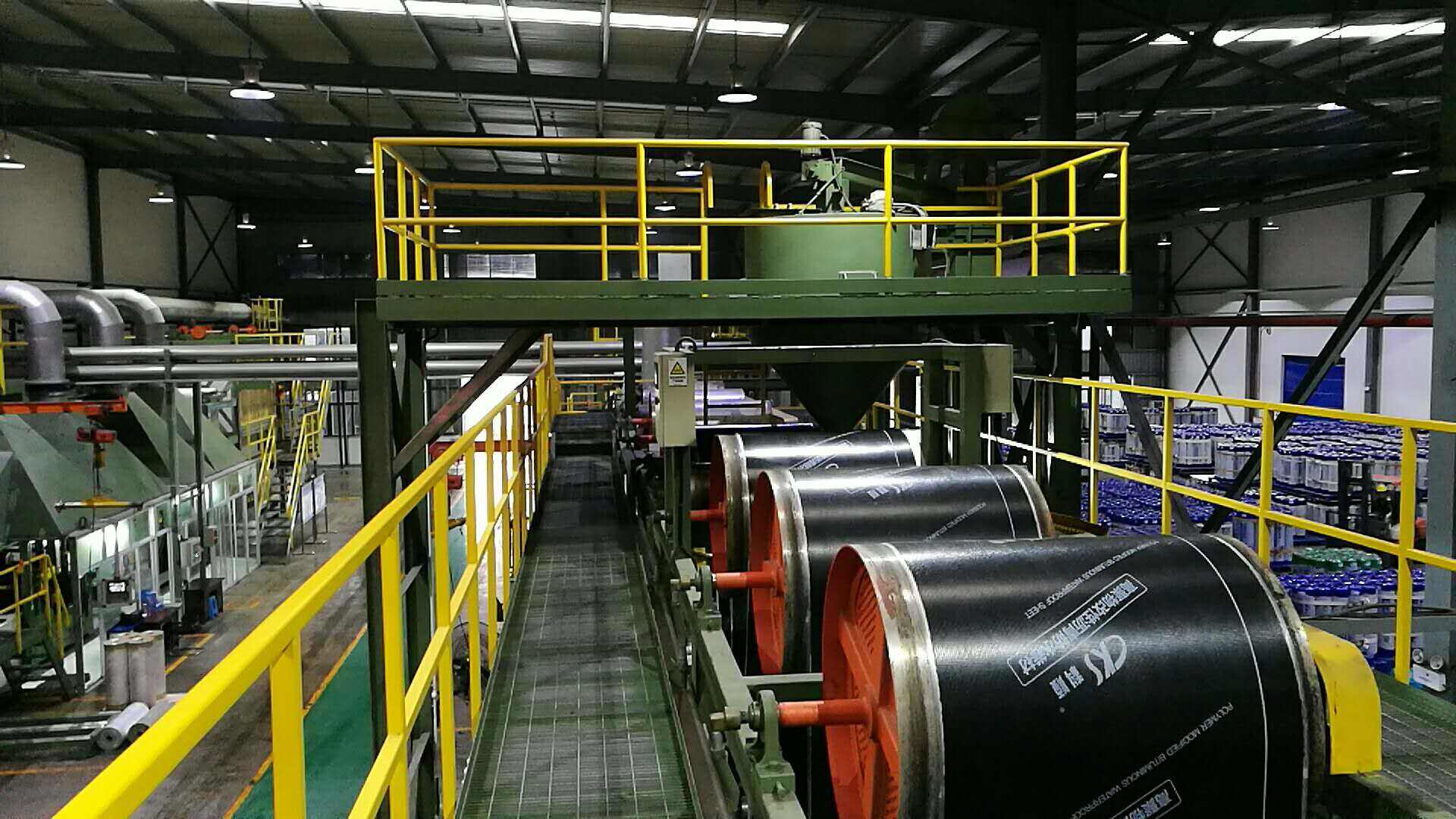
Modified bitumen waterproofing membrane represents a significant advancement in commercial and residential waterproofing technology, offering superior protection against water infiltration compared to traditional roofing systems. This innovative waterproofing solution combines the proven durability of asphalt with polymer modifications that enhance flexibility, temperature resistance, and overall performance. Understanding the comparative advantages of modified bitumen waterproofing membrane systems helps property owners and contractors make informed decisions for their waterproofing projects.
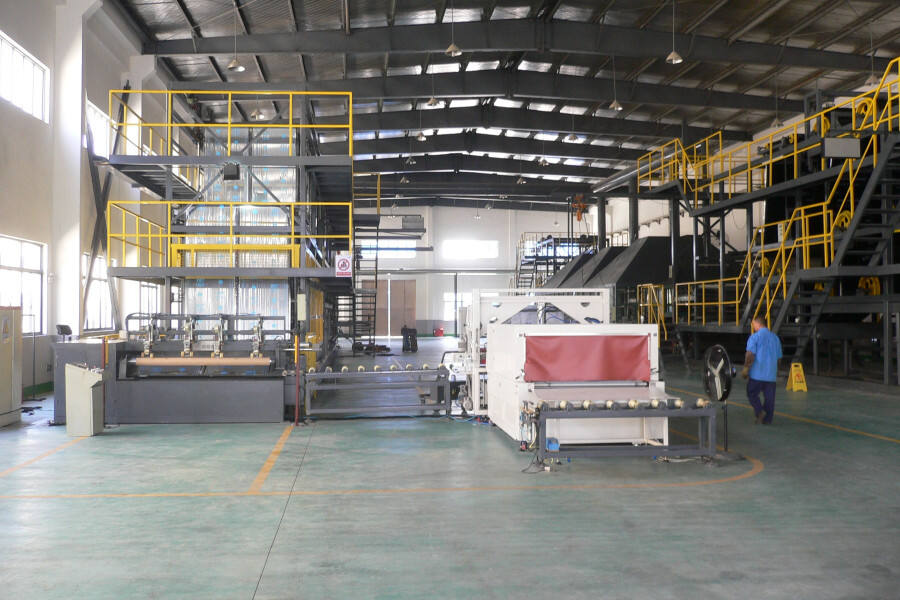
The construction industry has witnessed remarkable evolution in waterproofing technologies over the past decades. While traditional methods like built-up roofing and single-ply membranes dominated the market for years, modified bitumen systems have emerged as a preferred choice for many applications. The unique composition of modified bitumen waterproofing membrane incorporates polymer additives that address the inherent limitations of conventional asphalt-based systems.
Composition and Manufacturing Process
Polymer Enhancement Technology
The manufacturing process of modified bitumen waterproofing membrane involves sophisticated polymer enhancement techniques that transform basic bitumen into a high-performance waterproofing material. Manufacturers typically use two primary polymer types: Atactic Polypropylene (APP) and Styrene-Butadiene-Styrene (SBS). These polymers are integrated into the bitumen matrix during production, creating a homogeneous material with enhanced properties.
APP-modified systems offer excellent heat resistance and dimensional stability, making them ideal for regions with extreme temperature variations. The polypropylene modification creates a thermoplastic material that maintains its integrity under thermal stress. SBS-modified systems provide superior flexibility and elongation properties, allowing the membrane to accommodate structural movement without compromising waterproof integrity.
Reinforcement Layer Integration
Modern modified bitumen waterproofing membrane systems incorporate various reinforcement materials to enhance mechanical strength and dimensional stability. Common reinforcement options include polyester fabric, fiberglass mat, and composite materials that combine multiple fiber types. The reinforcement layer is embedded within the modified bitumen matrix during manufacturing, ensuring optimal adhesion and load distribution.
Polyester reinforcement provides exceptional tensile strength and elongation capabilities, making it suitable for applications where structural movement is anticipated. Fiberglass reinforcement offers superior dimensional stability and fire resistance, though with reduced elongation properties compared to polyester alternatives. The choice of reinforcement material significantly impacts the overall performance characteristics of the modified bitumen waterproofing membrane system.
Performance Comparison with Traditional Systems
Built-Up Roofing Systems
Traditional built-up roofing (BUR) systems consist of multiple layers of felt and asphalt, creating a redundant waterproofing barrier. While BUR systems have demonstrated long-term reliability in many applications, they present several disadvantages when compared to modified bitumen waterproofing membrane systems. The multi-layer construction of BUR requires extensive labor and time for installation, increasing project costs and complexity.
Modified bitumen waterproofing membrane systems offer simplified installation procedures compared to built-up roofing. The reduced number of layers required for effective waterproofing translates to faster installation times and lower labor costs. Additionally, the enhanced flexibility of modified bitumen systems provides better accommodation of structural movement, reducing the likelihood of membrane cracking and subsequent water infiltration.
Single-Ply Membrane Comparison
Single-ply membrane systems, including EPDM, TPO, and PVC membranes, represent another category of modern waterproofing solutions. These systems offer advantages in terms of installation speed and initial cost, but they also present certain limitations when compared to modified bitumen waterproofing membrane systems. Single-ply membranes rely on mechanical fastening or adhesive bonding for attachment, creating potential failure points at seam locations.
The self-adhering properties of many modified bitumen waterproofing membrane systems eliminate the need for mechanical fasteners in certain applications, reducing penetrations through the waterproof barrier. This characteristic is particularly beneficial for applications where maintaining membrane integrity is critical. The thickness of modified bitumen systems also provides enhanced puncture resistance compared to thinner single-ply alternatives.
Installation Methods and Techniques
Torch-Applied Installation
Torch-applied installation represents the traditional method for installing modified bitumen waterproofing membrane systems. This technique involves using an open flame torch to heat the underside of the membrane, activating the modified bitumen compound for adhesion to the substrate. Torch application provides excellent bonding strength and allows for immediate trafficability of the installed membrane.
Professional installation teams must exercise extreme caution during torch application due to fire safety considerations. Proper ventilation, fire safety equipment, and trained personnel are essential requirements for successful torch-applied installations. The heat application must be carefully controlled to ensure adequate activation of the modified bitumen without overheating the membrane material.
Self-Adhering System Technology
Self-adhering modified bitumen waterproofing membrane systems have gained popularity due to their enhanced safety profile and installation convenience. These systems feature a pre-applied adhesive backing that activates upon contact with the prepared substrate, eliminating the need for torch application. The self-adhering technology reduces installation time and minimizes safety risks associated with open flame application.
Temperature considerations play a crucial role in self-adhering system performance. Optimal installation temperatures typically range between 45°F and 85°F, with substrate temperatures affecting adhesion quality. Cold weather installations may require pre-conditioning of membrane rolls to ensure proper adhesive activation, while hot weather conditions may necessitate temporary shading to prevent premature adhesion during handling.
Durability and Longevity Factors
Weather Resistance Properties
Modified bitumen waterproofing membrane systems demonstrate exceptional resistance to various weather conditions, including UV radiation, temperature extremes, and moisture exposure. The polymer modifications significantly enhance the material's ability to withstand thermal cycling without developing cracks or losing flexibility. This weather resistance contributes to extended service life and reduced maintenance requirements.
UV resistance varies depending on the specific polymer modification and surface treatment applied to the modified bitumen waterproofing membrane. Mineral-surfaced membranes provide excellent UV protection through the reflective properties of the granule coating. Smooth-surfaced membranes may require additional UV protection through coating application or ballasting to achieve optimal longevity.
Chemical Resistance Characteristics
The chemical resistance of modified bitumen waterproofing membrane systems makes them suitable for various industrial and commercial applications where chemical exposure is a concern. The modified bitumen matrix provides resistance to many common chemicals, acids, and alkalis that might compromise other waterproofing materials. This resistance is particularly valuable in applications involving chemical storage, processing facilities, or areas with potential chemical contamination.
Regular inspection and maintenance protocols help maximize the chemical resistance benefits of modified bitumen systems. Prompt cleanup of chemical spills and periodic membrane inspection ensure early detection of any chemical-related degradation. The inherent chemical resistance of modified bitumen waterproofing membrane systems reduces the need for specialized protective coatings in many applications.
Cost Analysis and Economic Benefits
Initial Investment Considerations
The initial cost of modified bitumen waterproofing membrane systems typically falls between budget-oriented built-up roofing and premium single-ply membrane systems. While the material cost may be higher than basic alternatives, the installation efficiency and reduced labor requirements often result in competitive total project costs. The simplified installation process reduces both time and labor expenses compared to traditional multi-layer systems.
Equipment requirements for modified bitumen installation are generally less specialized than those needed for certain single-ply systems. Basic torches, rollers, and hand tools comprise the majority of installation equipment needs, making this technology accessible to a broader range of contracting professionals. This accessibility can lead to competitive bidding environments that benefit property owners.
Long-Term Value Proposition
The long-term economic benefits of modified bitumen waterproofing membrane systems stem from their durability, repairability, and maintenance characteristics. The robust construction of these systems typically results in service lives exceeding 20 years with proper installation and maintenance. This longevity compares favorably with alternative waterproofing technologies, providing excellent return on investment.
Repair procedures for modified bitumen systems are generally straightforward and cost-effective compared to other membrane types. Small punctures or tears can be repaired using compatible patching materials and standard application techniques. The ability to perform localized repairs without replacing entire membrane sections contributes significantly to the long-term cost effectiveness of modified bitumen waterproofing membrane systems.
Application Suitability and Limitations
Optimal Application Conditions
Modified bitumen waterproofing membrane systems perform optimally in applications where structural movement, temperature extremes, and long-term durability are primary concerns. Low-slope commercial roofing, plaza deck waterproofing, and below-grade applications represent ideal use cases for these systems. The flexibility and self-healing properties of modified bitumen make it particularly suitable for structures subject to thermal movement or settling.
Climate considerations play an important role in system selection and performance expectations. Modified bitumen waterproofing membrane systems excel in regions with significant temperature variations, as the polymer modifications maintain flexibility across a wide temperature range. The systems also perform well in areas with frequent freeze-thaw cycles, where other materials might experience premature failure.
System Limitations and Constraints
Certain application constraints limit the suitability of modified bitumen waterproofing membrane systems for specific projects. Steep-slope applications typically require mechanical fastening systems that may compromise the waterproof integrity of torch-applied membranes. Weight considerations may also limit the use of modified bitumen systems in structures with limited load-bearing capacity.
Installation weather limitations represent another constraint for modified bitumen systems, particularly torch-applied variants. High wind conditions, precipitation, and extreme temperatures can prevent safe and effective installation procedures. Project scheduling must account for these weather-related limitations to ensure successful membrane installation and performance.
FAQ
How long does a modified bitumen waterproofing membrane typically last
A properly installed modified bitumen waterproofing membrane system typically provides 20 to 30 years of reliable service life, depending on environmental conditions, installation quality, and maintenance practices. The polymer modifications significantly enhance the durability compared to traditional asphalt-based systems, with some high-quality systems exceeding 30 years in optimal conditions. Regular inspection and preventive maintenance can help achieve maximum service life from these systems.
Can modified bitumen membranes be installed in cold weather conditions
Modified bitumen waterproofing membrane installation in cold weather requires special considerations and techniques. Torch-applied systems can generally be installed in temperatures as low as 25°F, provided proper preheating procedures are followed. Self-adhering systems have more restrictive temperature requirements, typically requiring substrate temperatures above 45°F for optimal adhesion. Cold weather installations may require heated storage areas and extended activation times to ensure proper bonding.
What maintenance is required for modified bitumen waterproofing systems
Modified bitumen waterproofing membrane systems require minimal routine maintenance compared to many alternative technologies. Regular inspections should focus on seam integrity, drainage system function, and surface condition assessment. Preventive maintenance typically includes debris removal, drain cleaning, and prompt repair of any minor damage. Professional inspections every 3 to 5 years help identify potential issues before they compromise system performance.
How do modified bitumen membranes compare to liquid-applied systems
Modified bitumen waterproofing membrane systems offer several advantages over liquid-applied waterproofing, including consistent thickness, immediate trafficability, and simplified quality control procedures. While liquid systems can conform to complex geometries more easily, modified bitumen provides superior puncture resistance and proven long-term performance. The choice between systems often depends on specific project requirements, substrate conditions, and installation timeline constraints.