Advanced Automated Palletizing Equipment Solutions - Boost Efficiency & ROI

All Categories

Get a Free Quote

Our representative will contact you soon.
Email
Name
Company Name
Message
0/1000
Attachment
Please upload at least an attachment
Up to 3 files,more 30mb,suppor jpg、jpeg、png、pdf、doc、docx、xls、xlsx、csv、txt

automated palletizing equipment

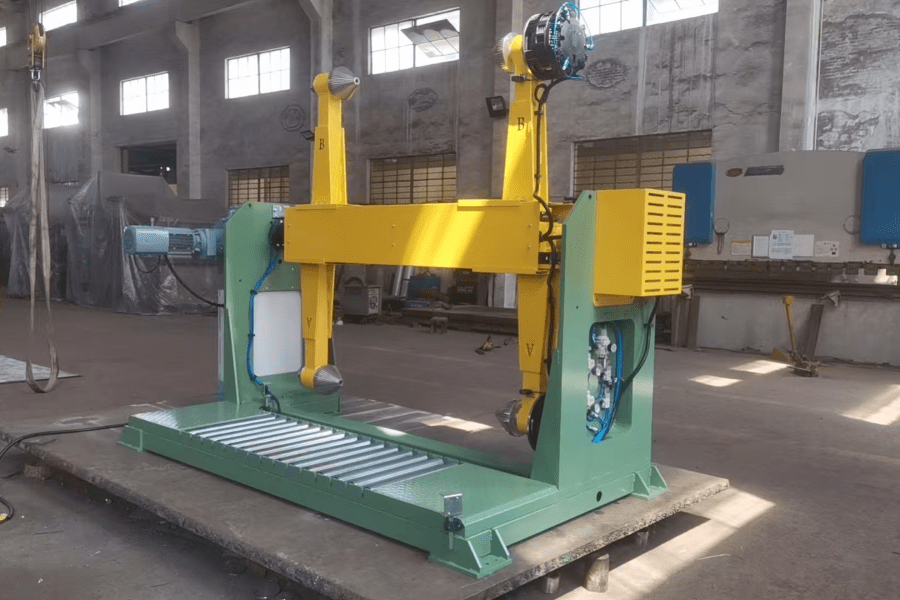
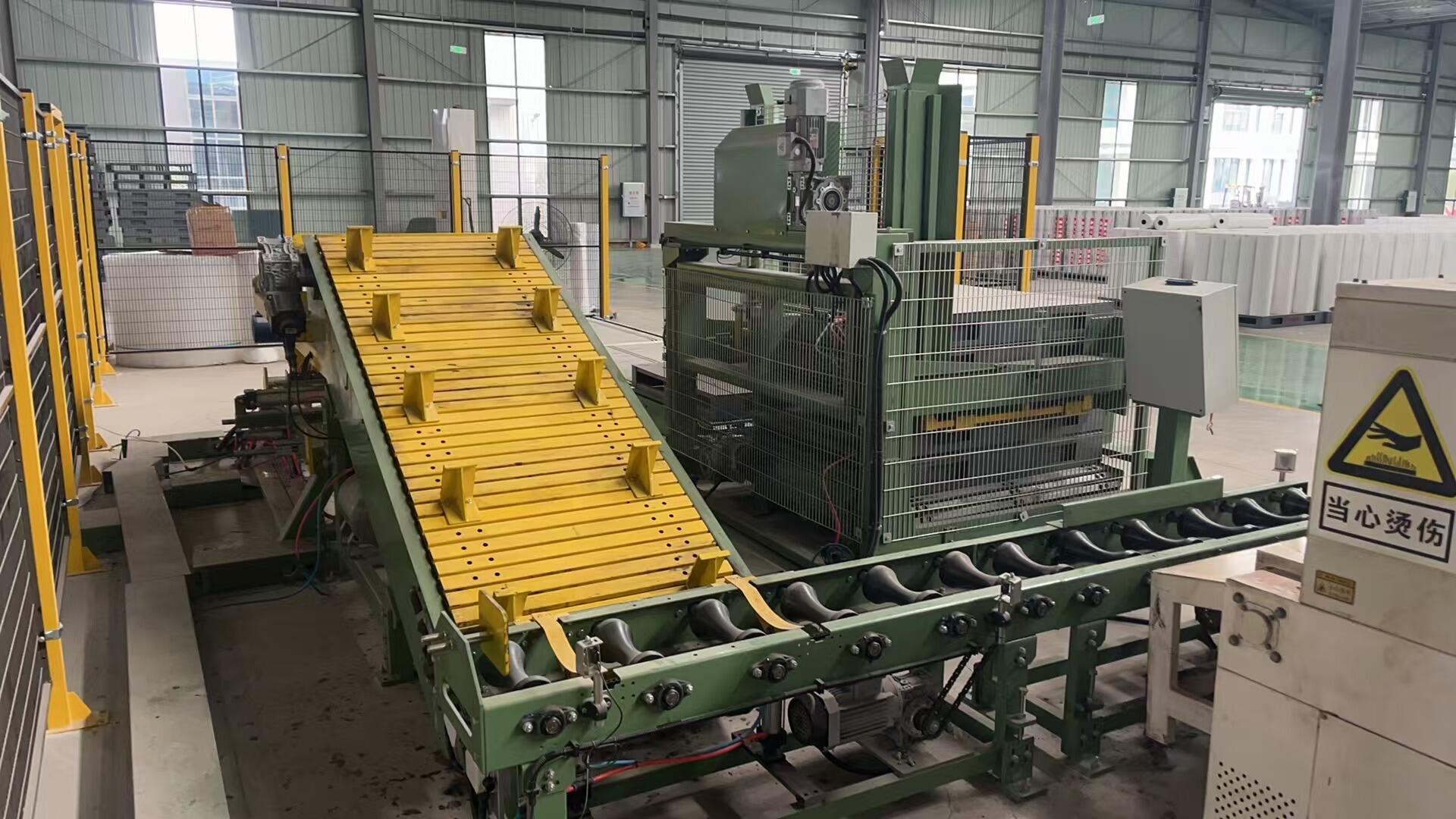
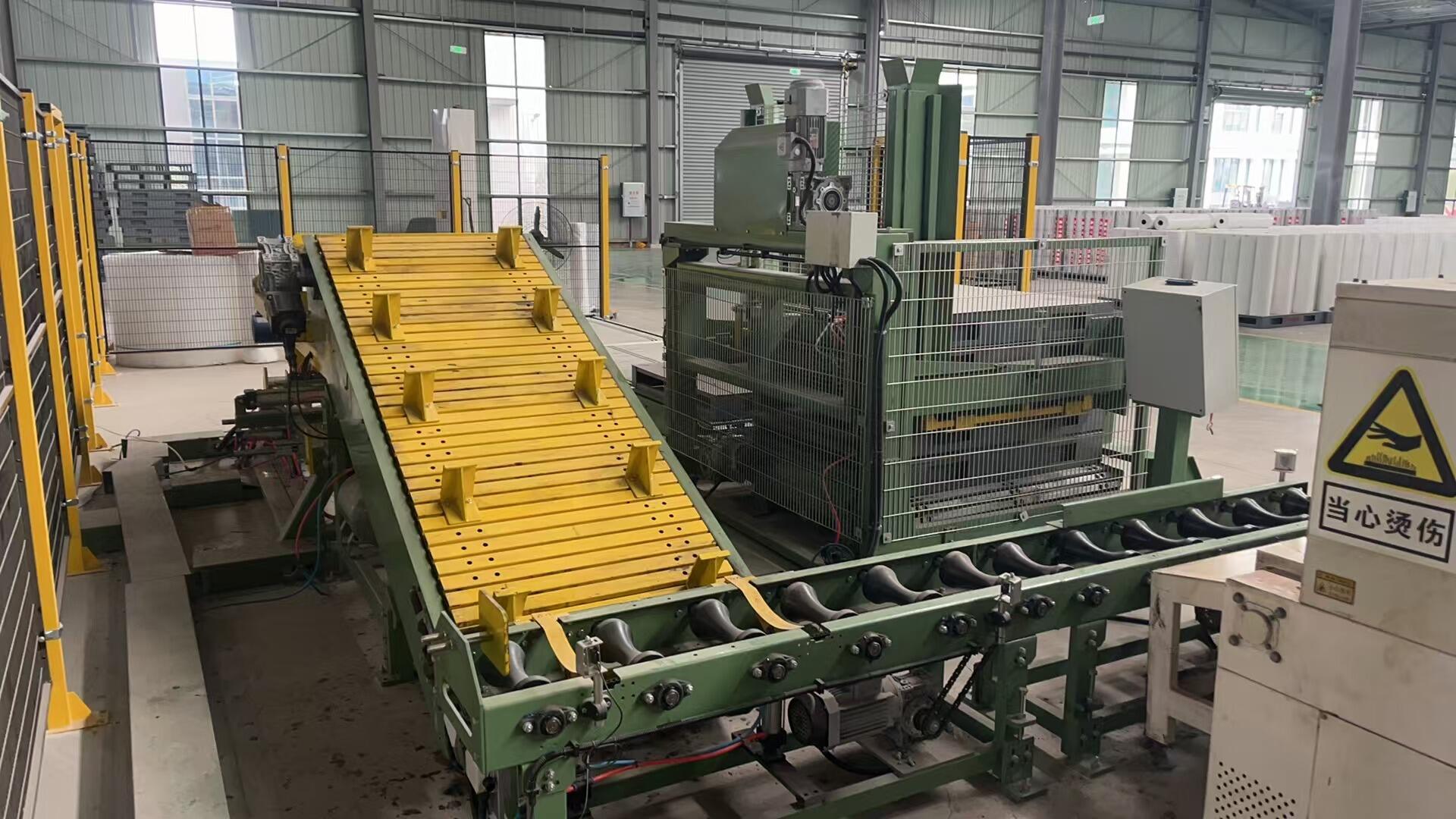
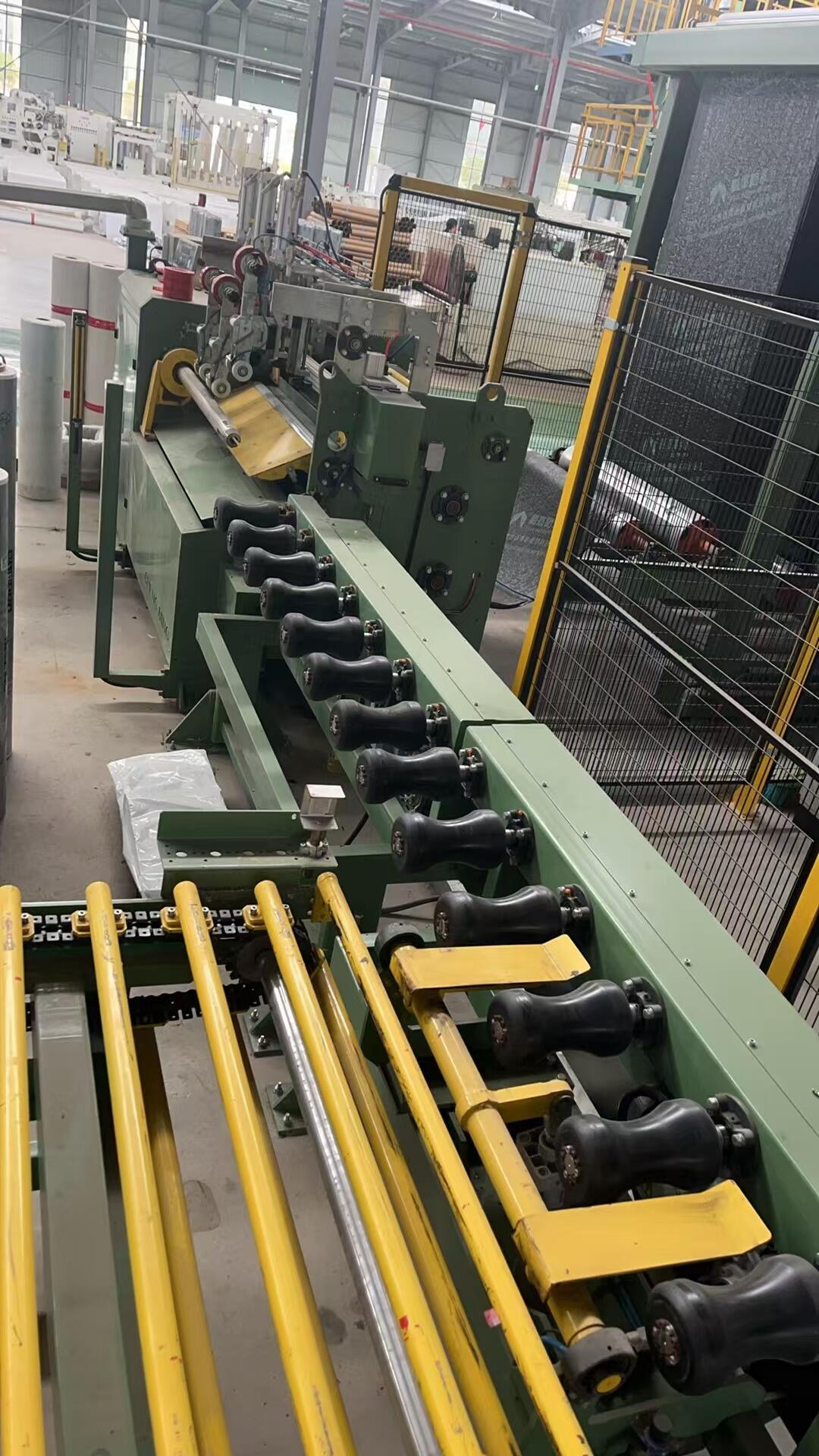
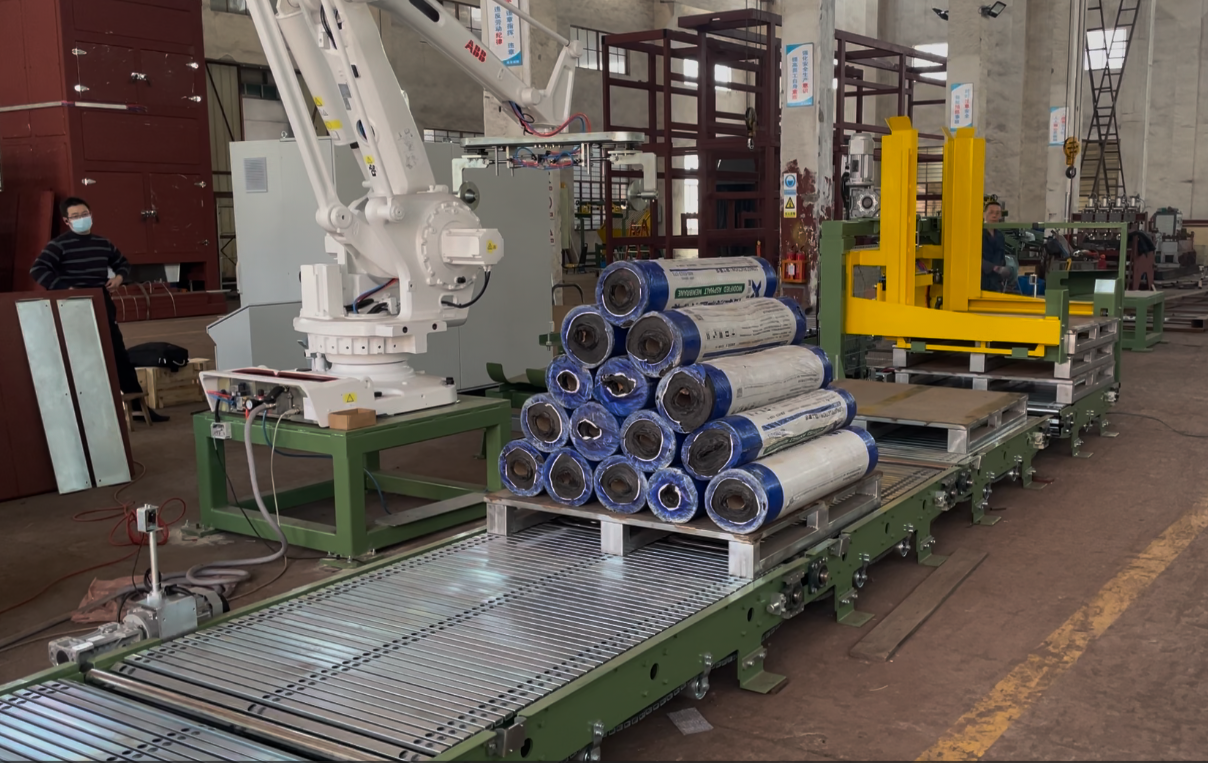
Automated palletizing equipment represents a revolutionary advancement in material handling technology, designed to streamline the process of loading products onto pallets without human intervention. This sophisticated machinery combines robotics, conveyor systems, and intelligent software to create efficient, reliable packaging solutions for manufacturing and distribution facilities. The primary functions of automated palletizing equipment include picking products from conveyor lines, arranging them in predetermined patterns, and stacking them systematically on pallets according to specific load configurations. Modern automated palletizing equipment integrates advanced sensors, programmable logic controllers, and vision systems that enable precise positioning and quality control throughout the palletizing process. The technological features encompass servo-driven actuators that provide exceptional accuracy, touch-screen interfaces for easy operation, and safety systems that ensure worker protection around the machinery. These systems can handle diverse product types, from bags and boxes to bottles and containers, adapting to various shapes, sizes, and weights through customizable gripper attachments and adjustable parameters. Automated palletizing equipment finds extensive applications across multiple industries, including food and beverage processing, pharmaceutical manufacturing, chemical production, and consumer goods packaging. In food processing facilities, this equipment maintains hygiene standards while handling products like cereal boxes, frozen foods, and beverage cases. Pharmaceutical companies utilize automated palletizing equipment to ensure consistent handling of sensitive medications and medical devices. Chemical manufacturers rely on these systems to safely manage hazardous materials and heavy containers. The equipment operates through sophisticated programming that allows operators to create custom stacking patterns, adjust cycle times, and monitor performance metrics in real-time. Integration capabilities enable seamless connection with existing warehouse management systems and enterprise resource planning software, creating comprehensive automation ecosystems that optimize entire production workflows.


New Product Recommendations

Automated palletizing equipment delivers substantial operational benefits that directly impact your bottom line and workplace efficiency. The most immediate advantage is the dramatic increase in productivity rates, as these systems can process thousands of products per hour without breaks, fatigue, or performance variations that affect human workers. This consistent output enables companies to meet demanding production schedules and handle peak season volumes without hiring additional temporary staff or extending work shifts. Labor cost reduction represents another significant benefit, as automated palletizing equipment eliminates the need for multiple workers to perform repetitive, physically demanding tasks. Companies typically recover their equipment investment within 18 to 24 months through reduced labor expenses alone, while gaining the flexibility to reassign workers to higher-value activities that require human judgment and creativity. Workplace safety improvements are equally important, as automated palletizing equipment removes workers from potentially hazardous environments where heavy lifting, repetitive motions, and contact with dangerous materials create injury risks. This reduction in workplace accidents translates to lower workers' compensation costs, decreased insurance premiums, and improved employee morale. Quality consistency becomes achievable through automated palletizing equipment because machines maintain precise positioning accuracy and gentle product handling throughout every cycle. This consistency reduces product damage, minimizes customer complaints, and protects brand reputation by ensuring that palletized loads arrive at their destinations in optimal condition. Space utilization optimization occurs as automated palletizing equipment creates uniformly stacked pallets that maximize warehouse storage capacity and improve transportation efficiency. The precise stacking patterns enable better load stability during shipping, reducing the risk of product damage during transit. Energy efficiency represents another practical advantage, as modern automated palletizing equipment incorporates variable speed drives and optimized motion profiles that minimize power consumption compared to older pneumatic systems. Real-time monitoring capabilities provide valuable operational insights, allowing managers to track performance metrics, identify bottlenecks, and implement data-driven improvements. The scalability of automated palletizing equipment means systems can be expanded or reconfigured as business needs evolve, providing long-term flexibility that adapts to changing market demands and product lines.

Latest News

Is a twin-screw extruder better for an HDPE production line output?

04

Dec

Is a twin-screw extruder better for an HDPE production line output?

Industrial automation has transformed manufacturing processes across countless industries, with pneumatic piston assembly technology serving as a cornerstone of modern mechanical systems. These precision-engineered components deliver reliable linear ...
View More
How does an HDPE production line ensure uniform sheet thickness at 2 mm?

17

Dec

How does an HDPE production line ensure uniform sheet thickness at 2 mm?

Manufacturing high-density polyethylene sheets with precise thickness control represents one of the most critical challenges in modern polymer processing. Achieving consistent 2 mm thickness across large sheet dimensions requires sophisticated engine...
View More
Can an APP membrane production line switch to APAO blends seamlessly?

22

Jan

Can an APP membrane production line switch to APAO blends seamlessly?

Modern waterproofing applications increasingly demand versatile manufacturing capabilities, particularly when facilities need to adapt their existing equipment for different polymer formulations. The transition from traditional atactic polypropylene ...
View More
Is a pre-applied membrane production line the key to zero-lap waterproofing?

06

Feb

Is a pre-applied membrane production line the key to zero-lap waterproofing?

Modern construction demands increasingly sophisticated waterproofing solutions that deliver both reliability and efficiency. The emergence of zero-lap waterproofing technology has revolutionized how construction professionals approach moisture protec...
View More

Get a Free Quote

Our representative will contact you soon.
Email
Name
Company Name
Message
0/1000
Attachment
Please upload at least an attachment
Up to 3 files,more 30mb,suppor jpg、jpeg、png、pdf、doc、docx、xls、xlsx、csv、txt

automated palletizing equipment

Advanced Robotic Precision and Flexibility

Advanced Robotic Precision and Flexibility

The cornerstone of modern automated palletizing equipment lies in its sophisticated robotic precision and remarkable flexibility, which sets it apart from traditional material handling solutions. These systems incorporate state-of-the-art servo motors and precision encoders that deliver positioning accuracy within millimeters, ensuring that every product placement is exactly where it needs to be for optimal load stability. The robotic arms feature multiple axes of movement, typically ranging from four to six degrees of freedom, allowing them to navigate complex three-dimensional spaces and accommodate various product orientations with ease. This precision becomes particularly valuable when handling fragile items such as glass containers or electronic components, where gentle yet secure handling prevents costly product damage. The flexibility aspect of automated palletizing equipment manifests through its ability to handle diverse product portfolios without requiring extensive retooling or downtime. Advanced gripper systems can be quickly changed or adjusted to accommodate different package sizes, shapes, and materials, from lightweight plastic bottles to heavy metal containers weighing up to 50 kilograms per unit. The programming flexibility allows operators to create and store hundreds of different palletizing patterns, enabling rapid product changeovers that maintain production efficiency during multi-product runs. Vision-guided systems enhance this flexibility by automatically detecting product variations and adjusting handling parameters in real-time, reducing the need for manual intervention when processing mixed product loads. The intelligent software platforms that control automated palletizing equipment learn from operational patterns and can optimize cycle times, motion paths, and energy consumption based on historical performance data. This adaptive capability ensures that the equipment continues to improve its efficiency over time, delivering increasing value to operators. Emergency response features provide additional operational flexibility by allowing immediate system shutdowns when safety sensors detect anomalies, while quick-restart procedures minimize production interruptions. The modular design philosophy enables companies to start with basic automated palletizing equipment configurations and add advanced features such as layer pad insertion, stretch wrapping integration, or quality inspection modules as their needs evolve, providing a growth path that protects initial investments while supporting business expansion.
Seamless Integration and Smart Connectivity

Seamless Integration and Smart Connectivity

Modern automated palletizing equipment excels in its ability to integrate seamlessly with existing production infrastructure while providing smart connectivity features that transform isolated machinery into components of comprehensive digital ecosystems. The integration capabilities begin with mechanical interfaces that allow automated palletizing equipment to connect directly with upstream conveyor systems, downstream stretch wrappers, and peripheral equipment such as pallet dispensers and full pallet removal systems. This mechanical integration eliminates manual material transfer points that often create bottlenecks and safety hazards in traditional operations. Communication protocols built into automated palletizing equipment support industry-standard interfaces including Ethernet/IP, Profibus, and Modbus, enabling direct data exchange with programmable logic controllers, supervisory control systems, and enterprise resource planning platforms. This connectivity allows real-time production monitoring, automatic order processing, and seamless coordination between palletizing operations and broader manufacturing schedules. The smart connectivity features include cloud-based monitoring capabilities that enable remote diagnostics, predictive maintenance scheduling, and performance optimization through data analytics. Operators can access detailed operational metrics through web-based dashboards that display key performance indicators such as throughput rates, error frequencies, and energy consumption patterns. Mobile applications extend this connectivity by allowing authorized personnel to monitor system status, receive alerts, and perform basic troubleshooting procedures from anywhere in the facility or even off-site locations. Advanced automated palletizing equipment incorporates machine learning algorithms that analyze operational patterns and automatically optimize parameters such as acceleration profiles, grip pressure settings, and cycle timing to maximize efficiency while minimizing wear on mechanical components. The integration extends to quality management systems through barcode scanners and vision inspection modules that verify product placement accuracy and detect packaging defects before products leave the palletizing station. Warehouse management system integration enables automated palletizing equipment to receive picking instructions directly from inventory management software, automatically adjusting stacking patterns based on destination requirements, weight distribution needs, or transportation constraints. This level of integration eliminates manual data entry errors and ensures that palletized loads meet specific customer requirements without additional handling steps.
Exceptional Return on Investment and Long-Term Value

Exceptional Return on Investment and Long-Term Value

Automated palletizing equipment delivers exceptional return on investment through multiple value streams that compound over time, making it one of the most financially attractive automation investments for manufacturing and distribution operations. The immediate cost savings begin with labor reduction, as a single automated palletizing system typically replaces two to four full-time workers across multiple shifts, generating annual savings that often exceed $200,000 in labor costs alone. These savings continue indefinitely without the escalating costs associated with wage increases, benefits, and overtime payments that affect human labor. Beyond direct labor savings, automated palletizing equipment reduces workers' compensation insurance premiums by eliminating high-risk manual handling activities that frequently result in back injuries, repetitive stress disorders, and other occupational health issues. Insurance companies often provide significant premium discounts for facilities that implement comprehensive automation programs, recognizing the reduced liability exposure. The productivity improvements delivered by automated palletizing equipment create additional revenue opportunities through increased throughput capacity that enables companies to accept larger orders, meet tighter delivery schedules, and expand into new markets without proportional increases in operational costs. Quality improvements translate directly to bottom-line benefits through reduced product damage, fewer customer complaints, and decreased warranty claims. The consistent handling provided by automated palletizing equipment minimizes packaging damage that occurs during manual operations, protecting profit margins on every unit processed. Long-term value creation occurs through the equipment's durability and upgradeability, as high-quality automated palletizing systems typically operate reliably for 15 to 20 years with proper maintenance, spreading the initial investment over an extended period while continuously generating savings. Technology refresh opportunities allow companies to upgrade software, add new features, or enhance capabilities without replacing the entire system, protecting the original investment while keeping pace with technological advances. Energy efficiency improvements contribute ongoing operational savings, as modern automated palletizing equipment consumes significantly less power than older systems or manual operations that require extensive facility lighting and climate control for worker comfort. The data collection capabilities of automated palletizing equipment provide valuable insights for continuous improvement initiatives that generate additional cost savings through optimized processes, reduced waste, and improved resource utilization. Tax advantages such as accelerated depreciation schedules and automation investment credits can further improve the financial attractiveness of automated palletizing equipment investments, reducing the effective cost and shortening payback periods.
Advanced Automated Palletizing Equipment Solutions - Boost Efficiency & ROI

Get a Free Quote

Our representative will contact you soon.
Email
Name
Company Name
Message
0/1000
Attachment
Please upload at least an attachment
Up to 3 files,more 30mb,suppor jpg、jpeg、png、pdf、doc、docx、xls、xlsx、csv、txt