Modular Design Architecture for Maximum Operational Flexibility
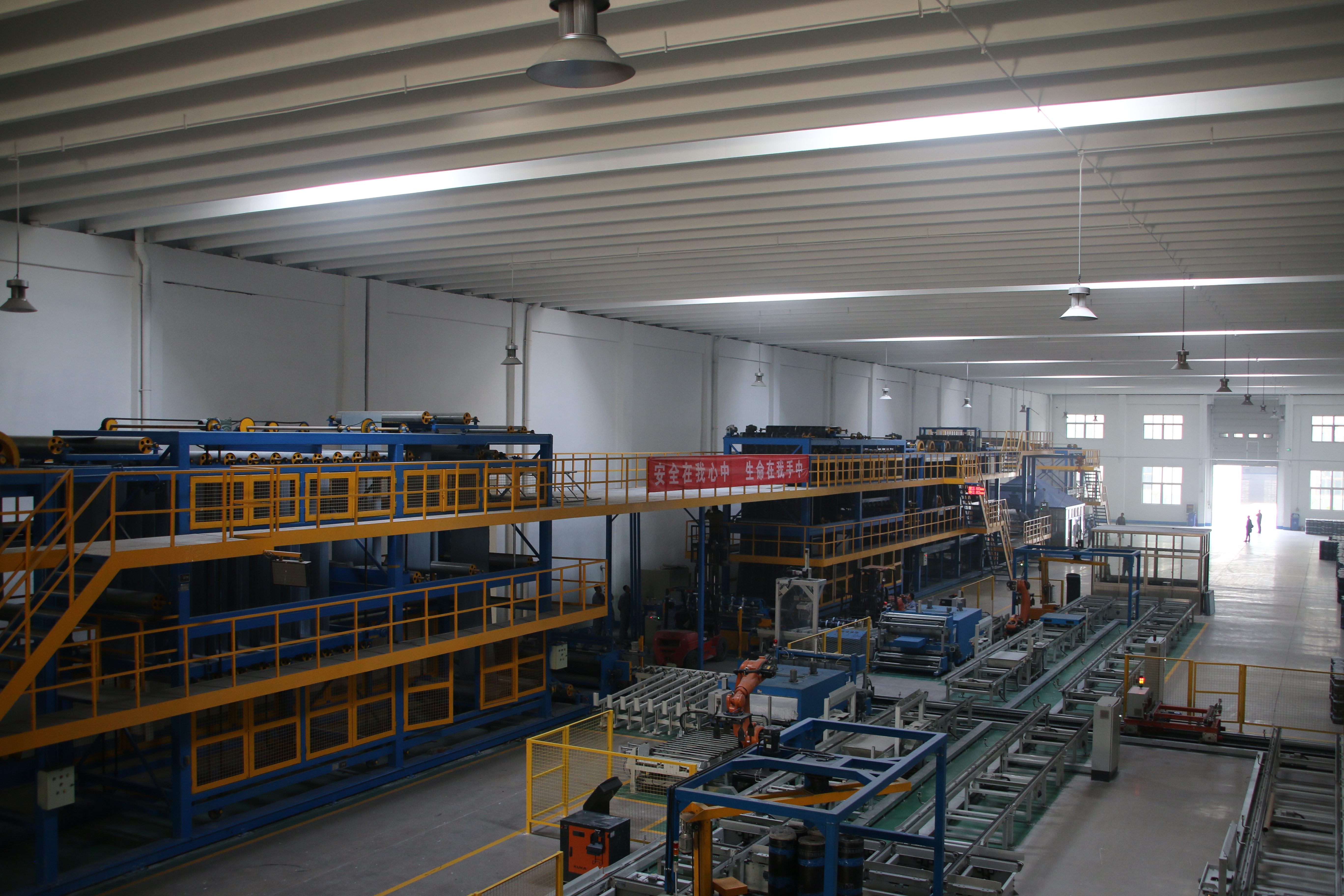
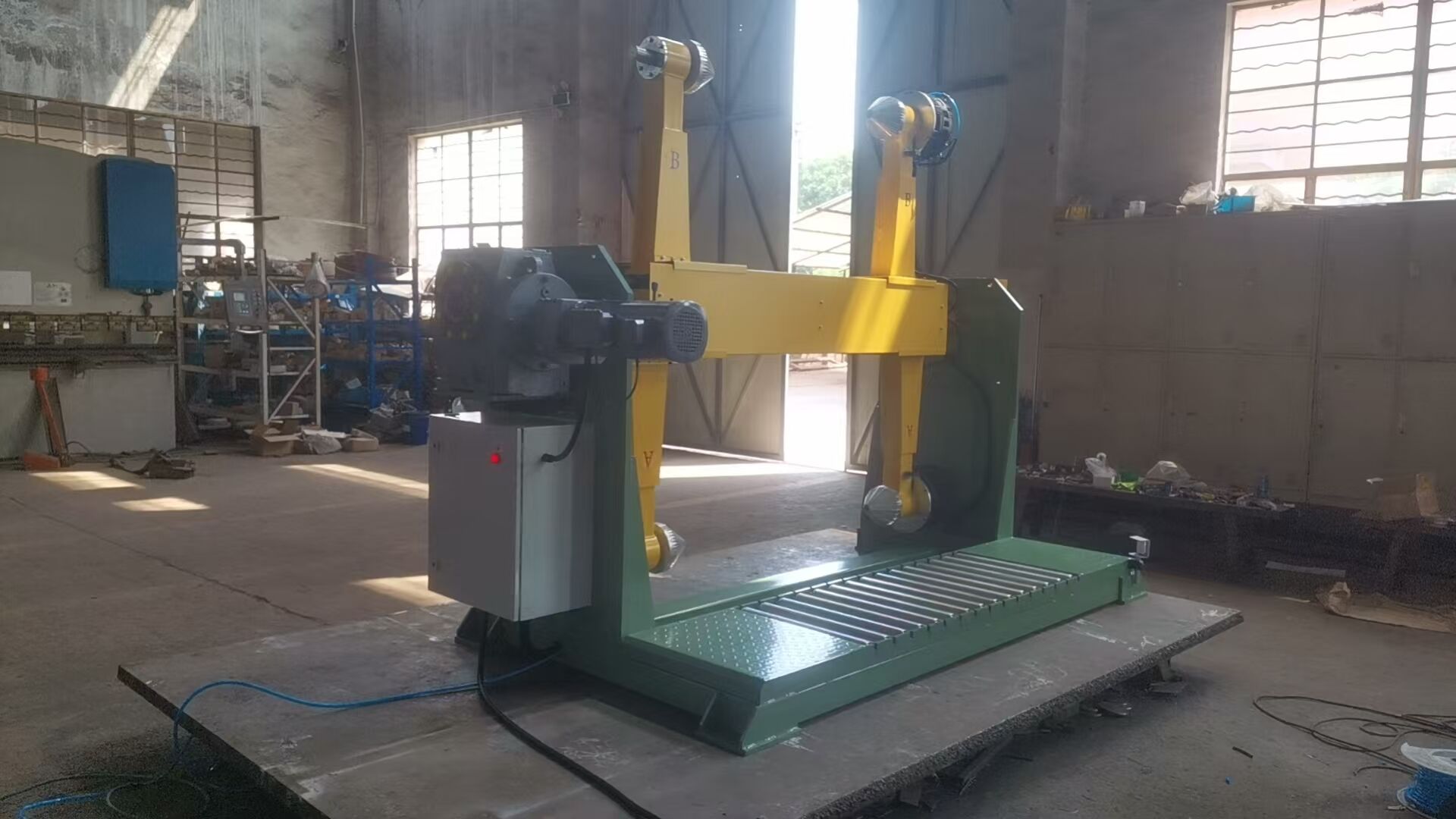
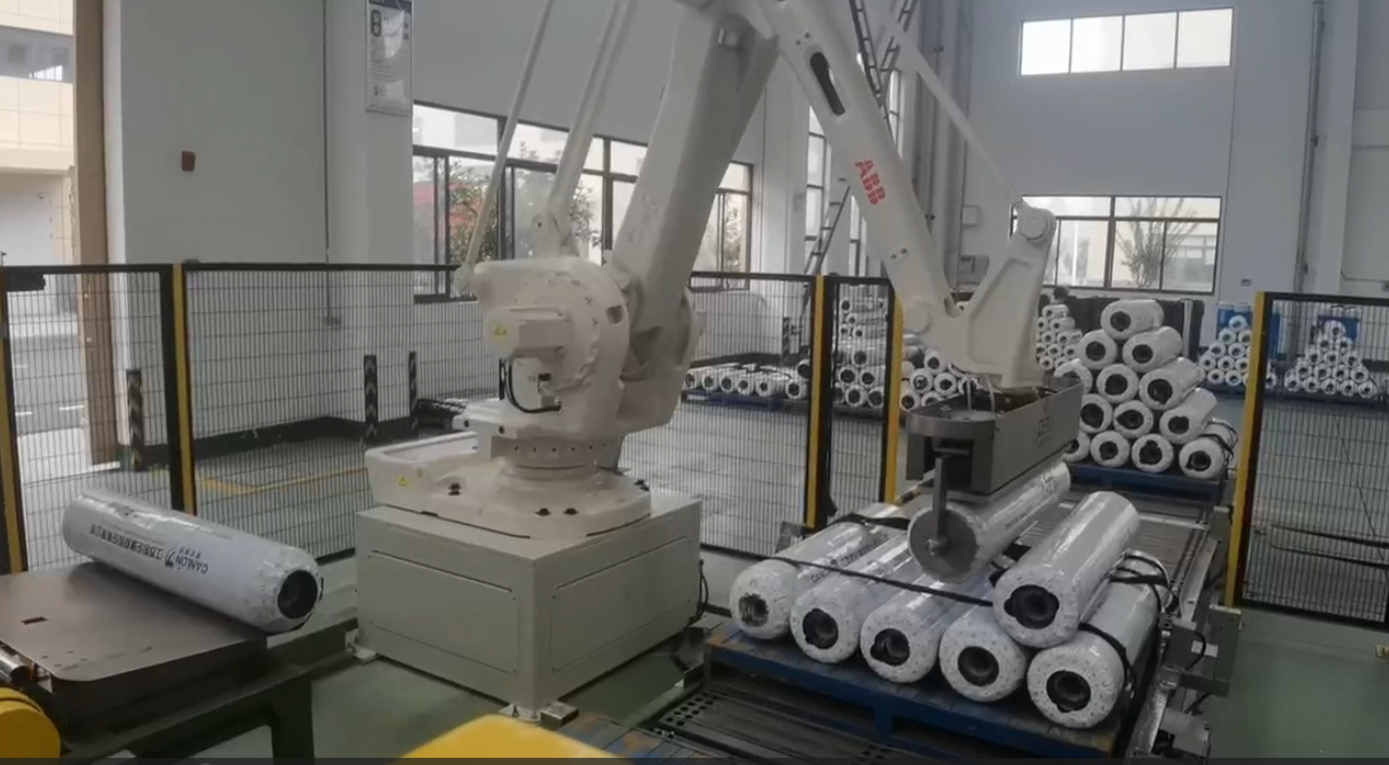
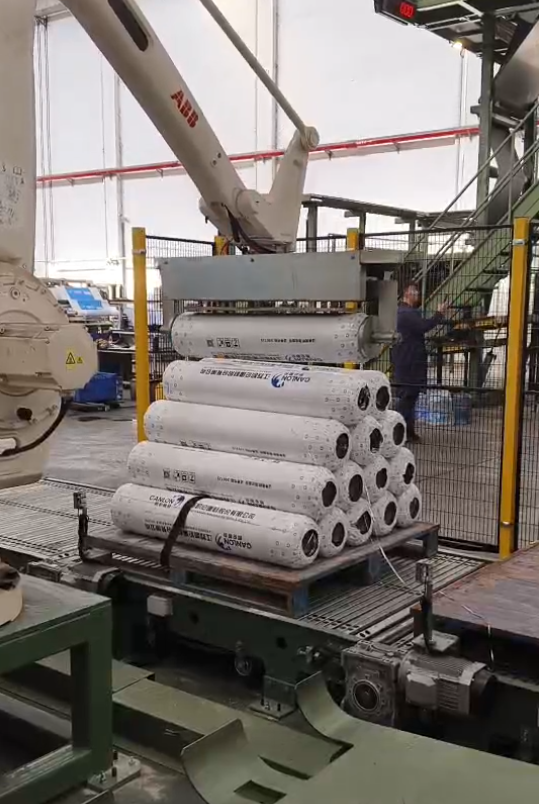
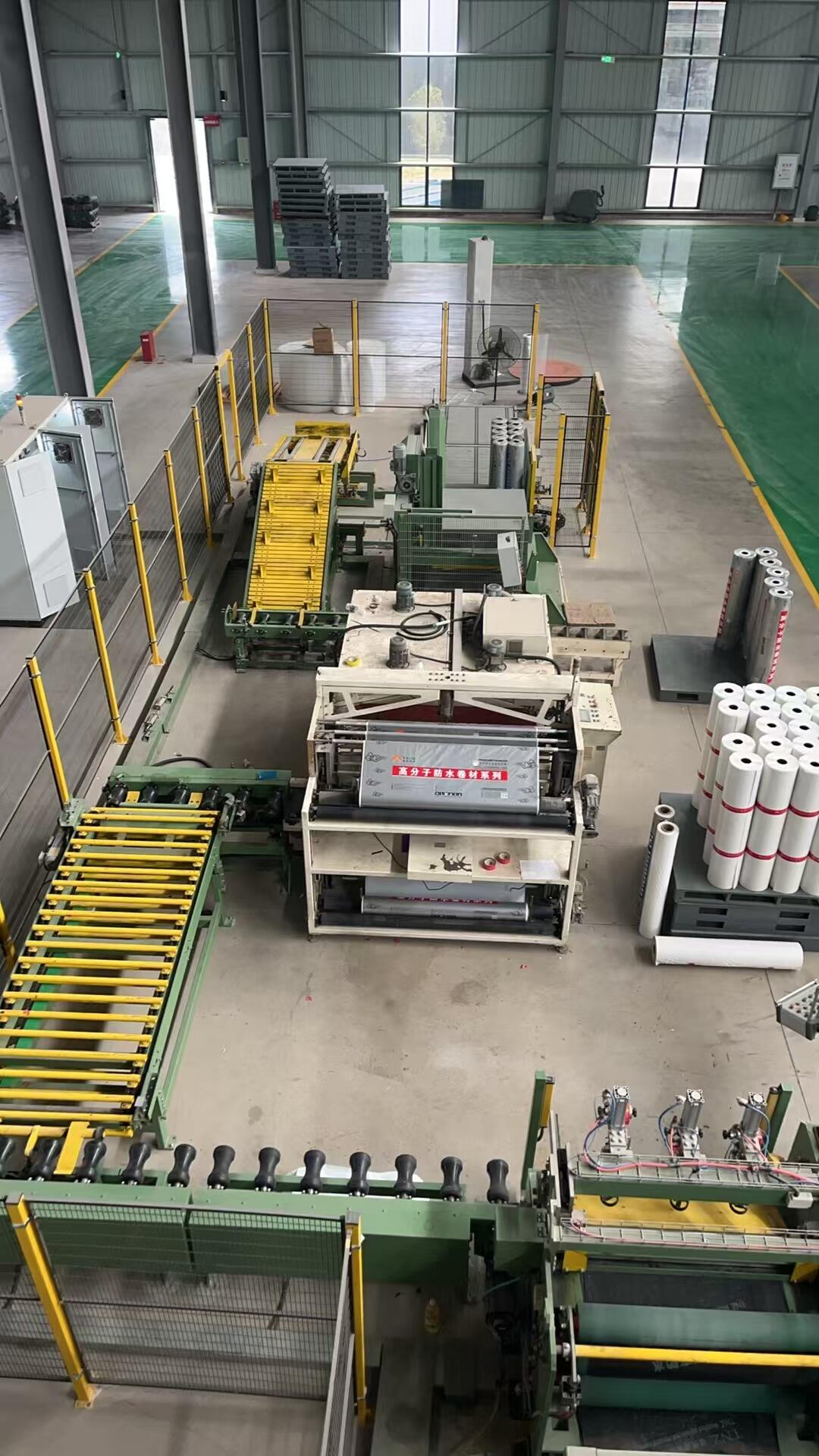
The modular design architecture of the robot palletizer machine provides unprecedented flexibility and scalability to accommodate diverse production environments and evolving business requirements. This innovative approach allows companies to configure systems precisely according to their specific needs while maintaining the ability to expand or modify capabilities as operations grow. Each module within the robot palletizer machine serves distinct functions, including product infeed, robotic manipulation, pallet management, and control systems, enabling businesses to select components that align with their production volumes and product characteristics. The modular framework facilitates rapid installation and commissioning, reducing implementation timeframes and minimizing disruption to existing operations. Expansion capabilities allow businesses to add additional robots, increase throughput capacity, or incorporate specialized handling modules without replacing the entire system. Product changeovers become seamless through interchangeable end-effectors and programmable gripping systems that accommodate different package sizes, shapes, and materials within minutes rather than hours. The modular architecture supports integration with various conveyor systems, packaging equipment, and warehouse automation technologies, creating comprehensive material handling solutions tailored to specific operational requirements. Maintenance procedures benefit from the modular design, as individual components can be serviced or replaced without shutting down the entire robot palletizer machine, maximizing uptime and operational continuity. The standardized interfaces between modules ensure compatibility with future technological upgrades, protecting capital investments and extending system lifecycles. Customization options within each module address unique industry requirements, such as sanitary designs for food processing, explosion-proof configurations for hazardous environments, or temperature-controlled systems for pharmaceutical applications. The modular approach reduces total cost of ownership through optimized component utilization, simplified spare parts inventory, and reduced training requirements for maintenance personnel. This architectural philosophy ensures that the robot palletizer machine evolves alongside business growth, adapting to new products, increased volumes, and changing market demands while maintaining optimal performance and return on investment.

 EN
EN