Advanced Automatic Palletizing Systems - Robotic Palletizing Solutions for Enhanced Warehouse Efficiency

All Categories

Get a Free Quote

Our representative will contact you soon.
Email
Name
Company Name
Message
0/1000
Attachment
Please upload at least an attachment
Up to 3 files,more 30mb,suppor jpg、jpeg、png、pdf、doc、docx、xls、xlsx、csv、txt

automatic palletizing system

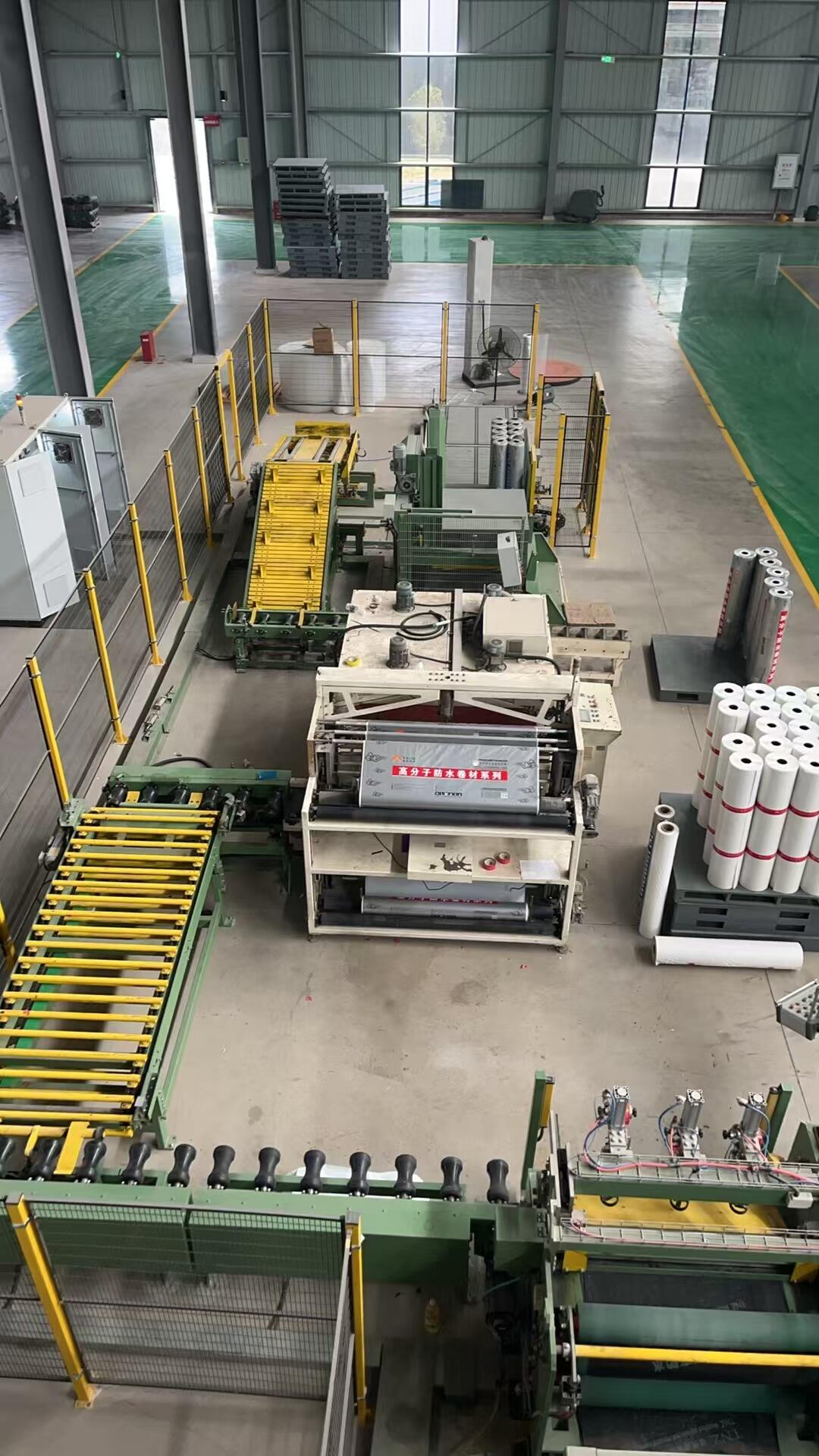
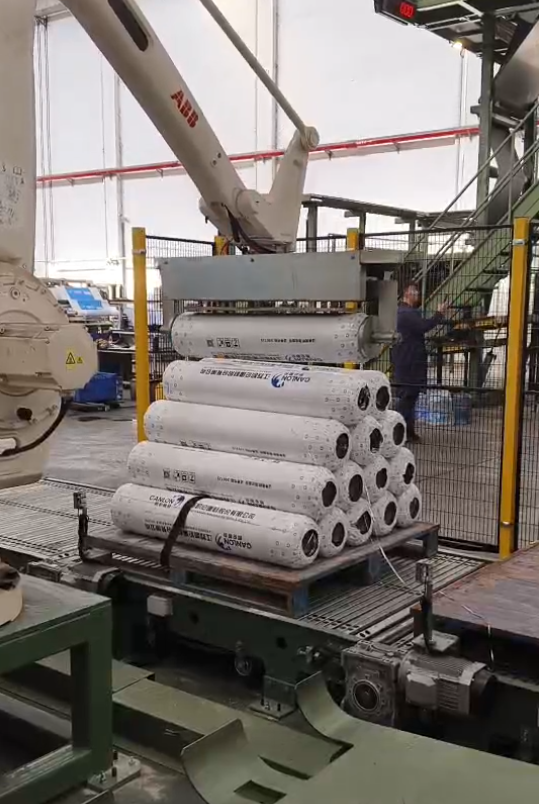
An automatic palletizing system represents a sophisticated industrial automation solution designed to streamline the process of stacking products onto pallets without human intervention. This advanced technology combines robotics, conveyor systems, and intelligent software to create an efficient, reliable method for organizing goods in warehouses and manufacturing facilities. The automatic palletizing system operates through a series of coordinated components that work together to pick up products from production lines or storage areas and arrange them systematically on pallets according to predetermined patterns. The main functions of an automatic palletizing system include product detection and positioning, where sensors and cameras identify incoming items and determine their optimal placement. The system calculates weight distribution and stacking patterns to ensure pallet stability while maximizing space utilization. Advanced gripper mechanisms or suction systems handle various product types, from boxes and bags to irregular-shaped items. The technological features encompass programmable logic controllers that manage the entire operation, enabling customization for different product specifications and pallet configurations. Modern automatic palletizing systems incorporate artificial intelligence and machine learning capabilities to optimize stacking patterns and adapt to changing product dimensions. Safety systems include emergency stops, protective barriers, and collision detection to ensure worker protection. The applications of automatic palletizing systems span numerous industries including food and beverage, pharmaceuticals, automotive parts, consumer goods, and chemical products. In food processing facilities, these systems handle cases of canned goods, frozen products, and packaged items while maintaining hygiene standards. Pharmaceutical companies utilize automatic palletizing systems for secure handling of sensitive medications and maintaining strict inventory control. Manufacturing plants implement these systems to manage heavy components and finished products efficiently. The versatility of automatic palletizing systems allows integration with existing warehouse management systems and enterprise resource planning software, providing real-time tracking and inventory management capabilities that enhance overall operational visibility and control.


New Products

The automatic palletizing system delivers substantial operational improvements that directly impact business profitability and efficiency. Companies experience dramatic increases in throughput capacity, with modern systems handling up to 1,200 cases per hour compared to manual operations that typically manage 150-200 cases hourly. This enhanced speed translates to faster order fulfillment and improved customer satisfaction. Labor cost reduction represents another significant advantage, as the automatic palletizing system eliminates the need for multiple workers dedicated to manual stacking tasks. Organizations can redirect human resources to higher-value activities while reducing overtime expenses and addressing labor shortage challenges. The system operates continuously without breaks, sick days, or shift changes, ensuring consistent productivity levels throughout operations. Product quality improvements occur because the automatic palletizing system maintains precise handling standards that minimize damage from dropping, crushing, or improper stacking. Consistent pallet configurations enhance load stability during transportation, reducing product loss and customer complaints. The system adapts to various package sizes and weights without compromising handling quality. Safety benefits are substantial as workers avoid repetitive lifting motions that cause back injuries and musculoskeletal disorders. The automatic palletizing system eliminates workplace accidents associated with heavy lifting and reduces workers' compensation claims. Enhanced workplace ergonomics create better working conditions and improve employee retention rates. Space optimization becomes achievable through precise stacking patterns that maximize warehouse storage capacity. The automatic palletizing system calculates optimal arrangements that traditional manual methods cannot consistently achieve. This efficiency reduces facility expansion needs and lowers real estate costs. Flexibility advantages include rapid changeover capabilities between different product types and pallet configurations. Programming modifications accommodate new products without significant downtime or retooling expenses. The system integrates seamlessly with existing production lines and warehouse management systems, providing scalable solutions that grow with business needs. Return on investment typically occurs within 18-24 months through combined savings in labor costs, reduced product damage, increased throughput, and improved safety records. Long-term operational benefits include predictable maintenance schedules, extended equipment lifespan, and consistent performance metrics that support strategic planning and budgeting processes.

Latest News

Is modular membrane equipment the answer to rapid product changeovers?

27

Nov

Is modular membrane equipment the answer to rapid product changeovers?

Manufacturing industries today face unprecedented pressure to adapt quickly to changing market demands, requiring production systems that can switch between different products efficiently. Traditional manufacturing setups often struggle with lengthy ...
View More
Membrane equipment

27

Nov

Membrane equipment

Modern industrial processes rely heavily on advanced separation technologies to achieve optimal efficiency and product quality. Membrane equipment has emerged as a cornerstone technology across numerous industries, from water treatment and pharmaceut...
View More
Why upgrade to a servo-driven asphalt shingle cutter for pattern flexibility?

17

Dec

Why upgrade to a servo-driven asphalt shingle cutter for pattern flexibility?

Modern roofing manufacturers face increasing pressure to deliver diverse, high-quality asphalt shingle patterns that meet evolving architectural demands. Traditional cutting systems often limit production flexibility, forcing manufacturers to choose ...
View More
How does an HDPE production line ensure uniform sheet thickness at 2 mm?

17

Dec

How does an HDPE production line ensure uniform sheet thickness at 2 mm?

Manufacturing high-density polyethylene sheets with precise thickness control represents one of the most critical challenges in modern polymer processing. Achieving consistent 2 mm thickness across large sheet dimensions requires sophisticated engine...
View More

Get a Free Quote

Our representative will contact you soon.
Email
Name
Company Name
Message
0/1000
Attachment
Please upload at least an attachment
Up to 3 files,more 30mb,suppor jpg、jpeg、png、pdf、doc、docx、xls、xlsx、csv、txt

automatic palletizing system

Advanced Robotic Precision and Reliability

Advanced Robotic Precision and Reliability

The cornerstone of any effective automatic palletizing system lies in its advanced robotic precision and unwavering reliability that transforms warehouse operations. Modern robotic arms equipped with sophisticated sensors and vision systems deliver exceptional accuracy in product placement, ensuring consistent pallet configurations that meet exact specifications every time. These robots utilize multi-axis movement capabilities that allow them to handle complex stacking patterns while maintaining optimal weight distribution across the entire pallet surface. The precision engineering behind these systems enables them to work with products of varying dimensions, weights, and shapes without compromising performance quality. Advanced gripper technologies adapt automatically to different package types, from lightweight pharmaceutical boxes to heavy automotive components, ensuring secure handling throughout the palletizing process. The reliability factor becomes evident through continuous operation capabilities that extend beyond human limitations, with systems operating 24/7 without fatigue or performance degradation. Predictive maintenance technologies monitor system components in real-time, identifying potential issues before they cause downtime and scheduling maintenance activities during planned production breaks. This proactive approach minimizes unexpected failures and maintains consistent production schedules. The robotic systems incorporate redundant safety mechanisms and backup systems that ensure operational continuity even when individual components require servicing. Quality assurance features include automatic calibration routines that maintain positioning accuracy over extended periods, preventing drift that could affect pallet stability. Integration capabilities allow these systems to communicate seamlessly with upstream and downstream equipment, creating synchronized workflows that optimize overall facility efficiency. The automatic palletizing system adapts quickly to production changes, with programmable settings that accommodate new product introductions or seasonal variations without extensive reconfiguration time. This flexibility proves invaluable for companies managing diverse product portfolios or experiencing frequent specification changes, providing the agility needed to respond rapidly to market demands while maintaining operational excellence.
Intelligent Software Integration and Data Analytics

Intelligent Software Integration and Data Analytics

The intelligent software integration capabilities of modern automatic palletizing systems represent a revolutionary advancement that transforms raw operational data into actionable business intelligence. Sophisticated algorithms analyze real-time production patterns, optimizing stacking sequences and pallet configurations to maximize efficiency while minimizing handling time. The software continuously learns from operational data, identifying trends and patterns that enable predictive optimization of future palletizing tasks. Machine learning capabilities allow the system to adapt automatically to changing product characteristics or production requirements without manual programming interventions. Advanced warehouse management system integration provides seamless data flow between the automatic palletizing system and enterprise resource planning platforms, enabling real-time inventory tracking and automated reporting functions. The software generates comprehensive performance analytics that include throughput metrics, error rates, maintenance schedules, and efficiency comparisons across different time periods. These insights enable managers to make data-driven decisions about production scheduling, maintenance planning, and capacity optimization. Customizable dashboards present key performance indicators in user-friendly formats, allowing operators and supervisors to monitor system status and performance trends at a glance. Alert systems notify personnel immediately when performance deviates from established parameters, enabling rapid response to potential issues before they impact production schedules. The software architecture supports remote monitoring capabilities, allowing technical support teams to diagnose problems and implement solutions without on-site visits. This remote accessibility reduces downtime and ensures expert assistance is available regardless of location or time constraints. Integration with quality management systems enables automatic documentation of palletizing activities, supporting compliance requirements and audit trails. The automatic palletizing system software also facilitates seamless communication with transportation management systems, optimizing load configurations for specific delivery requirements and transportation constraints. Advanced scheduling algorithms coordinate palletizing activities with production schedules and shipping deadlines, ensuring optimal workflow coordination throughout the entire supply chain process.
Scalable Flexibility and Future-Proof Technology

Scalable Flexibility and Future-Proof Technology

The scalable flexibility inherent in modern automatic palletizing systems provides organizations with future-proof technology investments that adapt and grow alongside evolving business requirements. Modular system designs enable companies to start with basic configurations and expand capabilities as production volumes increase or product portfolios diversify. This scalability eliminates the need for complete system replacements when business needs change, protecting initial investments while providing clear upgrade pathways. The automatic palletizing system accommodates multiple product lines simultaneously through quick-change tooling and programmable settings that switch between different specifications in minutes rather than hours. Advanced programming interfaces allow operators to create and modify palletizing patterns without specialized technical knowledge, reducing dependency on external support for routine configuration changes. The systems support integration with emerging technologies such as artificial intelligence, Internet of Things sensors, and cloud-based analytics platforms, ensuring compatibility with future technological developments. Flexible conveyor configurations adapt to various facility layouts and space constraints, allowing installation in existing warehouses without extensive structural modifications. The automatic palletizing system handles seasonal fluctuations in production volumes by adjusting operational parameters to match current demands while maintaining consistent quality standards. Multi-format capability enables handling of different package types, sizes, and materials within the same system, reducing equipment needs and simplifying maintenance requirements. Future-proof communication protocols ensure compatibility with evolving industry standards and emerging automation technologies. The systems support integration with autonomous mobile robots and automated guided vehicles, creating comprehensive automated material handling solutions. Expandable memory and processing capabilities accommodate increasing data requirements and more sophisticated control algorithms as they become available. Environmental adaptability features enable operation in various temperature and humidity conditions, making the automatic palletizing system suitable for diverse industrial applications. Energy-efficient designs incorporate regenerative braking and optimized motor controls that reduce operational costs while supporting sustainability initiatives. The technology platform supports continuous software updates and feature enhancements, ensuring systems remain current with industry best practices and technological advances throughout their operational lifespan.
Advanced Automatic Palletizing Systems - Robotic Palletizing Solutions for Enhanced Warehouse Efficiency

Get a Free Quote

Our representative will contact you soon.
Email
Name
Company Name
Message
0/1000
Attachment
Please upload at least an attachment
Up to 3 files,more 30mb,suppor jpg、jpeg、png、pdf、doc、docx、xls、xlsx、csv、txt