palletising equipment
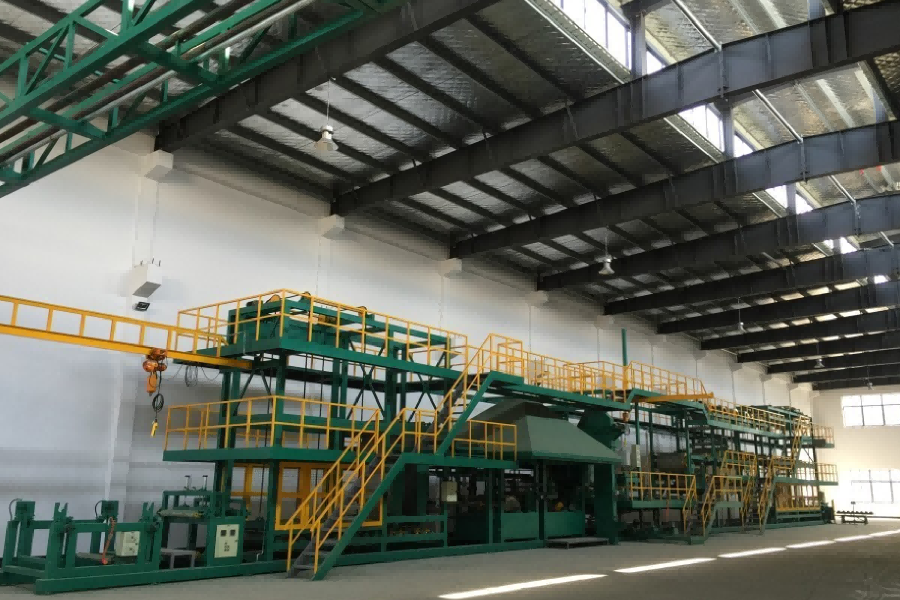
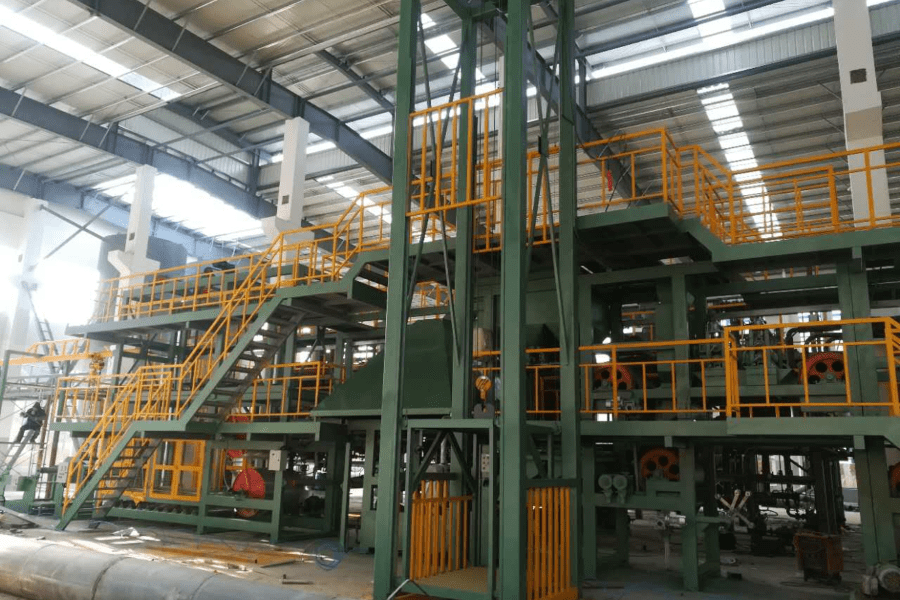
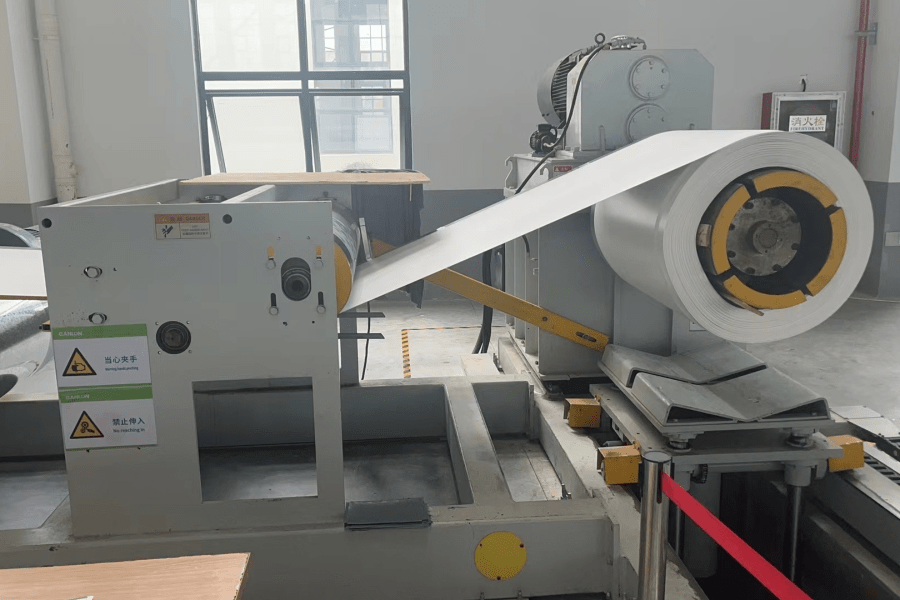
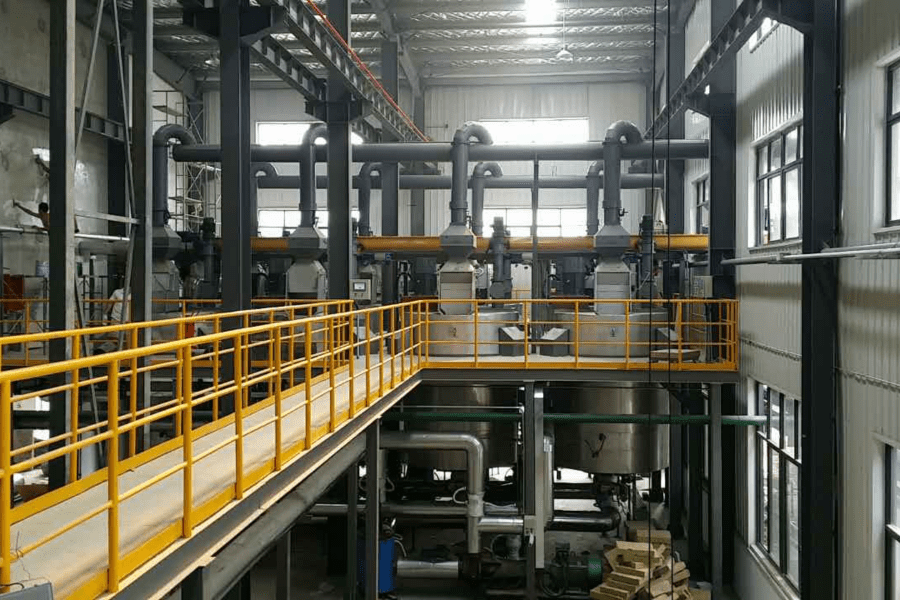
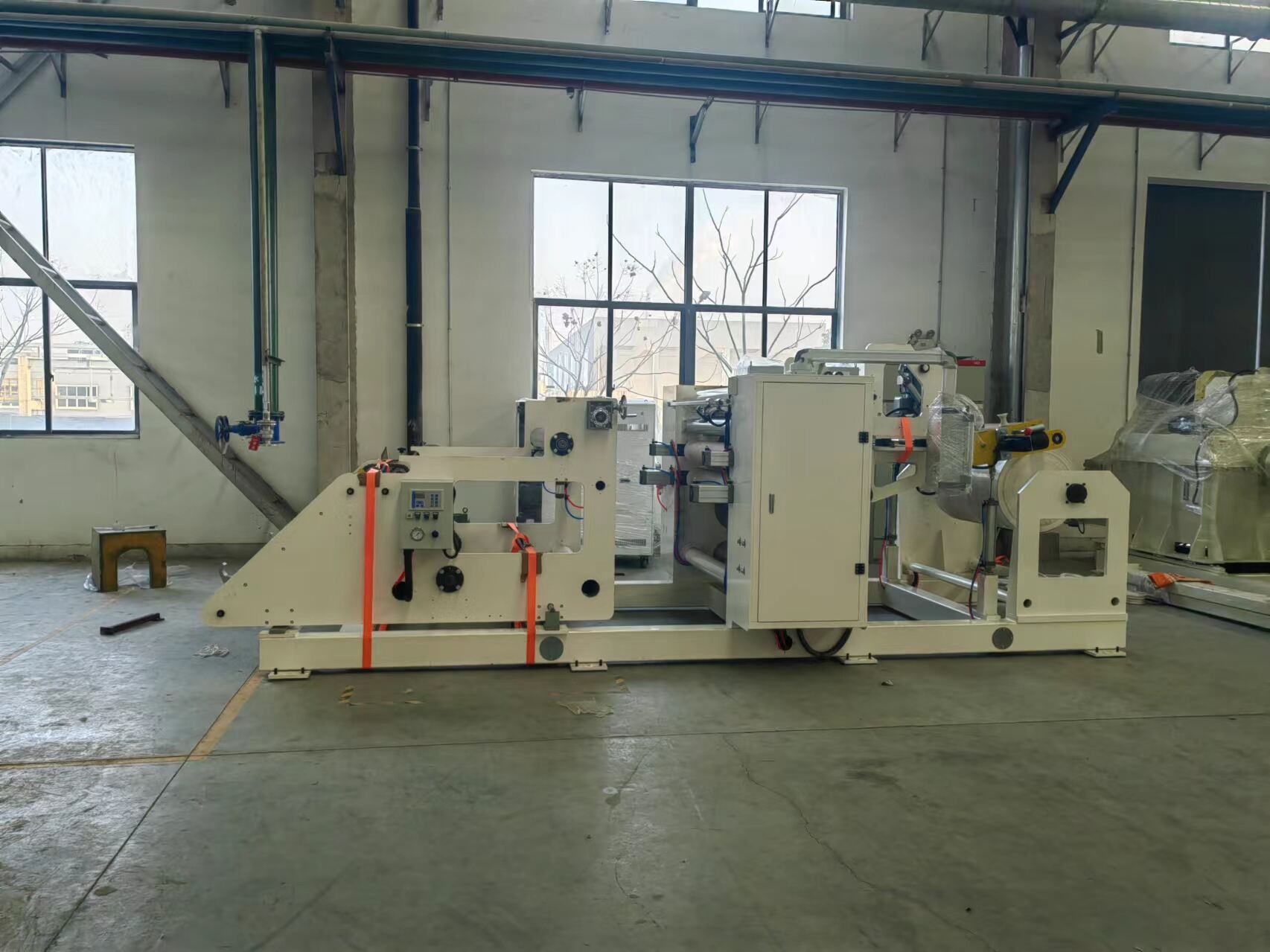
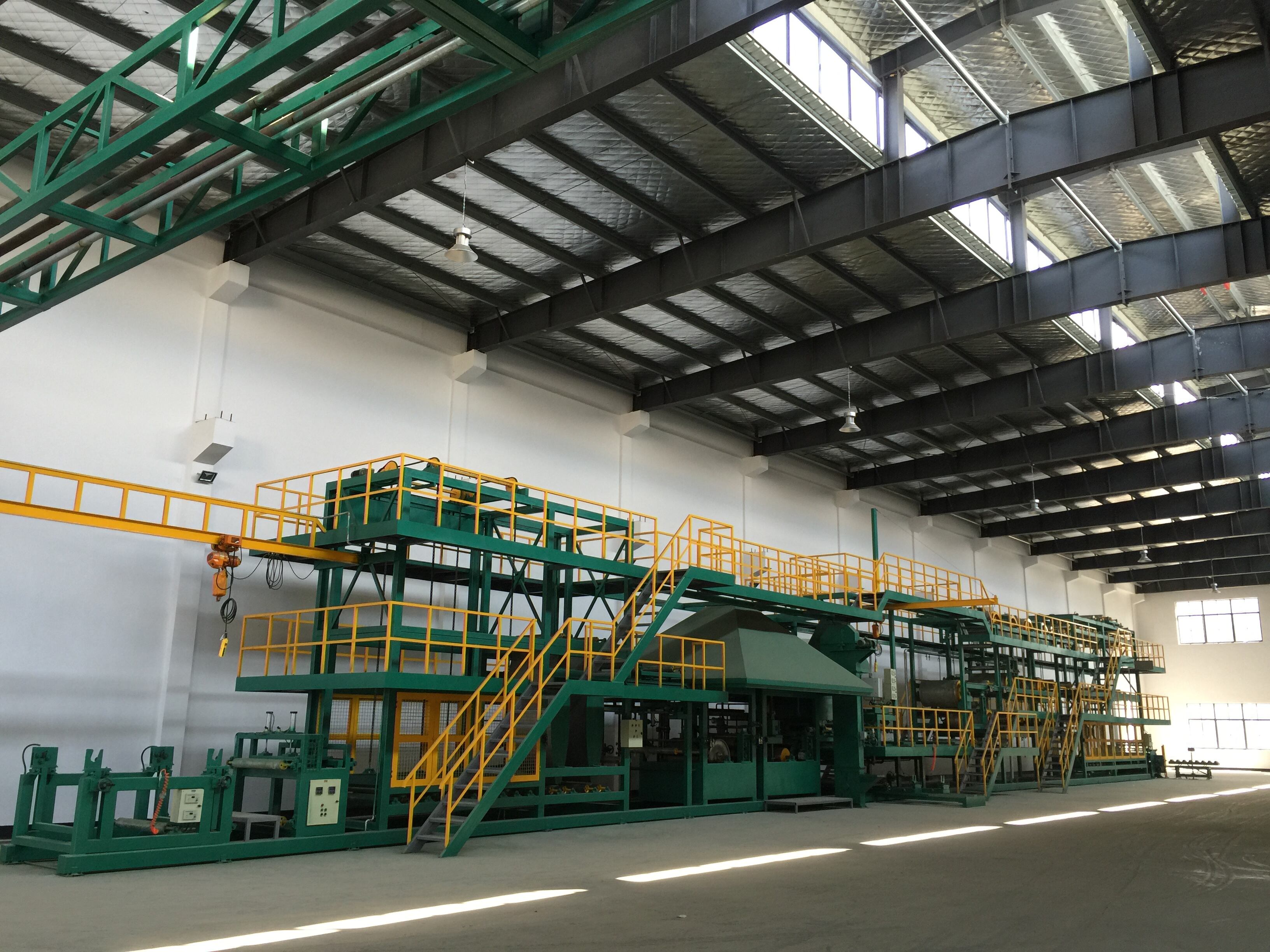
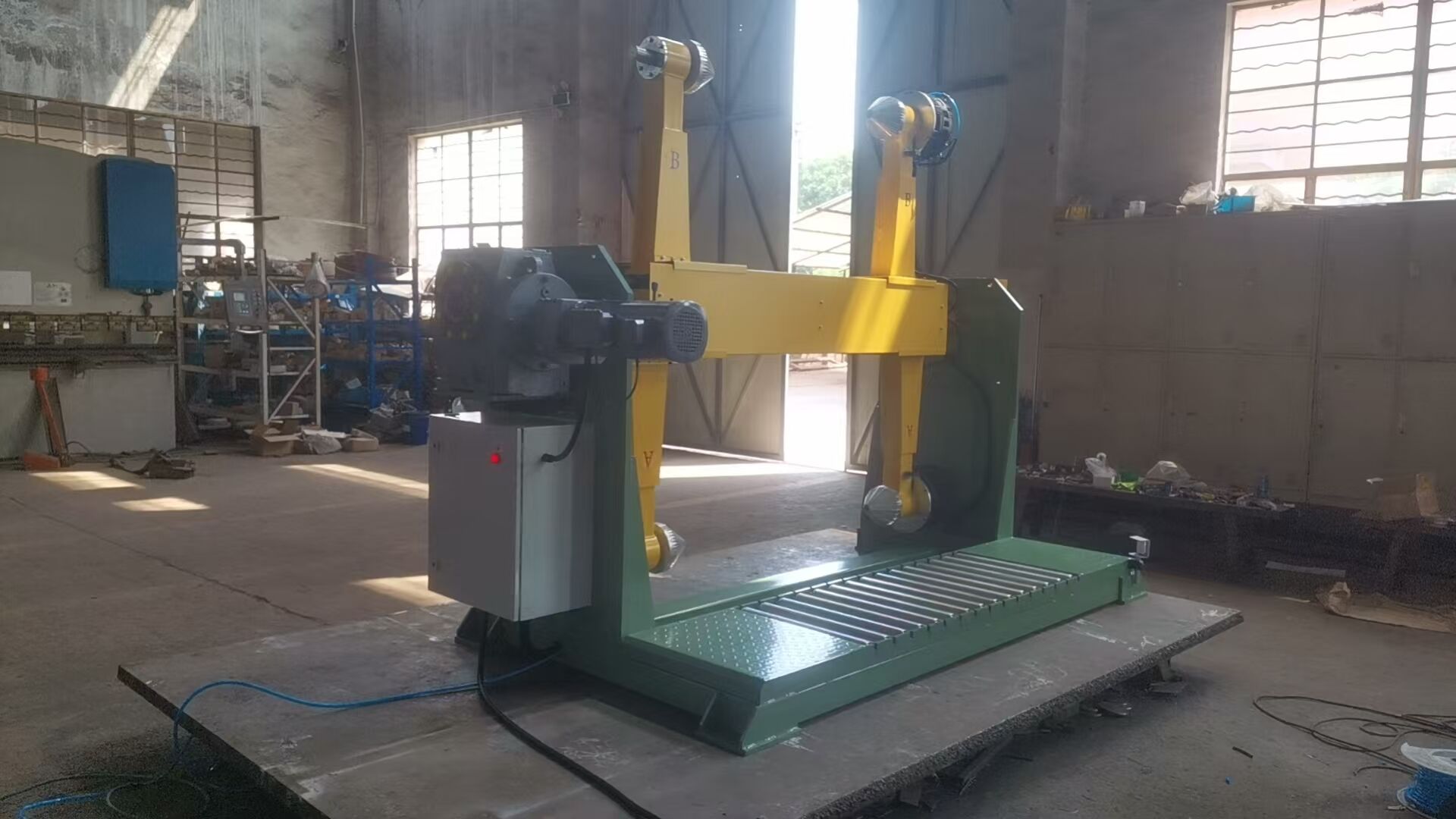
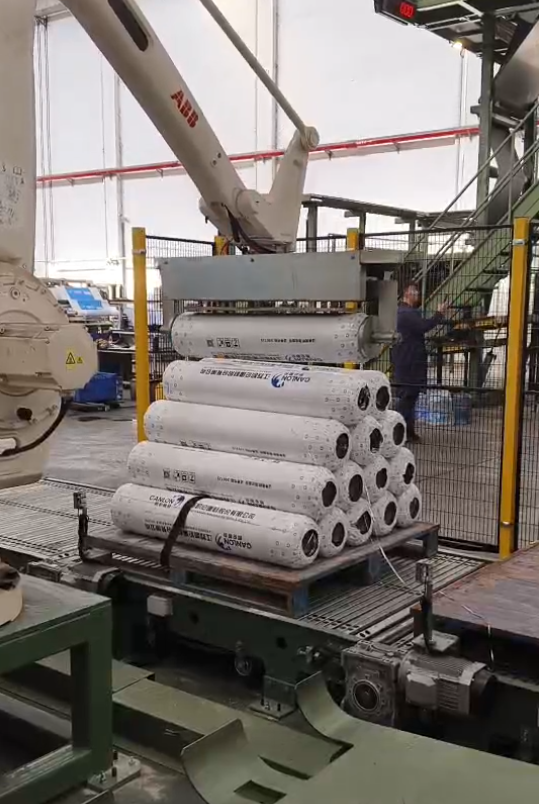
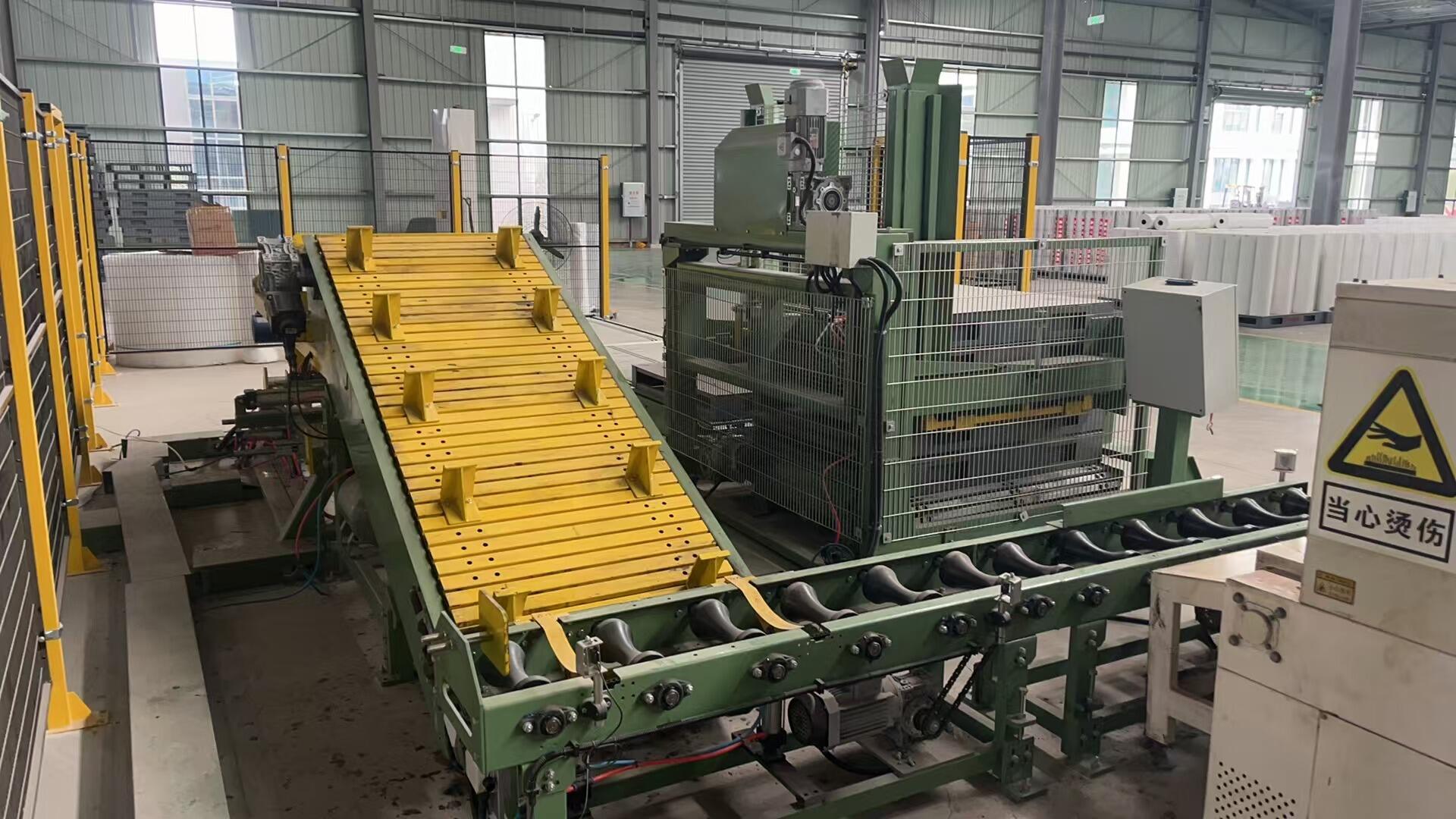
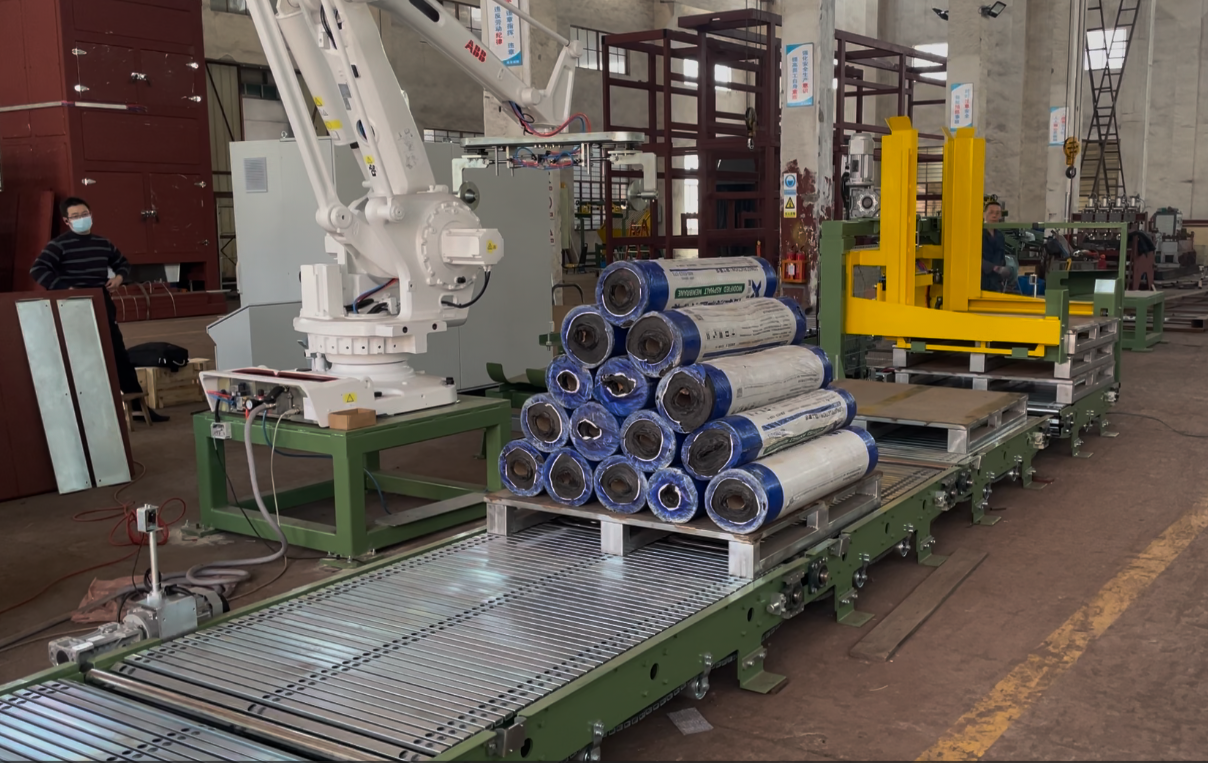
Palletising equipment represents a crucial component in modern warehouse and manufacturing operations, designed to automate the process of organizing and stacking products onto pallets for efficient storage and transportation. This sophisticated machinery encompasses various types of automated systems, including robotic palletizers, conventional palletizers, and hybrid solutions that combine mechanical precision with advanced control technologies. The primary function of palletising equipment involves picking up individual products, cases, or packages from conveyor lines and systematically arranging them in predetermined patterns on wooden, plastic, or metal pallets. These systems utilize advanced sensors, programmable logic controllers, and sophisticated software algorithms to ensure accurate placement and optimal load distribution. The technological features of modern palletising equipment include servo-driven motors for precise positioning, vision systems for product recognition, safety interlocks for operator protection, and user-friendly human-machine interfaces that allow operators to easily configure different stacking patterns and product specifications. Many palletising equipment models incorporate flexible gripper systems that can handle various product shapes, sizes, and weights without requiring extensive changeover procedures. The applications for palletising equipment span across numerous industries, including food and beverage processing, pharmaceutical manufacturing, consumer goods production, automotive parts handling, and chemical processing facilities. These automated systems prove particularly valuable in high-volume production environments where consistent palletizing quality and speed are essential for meeting demanding shipping schedules and maintaining supply chain efficiency. Furthermore, palletising equipment integrates seamlessly with existing warehouse management systems and material handling infrastructure, enabling comprehensive automation solutions that enhance overall operational productivity while reducing labor costs and workplace injuries associated with manual palletizing tasks.

 EN
EN