modified bituminous sheet waterproofing
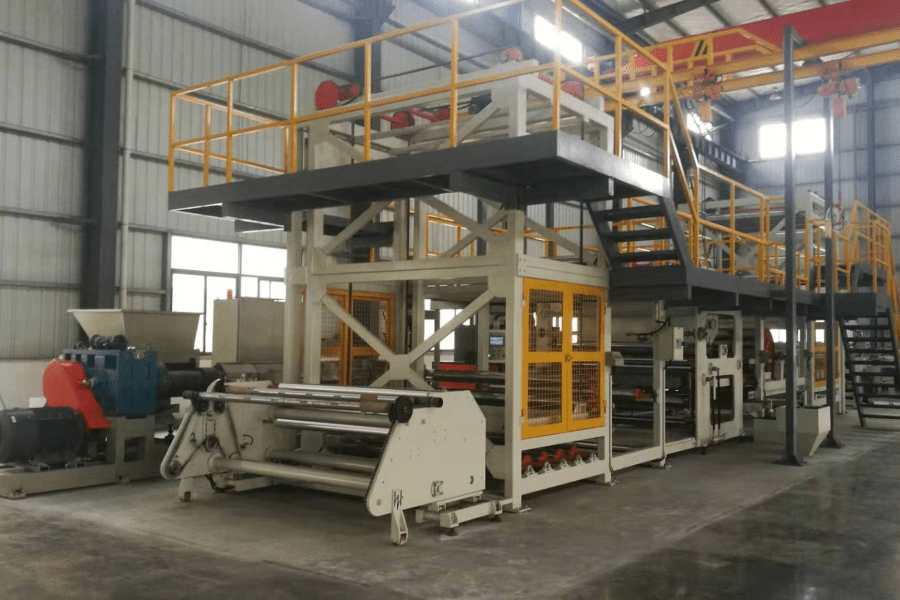
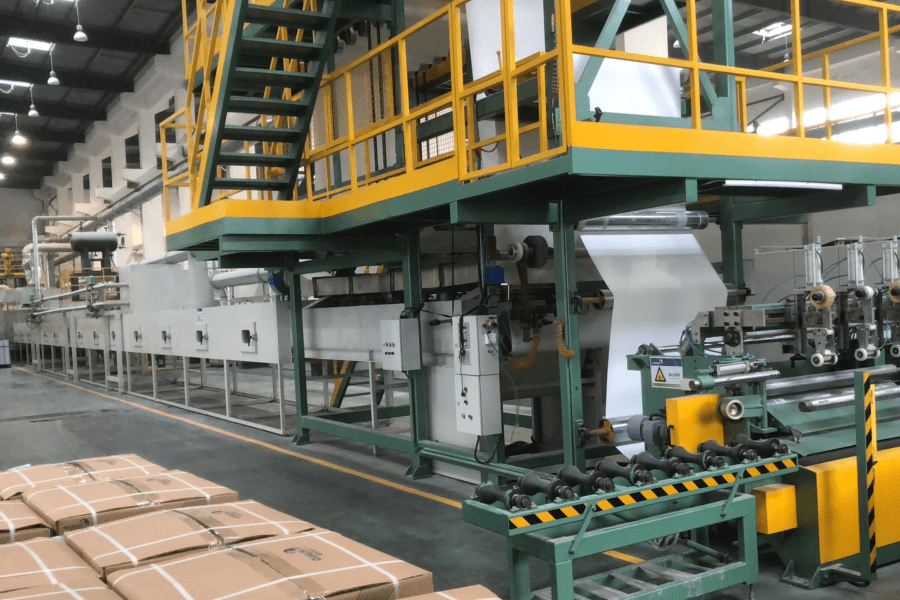
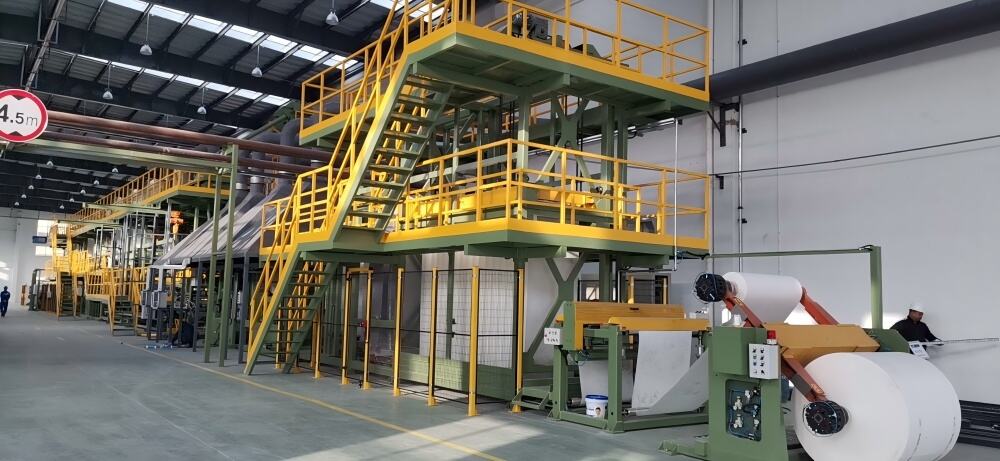
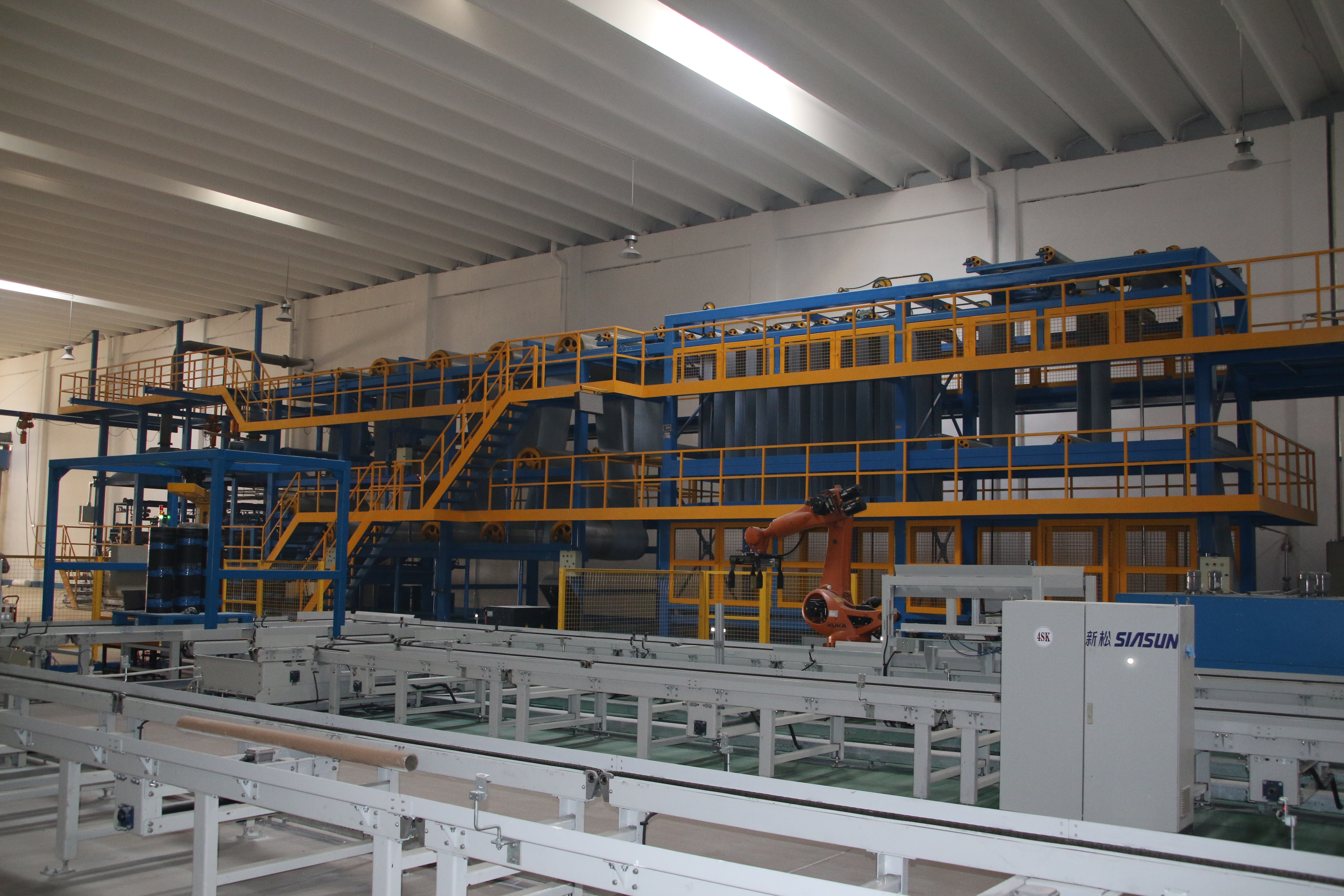
Modified bituminous sheet waterproofing represents a revolutionary advancement in building protection technology, combining traditional bitumen properties with modern polymer modifications to create superior waterproofing solutions. This innovative system consists of multiple layers of specially formulated bitumen that has been enhanced with synthetic polymers, creating a flexible yet durable membrane designed to prevent water infiltration in various construction applications. The core function of modified bituminous sheet waterproofing involves creating an impermeable barrier that effectively blocks moisture penetration while maintaining structural flexibility under temperature variations and building movements. The technological features of this waterproofing system include advanced polymer integration that enhances elasticity, improved adhesion properties, and resistance to environmental stressors such as UV radiation, temperature fluctuations, and chemical exposure. The manufacturing process involves carefully controlled heating and mixing of high-quality bitumen with specific polymer additives, followed by reinforcement with fiberglass or polyester mats to increase tensile strength and dimensional stability. These sheets are typically available in various thicknesses ranging from 3mm to 5mm, with different surface finishes including mineral granules, aluminum foil, or polyethylene film backing. Applications for modified bituminous sheet waterproofing span across residential, commercial, and industrial construction projects, including roof waterproofing, basement protection, foundation sealing, bridge deck waterproofing, and underground structure protection. The installation process requires proper surface preparation, primer application, and careful positioning of overlapping sheets with sealed joints to ensure complete water barrier integrity. This waterproofing solution proves particularly effective in areas experiencing extreme weather conditions, where traditional waterproofing materials might fail due to thermal stress or material degradation over time.

 EN
EN