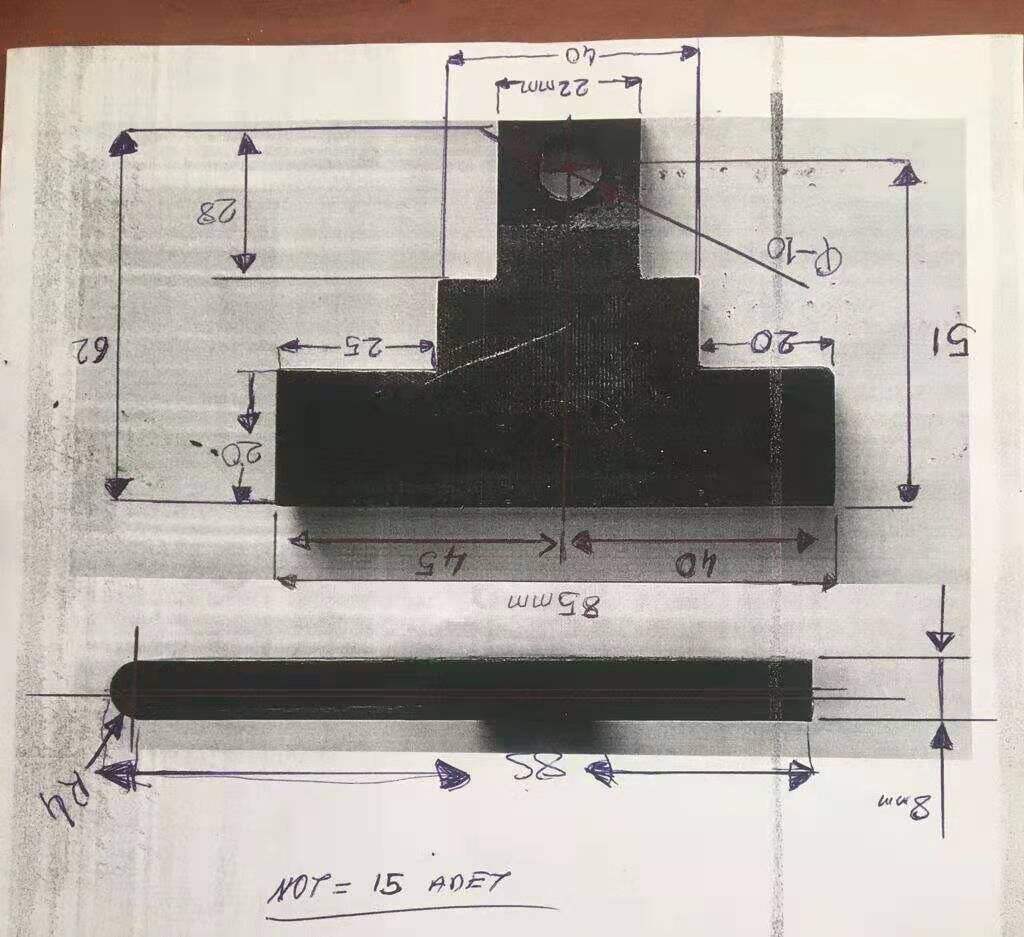
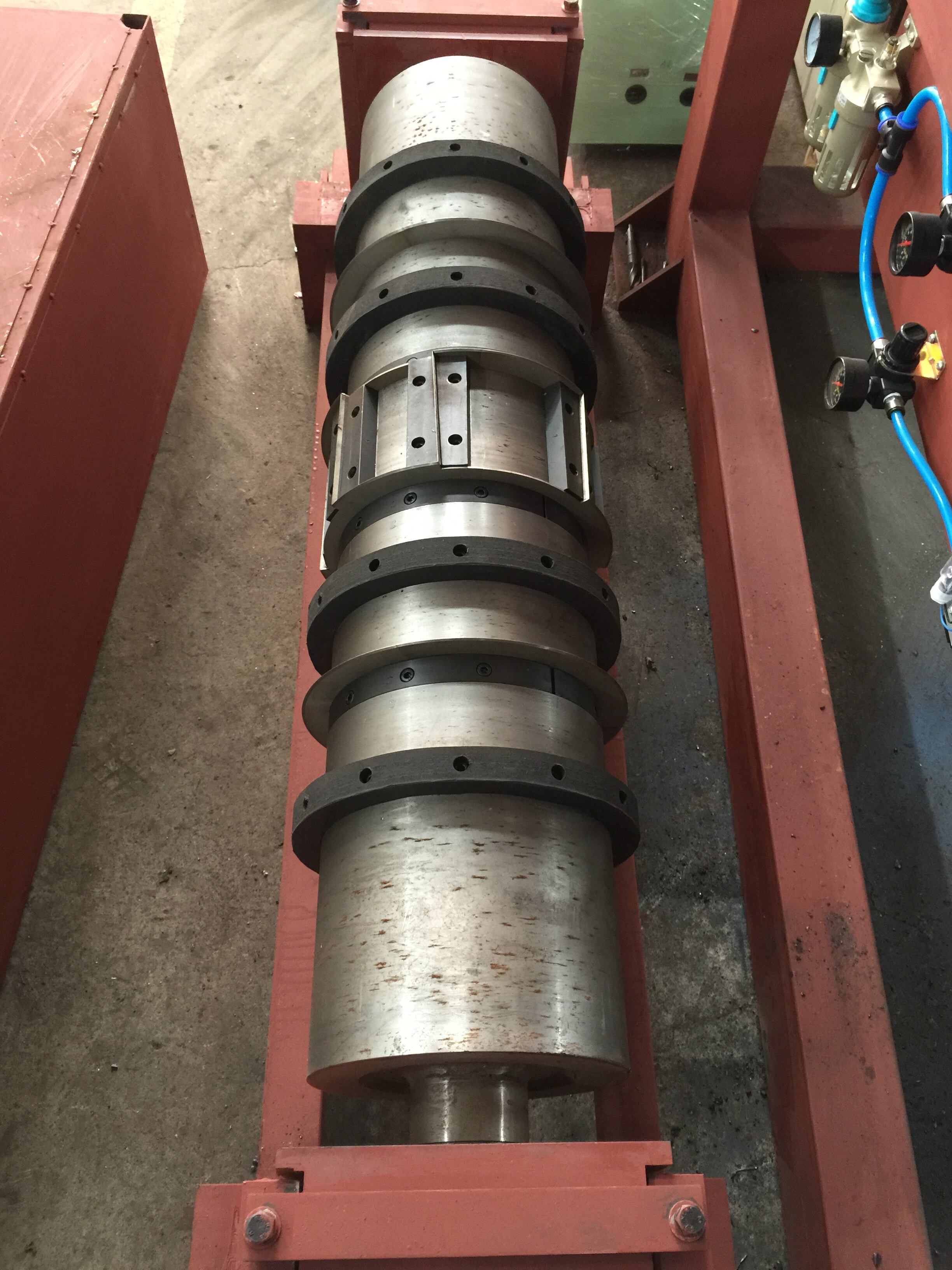
shingle cutting blade
The shingle cutting blade represents a specialized tool engineered specifically for precise and efficient removal of roofing shingles during renovation, repair, or replacement projects. This innovative blade design incorporates advanced metallurgy and cutting-edge geometry to tackle the unique challenges associated with shingle removal tasks. The primary function of a shingle cutting blade centers on its ability to slice through multiple layers of roofing materials, including asphalt shingles, underlayment, and adhesive compounds that typically bond these materials to roof decking. The blade's technological features include a specially formulated carbide-tipped edge that maintains sharpness throughout extended use, while its ergonomic design reduces operator fatigue during prolonged cutting sessions. The cutting mechanism utilizes a curved blade profile that follows the natural contours of shingle installation patterns, allowing for smooth, continuous cuts that minimize material waste and reduce cleanup time. Modern shingle cutting blade designs incorporate heat-resistant properties that prevent blade warping during high-friction cutting operations, particularly important when working on sun-heated roofing surfaces. The blade's construction typically features high-carbon steel cores with specialized coatings that resist corrosion from exposure to weather elements and roofing chemicals. Applications for the shingle cutting blade extend across residential and commercial roofing projects, including complete roof replacements, partial repair work, storm damage restoration, and routine maintenance operations. Professional roofers utilize these blades for creating precise cuts around roof penetrations, valleys, and edges where standard removal techniques prove inadequate. The blade's versatility allows it to handle various shingle types, from traditional three-tab designs to architectural shingles with enhanced thickness and layered construction. Construction contractors appreciate the blade's ability to accelerate project timelines while maintaining quality standards, making it an essential tool for competitive bidding and efficient job completion.
 EN
EN