automated palletizing system
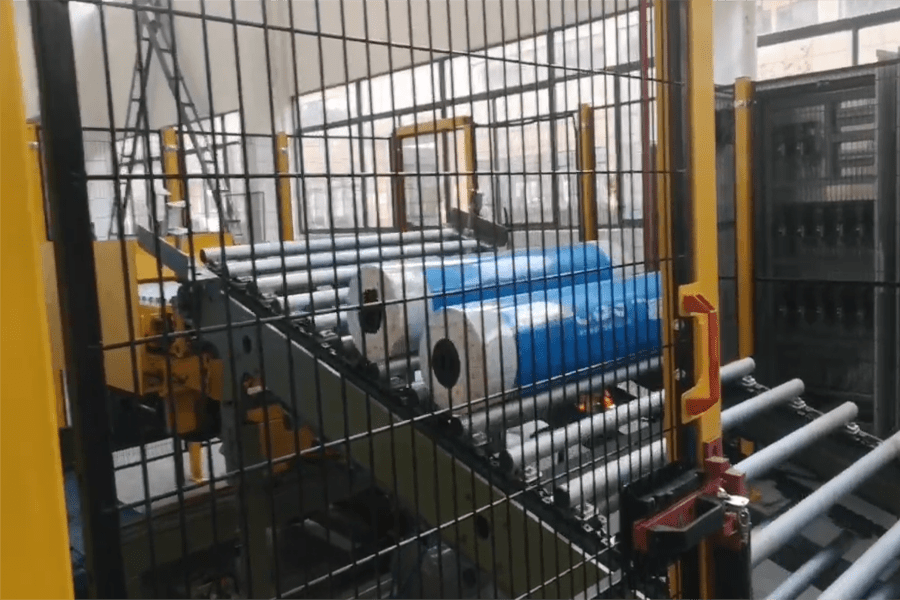
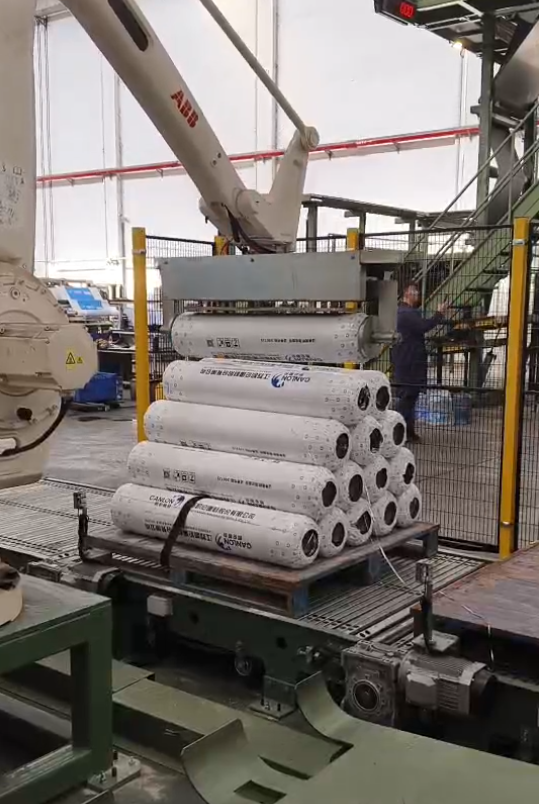
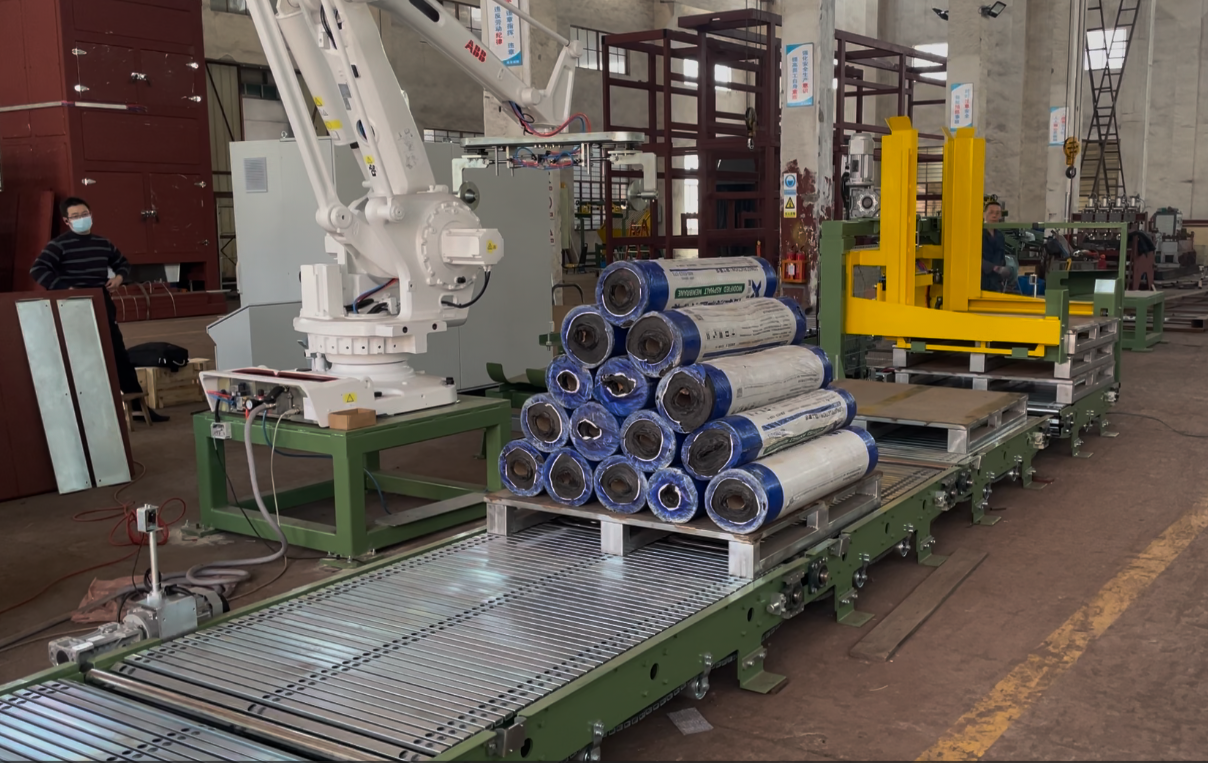
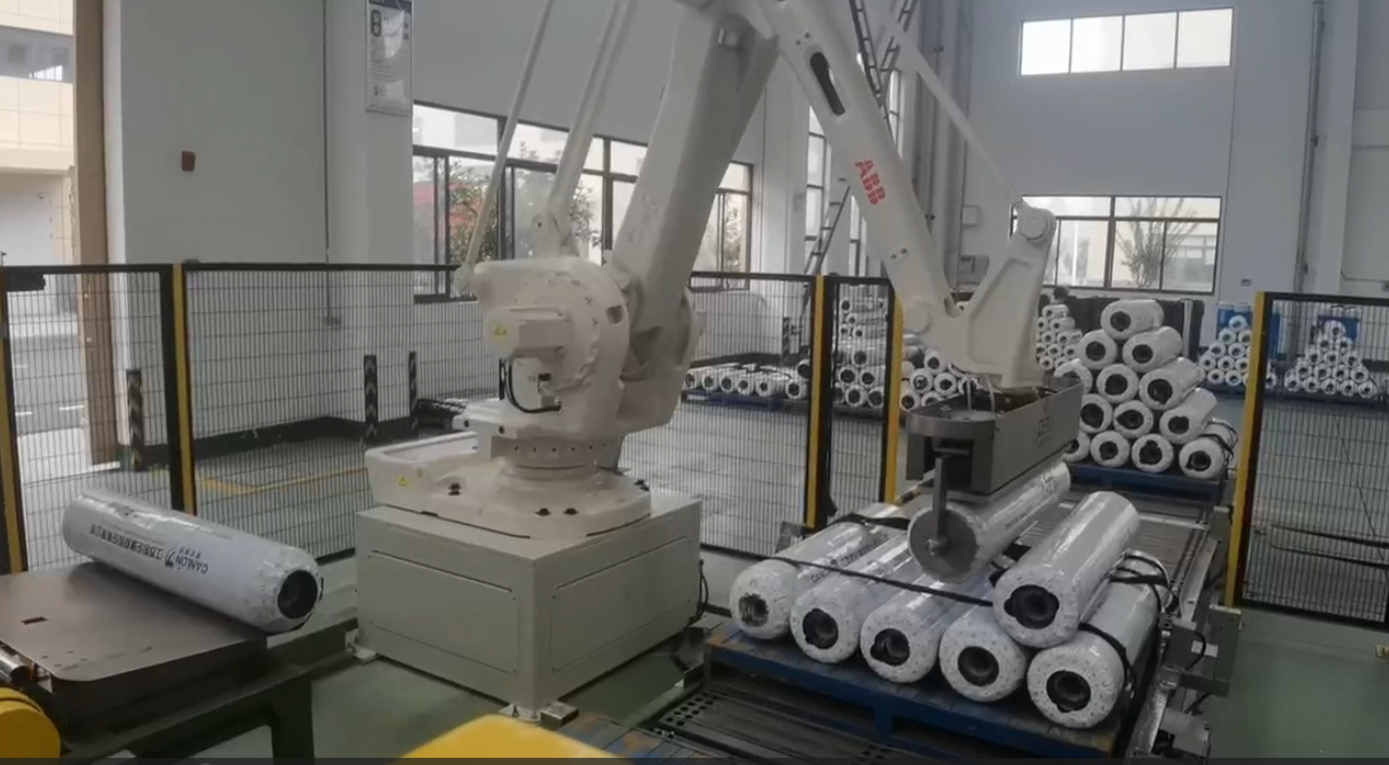
An automated palletizing system represents a revolutionary advancement in warehouse and manufacturing operations, transforming how businesses handle product packaging and shipping processes. This sophisticated technology combines robotics, artificial intelligence, and precision engineering to create seamless material handling solutions that eliminate manual labor bottlenecks. The automated palletizing system operates through integrated components including robotic arms, conveyor systems, sensors, and intelligent software that work together to stack products onto pallets with remarkable accuracy and speed. The main functions encompass product identification, precise placement, pattern optimization, and quality control verification throughout the entire palletizing process. Modern automated palletizing systems utilize advanced vision systems that can recognize different product shapes, sizes, and packaging types, automatically adjusting handling parameters to accommodate varying specifications. The technological features include programmable logic controllers, servo-driven mechanisms, safety monitoring systems, and user-friendly interfaces that allow operators to modify configurations quickly. These systems can handle diverse product categories from boxes and bags to irregularly shaped items, making them versatile solutions for multiple industries. Integration capabilities allow the automated palletizing system to connect seamlessly with existing warehouse management systems, enterprise resource planning software, and other automated equipment. Real-time monitoring and reporting functions provide valuable operational insights, helping businesses optimize their supply chain efficiency. The applications span across numerous sectors including food and beverage manufacturing, pharmaceutical production, consumer goods packaging, automotive parts distribution, and chemical processing facilities. Installation flexibility enables both retrofit implementations in existing facilities and incorporation into new construction projects, accommodating various spatial constraints and production requirements.

 EN
EN